Exploring Southern Ireland: Celtic Legends and Sweeping Landscapes
Some places seem built just to fire up the imagination, and southern Ireland is definitely one of them. Here, every green hill hides a story, every pub echoes with live music, and every wind-swept coast reminds you that you are at the edge of Europe. You come for the raw intensity of the landscape, but you stay for the warm welcome and the unmatched atmosphere.
Southern Ireland: Is this destination right for you?
This trip appeals to anyone drawn to wild landscapes, hiking, and deeply rooted traditions. It is also a paradise for fans of lively pubs and Celtic culture. To be entirely honest though, the weather is fickle, rain is common, and prices can run high, especially in the summer.
If you want guaranteed sunshine and a lazy beach vacation, this might not be your ideal spot. But if the thought of walking through a light drizzle before ending your evening by the hearth with a drink in hand makes you smile, you are in the right place.
Dublin: The Energy of a Lively Capital
Dublin is much more than a simple gateway: it is a city meant to be experienced intensely. In the Georgian quarter, colorful facades and brightly painted doors set a distinctly Irish scene. St Stephen’s Green park, right in the center of the city, invites you to take a break in a floral oasis.
Do not miss Trinity College, where the Old Library looks like something straight out of a novel, or the majestic St. Patrick's Cathedral, a witness to the country's religious and political history. As evening approaches, the energy of Temple Bar draws travelers and locals in with its pubs, street art, and live music.
Friendly tip: Skip Temple Bar in the evening if you want to dodge the crowds, and check out the traditional pubs in the Smithfield or Stoneybatter neighborhoods instead for something more authentic and a bit quieter.
Connemara and the Wild Soul of Ireland
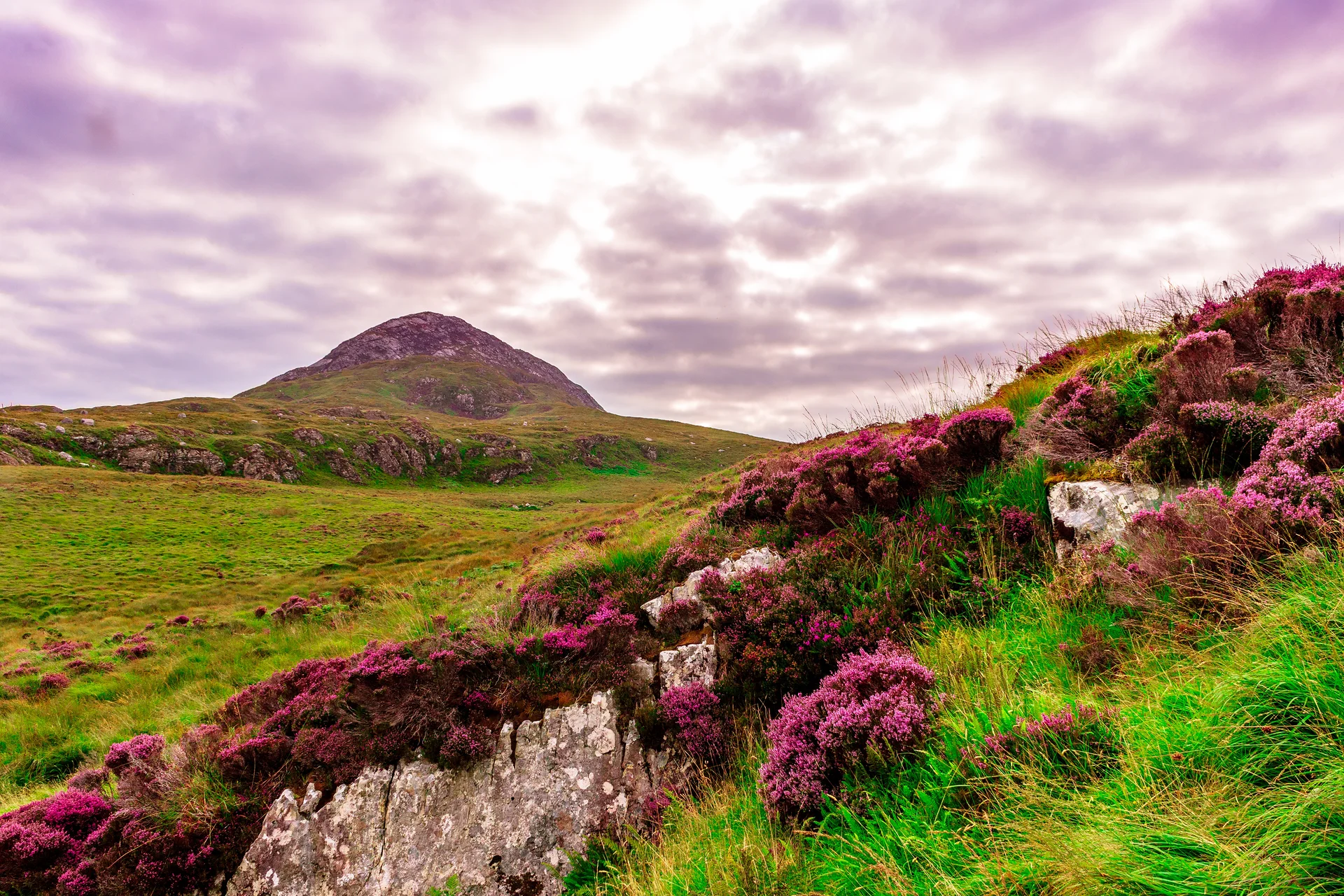
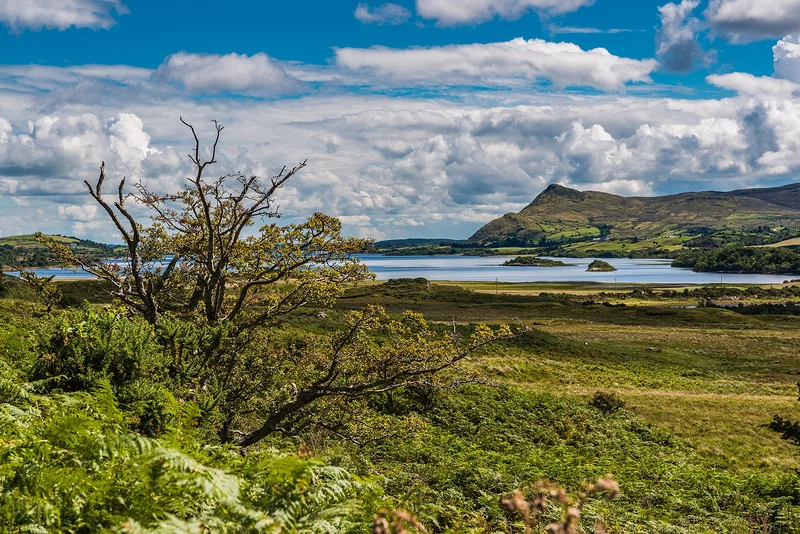
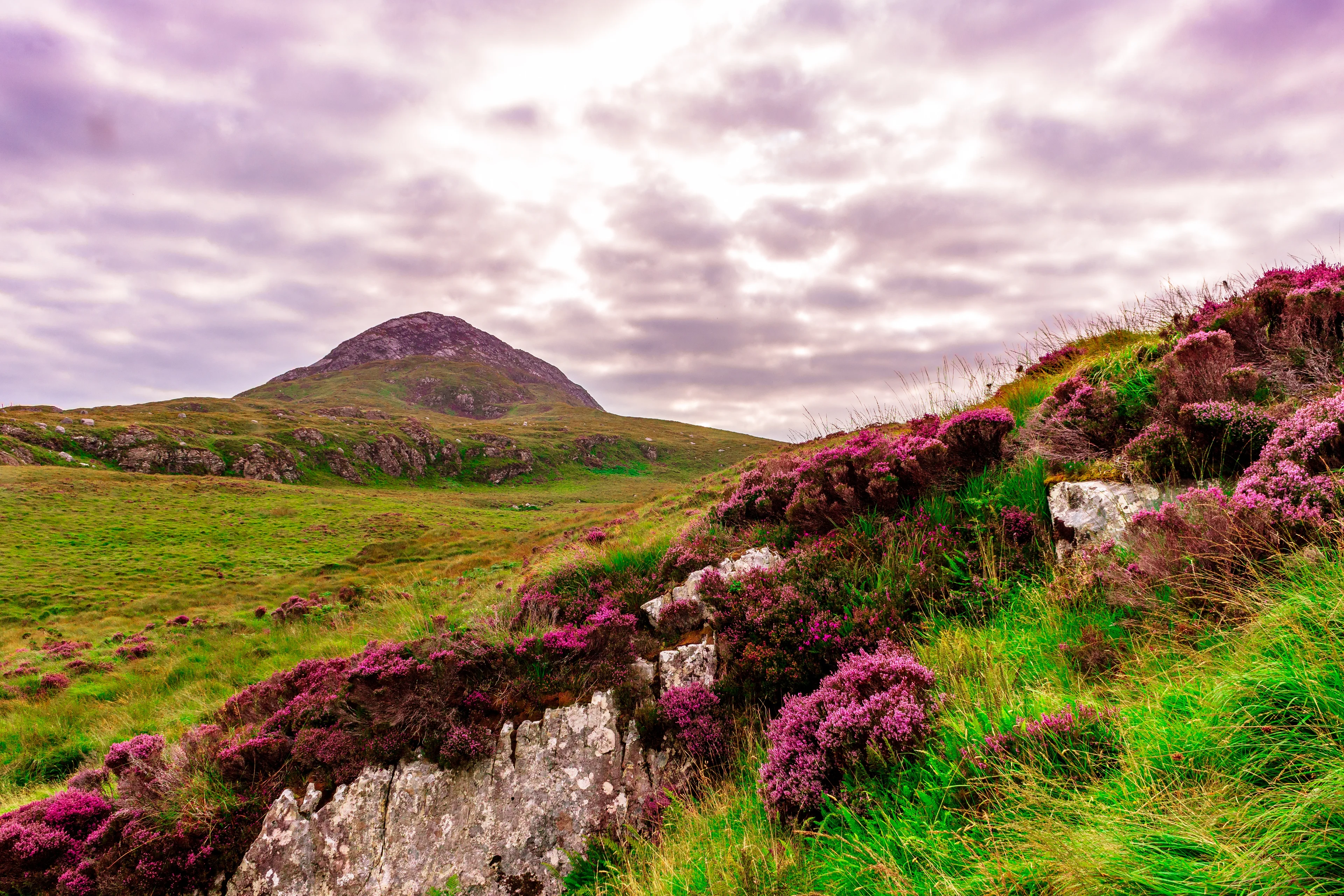
Nothing captures the feeling of freedom quite like the landscapes of Connemara. Between shimmering lakes, heather-covered hills, and wandering sheep, the scenery feels entirely timeless. In Letterfrack, the National Park lays out hiking trails that plunge right into this raw, shifting wilderness.
Along the winding roads, Gaelic shows up on road signs and still echoes in everyday conversations. The Victorian mansion of Kylemore Abbey, complete with its walled garden, adds a touch of romance to these grand landscapes.
Friendly tip: Pack plenty of layers for your hikes. In Connemara, all four seasons can pass by in a single afternoon.
The Cliffs and the Atlantic Coast
You cannot talk about Ireland without mentioning the Cliffs of Moher. Rising over 200 meters, they plunge straight into the Atlantic to offer dramatic drop-offs, though the walking paths get quite crowded. It pays to arrive early in the morning to enjoy the site in peace.
A short drive away, Galway wins you over with its bohemian vibe and busy streets. Between colorful storefronts and street musicians, the city breathes creativity. The Spanish Arch points to its trading history, while the pubs overflow with traditional music.
Further south, the Dingle Peninsula rolls out wild beaches, jagged cliffs, and quiet fishing villages. This well-preserved region has inspired plenty of filmmakers with its dramatic backdrops and shifting light.
Traditions and Local Culture
Traveling through southern Ireland also means stepping into a distinct cultural world. Festivals fill the calendar year-round, blending traditional music, Celtic dance, and religious celebrations. The Gaelic language, still spoken in certain pockets, highlights the depth of the local heritage.
The locals are warm, chatty, and never miss a chance to swap a story or an anecdote over a drink. You usually grasp the true character of the country through these spontaneous conversations.
Friendly tip: Do not hesitate to strike up a conversation with locals in pubs or small shops. Their hospitality will likely be your favorite souvenir.
Southern Ireland on Your Plate: Hearty and Welcoming
Local cooking highlights simple, comforting ingredients. Irish stew (lamb and vegetable stew), colcannon (mashed potatoes with cabbage), and fresh seafood are all staples. In coastal towns, you can dig into oysters, smoked salmon, and mussels.
And of course, you cannot skip the local beer, poured on tap in every pub. If you have a sweet tooth, soda bread, a dense and slightly sweet loaf, goes wonderfully with any meal.
When to Visit Southern Ireland
Summer, from June to August, brings the busiest and sunniest weather, but also the biggest crowds. September is ideal for catching mild weather and quieter trails. Spring covers the meadows in blooms, while autumn sets the forests ablaze with warm shades.
Winter brings frequent rain and wind, but it is also the best time to appreciate the cozy atmosphere of local pubs and experience a more intimate side of Ireland.
How to Get to Southern Ireland
Flying remains the fastest option, with direct flights from major US hubs like JFK or Boston connecting to Dublin in about 6 to 7 hours. You can also find connections into Cork and Shannon if you plan to head straight west. Prices fluctuate by season, with good deals available outside the peak summer months.
If you are already traveling through Europe, taking a ferry from France, such as Roscoff to Cork or Cherbourg to Rosslare and Dublin, works well for anyone wanting to bring a car and take a slower, more scenic route.
Getting Around Southern Ireland
The bus network connects major towns and villages, though schedules can be sparse in rural areas. Trains run reliably between Dublin, Galway, and Cork, but the rail network is smaller than what you find in mainland Europe.
To explore the wild countryside at your own pace, renting a car is strongly recommended. The narrow, winding roads require extra focus, especially with driving on the left side of the road, but they offer incredible views.
In the cities, walking and biking are the best ways to soak up the local scene.