
Visiting Galway
Galway is the third-largest urban area in Ireland and sits firmly on the country's west coast. The city grew from its roots in the fishing and peat harvesting industries. You can still see the influence of these trades in the famous hookers, small black-hulled boats with distinctive red sails used for centuries. Some of these vessels are displayed at the Galway City Museum. Located right in the city center, the museum details the evolution of local traditions, housing, and rural life in and around Galway.
A city to explore in Ireland
The name Galway has deep roots. It comes from the medieval Gaelic expression Dún Bhun na Gaillimhe, which translates to "the fort at the mouth of the Corrib." Starting in the 12th century, Anglo-Norman troops occupied the city and pushed Gaelic-speaking residents to the margins. The new merchant class built a citadel and turned the settlement into a major commercial port. At the time, the city was governed by an oligarchy of 14 families, and only two were Irish. A former city gate, the Spanish Arch, was built in 1584 and still stands today. It marks the start of the Long Walk, a path that follows the Corrib river.
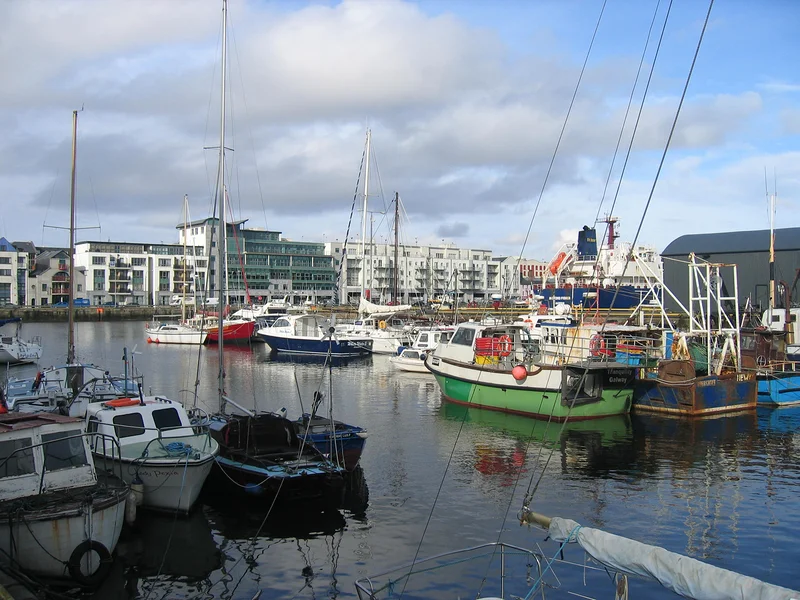
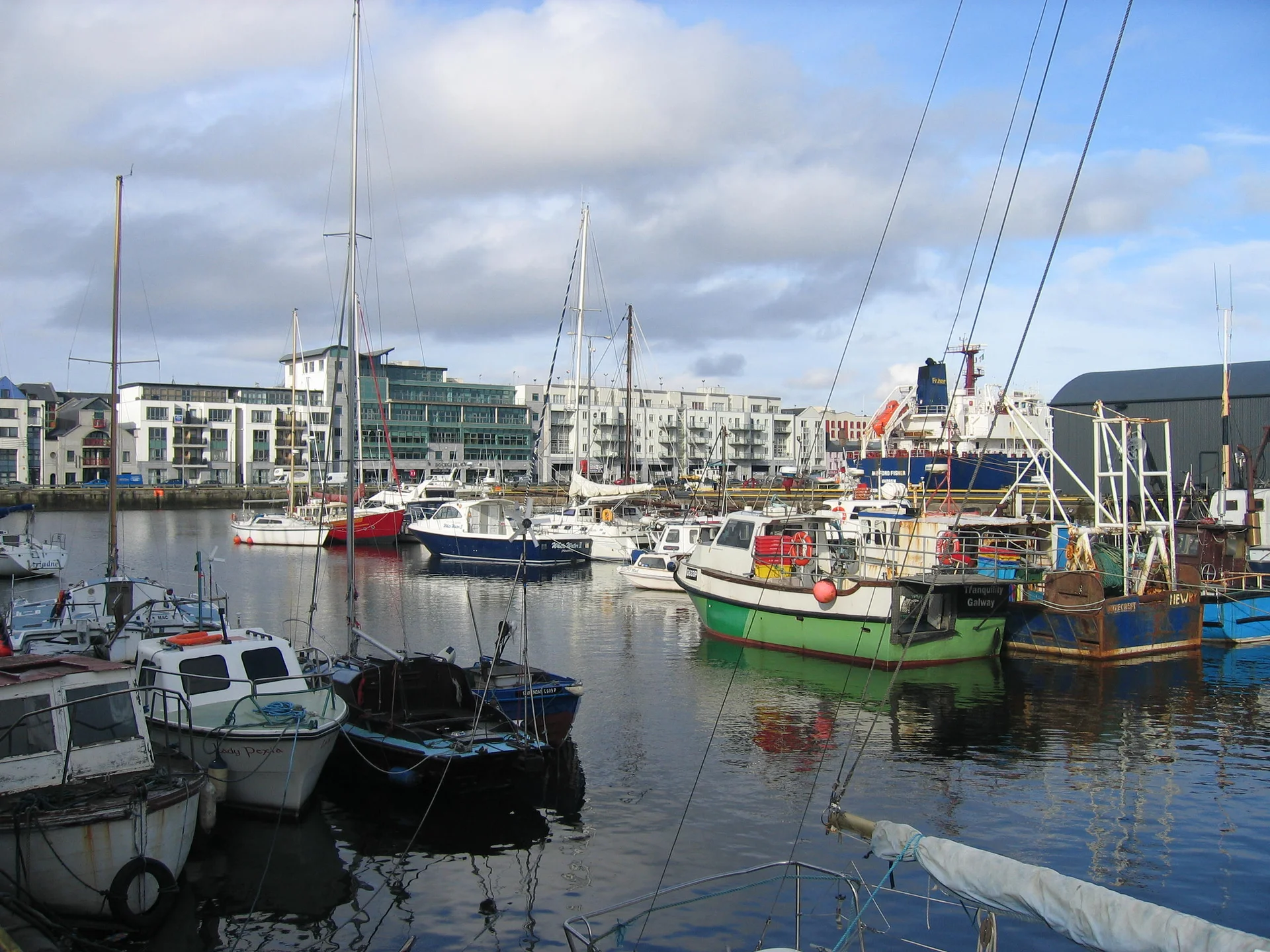
Continue your walk to Nimmo's Pier for a view of the colorful old-town houses lining the port. You are now near Claddagh, the former hub of the fish markets and the place where the Claddagh ring, a quintessential piece of Irish jewelry, was invented.
The Irish West in all its glory
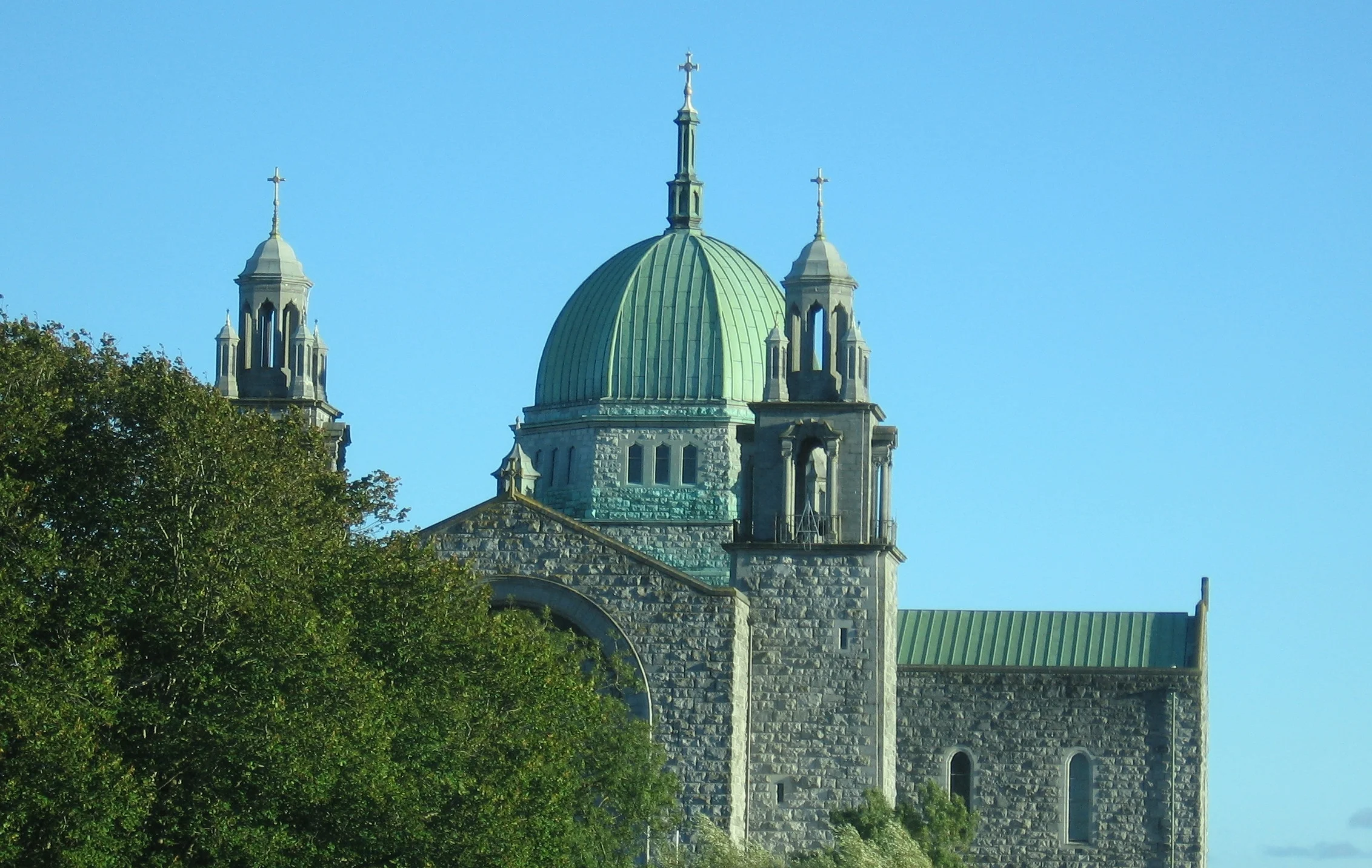
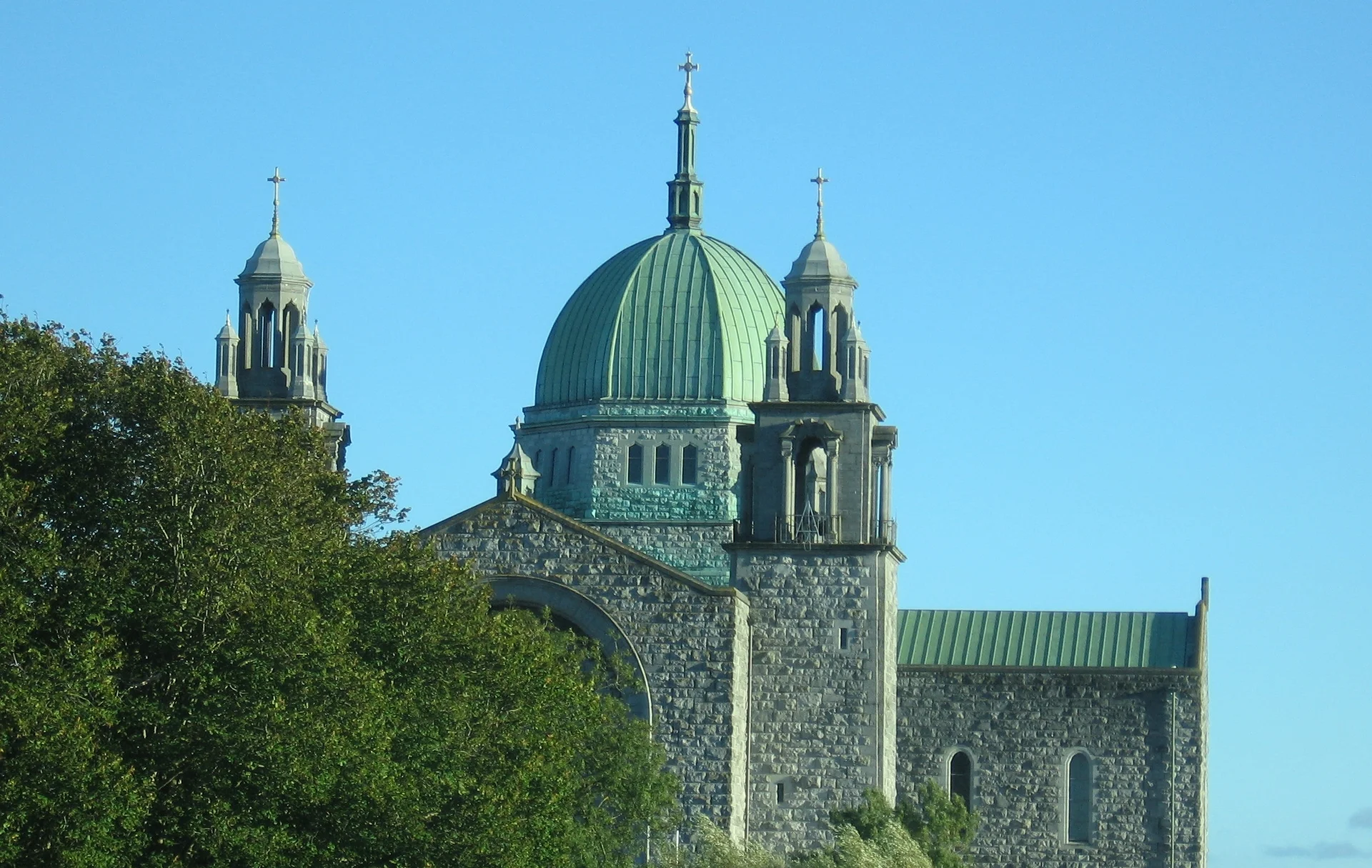
In the heart of Galway's old town, a few Catholic religious buildings survived the assaults of Cromwell's Protestant troops. This includes the Saint Nicholas Collegiate Church, the largest medieval church in Ireland still in use, with construction dating back to 1320. The imposing Cathedral of Our Lady was built much later, in 1965. You can see it from the other side of the Salmon Weir Bridge, a spot known for watching salmon swim upstream during the warmer months. While wandering the streets, keep an eye out for Lynch's Castle, a former fortified townhouse.
When the weather is nice, take the scenic walk through Salthill, which features several beaches. On your way, you can visit the Atlantaquaria aquarium. Right across the street, stop by the Micil Distillery, opened in 2016 to revive a family poitín recipe that goes back 170 years. The staff can walk you through the distillation process, and they offer tastings of their gin, whiskey, and poitín.
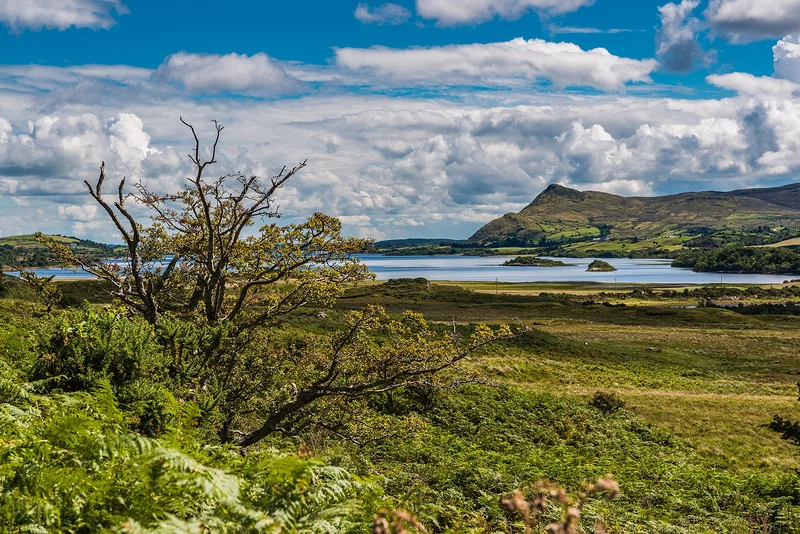
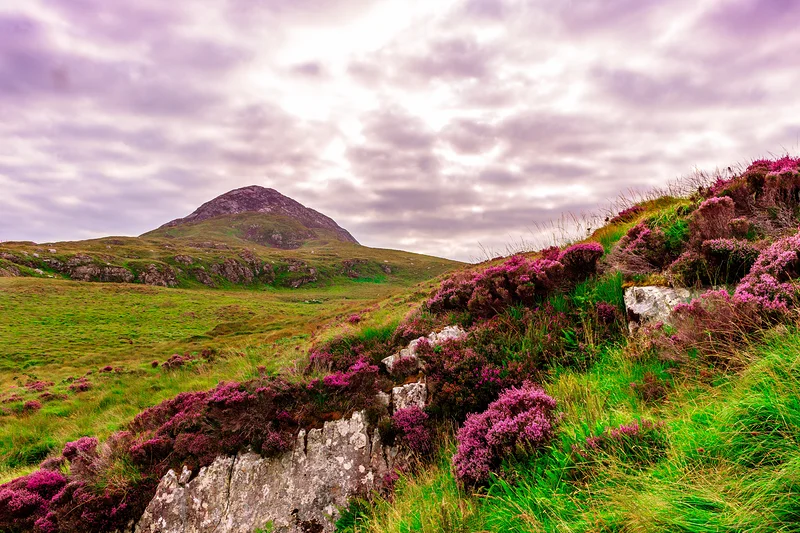
Galway is also an ideal base for exploring the natural wonders of the Irish West, including Connemara National Park and the Kylemore Abbey. Other popular day trips from Galway include the Cliffs of Moher to the south or the traditional Aran Islands.
When to go
Visit Galway during the warmer months of spring and early summer. Autumn is generally avoided as the city experiences heavy rainfall during that season.
How to get there
Galway sits at the intersection of the N17 from the north, the N6 from the east, and the N18 from the south. From North America, Shannon Airport is the closest gateway, 90 km south of Galway with direct transatlantic flights. Otherwise fly into Dublin and catch a bus or train across the country.
I really loved my visit to the city of Galway. While the city center is quite small, it is very lively. It is a fairly touristy and very vibrant town. You will find pubs with a festive atmosphere and many small shops there. The vibe is even more classic than in Dublin.