Rossano, the Byzantine city scented with licorice
Perched on a Calabrian ridge, Rossano blends the scent of a century-old licorice factory with the golden stones of a Byzantine cathedral. Few Italian towns combine such deep religious heritage with a family-run industry known around the world. Here, history is not just something you read about in guidebooks, but something you actually breathe on every street corner.
Is this destination right for you?
Do you like towns that have not been sanitized for mass tourism? Are you looking for a rare mix of Byzantine culture, local craftsmanship, and Ionian beaches reachable in ten minutes by car? Rossano checks every box.
On the other hand, if you are expecting a buzzing nightlife or endless hotel options, you are better off looking elsewhere. The town keeps its own pace, moving to the rhythm of a Calabrian village where everything shuts down between 1:00 PM and 4:00 PM.
Good fit for:
- Fans of Byzantine history and religious heritage
- Travelers curious about local crafts, like licorice and traditional pastries
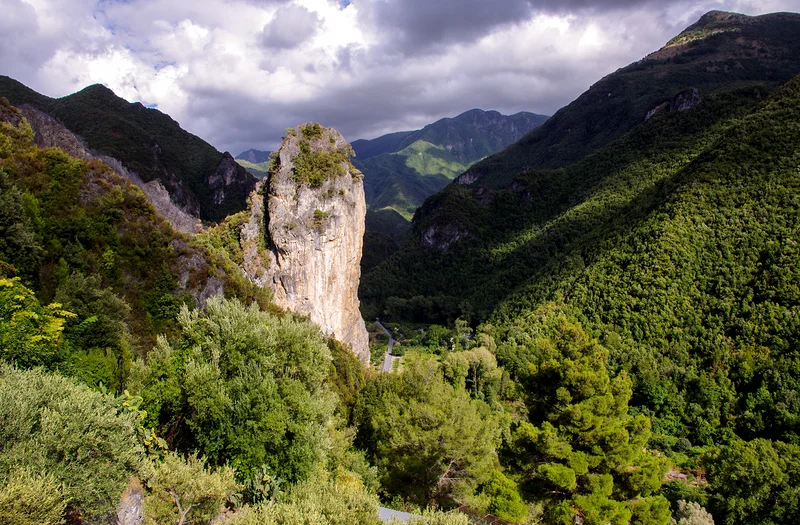
- Road trips combining mountain terrain and the Ionian coast
Not a good fit for:
- Anyone looking for lively nightlife
- Car-free trips, since local public transit is limited
An accessible budget compared to the rest of Italy
| Expense | Range |
|---|---|
| Night in a B&B or simple hotel | $40 to $62* |
| Night in a comfortable coastal hotel | $79 to $124* |
| Quick bite (arancini, panino) | $4.50 to $9* |
| Sit-down dinner with fresh seafood | $23 to $40* |
Estimated rates subject to change
Practical realities to know before you go
English is rare outside major tourist spots, so practice a few phrases of Italian for shops and family-run inns. The town has two distinct personalities: the centro storico perched high on the hill and Rossano Scalo, the modern beachfront section about 6 kilometres away.
The Calabrian summer packs a punch, with temperatures frequently pushing past 35 degrees in July and August. The historic center features steep staircases and cobblestone alleys, so pack good walking shoes and be ready for a workout.
The historic center, Calabria's Byzantine memory
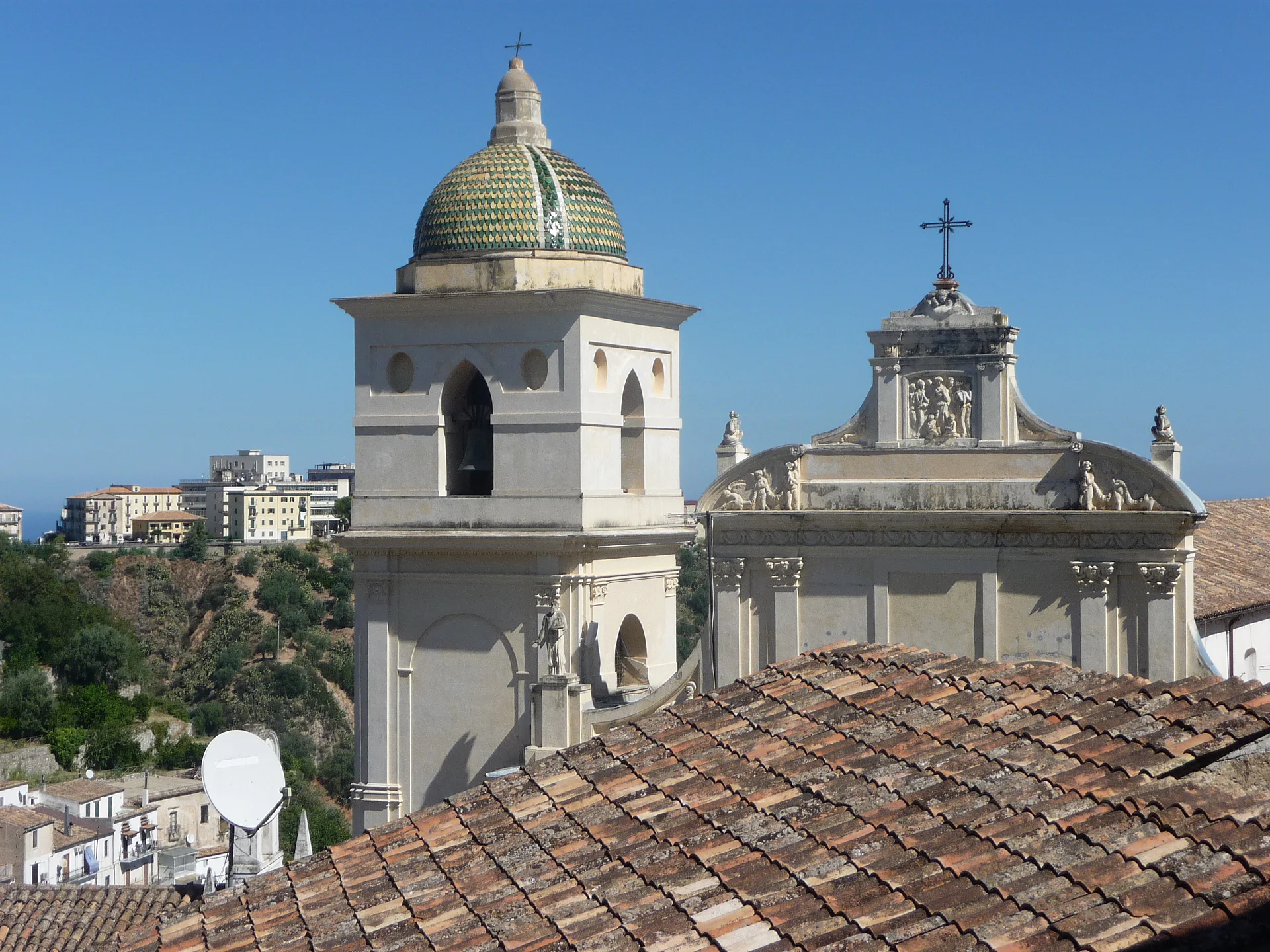
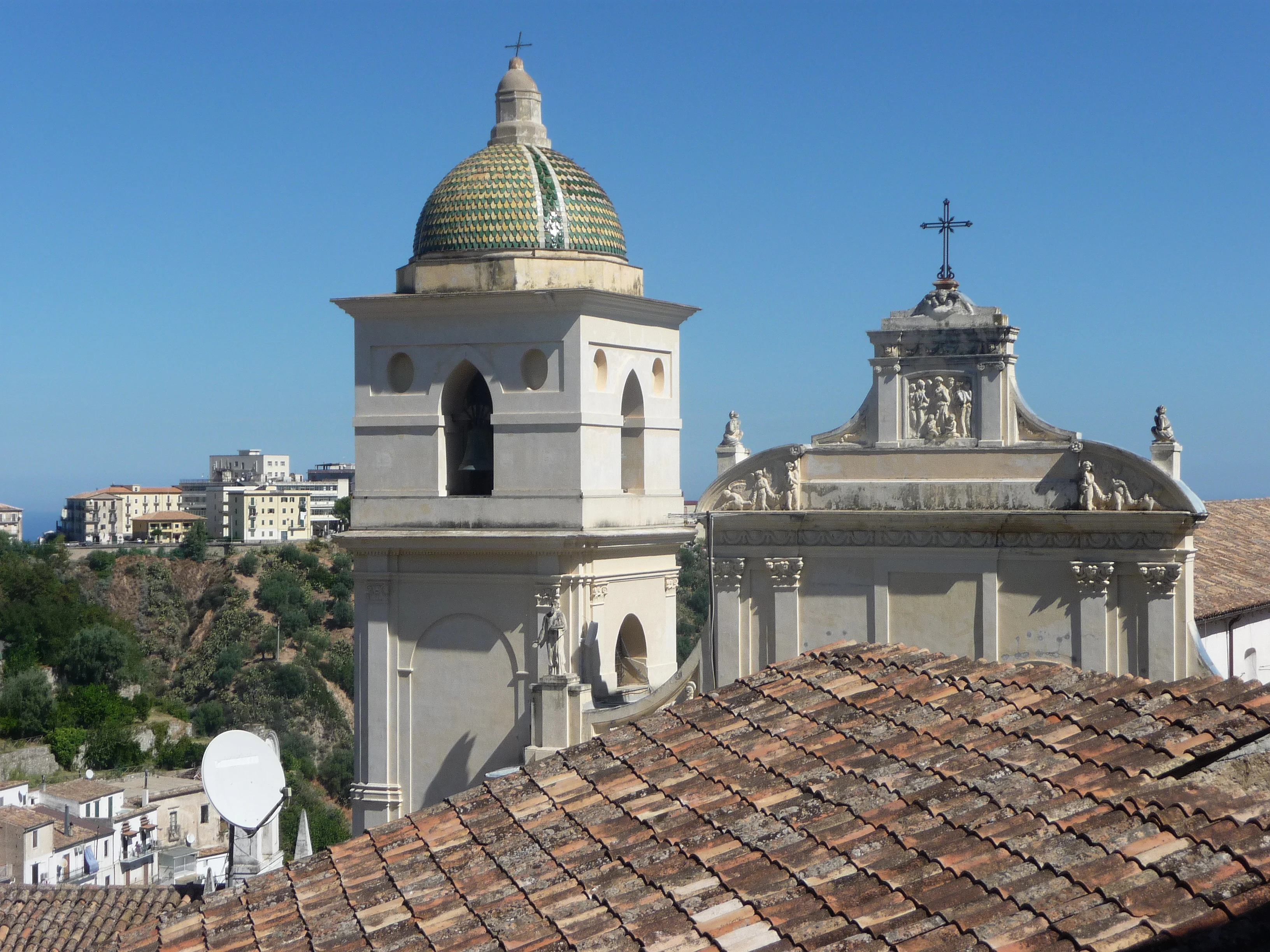
Rossano was once a major Byzantine stronghold in southern Italy, and its centro storico still tells that story. The Cathedral of Maria Santissima Achiropita dominates the main square, housing an icon that local tradition says was painted without human hands, which is how it got its name.
Nearby, the tiny Church of the Panaghia, topped with classic round Byzantine domes, stands as one of the oldest surviving religious buildings in Calabria. You only need a few minutes to walk through it, but its silent stone interior is worth the detour.
The Museo Diocesano holds the town's greatest treasure: the Codex Purpureus Rossanensis, a sixth-century Gospel book illuminated on purple parchment and inscribed on the UNESCO Memory of the World Register. Few Italian visitors know about this manuscript, making it an especially striking find.
Friendly tip: Visit the centro storico early in the morning before the shops open. The low morning light hitting the ocher facades and the quiet alleys offer the most authentic experience of the town.
The Amarelli licorice empire
The Amarelli family has been making licorice in Rossano since the 18th century, a rare industrial legacy in Calabria. The Museo della Liquirizia Giorgio Amarelli, set inside the still-active family factory, shares this history through vintage machinery, archives, and tastings.
The adjoining shop sells their famous black diamonds along with modern variations flavoured with mint, orange, or fennel. It makes for a souvenir that is much more original than a postcard, and deeply local.
Rossano Scalo and the Ionian coastline
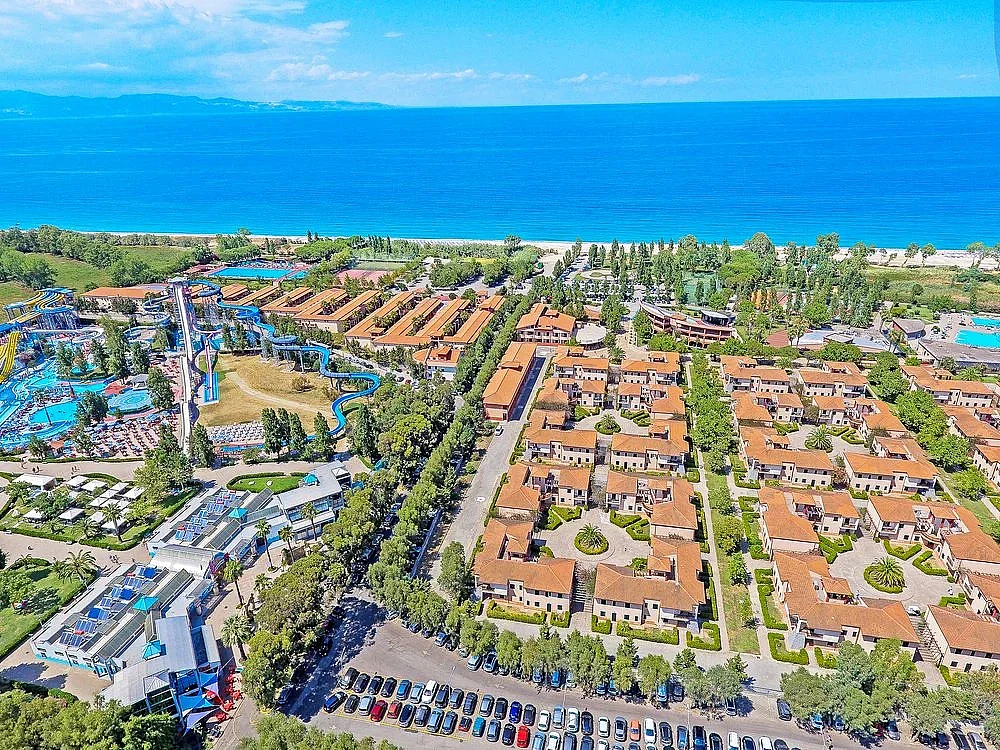
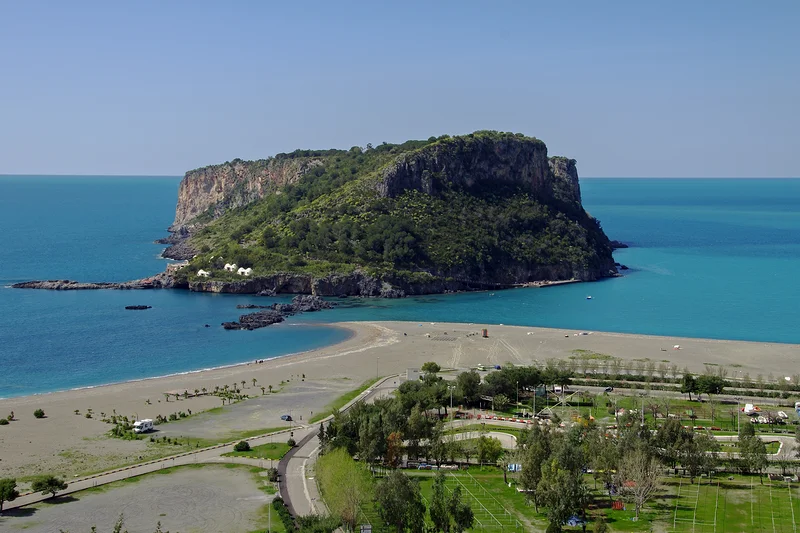
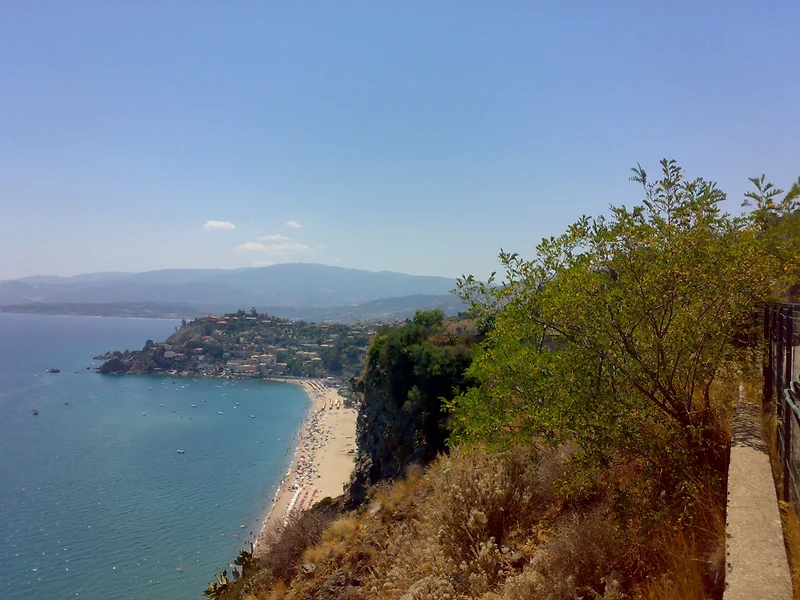
The lower seaside portion of the town offers fine sand beaches like Lido Sant'Angelo, popular with families for its shallow water. The vibe here is much more resort-oriented, featuring beach clubs and seafood restaurants that stay open mostly from June to September.
Where to eat and drink in Rossano?
Try the pitta 'mpigliata, a rolled pastry filled with walnuts, raisins, and honey that is typical of Calabria and traditionally served around Christmas. Restaurants in the centro storico also serve fresh pasta paired with seasonal vegetables, while Rossano Scalo focuses on fish caught that very morning.
Do not leave town without trying a dessert or drink featuring Amarelli licorice, a surprisingly versatile ingredient in local pastry-making.
Where to stay in Rossano and the surrounding area?
The centro storico features a few B&Bs set inside older buildings, which are great for atmosphere but can make driving tricky due to the narrow streets. Down in Rossano Scalo and Lido Sant'Angelo, the hotel options are more standard and closer to the beaches, making them practical for a seaside vacation.
How to get to Rossano?
The closest airport is in Crotone, about an hour away by drive, which handles a few direct flights from northern Italy and select European cities depending on the season. The airport in Lamezia Terme, which is busier and better connected to the rest of Europe, sits about 1 hour and 45 minutes away by drive.
The Ionian railway line connects Rossano Scalo to major Calabrian cities, but connections from abroad remain time-consuming. Renting a car remains the most flexible option for exploring the region.
How to get around Rossano?
The historic center is strictly for pedestrians since its narrow streets are impassable for cars. To reach the coast or neighboring villages, a car is essential because local buses run infrequently and mostly serve school and commuter routes.
When to go?
Spring (April and May) and early autumn (September and October) offer the best conditions: comfortable warmth, a sea that is still warm enough for swimming in September, and manageable crowds. Avoid the month of August, when the heat becomes stifling and the coastal beaches fill up with vacationing Italians.