
Visiting Staletti: Turquoise Waters and Forgotten Ruins in Calabria
You have likely dreamed of an Italian coastal escape where the Ionian Sea rivals the Caribbean, minus the crowds of Tropea or the intense pace of the Amalfi Coast. Perched on a cliff overlooking the Gulf of Squillace, this small village in the province of Catanzaro maintains a quiet, unassuming profile. You will not find selfie sticks or long lines here.
The scent of sea salt blends with fresh basil drifting from balconies, while ancient stone walls whisper stories of the past. Between afternoon rests in the shade of centuries-old olive groves, you will find beaches that outshine travel magazines and church ruins that have withstood centuries of earthquakes and neglect.
Who is this destination for?
If you are after nightlife and high-end boutiques, skip Staletti. However, if you love the idea of morning dips in crystal-clear water, afternoon explorations of Byzantine ruins, and homemade pasta at night, you are in the right spot.
This destination speaks to travelers who want an authentic taste of Calabria and appreciate the slow pace of southern Italian village life. Families will find kid-friendly shores, couples looking for a romantic escape will enjoy the intimate setting, and history buffs will have plenty to uncover.
Moderate budget needed: expect to spend $79-$113* per day for two people, covering lodging and meals. A rental car is strongly recommended for exploring the surrounding area, though a few coastal paths allow you to reach certain beaches on foot.
The hidden gem: Caminia Beach and its emerald waters
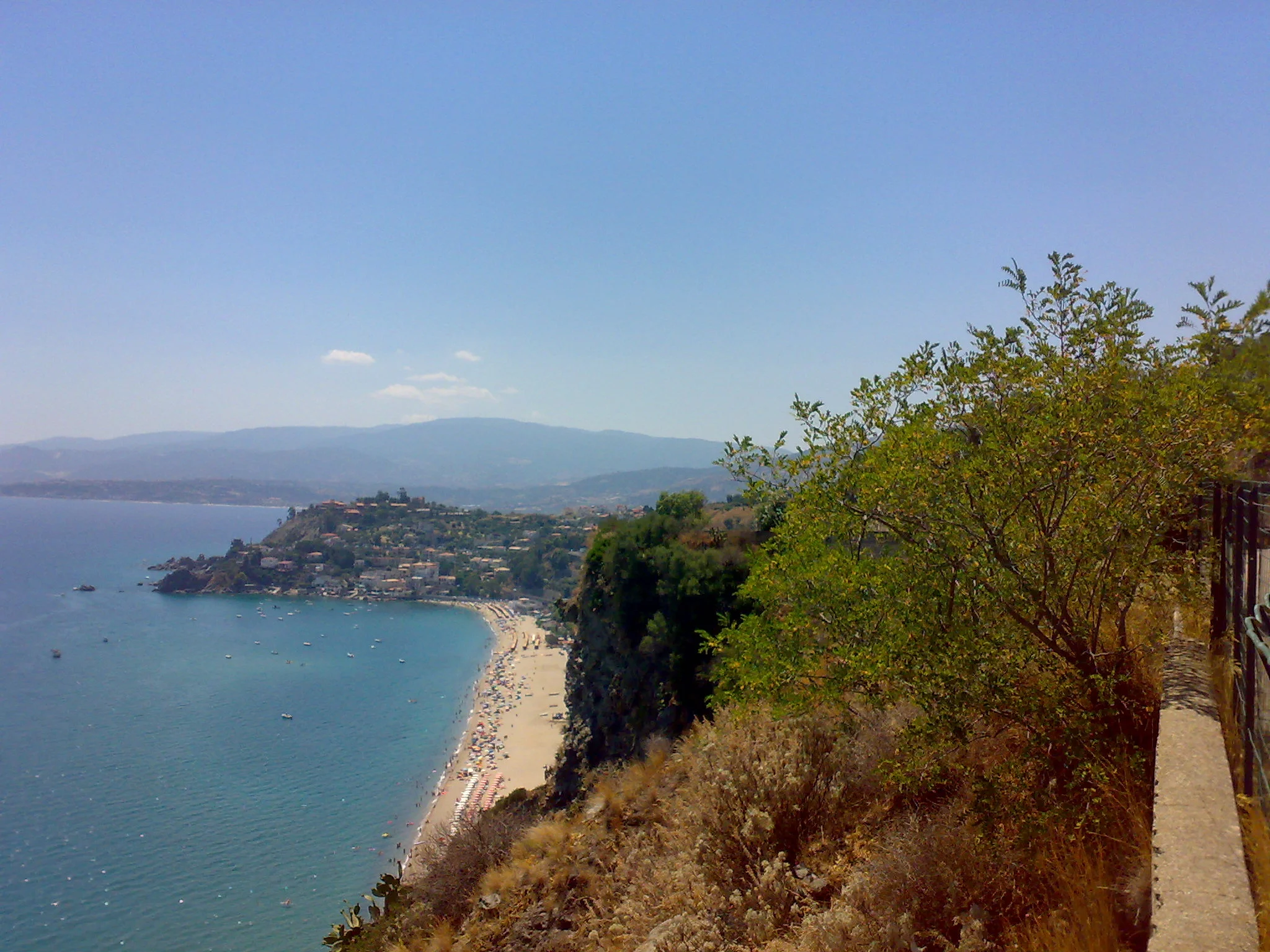
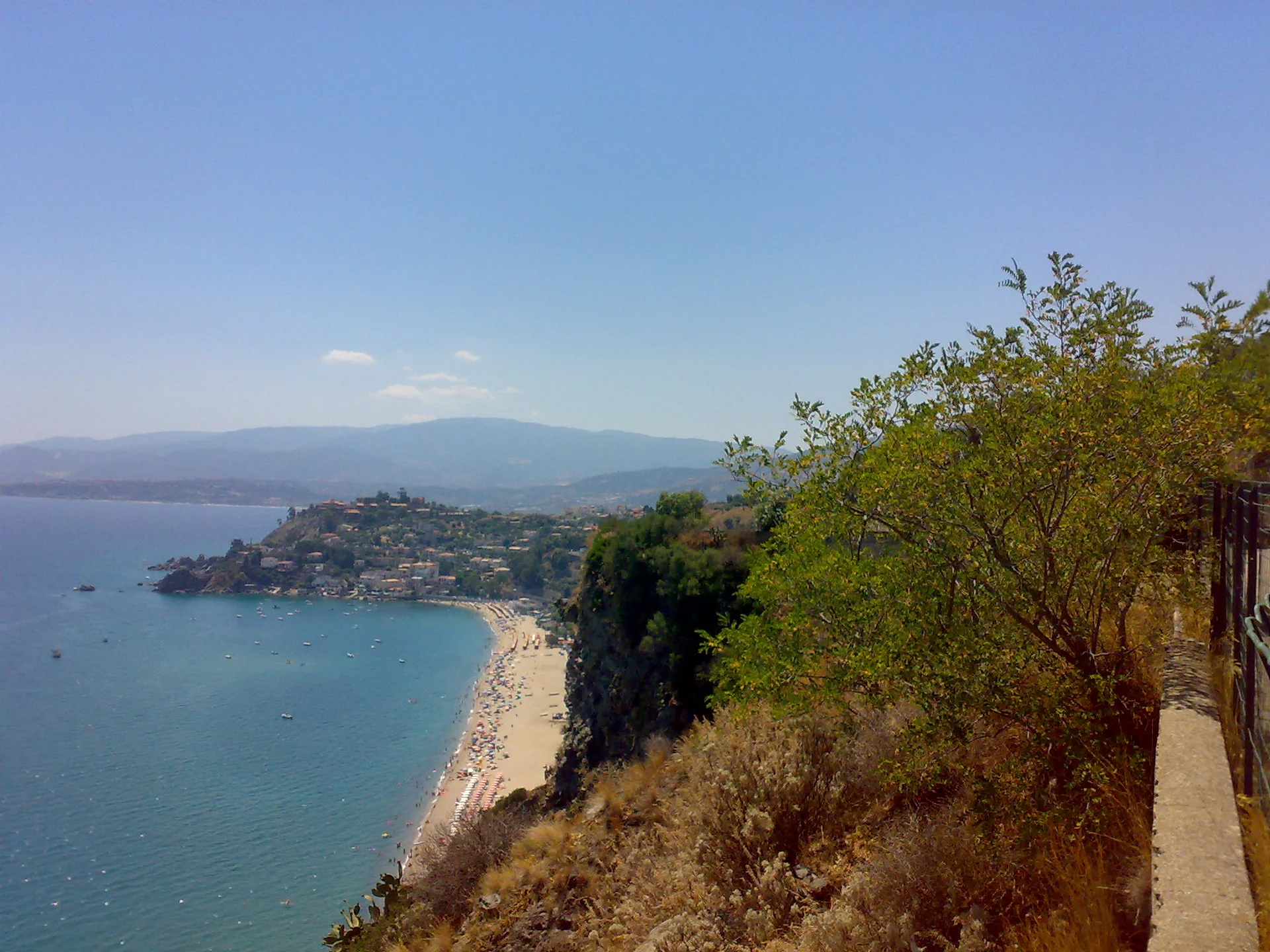
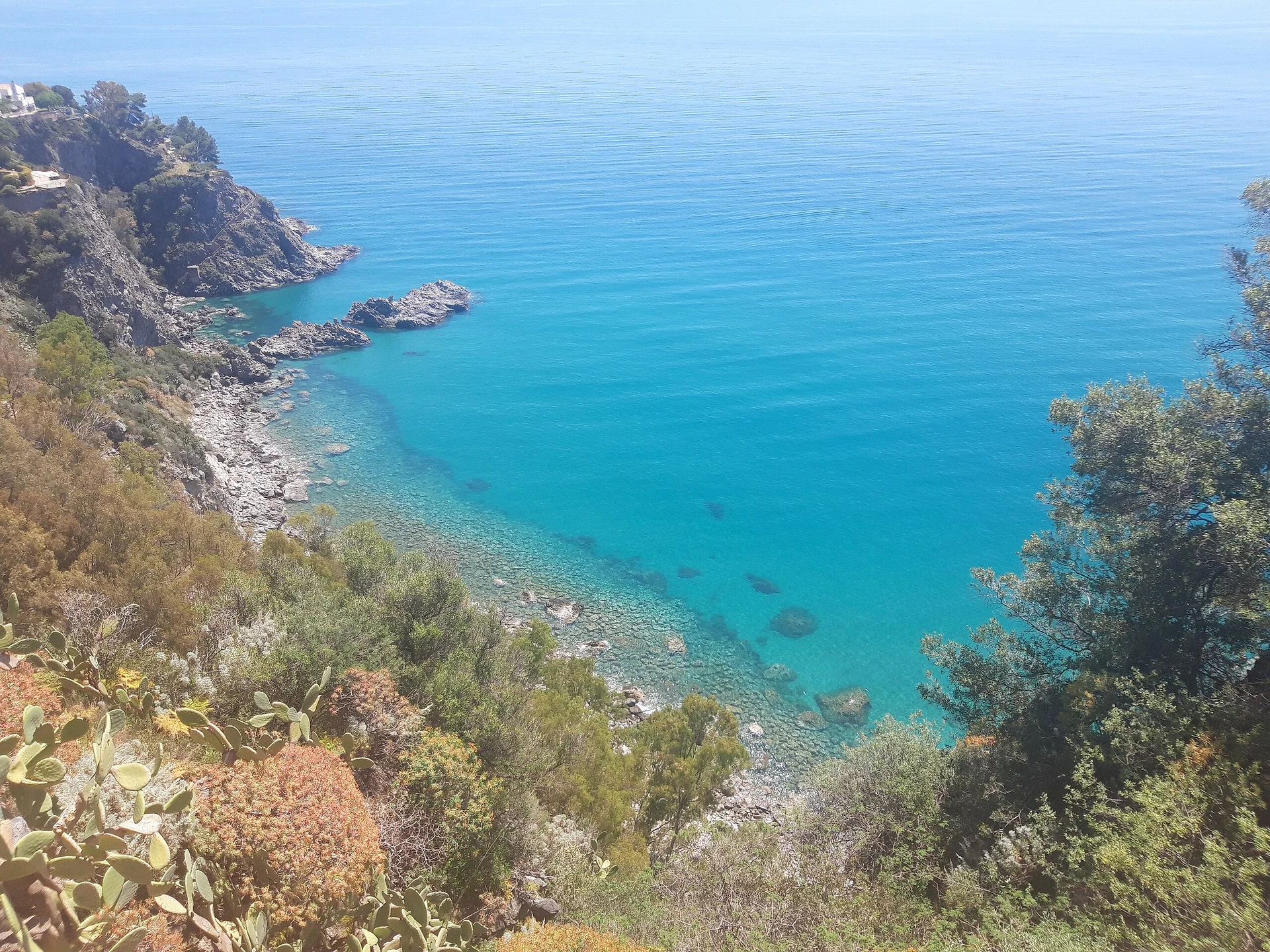
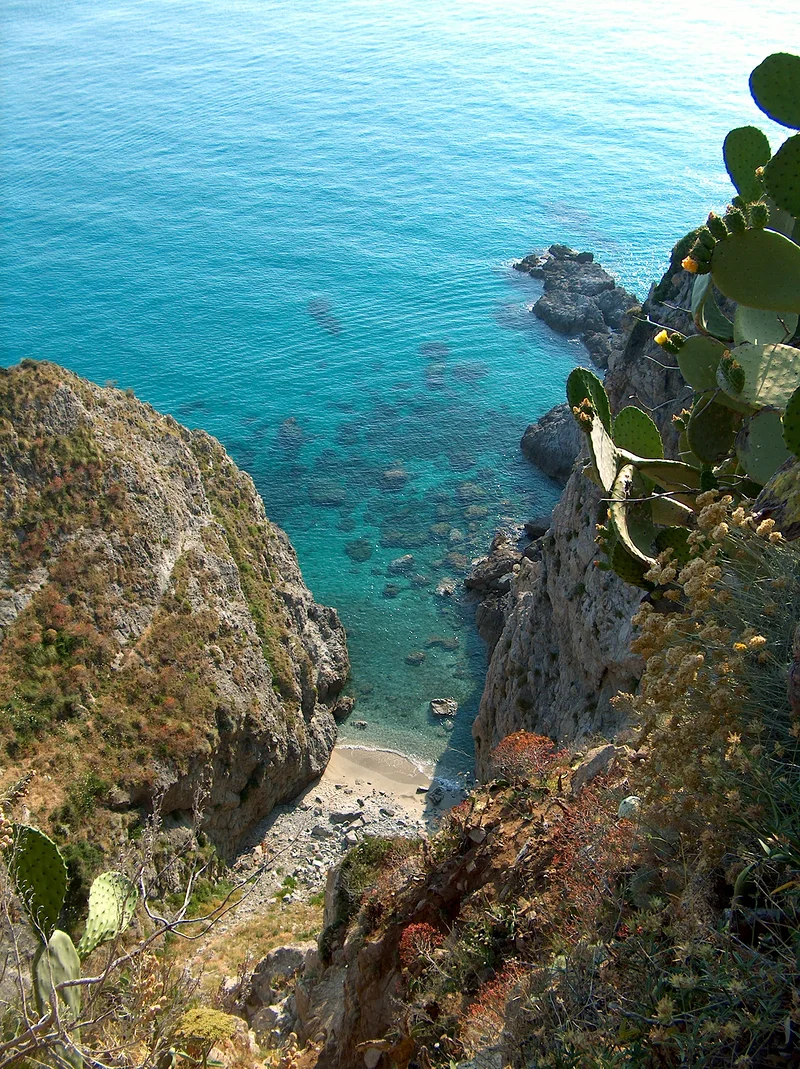
Just a ten-minute drive from the village, Caminia Beach is worth the trip. Tucked between two sheer cliffs like a well-kept secret, this stretch of golden sand opens onto water whose turquoise shades defy description. Locals claim it is one of the finest beaches in Calabria, and for once, that is not an exaggeration.
The water stays shallow for quite a distance, making it ideal for swimming and snorkeling. Bring a mask because the rocky sea floor teems with colorful marine life. The beach splits between open public sand and managed beach clubs with lounge chairs, giving you a choice between a rustic day and full comfort.
If you are up for a workout, take the coastal trail from the village. It is a forty-minute hike through Mediterranean brush filled with prickly pear cacti and mastic trees, rewarding your effort with sweeping views.
Friendly tip: arrive before 9:30 AM in July and August to secure a parking spot. After that, Italian summer parking chaos takes over, with cars wedged into every possible inch. Otherwise, walk down from the village at dawn when the light is at its best.
San Gregorio Cave
At the far end of the beach near the rocky promontory known as Torrazzo, two openings in the cliff mark the entrance to the San Gregorio Cave. Local tradition holds that the relics of Saint Gregory the Thaumaturge were hidden here. On calm days, you can swim inside with a snorkel, but watch out for currents. The cliffs also provide nesting cavities for terns and peregrine falcons.
Strolling through the village and heritage sites
You can walk through the historic center in about an hour. The key here is slowing down: grab a seat at a café to watch neighborhood life unfold, follow the cobblestone lanes climbing the ridge, and catch the aroma of espresso drifting from tiny bars.
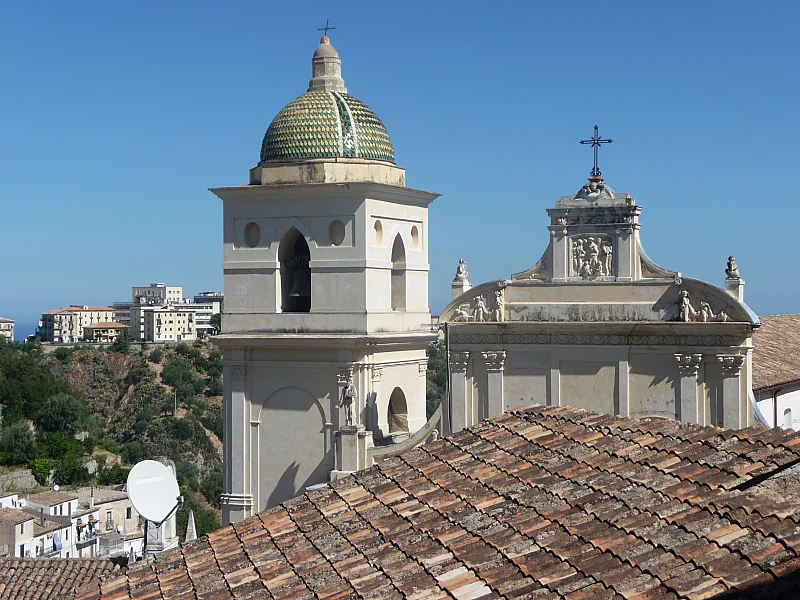
On the main square, the ruins of the Chiesa Madre tell a story of architectural survival. Only the entryway arch still stands, defying the earthquakes that have rattled the region. The weathered stones date back to when this spot was the beating heart of the village. Nearby, the Byzantine church of Panaja stands out with its stout silhouette, a hallmark of the Eastern architectural influence in Calabria.
Religious heritage around Copanello
On the road toward Caminia, stop by the ruins of the church of San Martino di Copanello. These collapsed, ivy-covered walls carry a melancholy charm. In better condition, the Convento di San Gregorio Taumaturgo is worth a visit for its preserved architecture and panoramic view of the Ionian Sea.
Friendly tip: archaeology enthusiasts can search for the remains of the villa of Cassiodorus, a famous Roman statesman who lived here in the sixth century. The traces are faint, but the site offers a great excuse for a hike in the hills.
Other nearby beaches to explore
Pietragrande Beach, a twenty-minute walk from Caminia, draws windsurfers with its steady breeze. Its silvery sand contrasts with the turquoise Ionian water. Less crowded than its neighbor, it offers a wilder setting with a few beach establishments if you want a bit of shade and service.
Across the peninsula on the Tyrrhenian coast, Pizzo Beach is worth the drive if you have a car. Allow forty-five minutes to reach this livelier coastal town, famous for its tartufo, a chocolate and hazelnut gelato bomb that conquered all of Italy.
Where to eat and drink in Staletti?
The culinary scene is modest but genuine. Family-run trattorias serve straightforward Calabrian comfort food: fresh pasta tossed with 'nduja (the spicy, spreadable pork sausage the region is known for), grilled swordfish caught that morning in the Ionian Sea, and melanzane alla parmigiana that puts frozen supermarket versions to shame.
At Caminia, the Blanca Cruz restaurant sits right on the sand and serves freshly caught seafood. Chef Massimo keeps local ingredients front and center. Do not miss the pesce spada alla ghiotta, swordfish braised with tomatoes, capers, and olives. For a granita that rivals anything in Sicily, climb up to Bar Jolly in the upper village. Walk through the dark entryway to the back terrace, and the view will make the climb worthwhile.
If you find yourself in Catanzaro, try the morzello, a veal offal stew simmered with tomatoes and hot peppers, traditionally served inside a round, flat pitta bread. It looks humble, but it is the culinary soul of the province.
Where to stay in Staletti and surroundings?
Lodging options in the village proper are limited to a few family-run bed and breakfasts. Rates run between $57 and $90* a night for a double room in high season. For more choices, look toward Copanello, a five-minute drive away, which offers sea-view villas and vacation rentals.
If you prefer standard hotel amenities, check out Soverato fifteen minutes south or Catanzaro Lido twenty minutes north, both beach towns with stronger tourist infrastructure. The upside is having more restaurants and services nearby. The downside is losing the intimate feel of a Calabrian hill town.
For an immersive stay, look into an agriturismo in the countryside. These rural farm stays offer rustic rooms, home-cooked meals made with ingredients grown on-site, and a direct window into traditional Calabrian farm life. Expect to pay $68-$102* for two people with half-board included.
How to get to and around Staletti?
The closest airport is in Lamezia Terme, a forty-five-minute drive via the SP87. Several low-cost airlines fly here from major European hubs. Car rental is essential because public transit in this part of Calabria is more of a suggestion than a reliable service.
From Catanzaro, the provincial capital, allow thirty minutes via the SS106. This coastal highway offers dramatic views of the Ionian Sea, though it has plenty of twists and turns. By train, head to the Catanzaro Lido or Montepaone-Montauro station, then catch a taxi (roughly $17-$23*) or pick up a rental car.
Once you arrive, you can cover the village entirely on foot. However, reaching the beaches and scattered historical sites requires a car. Keep some cash handy for beach parking lots during the summer months.
When to go?
The ideal window runs from May to September, with peak crowds in July and August when Italian families head to the coast. To enjoy calm waters and warm weather without the rush, target June or September. You will find comfortable temperatures hovering around 77-82°F, fewer people on the beaches, and lower room rates.
During the winter, the village essentially hibernates. Most restaurants and hotels close down, turning the area into a quiet ghost town. If you want raw authenticity and do not care about swimming, this season offers a poetic, moody glimpse of rural Calabria. Avoid November and February, however, which are the rainiest months of the year.
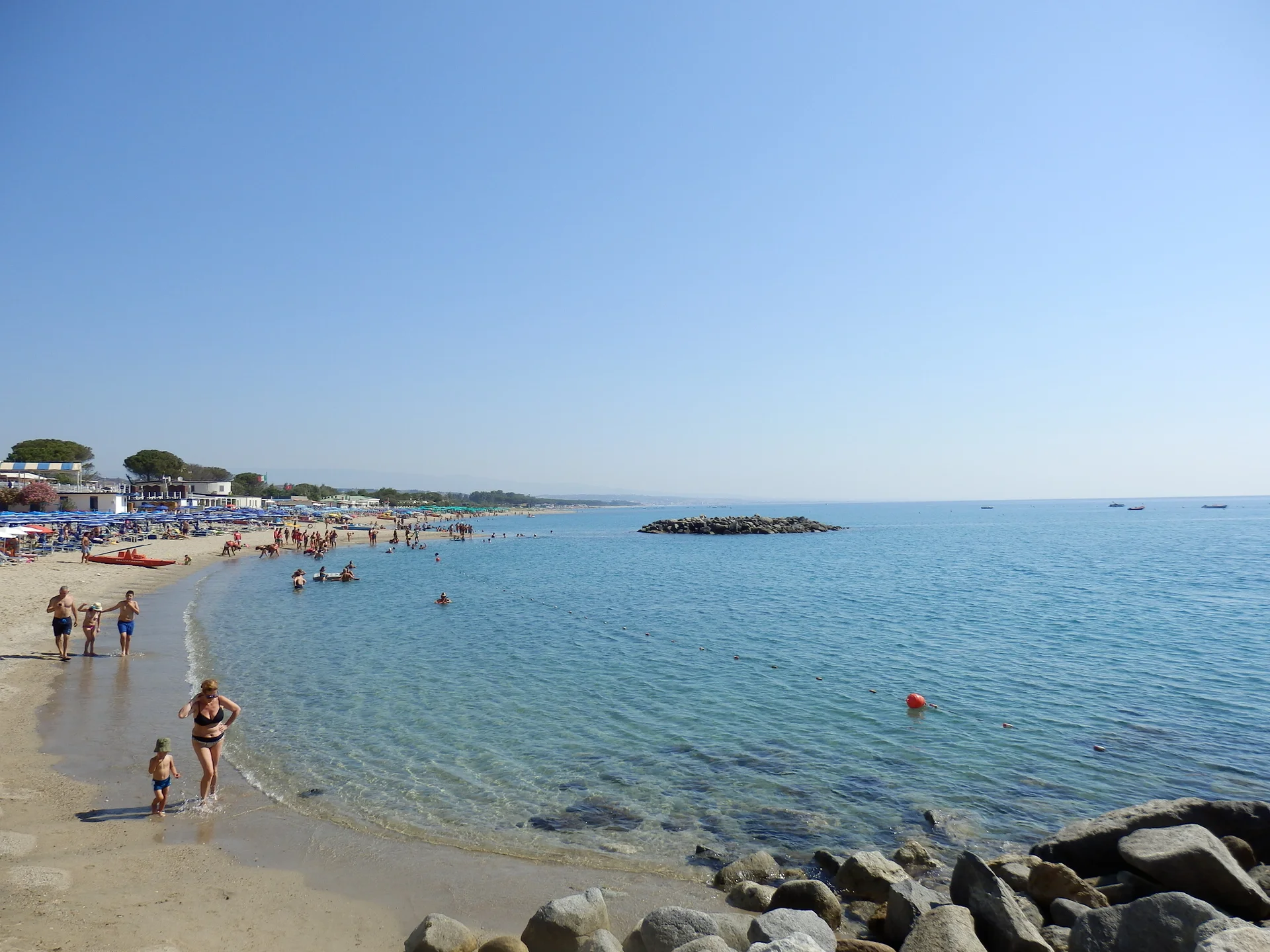
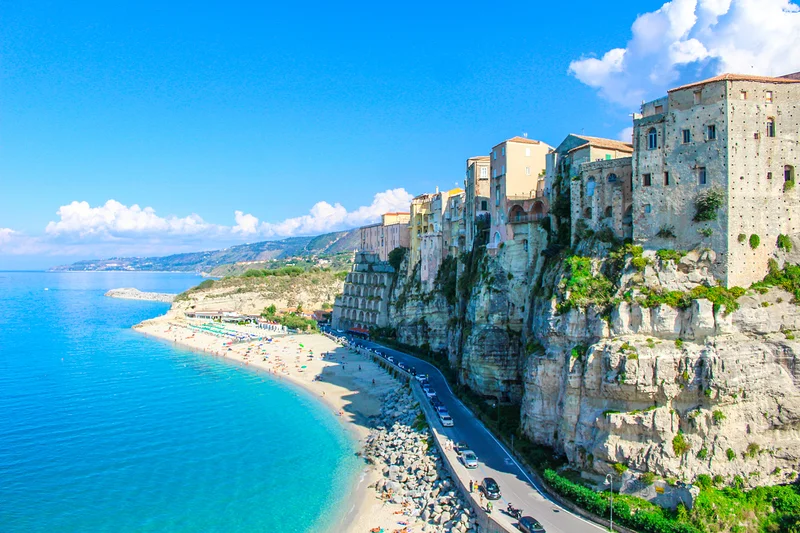
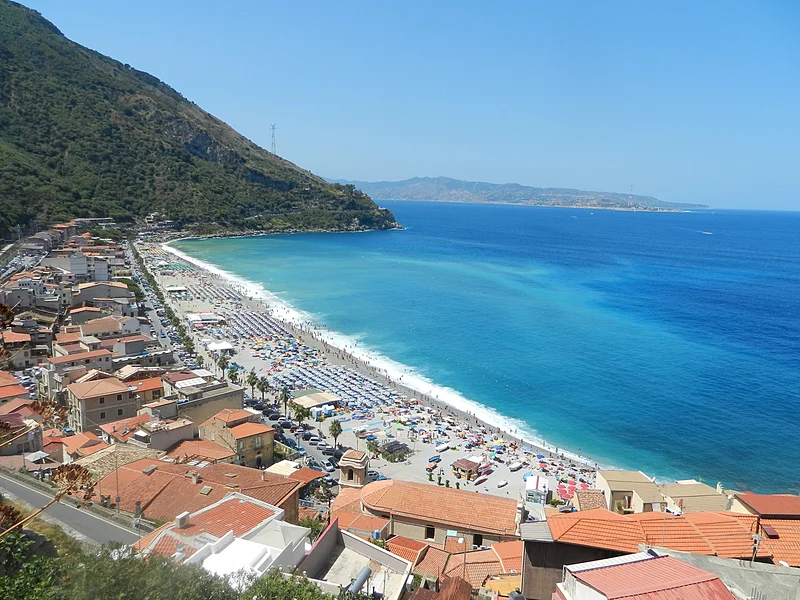
A place that could have quite a bit of charm if it weren't for all the people crammed onto the long sandy beaches.
Too bad.