Visiting Scilla, the jewel where legend still lingers
It is not just the sound of waves hitting the massive rock that dominates the sea. Arriving in Scilla, on this Calabrian coast facing Sicily, you find yourself leaning in, trying to distinguish the cry of the mythological monster that gave the town its name amidst the surf. Here, more than anywhere else in Italy, the legend is palpable, etched into the stone and the deep blue of the Tyrrhenian Sea.
Scilla: a postcard for your poetic soul?
Scilla is a destination for poetic souls and lovers of authentic Italy, the kind that moves to the rhythm of returning fishermen. It is a place for those who appreciate steep villages where every hidden staircase leads to a view that defies description. It is a playground for photographers and romantics.
On the other hand, if you are looking for large hotel complexes, high-octane nightlife, or beaches with easy drive-up access, you might be disappointed.
The geography of the area, which is entirely vertical, makes it difficult for those with limited mobility. And in the heat of summer, finding a parking spot is a genuine feat. That is the price to pay for a location that has managed to preserve its unique character.
Chianalea, the little Venice of the South
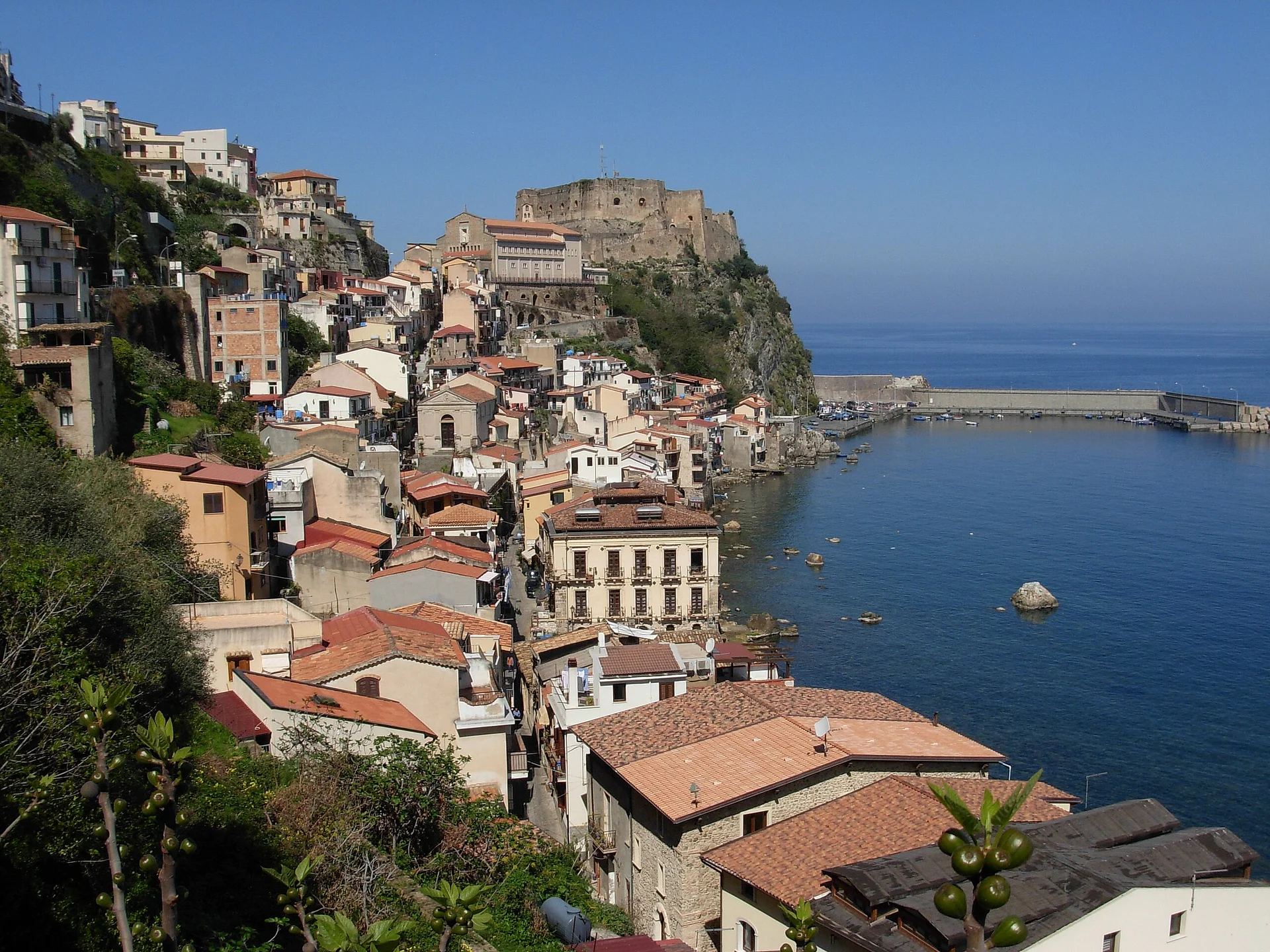
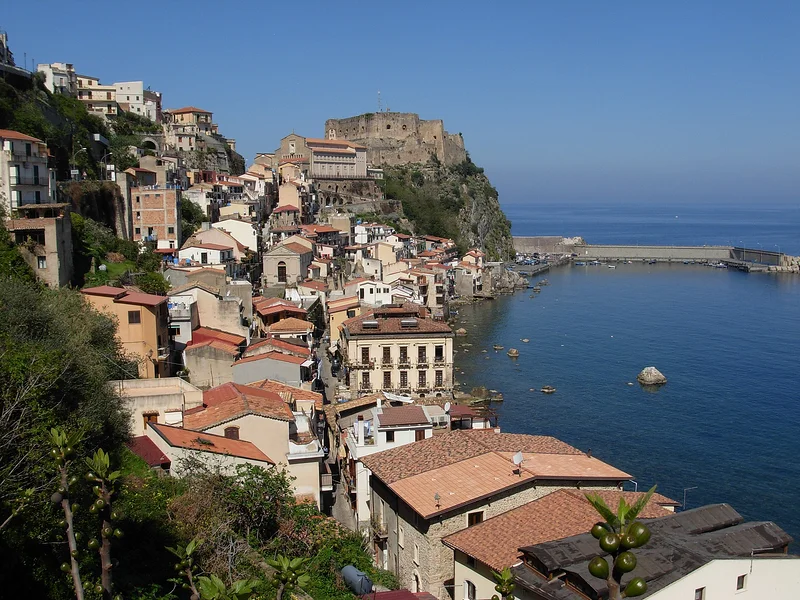
The beating heart and soul of Scilla are found here, in this fishing district of surreal beauty. In Chianalea, there are no sidewalks, just a narrow alley squeezed between the houses and the sea. Here, the homes do not face the sea, they literally plunge into it, their foundations built right into the rock, licked by the waves.
You wander to the sound of lapping water, passing colorful fishing boats pulled up before doorways and nets drying in the sun. The atmosphere is timeless, a complete immersion into a maritime and ancestral Italy.
Insider tip: book a table for dinner at one of the restaurants in Chianalea. Many have "palafitte", small wooden terraces built on stilts over the water. Enjoying a fresh swordfish dish with the sea beneath your feet is an unforgettable experience.
Marina Grande, the beach at the foot of the rock
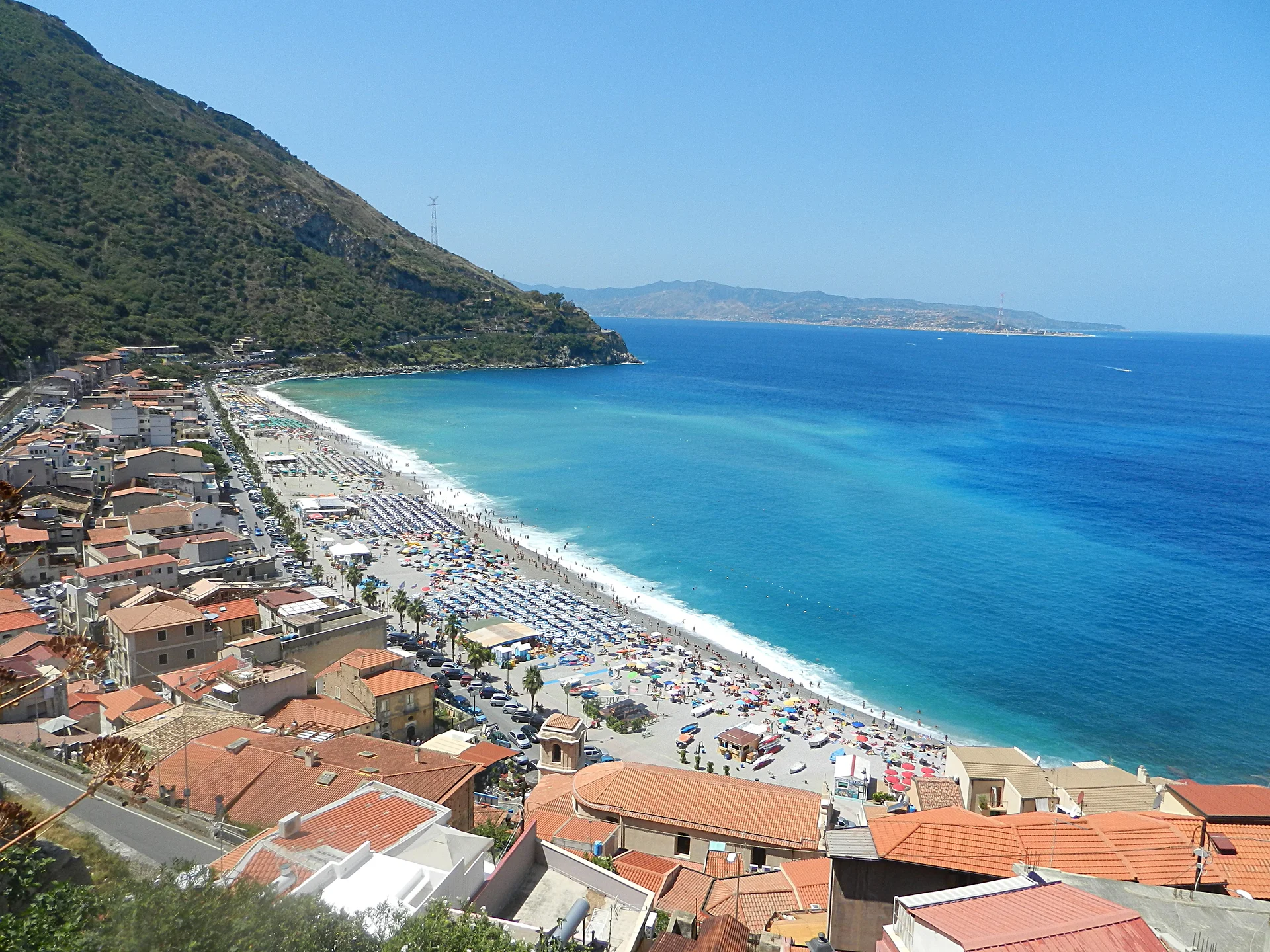
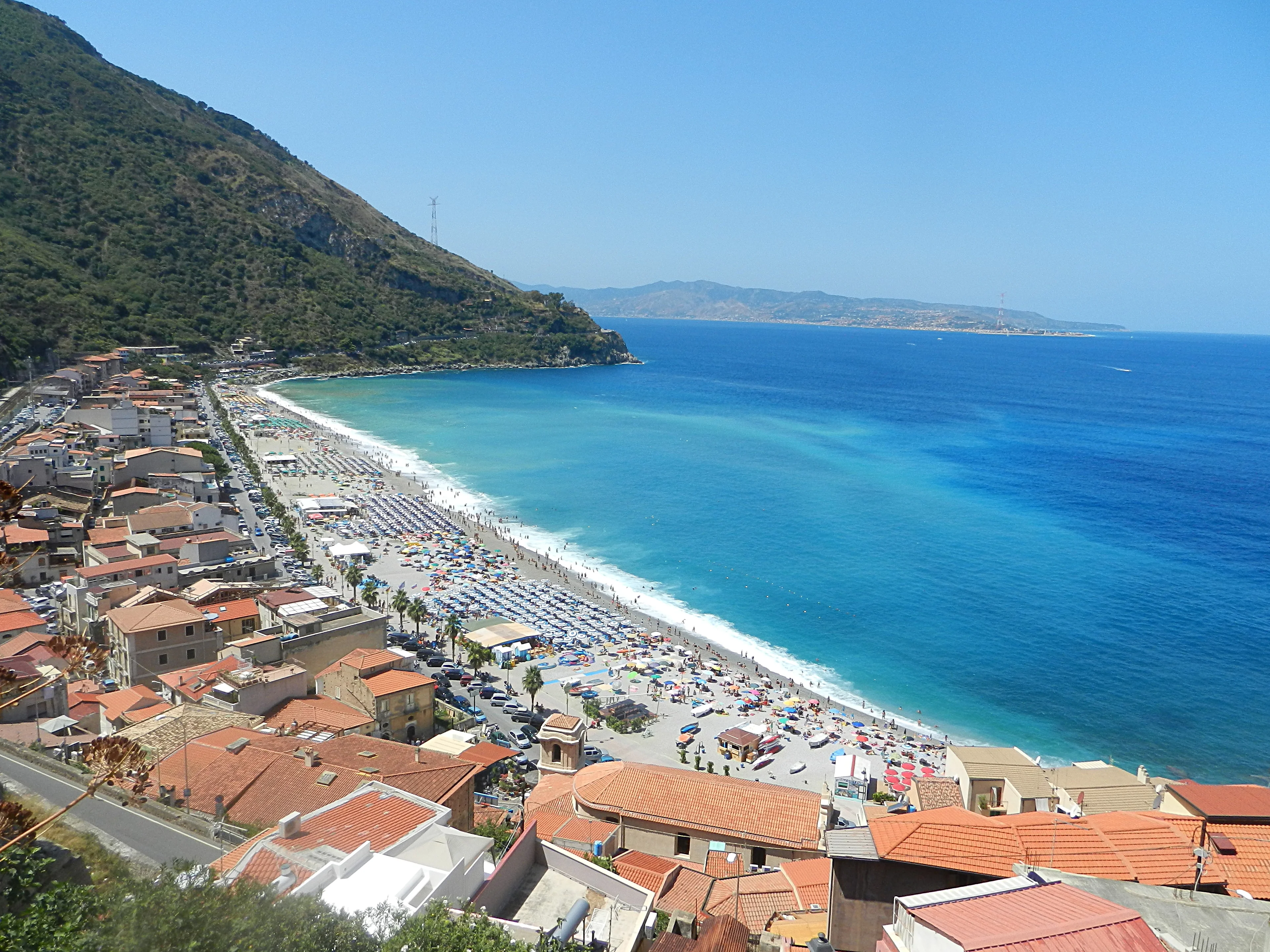
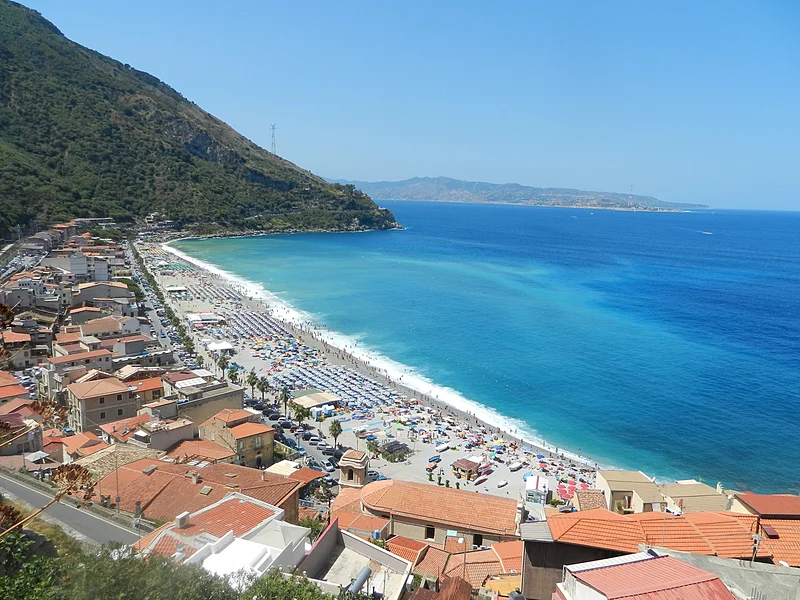
On the other side of the rocky promontory, a completely different side of Scilla unfolds: Marina Grande. This is the village beach, a long and beautiful stretch of sand and pebbles where locals and visitors come to soak up the sun and enjoy the crystal-clear water. In summer, it comes alive with lidos offering lounge chairs and umbrellas.
The view from the beach is spectacular, dominated by the imposing silhouette of the castle that seems to watch over the swimmers. For a scenic walk, head along the beach to the rocky headland of Punta Paci, a favorite vantage point for watching the sunset.
Castello Ruffo and the San Giorgio district
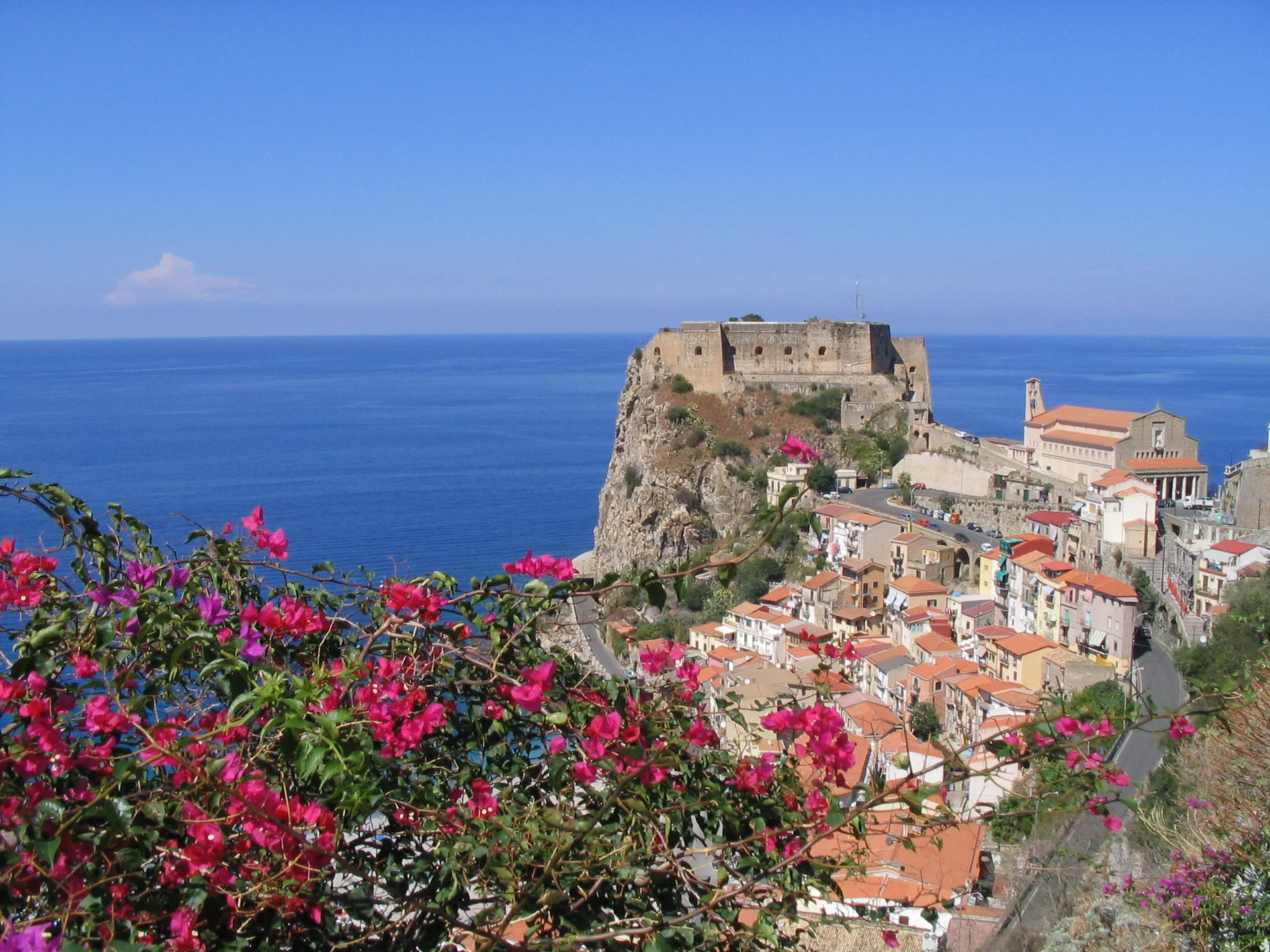
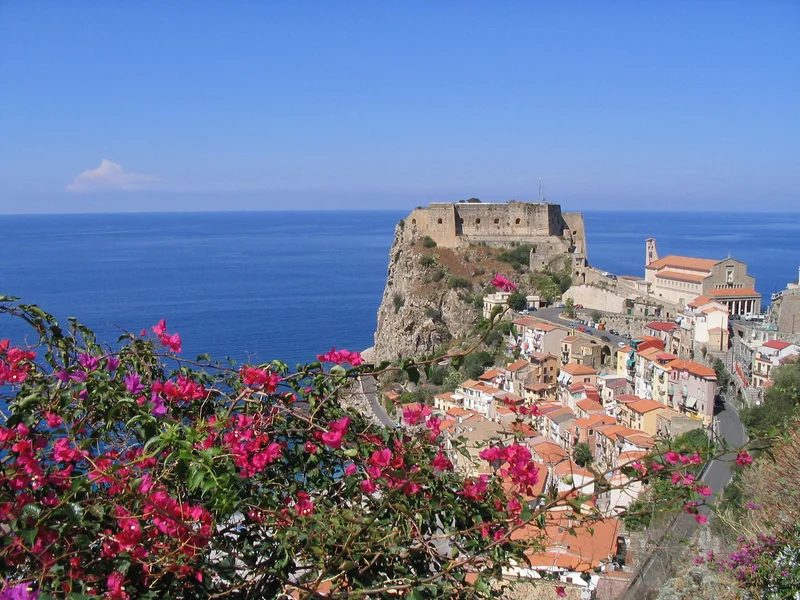
The absolute landmark of Scilla is the Castello Ruffo, perched on its rocky spur that separates Chianalea from Marina Grande. Ancient in origin, it has been modified countless times over the centuries. A visit is worth it as much for the history of the site as for the exceptional panorama it offers over the Strait of Messina and the Sicilian coast.
Just behind the castle lies the residential district of San Giorgio. You will find the main square with the church dedicated to the village's patron saint, the Chiesa di San Rocco, as well as other religious buildings like the Chiesa dello Spirito Santo, which has survived several earthquakes.
Insider tip: head up to the viewpoint at Piazza San Rocco at the very end of the day. On a clear day, you will witness a magical scene: the sun setting behind the Aeolian Islands, with the smoking silhouette of Stromboli outlined on the horizon.
In the wake of the myth of Ulysses
You cannot visit Scilla without mentioning the legend that made it famous. It was Homer, in his Odyssey, who immortalized this terrifying passage. On one side of the strait, the sea monster Scylla (the rock of Scilla), with its six heads, devoured sailors; on the other, the whirlpool Charybdis (on the Sicilian side) swallowed entire ships.
The dilemma of Ulysses, forced to choose between two deadly perils, gave birth to the expression "between Scylla and Charybdis." Walking here is walking in the footsteps of one of the greatest epics in mythology.
Where to eat and drink in Scilla?
The undisputed star of local gastronomy is pesce spada, or swordfish. It is caught using traditional methods in the Strait of Messina aboard special boats called "passerelle." You will find it on every menu, simply grilled, in involtini (rolls), or in a pasta dish. Pair it with a dry white wine from Calabria.
Where to stay in and around Scilla?
For a romantic and unique experience, look for a B&B or a small rental in the Chianalea district to fall asleep to the sound of the waves. For direct access to the beach, the Marina Grande area is ideal. Finally, for more quiet and stunning views, accommodations in the high district of San Giorgio are an excellent option.
How to get to and around Scilla?
The nearest airport is in Reggio di Calabria, about twenty kilometers away. Another option is the Lamezia Terme airport, which is larger but located about a hundred kilometers away. Scilla has a well-connected train station, making it a convenient option. If you are arriving by car, be prepared to leave it in a parking lot (often paid) at the entrance to town, as the center and Chianalea are meant to be explored exclusively on foot.