Visiting Castrovillari
Nestled in the region of Calabria, Castrovillari is well worth a stop on any Italian itinerary. This town packs a punch with a rich cultural heritage, distinctive architecture, and sweeping viewpoints, while the surrounding countryside offers incredible outdoor trails.
Monuments to Explore
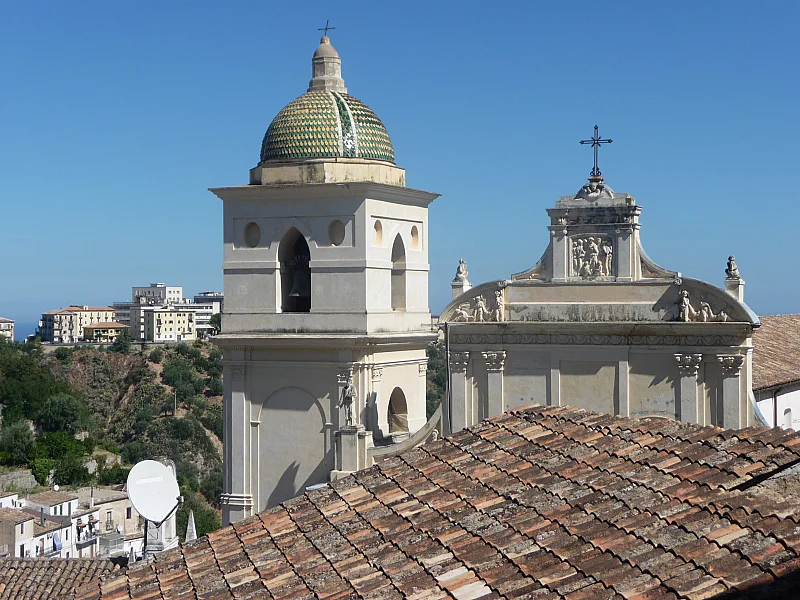
The first thing that stands out in Castrovillari is its proud Aragonese castle rising right in the center. Built in 1490, the fortress features square battlements that anchor the town's character. Cross the moat via the drawbridge and you will find an Aragonese-era relief right at the entrance. If you like local history, check out the municipal museum in Castrovillari, which houses archaeological finds from the Paleolithic era through the Middle Ages. The town also holds several notable churches. The church of San Giuliano, originally built in 1090 and rebuilt in 1789 after a fire, draws art lovers with its 16th-century portal and a carved Christ on the cross. The Franciscan monastery, founded in 1220 by a follower of Saint Francis of Assisi, is equally worth a look for its intricate marble doorway.
Rich Nature to Discover
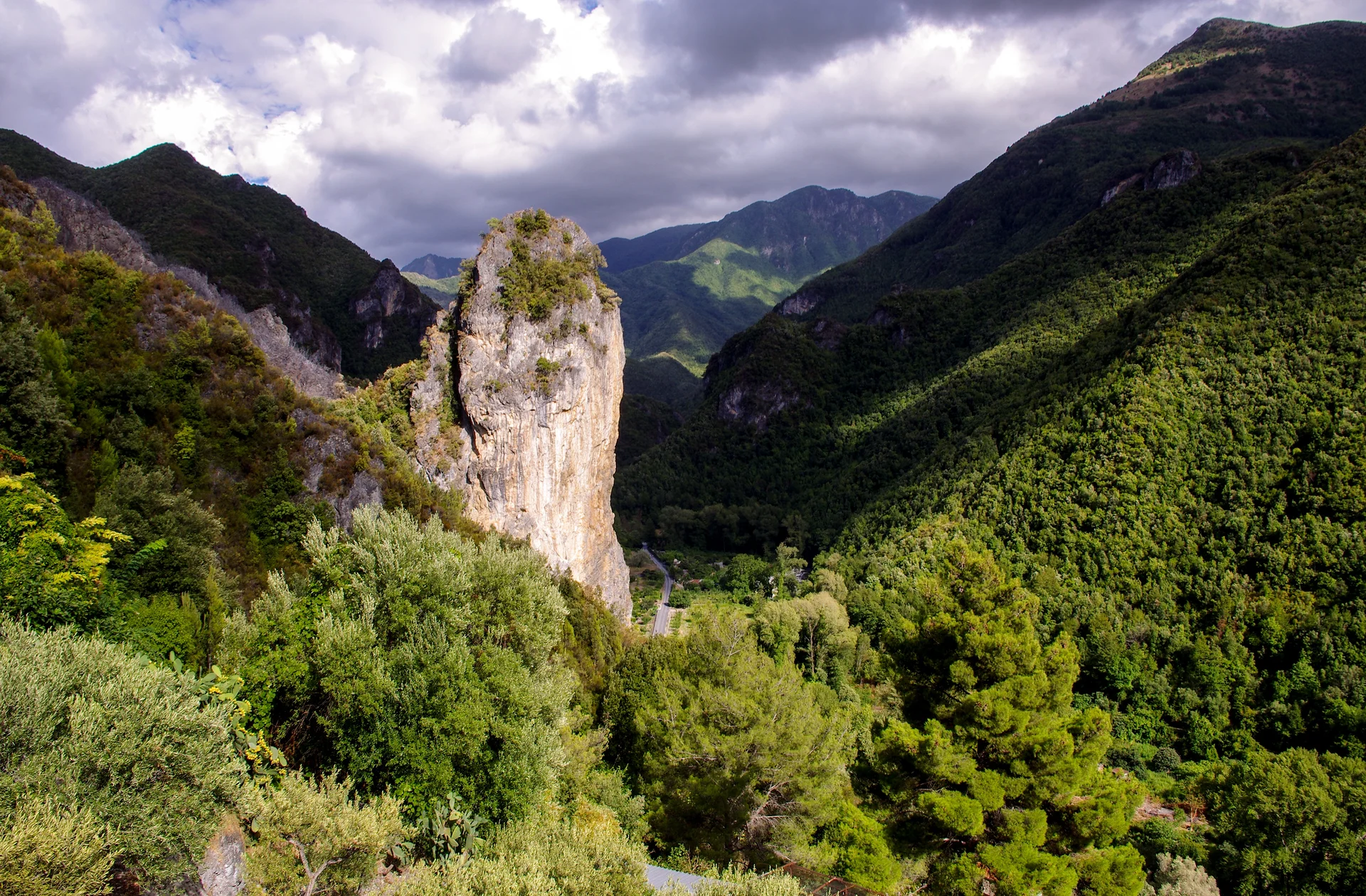
Castrovillari sits right at the edge of the Pollino National Park, making it an ideal base camp for hikers and nature lovers. Spanning 2,000 square kilometers across mountains, gorges, ravines, and forests, it is Italy's largest national park. The Bosnian pine is the area's trademark, as this is one of the last places where the tree grows wild. Mountain biking, rafting, kayaking, hiking, and horseback riding give you plenty of ways to explore the park at your own pace. Keep your eyes peeled and you might spot birds of prey, roe deer, wildcats, or even wolves.
Distinctive Local Flavors
Take time to explore local traditions and craftsmanship. Wander the narrow streets of Castrovillari to watch woodworkers, blacksmiths, and shoemakers at work. The regional cuisine brings plenty of highlights to the table, and most dishes are finished with a robust, highly aromatic local olive oil. Specialties include Frìttuli e Curcùci (fried pork), Lagane e Cicciari (pasta with chickpeas), and soppressata (lean cured sausage). For cheese lovers, scamorza and pecorino stand out. Many desserts trace their roots to Albania, such as kanarikuj (pastry balls soaked in honey) or kasolle megijze (ricotta-filled pastries).
When to Go
The best time to visit Castrovillari is during the warmer months, when you can fully enjoy outdoor walks and the town's relaxed pace. July and August draw more crowds, so spring and autumn offer a quieter experience.
Getting There
Reaching Castrovillari is tricky without a car, though a local bus station does connect the town to the regional network. International travelers typically fly into Naples and rent a car for the 2 hour and 30 minute drive down via the E45.