
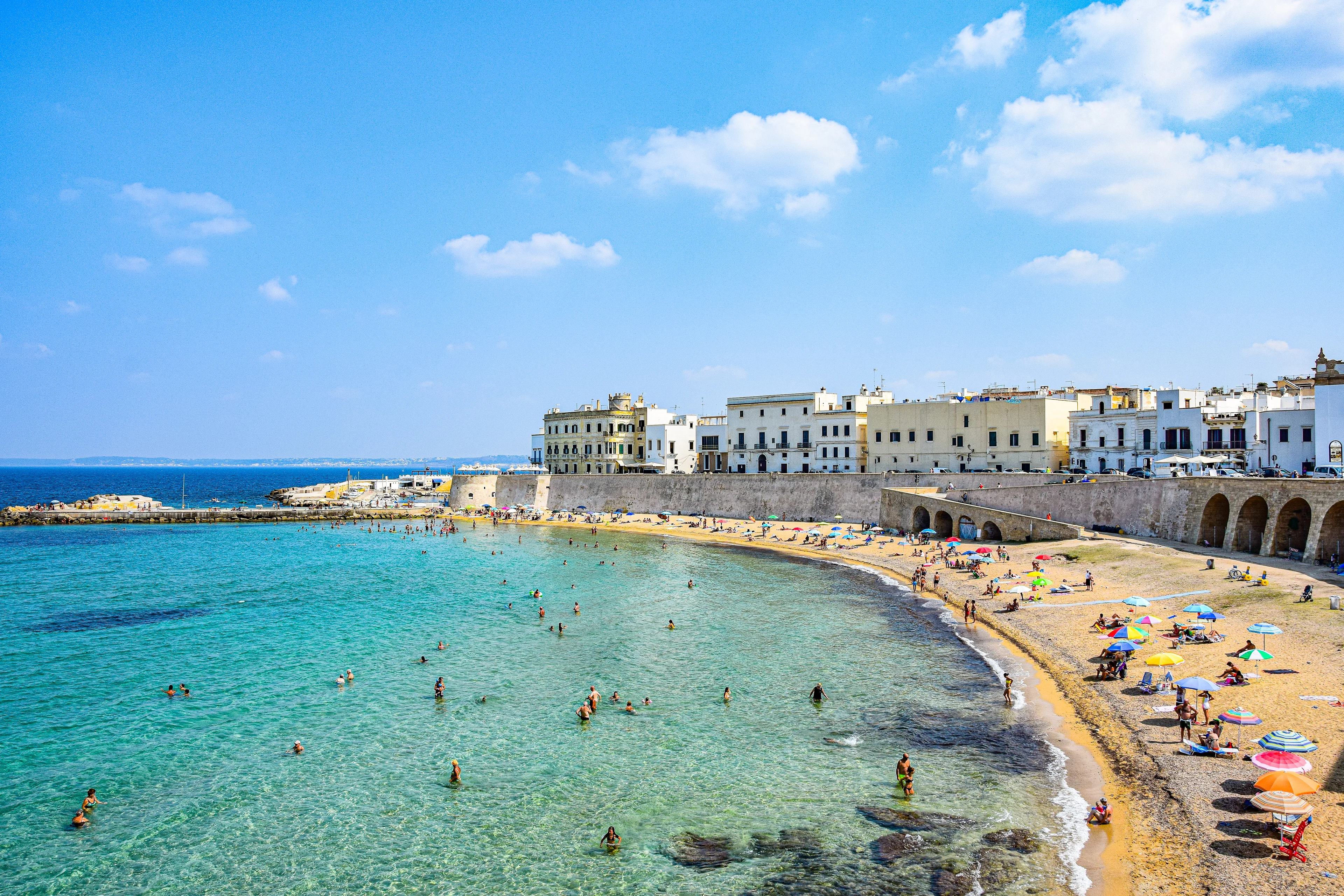
Visiting Gallipoli, the Italian beauty right on the Ionian sea
Picture a whitewashed old town sitting on a small island, connected to the mainland by a single bridge. In the morning, fishermen return to the harbor in azure blue skiffs, in the afternoon, turquoise water calls out from fine sandy coves, and at night, the limestone alleys fill with the scent of grilled fish and laughter echoing between baroque facades. Welcome to the authentic Puglia region, where the air smells of mixed salt and history.
The perfect destination for beach dolce vita lovers
This small town in southern Puglia is geared above all toward travelers looking for a straightforward balance between Mediterranean farniente and cultural discovery. If you love wandering through history-filled alleys in the morning and diving into crystal-clear water in the afternoon, you are in the right place.
During July and August, the crowds arrive, especially on the most famous beaches. The budget stays reasonable compared to more high-end Italian destinations, though you should budget a bit more for waterfront dining. Having a car is practically essential if you want to explore the secret coves and surrounding villages.
If you are looking for wild nightlife or major international museums, you will find better options elsewhere. Here, the pace is quiet and almost unhurried.
La Città, a baroque jewel on its island
Cross the Bridge of Pope John Paul II and you are instantly transported to another era. La Città, the compact old town perched on its rocky outcrop, can be explored on foot in a few hours, though it deserves much more of your time. The bright white houses follow the path of the ancient walls, creating a maze where every alleyway opens onto a small square, a surprise church, or a plunging view of the sea.
Do not miss the Fontana Greca in Piazza Aldo Moro, located in the Il Borgo neighborhood. This fountain reportedly dates back to the 3rd century BCE and is considered the oldest in Italy, featuring a base carved with mythological scenes and the town crest. The Sant'Agata Cathedral impresses with its over-the-top baroque splendor, carved entirely out of carparo, the local honey-colored stone. Inside, the lavish decoration from floor to ceiling leaves you speechless.
Push open the doors of smaller, lesser-known churches as you wander by chance. As for palaces, Palazzo Tafuri and Palazzo Granafei bear witness to the past wealth of local nobility. For the curious, the Museo Civico covers the natural history of the region, while the Museo Diocesano focuses on sacred art.
Friendly tip: visit the old town early in the morning or late in the afternoon during the summer, when the low sun flatters the white facades and the heat lets up. The cobblestone alleys turn into a real movie set.
Beaches and coves: spoiled for choice
Let's be upfront: the beaches are what make Gallipoli's heart beat. Purità (literally the beach of purity) remains the icon, a long stretch of fine sand considered one of the finest in Puglia. The water is unbelievably transparent, ideal for snorkeling near the rocks. Thrill-seekers try out kitesurfing or kayaking here.
Yet there are plenty of other options around town. Baia Verde draws a younger, more party-focused crowd with its beach clubs and music going late into the night. Rivabella, which is more family-friendly, appeals to those seeking quiet. Punta Pizzo, slightly wilder, offers a preserved setting with dunes and a pine forest in the background.
For a true nature escape, plan an excursion to Isola Sant'Andrea. Landing on this nature reserve is banned to protect its seabird colonies, so it is seen from the water, on a boat trip out of the port. The natural heritage is exceptionally rich, featuring limestone cliffs, sea caves, and vibrant marine life.
Friendly tip: rent a scooter or a bicycle to tour the beaches in a single day. You will be able to sniff out your own slice of paradise far from the crowds, especially if you explore the small coves tucked between Punta Pizzo and Santa Maria al Bagno.
Between sea and heritage: the best of both worlds
The small fishing port alone deserves a morning visit. Colorful skiffs bob gently, the fish market is in full swing by dawn, and the atmosphere stays genuine despite the tourism. This is where you will find the freshest catch for your meals.
The Gallipoli Castle, an imposing fortress raised from the 11th century onwards and reworked until the 16th century, is worth visiting for the panoramic view from its ramparts. On one side, the endless Ionian Sea, and on the other, the old town revealing its architectural splendor. The ramparts themselves tell stories of centuries of defense against maritime invasions.
Friendly tip: watching the sunset from the castle ramparts is pure magic. Arrive half an hour early to grab a good spot, and stay afterward to watch the old town gradually light up in the dusk.
Where to eat and drink in Gallipoli?
Local cooking celebrates Ionian seafood with almost religious respect. Polpo alla pignata, octopus stewed in a clay pot with tomatoes and spices, is a must-try found in all the good portside eateries. The frutti di mare are incomparably fresh, often served raw with just a squeeze of lemon.
Do not skip the pasticciotto, a pastry filled with custard that locals devour at breakfast alongside an espresso. For aperitif hour, try Negroamaro, the potent red wine produced in the surrounding vineyards. The old town trattorias often offer great value for money, especially the ones tucked into alleys away from the tourist-heavy waterfront.
Where to sleep in Gallipoli and the surrounding area?
Staying in La Città delivers the most authentic experience: you will wake up to the sound of seagulls and slamming shutters right in the middle of medieval charm. Bed and breakfasts set up in former noble residences offer plenty of character, though you need to book well in advance during peak season.
If you want modern comfort and direct beach access, look toward Baia Verde or Rivabella, where hotels and resort residences are plentiful. For a quiet, authentic stay, masserie, which are fortified farmhouses converted into boutique accommodations, dot the surrounding countryside just 10 to 15 minutes away by car. You get a rustic setting with a swimming pool and often a fantastic restaurant.
How to get to and around Gallipoli?
The closest airport is Brindisi, about 80 kilometers to the north, with direct flights from several European cities. Count on a one-hour drive in a rental car, which is the most practical way to explore the region. The larger airport in Bari is a two-hour drive away but offers more international connections.
Trains connect Gallipoli to major towns in Puglia, notably Lecce in about an hour. The station sits in the new town, a 10-minute walk from the historic center. Once you arrive, La Città is strictly for pedestrians as cars are banned. To visit the beaches and countryside, a car or scooter is essential. Local buses exist but run infrequently outside the peak season. Expect $3.40-$5.70* for all-day parking near the bridge during the summer.
When to go?
July and August guarantee deep blue skies and perfectly warm water, but also top-dollar prices and packed beaches. May-June and September-October strike the best balance: mild weather, swimmable water, and a town that can finally breathe. Prices drop by 30 to 40 percent outside the summer rush. If you are coming strictly for history and architecture, early spring in March and April reveals a quiet, blooming Gallipoli, even if the water is still too crisp for swimming.
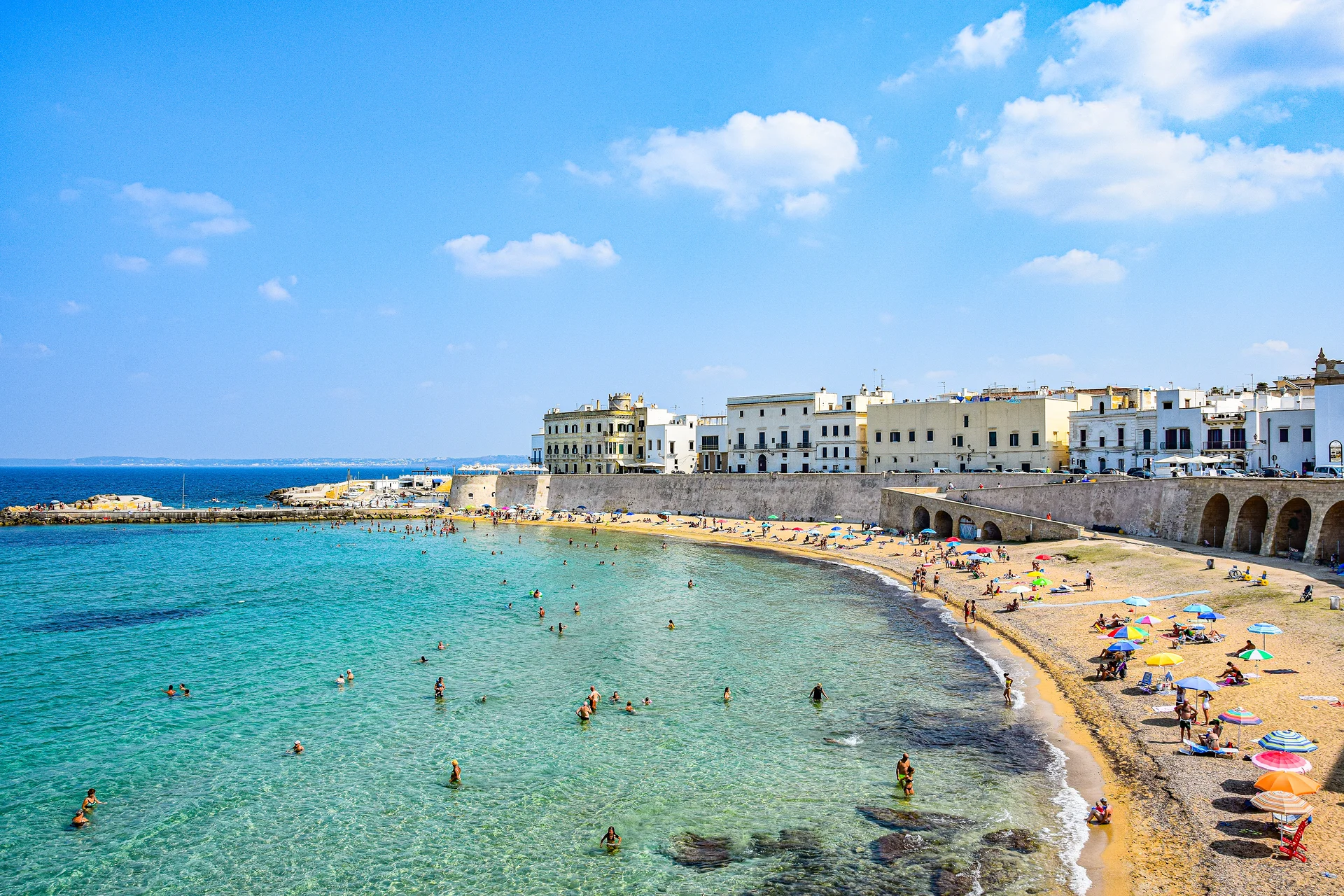
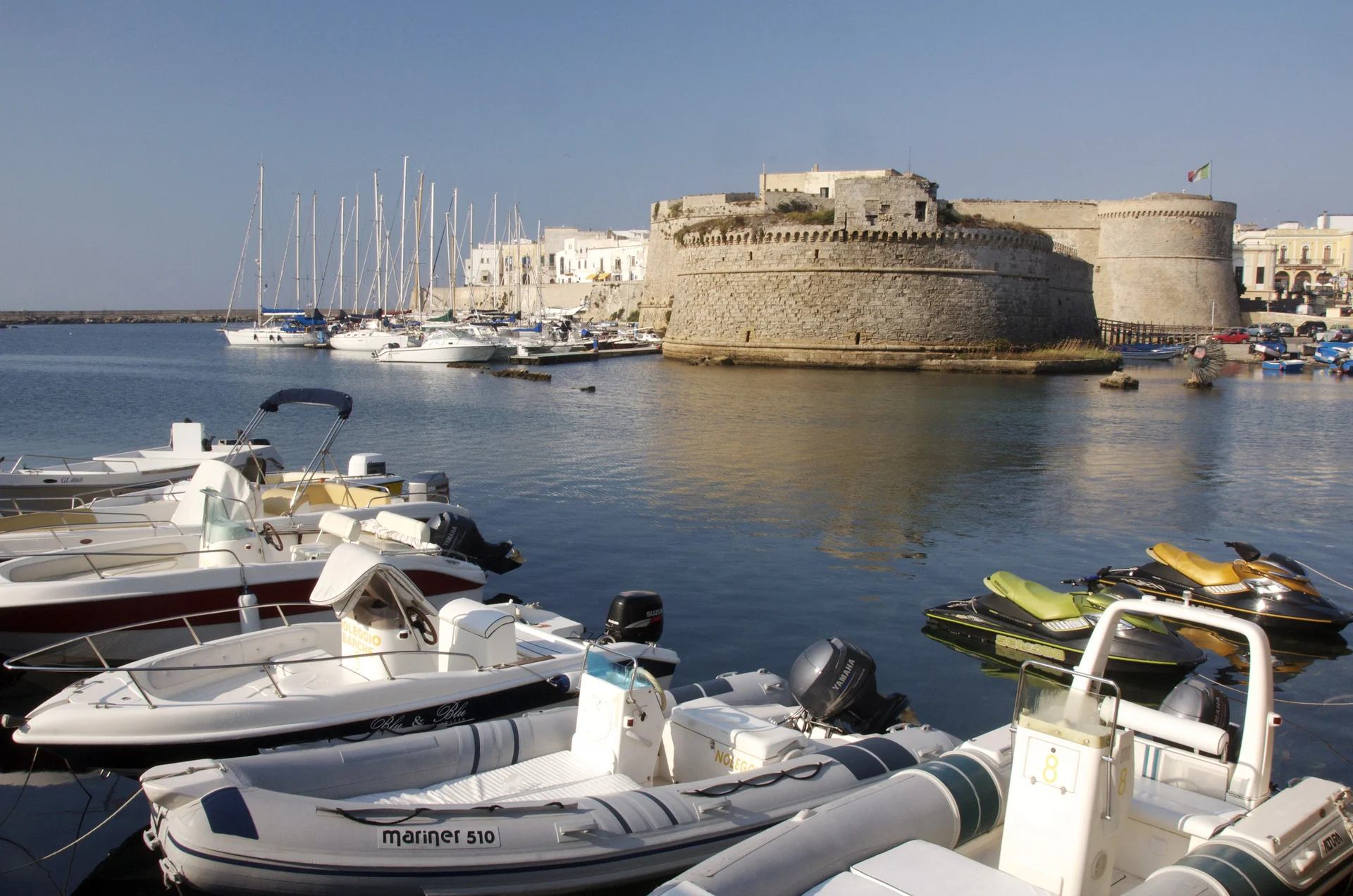
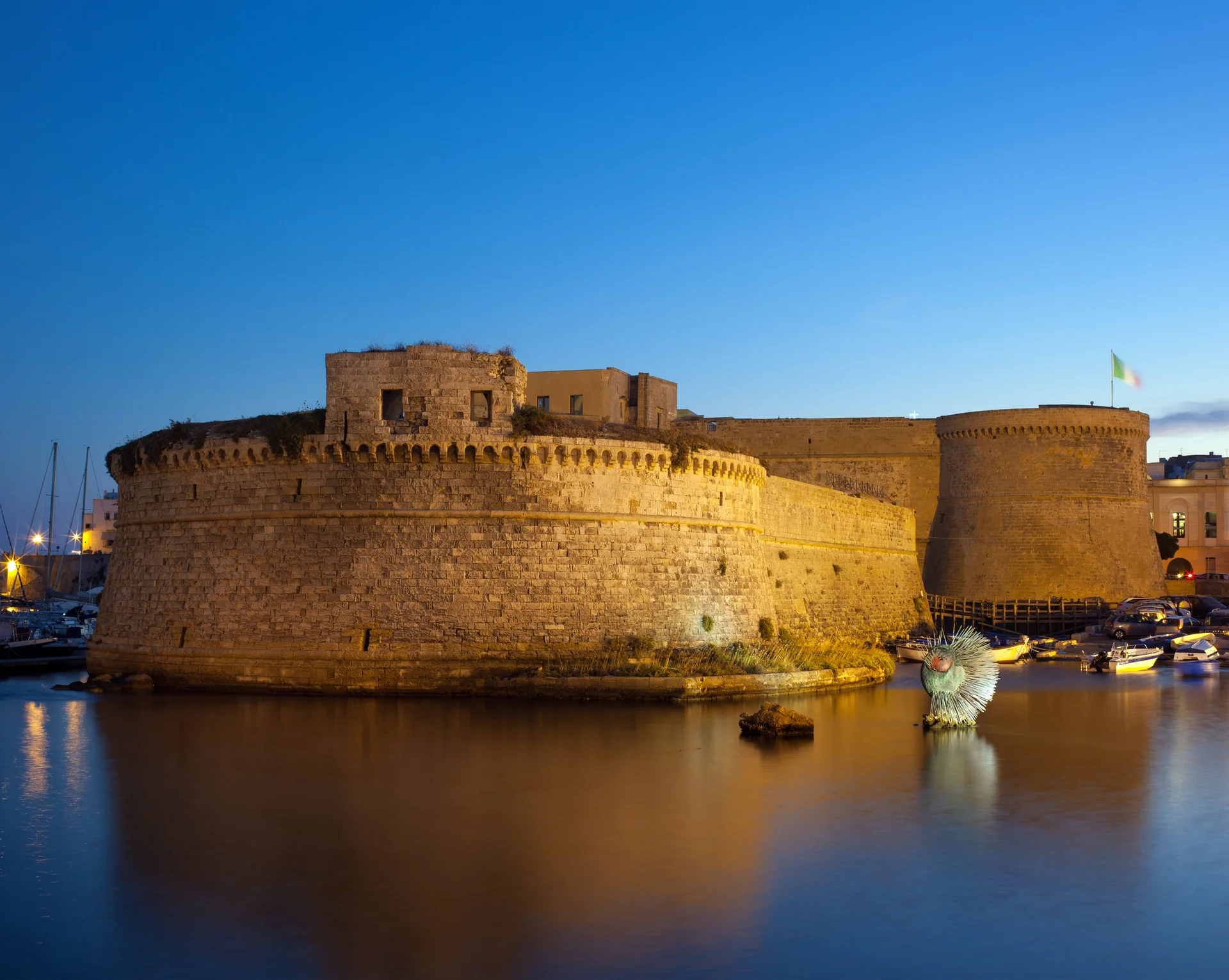
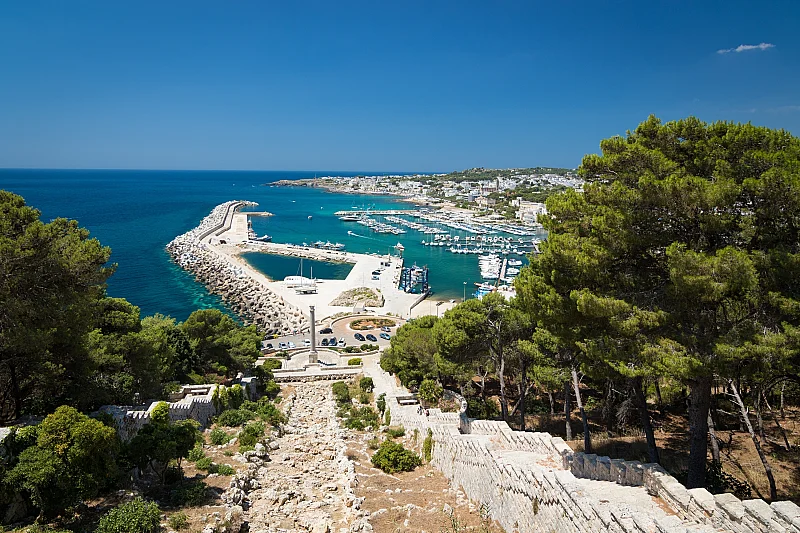
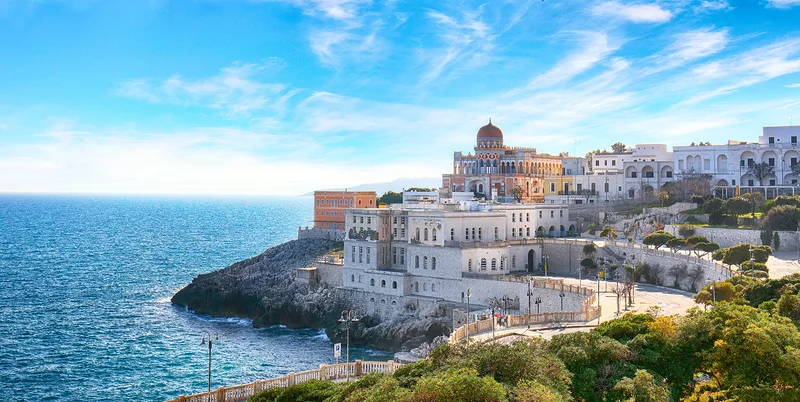
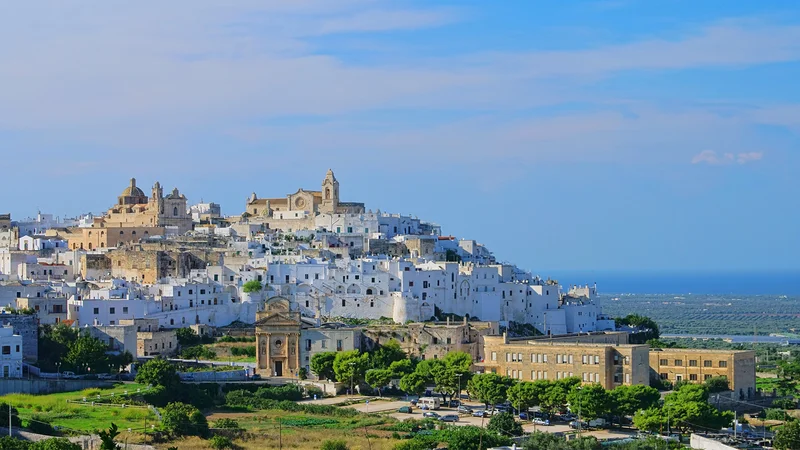
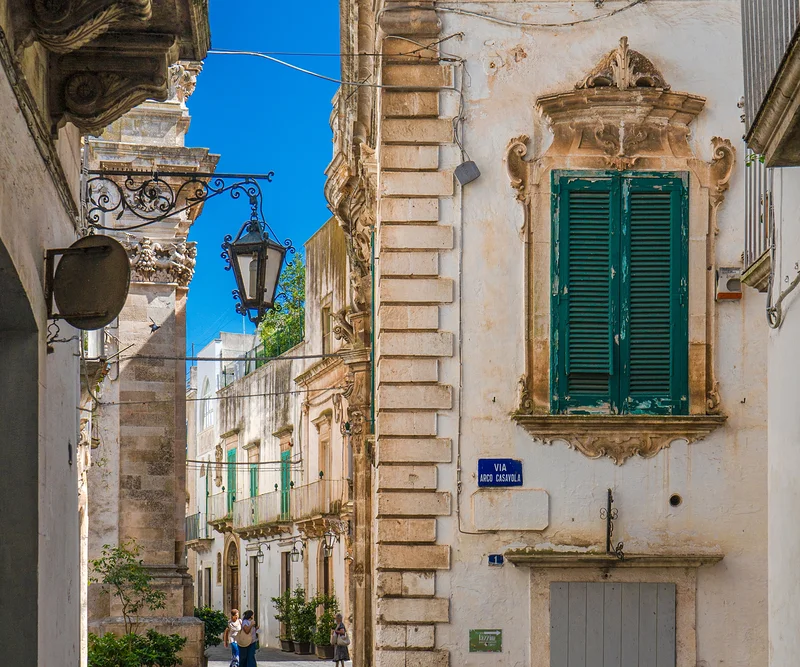
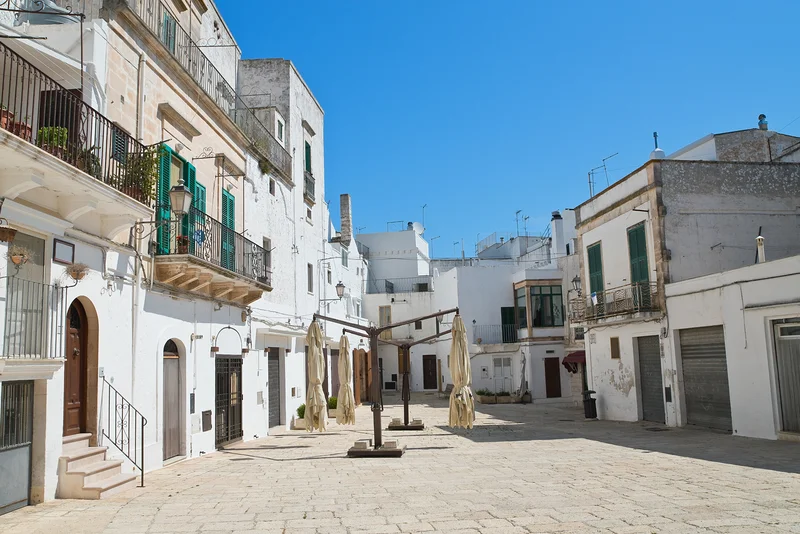
The center of Gallipoli is really very charming. It is an island village surrounded by turquoise waters. The views you get from the ramparts are truly magnificent. The town is lively and vibrant, especially around the fishing port. I found the atmosphere quite local and authentic. It is the right place to discover the heart of Puglia.