Visiting Vendée
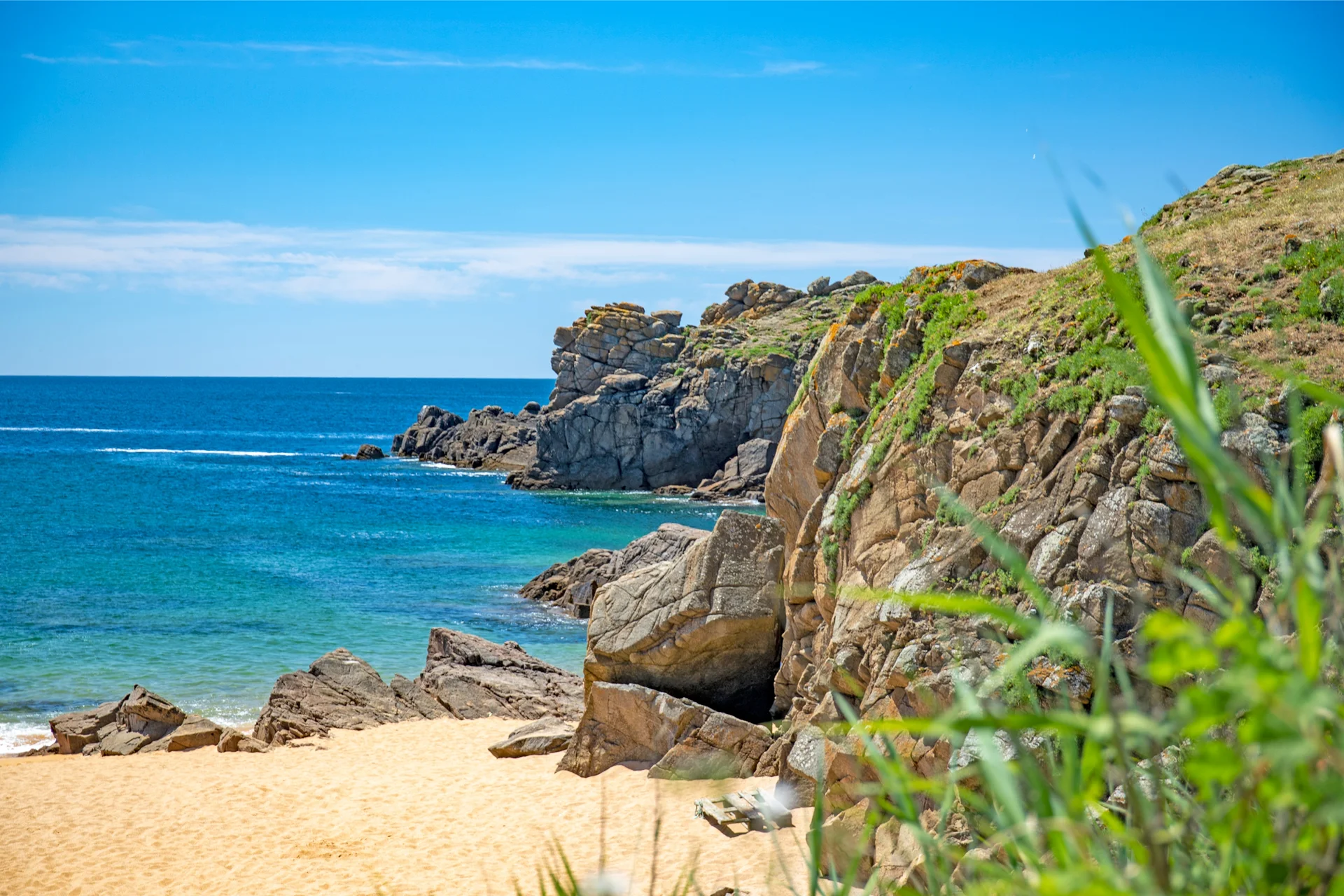
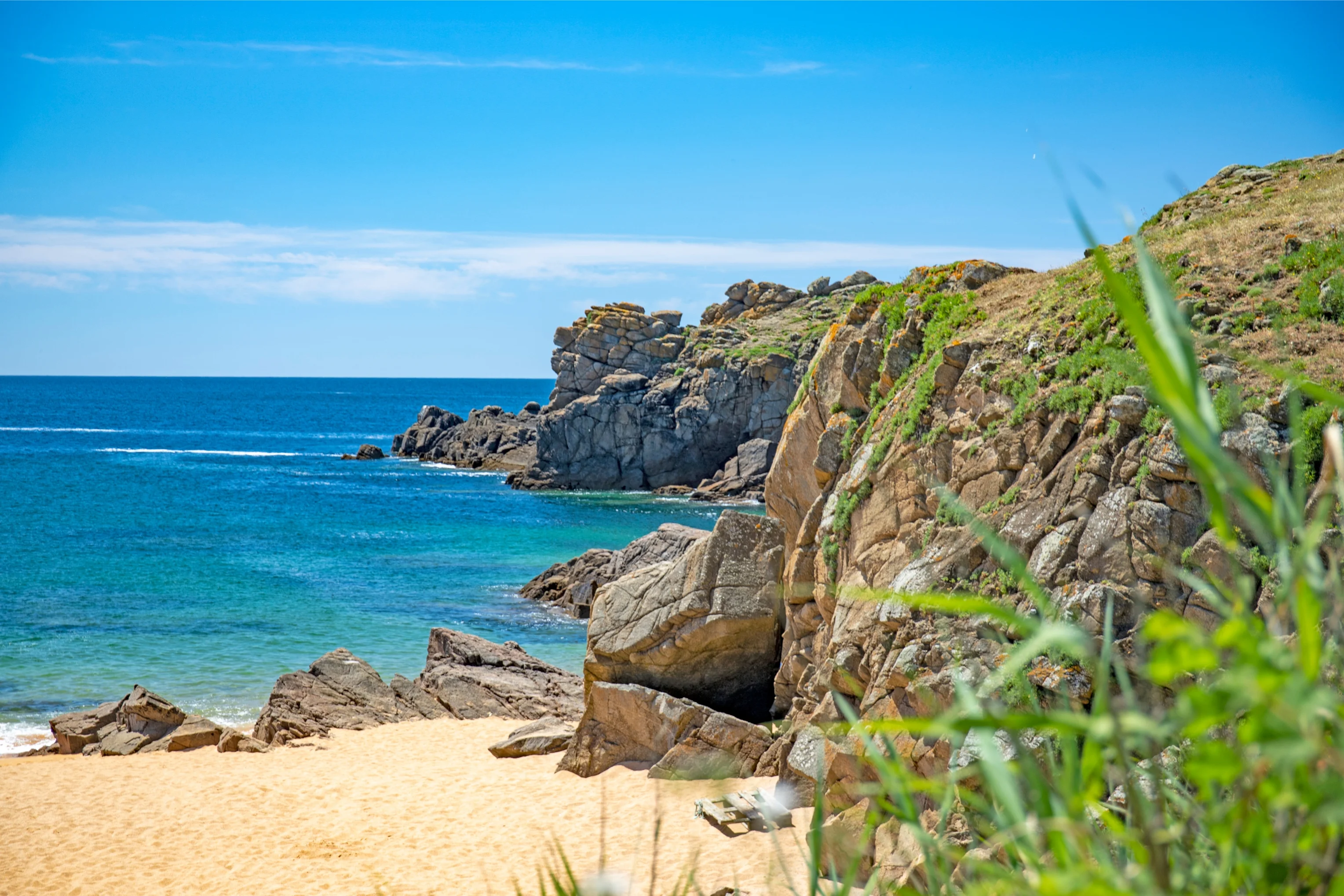
The Vendée lives off two resources with nothing in common: two hundred and fifty kilometres of flat sandy coast, and a show park planted in the middle of the hedgerow country, forty minutes from the sea.
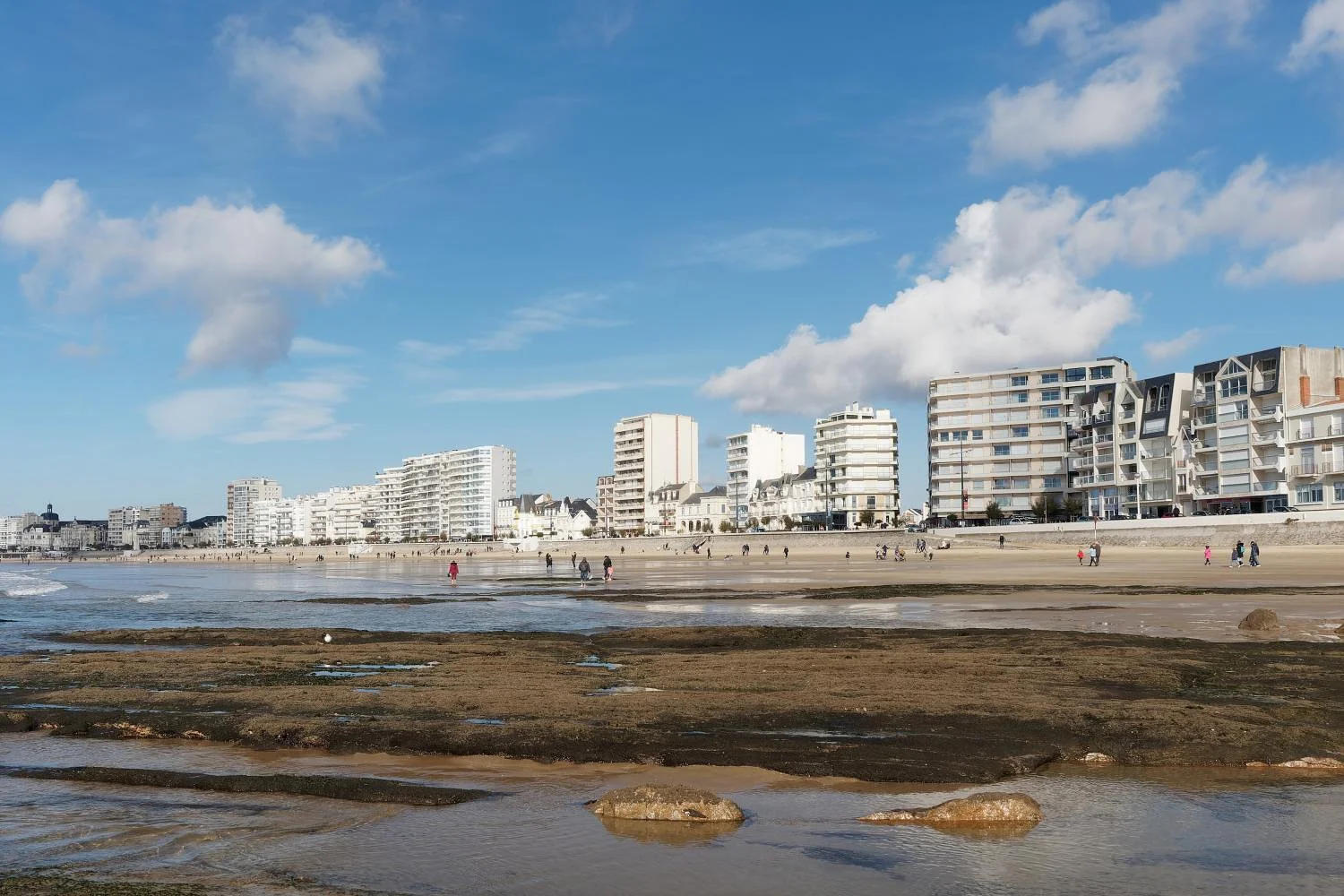
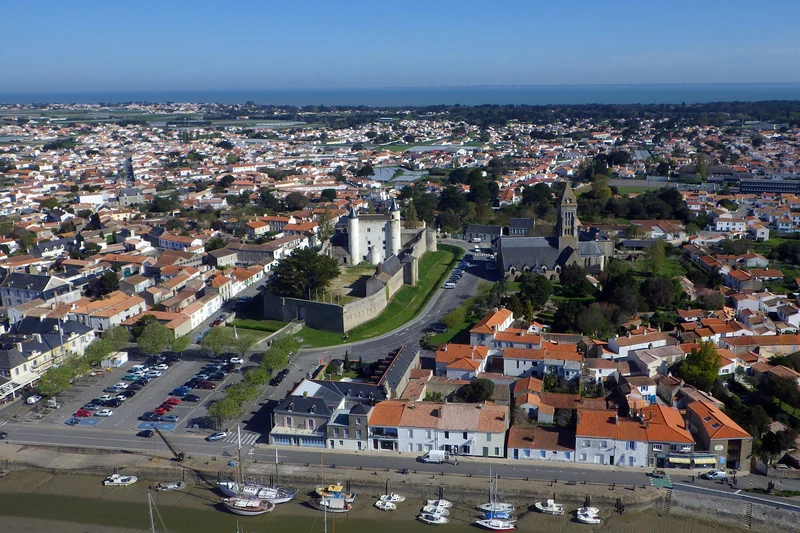
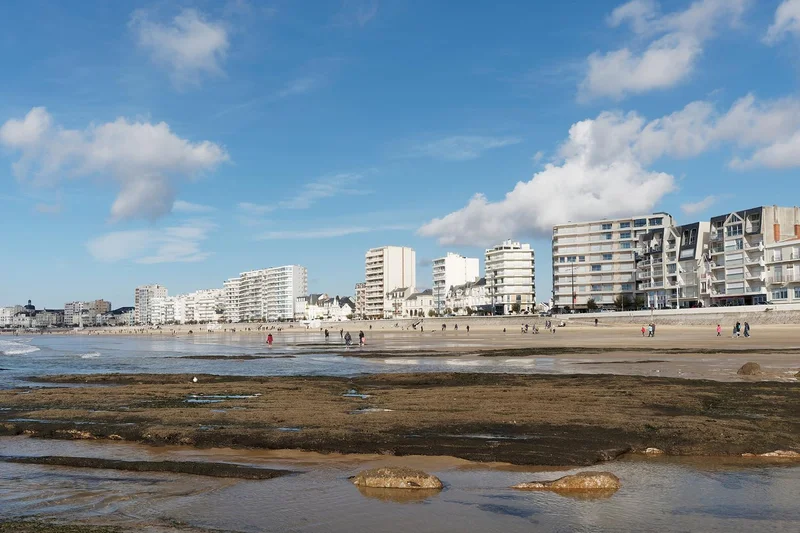
Les Sables-d'Olonne plays the port, Saint-Jean-de-Monts the family resort, and Noirmoutier an island you reach at low tide across a causeway that floods.
You will love it if
- You travel with children: few regions do as much for them
- You like cycling: eighteen hundred kilometres of paths, almost all flat
- You come in June or September, while the water is still warm
Look elsewhere if
- You want hills: the highest point is 285 metres
- You come in August: the resorts treble in population
- You want warm sea: the Atlantic tops out at 20 °C
The must-sees
The highlights
-

1 Puy du Fou +47 recs
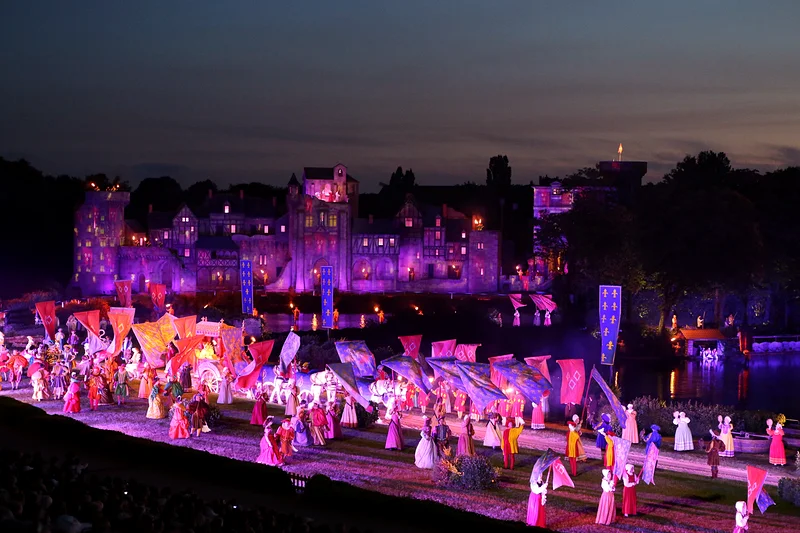
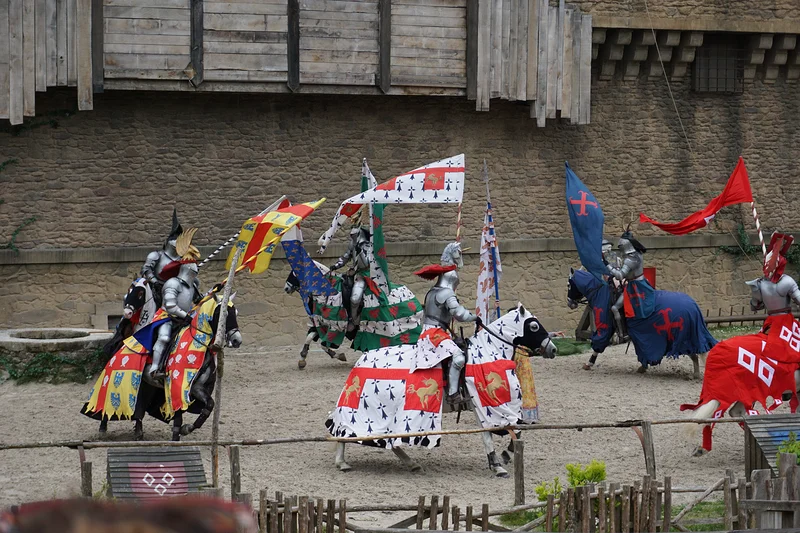
A park with no rides, built entirely on large-scale shows: gladiators in an amphitheatre, birds of prey in free flight, a lived-in medieval village. The main season runs from April to early November, with a Christmas season now added in late December.
-
2 The Passage du Gois +12 recs
Four kilometres of tarmac between the mainland and Noirmoutier, passable for an hour and a half either side of low water and under two metres of sea the rest of the time. Nine refuge beacons stand along it, and they are still used.
-
3 The fish auction at Les Sables-d'Olonne +7 recs
At half past five in the Halles Centrales, the smell of coffee crosses that of fish straight off the auction floor. It is one of the last French fishing ports where the circuit from boat to stall fits into one morning.
-
4 The Côte de Lumière +13 recs
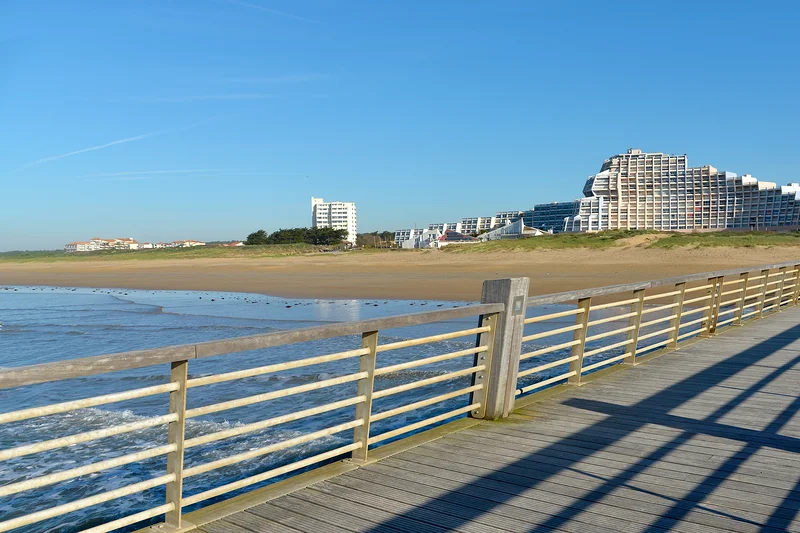
The name given to the stretch of coast around Saint-Jean-de-Monts: eight kilometres of unbroken beach, backed by pine forest and a dune belt that cuts the wind.
-

At Brem-sur-Mer, forty attractions under the pines with free access once inside: pedal karts, water slides, trampolines. One ticket, no queue per ride, and it is the wet-weather fallback.
The classic mistake
Crossing the Gois because the road looks dry. The tide comes in several centimetres a minute and the causeway covers in around twenty: cars are lost there every year. The times are posted at both ends, and the bridge, by contrast, is open permanently.
Our itineraries in Vendée
| Length | Itinerary | What you see |
|---|---|---|
| Weekend (2 days) | Les Epesses | Puy du Fou, two full days |
| 1 week | Saint-Jean-de-Monts + Noirmoutier | The north coast, the island, the salt pans |
| 10 days | The coast then Les Epesses | Beaches, Les Sables, the park at the end |
Puy du Fou needs two days: the big shows do not all run on the same day, and the programme is reshuffled by the weather. A single day forces you to choose, and to give up half.
The coast runs north to south with no journey over an hour: Noirmoutier, Saint-Jean-de-Monts, Les Sables-d'Olonne, and the park is forty minutes inland.
When to visit Vendée
| Rating | Season | Weather | Crowds and prices |
|---|---|---|---|
| June and September | 20 to 25 °C, sea at 18-20 | Moderate, the best compromise | |
| July and August | 22 to 28 °C, sunny | Saturated, accommodation doubled | |
| April, May, October | 15 to 20 °C, showers | Light, park open, cold sea | |
| Late December | 5 to 10 °C, damp | Christmas season at the park, coast empty |
Our advice
The Vendée Globe sails from Les Sables-d'Olonne every four years in early November, and the start village draws more than a million visitors in three weeks. It is a remarkable thing to see, and the worst possible moment to find a room within fifty kilometres.
Getting to Vendée
-
1 By plane Fastest
Nantes is the gateway, served by easyJet and Ryanair from several British airports in about an hour and a half, and it is an hour's drive from the Vendée coast.
-
2 By ferry With a car
the crossings to Saint-Malo, Caen or Cherbourg put you three to four hours north of the Vendée with your own car aboard. It is the option that makes the local cycling and the tide tables easy.
-
3 By train Without flying
Eurostar to Paris, then a high-speed train to Les Sables-d'Olonne in 4 h 15 or to Nantes in two hours. It works, but you still need a car once there.
For Puy du Fou, the nearest station is Cholet, half an hour's drive away, with a shuttle in season. Without it a car is compulsory: Les Epesses is a village of fifteen hundred people.
Getting around Vendée
The bike is the real local transport: the paths link the resorts to one another along the whole coast, flat and often sheltered behind the dunes. On Noirmoutier the whole island is done that way, a forty-kilometre loop.
Worth knowing
Tide times govern the day on this coast: the Gois, the shellfish gathering, access to certain beaches. Tables are posted everywhere and handed out free at tourist offices. Checking them the night before saves you a morning.
What to eat in Vendée
- The bonnotte of Noirmoutier: an early potato lifted by hand in early May, from a hundred hectares only, and sold at lobster prices in the first days. Sand and seaweed give it an iodine edge.
- Vendée ham: cured with brandy and herbs, sliced very thin, served with white beans. It is the default starter across the region.
- Mogette: the local white bean, slowly cooked and served as a side or on grilled bread rubbed with garlic. Nothing spectacular, everything dependable.
- Vendée brioche: plaited, scented with orange flower water and often brandy, given at weddings. It keeps for a week, which is the point of it.
- Oysters from the bay of Bourgneuf: farmed between the mainland and Noirmoutier, fleshier than southern ones, sold from huts beside the beds.
- Préfou: a flatbread split and filled with garlic butter, then reheated, served with drinks. Invented to test the oven's heat, kept for everything else.
- Sardines from Les Sables-d'Olonne: landed in the morning, grilled at lunch, and that is all that is needed.
The Halles Centrales of Les Sables-d'Olonne open at six and empty by one. It is the best place in the region to buy fish, and the only one where you see who caught it.
Where to stay in Vendée
| Area | What it is for | Worth knowing |
|---|---|---|
| Les Epesses | Puy du Fou at opening | Park lodgings and gîtes, full in July |
| Saint-Jean-de-Monts | Beach, cycling, families | The best-equipped resort, campsites in number |
| Les Sables-d'Olonne | Port, fish auction, promenade | The only lively town out of season |
| Noirmoutier | Salt pans, cycling, oysters | Dear in August, deserted in February |
| Brem-sur-Mer | Dunes Park, quiet | Between Les Sables and Saint-Gilles, practical |
The Vendée is France's leading department for campsites, with more than three hundred: in July and August that is the most plentiful supply and the only one still available late.
The Puy du Fou lodgings are booked with the tickets and grant entry before the public opening. That is their only real advantage, and on a busy day it is a genuine one.
How much does a trip in Vendée cost?
| Style | Length | Budget per person |
|---|---|---|
| Budget (campsite, markets, beaches) | 7 days | 250 to 400 € |
| Comfortable (hotel, restaurants, the park) | 7 days | 700 to 1,000 € |
| High end (park hotel, harbour restaurants) | 7 days | 1,500 to 2,200 € |
- The two-day Puy du Fou ticket: cheaper per day than a single, and two days is the length you need anyway.
- The cycle paths: free, shaded, and they replace the car along the entire coast. A week's hire costs about one tank of fuel.
- Dunes Park: one ticket for forty attractions, a third of the price of a major park, and the wet-weather plan.
- June and September: the same rental costs half what it does in August, for water at the same temperature.
- Shellfish gathering: at low tide, clams and cockles are free to collect within the legal size and limits. It costs nothing and fills a whole morning.
Traditions and way of life in Vendée
Puy du Fou grew out of a night show staged in 1978 by village volunteers around the ruins of a castle. The Cinéscénie that came of it still fields more than two thousand performers, all unpaid and many the children of earlier performers: it is the largest night show in the world by cast size.
The hedgerow country around it was the theatre of the War in the Vendée, between 1793 and 1796, and the memory of that conflict is still live in local families. The park tells the history its own way, and it is worth knowing that this way is contested: it is a staging, not a lecture.
Two useful habits. At markets you do not help yourself: you ask, the grower chooses, and that goes for the Noirmoutier potatoes too.
And on the beaches, the orange flag is not a shade of green: the baïnes, hollows scoured between the sand and the bar, generate rip currents that take a swimmer out in seconds. The lifeguard posts flag them daily.