
Visiting Yangon
As the economic capital of Myanmar, also known as Burma, Yangon is home to about 4.5 million residents. The military junta relocated the political capital inland to Naypyidaw in 2005, but Yangon remains the most visited city in the country. Founded back in the 6th century by the Mon people under the name Dagon, the city was eventually conquered in 1755 by the Burmese king Alaungpaya, who helped reunite much of the country during the 18th century. Yangon has largely escaped the chaotic urban sprawl that defines many major metropolitan areas in this part of the world, though it is expanding rapidly today, fueled in large part by Chinese investment.
Buddhist Temples in Yangon
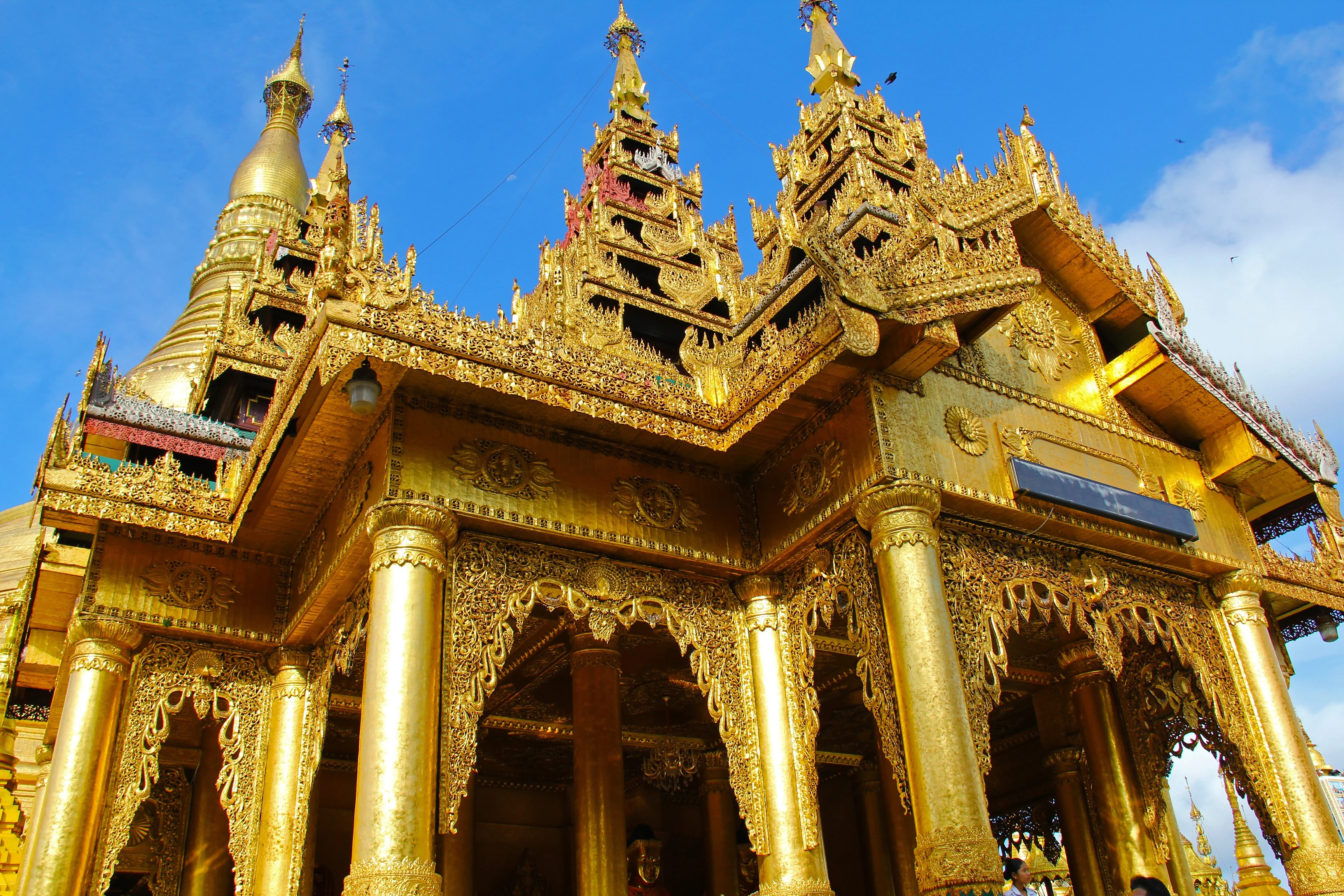
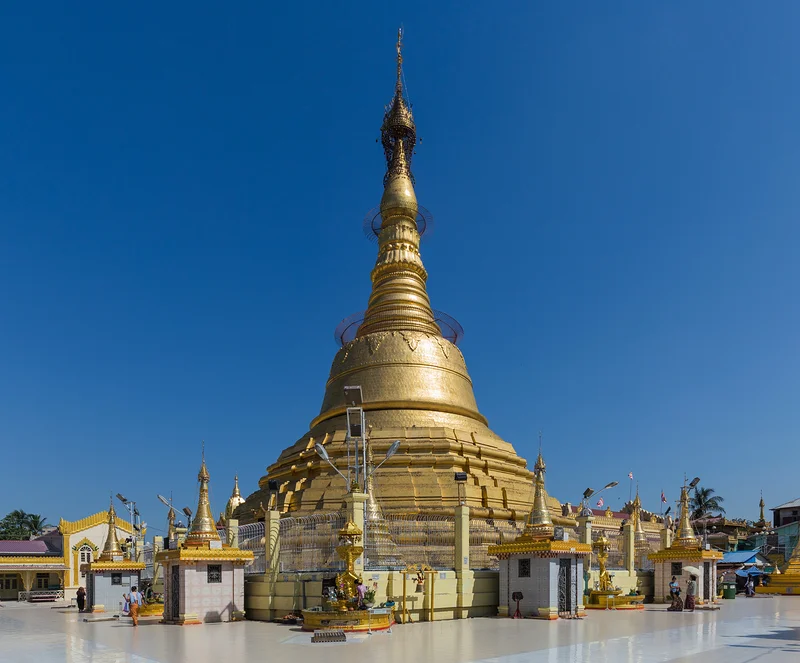
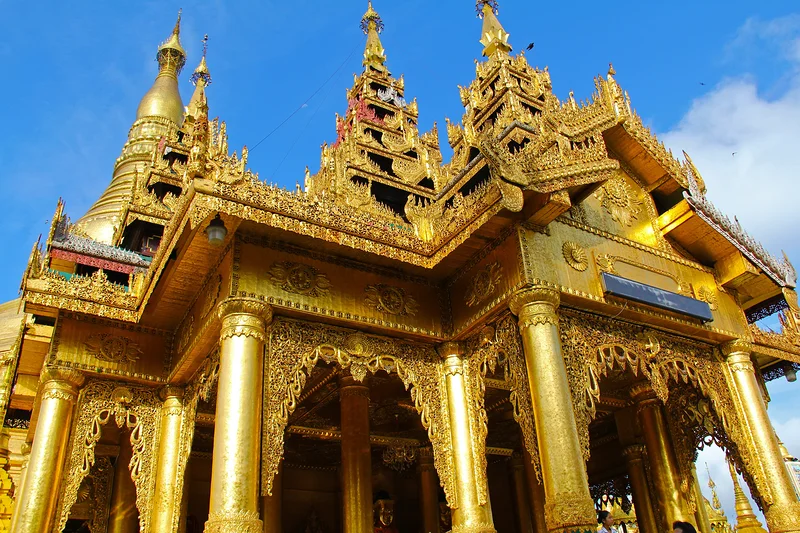
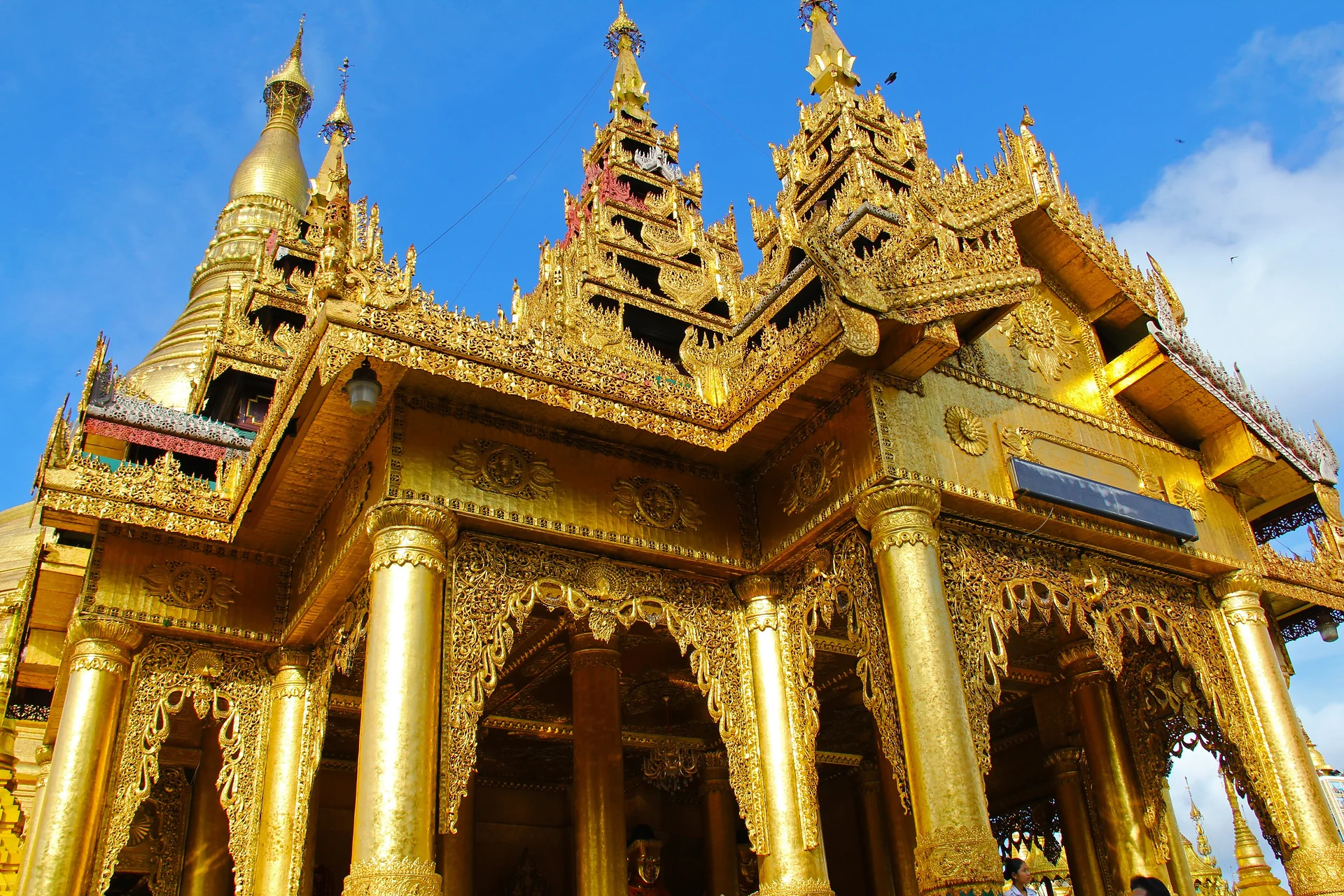
The Shwedagon Pagoda stands out as the definitive landmark of Yangon. Perched atop Singuttara Hill, its massive, gold-and-silver-plated silhouette dominates the skyline. It is the most sacred Buddhist site in the country, and legend holds that the pagoda houses sacred relics from four previous Buddhas. Successive Burmese monarchs continually remodeled and expanded the sanctuary over the centuries, allowing its tallest stupa to reach 100 metres in height.
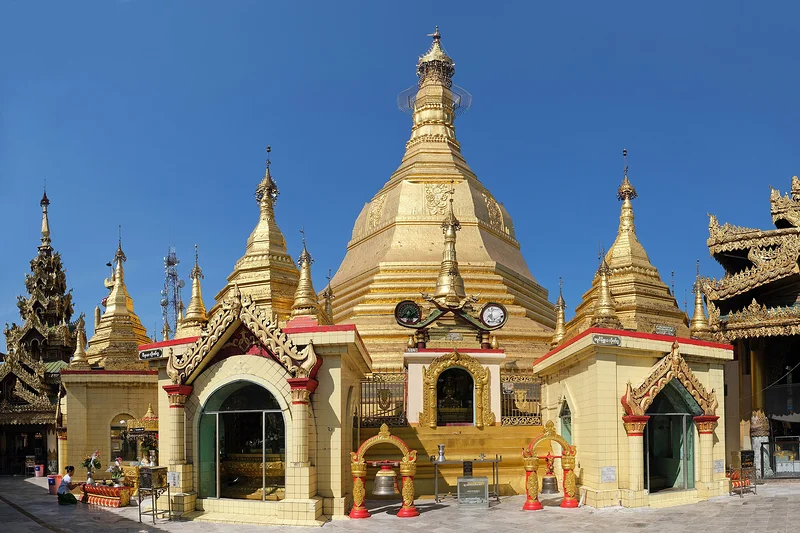
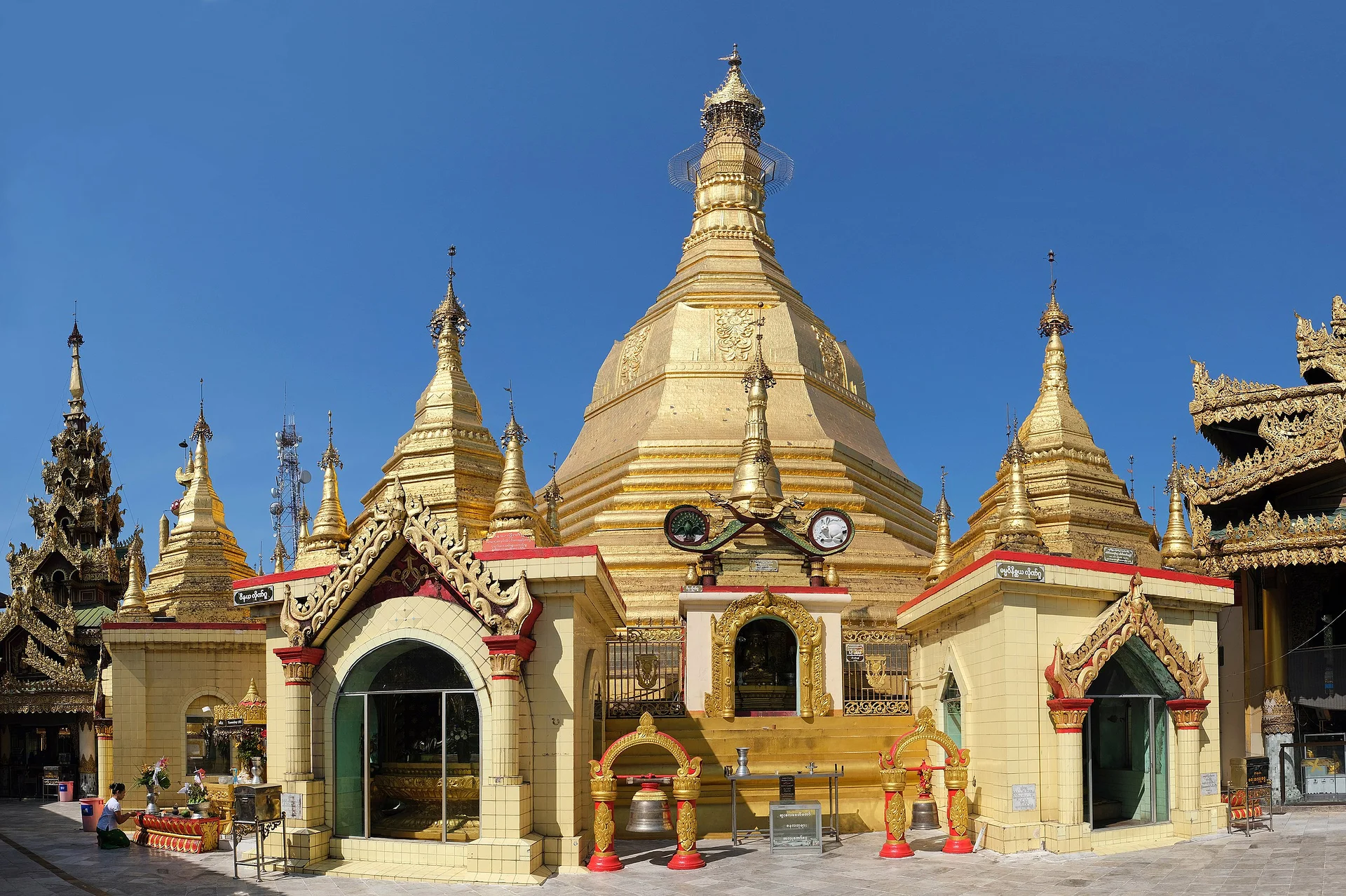
The Sule Pagoda is another iconic place of worship in Yangon. Dating back some 2,000 years, it is easily recognized by its unusual octagonal shape. Set right in the middle of a downtown traffic circle, the structure known as the one you keep circling around serves as the baseline for all highway distance markers in the city.
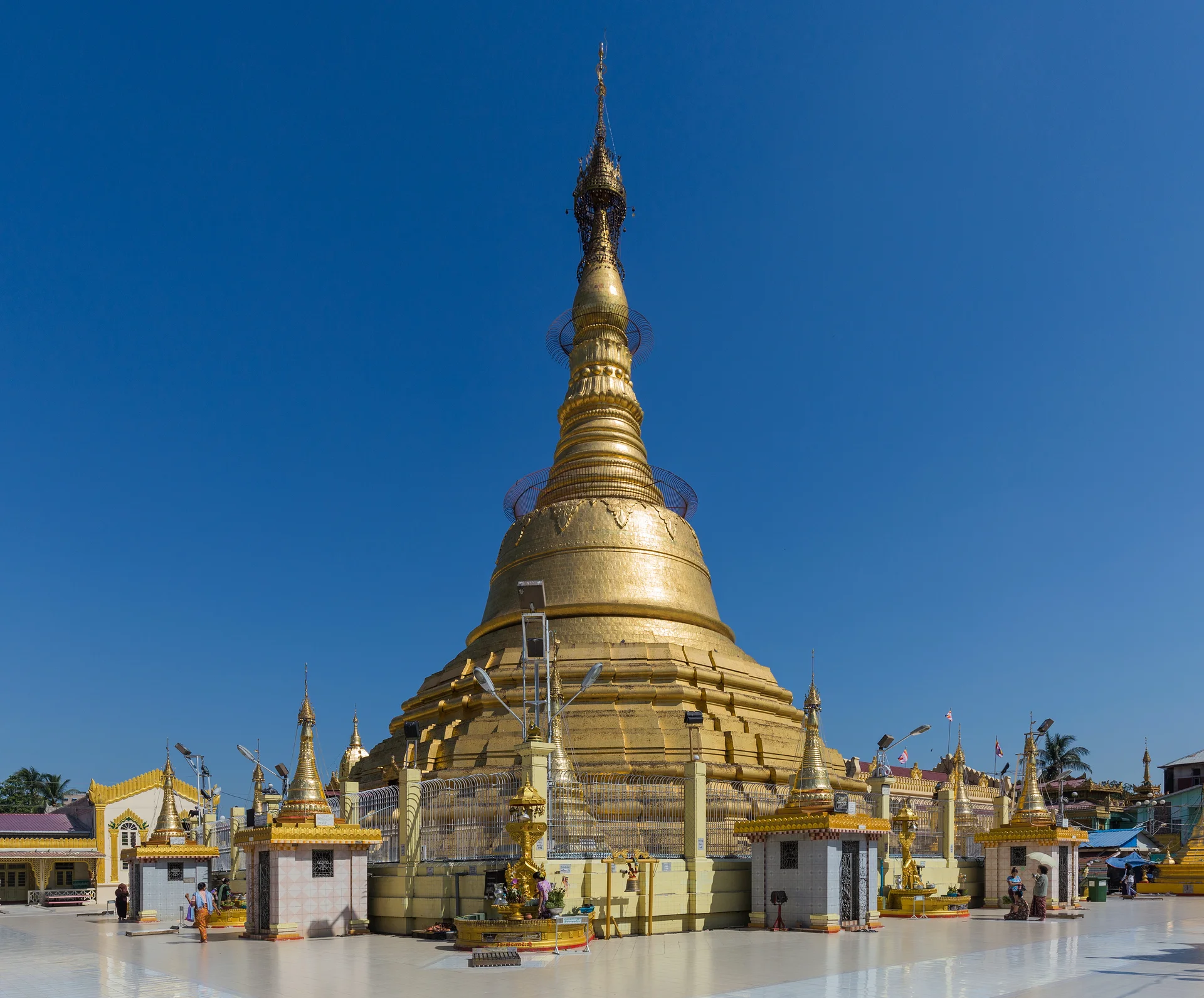
Buddha statues appear everywhere across Yangon's neighborhoods. The most striking is at Chaukhtatgyi Paya, featuring a 66-metre reclining Buddha covered in gold leaf. Nearby, the Ngarhtatgyi Pagoda and its 14-metre seated Buddha are also well worth a visit.
A Colonial City with Preserved Architecture
Take time to explore downtown and its grand colonial-era mansions, making up one of the best-preserved neighborhoods in Southeast Asia. Stop by the Bogyoke Aung San Market, the largest and most scenic covered market in the city, housed inside a building constructed by the British in 1926.
Just outside the downtown core, the atmosphere shifts completely along the 8 kilometres of shoreline surrounding Kandawgyi Lake, which offers sweeping views of the Shwedagon Pagoda.
Exploring Burmese Traditions and Culture
Immerse yourself in local history at the National Museum of Myanmar, which showcases the country's artistic heritage across the ages. Riding the circular commuter train that loops around the city offers another practical way to tap into daily local life. Wrap up your trip by browsing the book stalls along 37th Street and catching a traditional Burmese puppet show at the Htwe Oo Theatre.
When to Go
The dry season running from November to March delivers warm weather and minimal rainfall, making it the ideal time to visit Yangon.
Getting There
Direct flights from the US are unavailable, so travelers typically reach Yangon with connections through Bangkok, Singapore, or a Gulf hub.
The historic center of Rangoon, or Yangon, is interesting. I am thinking of the shores of Inya Lake, and the Shwedagon Pagoda. In 2 days, you will have seen it all. After that, I think it is better to move on, to see something else.