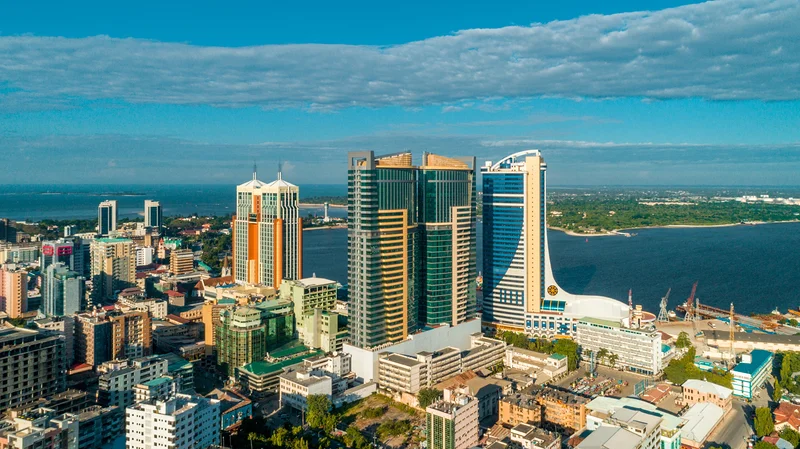
Tanzania: Safaris, Summits, and Spices, Africa's Big Trip
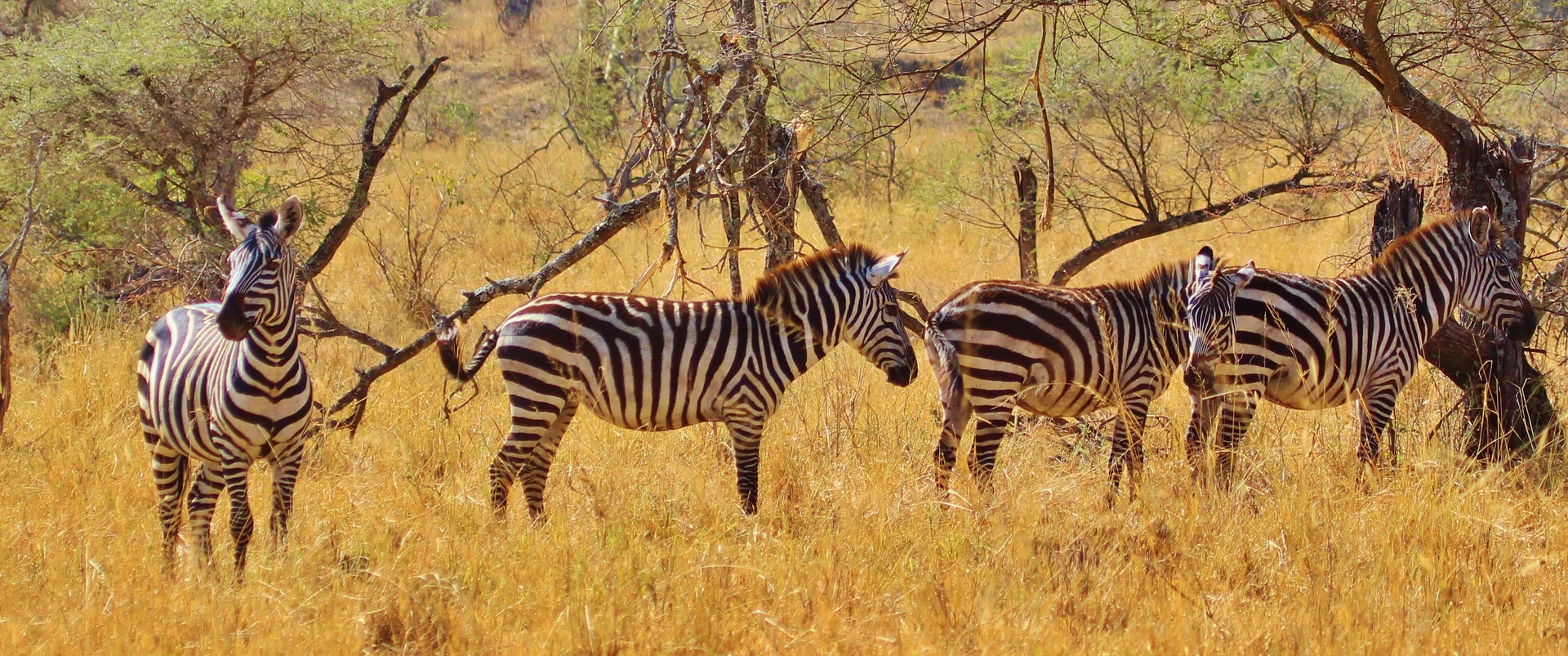
Every year, nearly two million wildebeest and zebras move across hundreds of miles of open savanna in the Serengeti, crossing crocodile-filled rivers in what is the largest overland mammal migration on Earth. You watch it happen in real time, out in the open, with nothing between you and it. Very few places in the world operate at this scale.

Tanzania: A Destination for Travelers Who Want to Engage With the World
This is not an easy trip, and it is not a cheap one. But for the right traveler, it tends to leave a permanent mark.
thumb_up A good fit for:
- Safari lovers and wildlife watchers
- Hikers with their sights set on Kilimanjaro, the highest peak in Africa
- Travelers who want total immersion in untouched wilderness
- Divers and beach lovers, especially in Zanzibar
- Anyone curious about Swahili culture, history, and the coastal trading world
- Honeymooners (safari plus beach is a classic combination for a reason)
- Travelers with the budget and the time: plan on a minimum of 10 to 14 days
warning Not a great fit for:
- Tight budgets: national park entrance fees are steep, and safari costs add up fast
- Travelers who need guaranteed comfort and a perfectly orchestrated itinerary
- Anyone who can't handle heat, humidity, and insects
- Nightlife seekers or urban entertainment fans
One of Sub-Saharan Africa's Pricier Destinations
Tanzania ranks among the most expensive safari destinations on the continent. Park entrance fees, 4x4 vehicles, and licensed guides are non-negotiable costs. An organized safari rarely comes in under $200 to $300 per person per day (roughly 520,000 to 780,000 TZS).
| Trip type | Destination | Duration | Estimated budget / person |
|---|---|---|---|
| Wildlife safari and Great Migration | Serengeti + Ngorongoro | 5 to 7 days | $1,600 to $4,300 (approx. 4.1M to 11.2M TZS) |
| Trekking and summit attempt | Mount Kilimanjaro | 6 to 8 days | $1,900 to $3,800 (approx. 4.9M to 9.9M TZS) |
| Beach and Swahili culture | Zanzibar (Stone Town + beaches) | 1 week | $750 to $2,150 (approx. 2M to 5.6M TZS) |
| Safari + beach (classic combo) | Northern parks + Zanzibar | 12 to 15 days | $3,200 to $7,500 (approx. 8.3M to 19.5M TZS) |
| Nature and local immersion | Tarangire + Arusha + Lake Natron | 7 to 10 days | $1,300 to $3,200 (approx. 3.4M to 8.3M TZS) |
Visa, Health, and Ground Realities
US citizens need a visa to enter Tanzania. The good news: you can get it online through Tanzania's official immigration portal before you leave home. The fee is $50 USD. Yellow fever vaccination is required if you're arriving from a country where the disease is endemic. Malaria prophylaxis is strongly recommended for the entire country.
Tanzania runs on GMT+3, which puts it 8 hours ahead of Eastern Time. The official language is Swahili, but English is widely spoken in tourist areas and cities. Out in rural areas, a few words of Swahili go a long way: "asante" (thank you) and "jambo" (hello) will be genuinely appreciated.
Is Tanzania Safe to Travel?
Tanzania is one of the more stable countries in East Africa. The main tourist areas (national parks, Zanzibar, Arusha) are generally safe. In larger cities like Dar es Salaam, use the same street smarts you would in any big city: pickpocketing and bag snatching happen, and solo walks at night in unfamiliar areas are not a good idea.
Inside the national parks, safety depends entirely on following your ranger's instructions. The wildlife is wild and unpredictable, and the rules exist for good reason. One area to avoid: the border region near the Mozambican province of Cabo Delgado, where active armed groups make travel inadvisable.
Domestic Flights: What You Need to Know
As of June 2025, all airlines certified in Tanzania have been added to the EU Air Safety List. This was not triggered by a specific incident but by what regulators identified as serious gaps in Tanzania's civil aviation oversight.
The list is publicly available on the European Commission's transport website. Alternatives being explored include allowing foreign carriers such as Qatar Airways or Ethiopian Airlines to operate domestic routes. If you're booking through a travel agency or safari operator, ask them directly about this before finalizing your itinerary.
The Wildlife Show

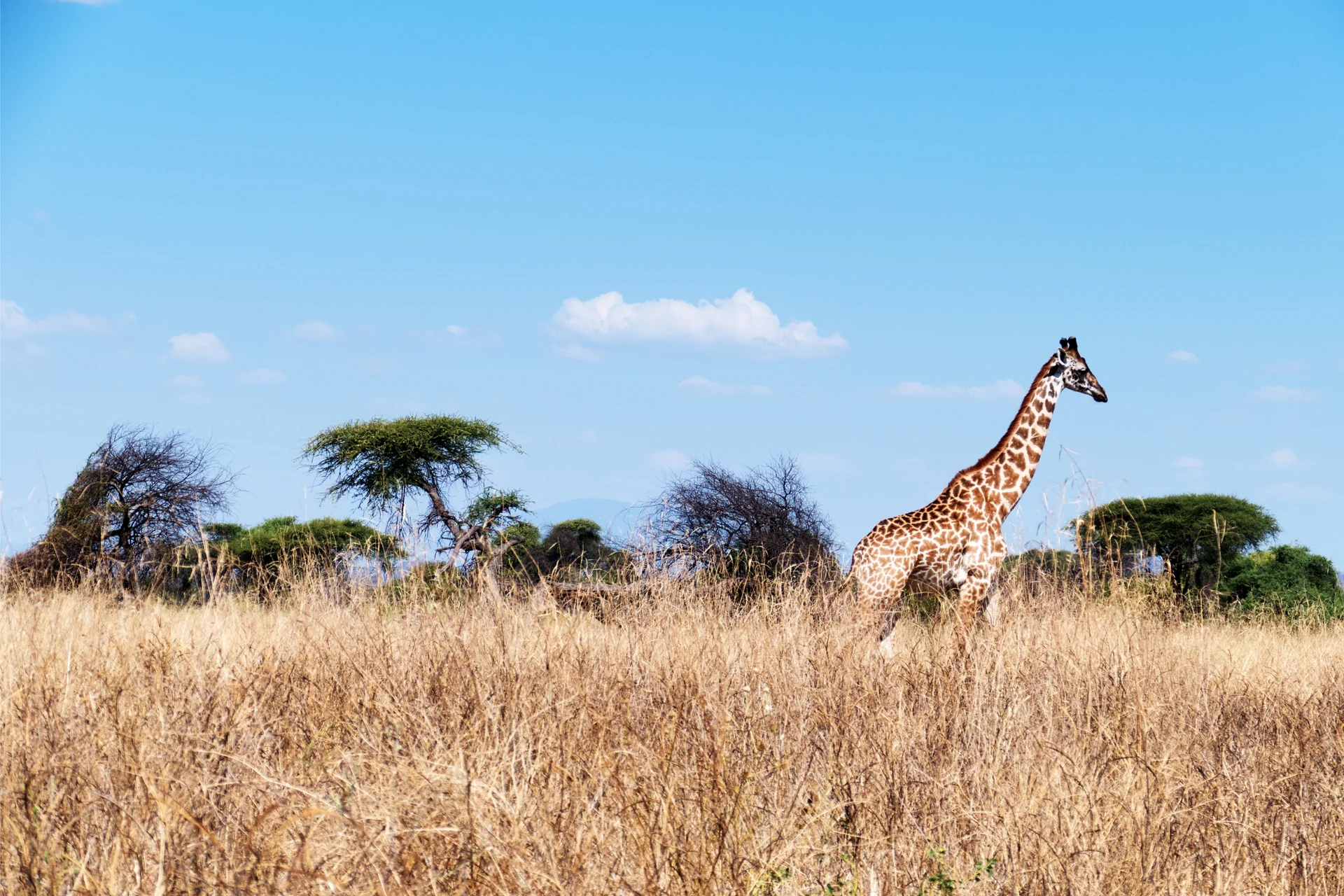
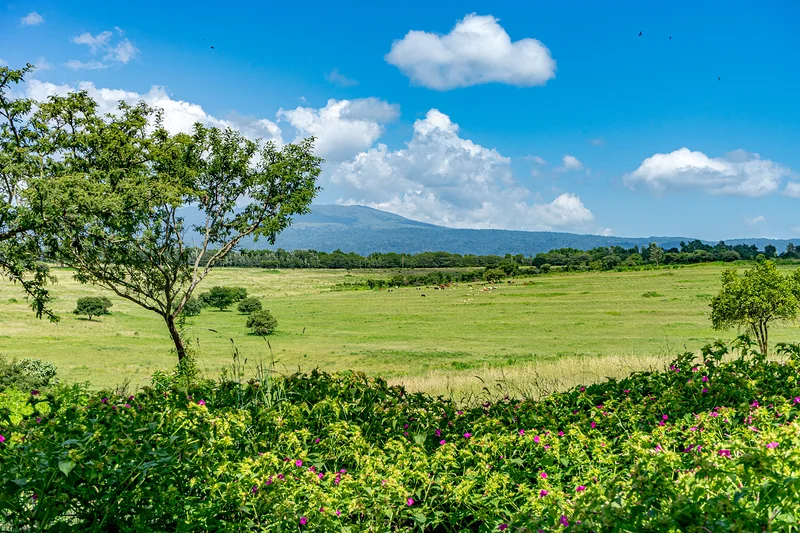
The word "safari" earns its meaning here. Tanzania's parks are the core of any trip to the country, and each one offers a different angle on the same extraordinary ecosystem. Out here, you're the guest.
The Classic Pairing: Serengeti and Ngorongoro
Serengeti National Park is where the Great Migration plays out: millions of wildebeest and zebras moving in a continuous loop, driven by rainfall patterns, in a spectacle that's genuinely hard to picture until you're standing in the middle of it. July through September is when the drama peaks, with the famous Mara River crossings in the northern section of the park.
The Ngorongoro Crater works like a closed caldera, a natural bowl of about 100 square miles that holds one of the densest concentrations of wildlife on the planet, including the rare black rhino. It's spectacular, but extremely crowded during peak season.
Insider tip: to beat the crowds at Ngorongoro, get there at the 6 a.m. opening and skip July and August weekends entirely. The western and southern sections of the Serengeti get far less traffic than the famous north, and often deliver more intimate game drives.
Tarangire: Where the Elephants Rule

Tarangire National Park is less famous than its neighbors, which is exactly why it's worth going. This is baobab country, with century-old trees towering over elephant herds that can number in the dozens. The Tarangire River is the only permanent water source during the dry season, which means from July through October it becomes a wildlife magnet unlike anything else in the region.
Insider tip: Tarangire is one of the few parks where ranger-led walking safaris are permitted in certain zones. Walking through the bush, picking up scents, hearing the sounds without an engine running, delivers a completely different intensity than anything you get from a vehicle.
Climbing Kilimanjaro: Don't Underestimate It

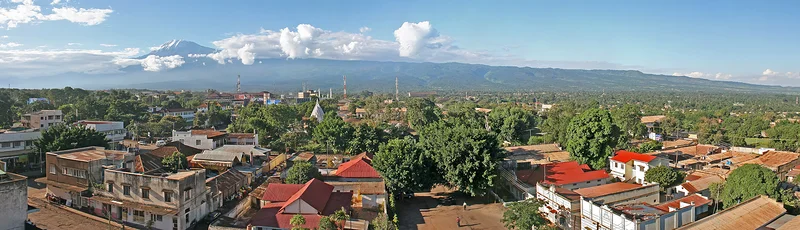
Kilimanjaro draws thousands of climbers every year, and it's easy to see why: at 19,341 feet, it's the highest peak in Africa, and it doesn't require technical mountaineering skills. But it is not a hike. Altitude takes a real toll, and the failure rate on the shortest route (Marangu, 5 days) is high.
The Lemosho route (7 to 8 days) is the one we recommend at Avygeo. It costs more and takes longer, but the acclimatization profile is significantly better and your odds of reaching the summit go up considerably. Choosing a reputable operator, one that respects proper ascent pacing and treats its porters fairly, is non-negotiable.
The climb itself crosses multiple climate zones: rainforest, moorland, alpine desert, and lava fields. Watching the sunrise from the crater rim, above a sea of clouds, is one of those images that stays with you.
Zanzibar and the Swahili Coast: A Different Country Entirely
After the dusty tracks of the national parks, the Zanzibar archipelago hits like a full reset. Turquoise water, coral reefs, alleyways scented with cloves and cardamom: it's a 90-minute flight or a 2-hour ferry from Dar es Salaam, and it feels like a completely different world.
Stone Town: The Soul of the Island

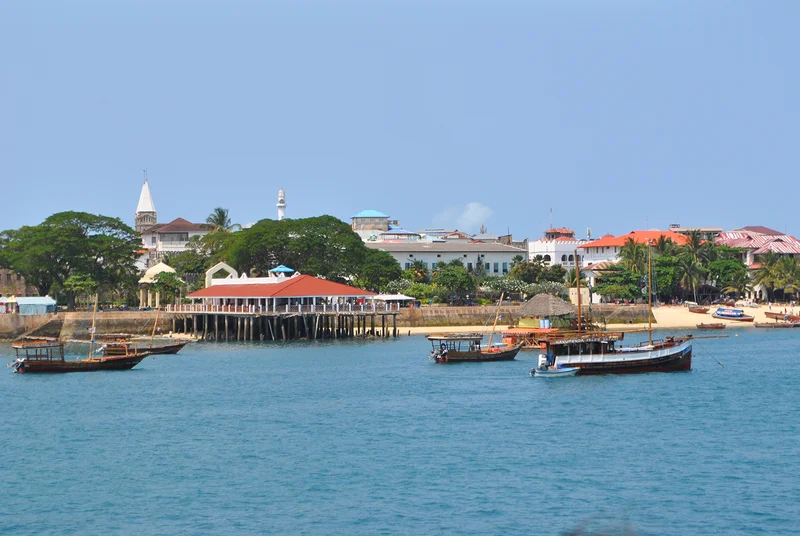
Getting lost in the maze of Stone Town, a UNESCO World Heritage Site, means walking through centuries of trade history in a very small space. Carved wooden doors with brass studs, spice markets, the birthplace of Freddie Mercury, mosques, and crumbling palaces all coexist within a few city blocks. The density is remarkable.
Insider tip: in the evenings, Forodhani Gardens turns into an open-air night market. The main draw is the "Zanzibar pizza," a thick stuffed crepe filled with meat and egg, plus grilled seafood skewers cooked to order. A full meal runs a few thousand TZS (under $2) and it's the real deal.
The Beaches: Each Coast Has Its Own Character

The northern coast around Nungwi has the calmest water and is the best for swimming throughout the day, since tides here are less extreme. The east coast, around Jambiani and Paje, is more dramatic: massive tidal swings expose wide reef flats at low tide, where you can watch women tending seaweed farms, and Paje is one of the top kitesurfing spots in East Africa.
Beyond the Safari: Culture and Real Encounters

Most northern circuit tours include a Maasai village visit, and here's the honest truth: a lot of those "villages" are staged for tourists and have little to do with how people actually live. Seek out visits organized by certified local cooperatives that funnel money directly back to the community.
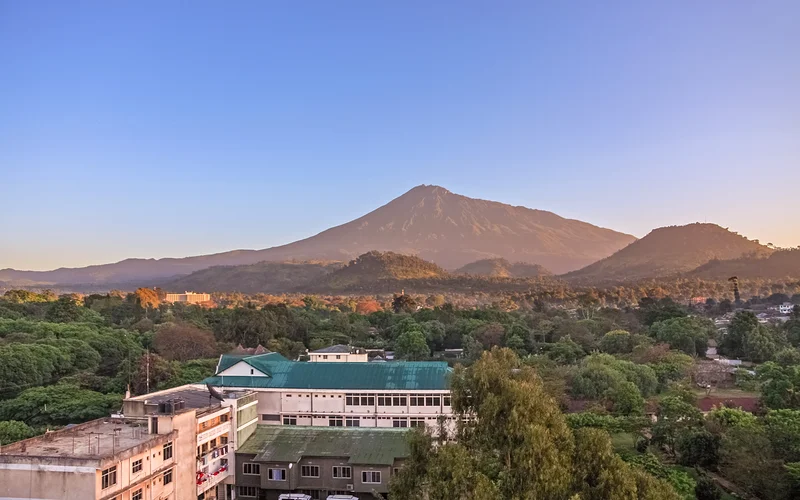
Around Arusha, coffee plantations on the slopes of Mount Meru offer hands-on tours covering harvesting, pulping, and roasting. It's low-key, but it gives you a real window into the country's agricultural economy. Further north, the Lake Natron region, with its red-tinted waters at the foot of the active volcano Ol Doinyo Lengai, is sparsely visited Maasai territory with a stark, almost otherworldly beauty.
Tanzanian Food: Generous, Spiced, and Unpretentious

Tanzanian cooking is hearty and no-nonsense. The foundation is ugali, a dense cornmeal porridge similar to polenta that serves as the base for everything: braised meats, boiled greens, beans. Along roadsides, nyama choma (charcoal-grilled meat) and mishkaki (spiced marinated skewers) are everywhere.
The Indian influence is especially visible along the coast: cardamom-scented biryanis, spiced rice pilaus, crispy chapatis, and fried sambusas filled with meat or vegetables. This culinary crossover is one of the defining features of Swahili civilization.
In Zanzibar, coconut, ginger, cloves, and turmeric show up in almost everything. The seafood curries and grilled fish in coconut sauce at local spots are in a completely different league from what gets served at tourist lodges. Eat where the locals eat. That's where Tanzanian food actually shows what it can do.
When to Go to Tanzania
The ideal timing revolves around two dry seasons. The main one, June through October, is the best window for safari: vegetation is low, animals cluster around water sources, and the Great Migration passes through the northern Serengeti between July and September. It's also peak tourist season, so prices are at their highest.
The short dry season from January through mid-March offers solid safari conditions with fewer crowds and lower rates. It's also calving season in the Serengeti, which means a lot of predator activity. The long rains (March through May) make some tracks impassable, but the landscape turns intensely green and prices drop significantly.
For Zanzibar, the sweet spots are June through October (dry season, lower humidity) and December through February (warm but stable). Avoid the March through May monsoon if beach time is the goal.
Getting to Tanzania
There are no nonstop scheduled flights from the US to Tanzania. Most connections route through Nairobi, Doha, Addis Ababa, or Amsterdam. The most commonly used carriers are Kenya Airways, Qatar Airways, Ethiopian Airlines, and KLM. Round-trip fares from the US typically run $1,200 to $2,500 depending on the season and how far in advance you book.
The main airports are Kilimanjaro (JRO) for the northern parks, Dar es Salaam (DAR) for the commercial capital, and Zanzibar (ZNZ) for the archipelago. The e-visa costs $50 USD and is obtained online before departure. Yellow fever vaccination is required if you're arriving from an endemic country.
Getting Around Tanzania
For safaris, a 4x4 with a driver-guide is the standard, and there's no real workaround. It's expensive, but it's also the only way to access most park tracks and get the expert local knowledge that makes the difference between a good game drive and a great one. Arusha-based local operators often offer comparable quality to Western tour operators at better prices.
Between major cities, long-distance bus companies like Dar Express and Kilimanjaro Express run comfortable services at modest fares. Dala-dalas, the local minibuses, are the everyday transport option: cheap, but often packed well beyond capacity.
On domestic flights: as of June 2025, all Tanzanian-certified airlines are on the EU Air Safety List due to identified gaps in civil aviation oversight. Check the public list and talk through alternatives with your operator before booking any internal flights.
Insider tip: the Azam Marine ferry between Dar es Salaam and Zanzibar is a fast (2 hours) and affordable option at around $35 USD per person. Book ahead during peak season; crossings sell out days in advance.