
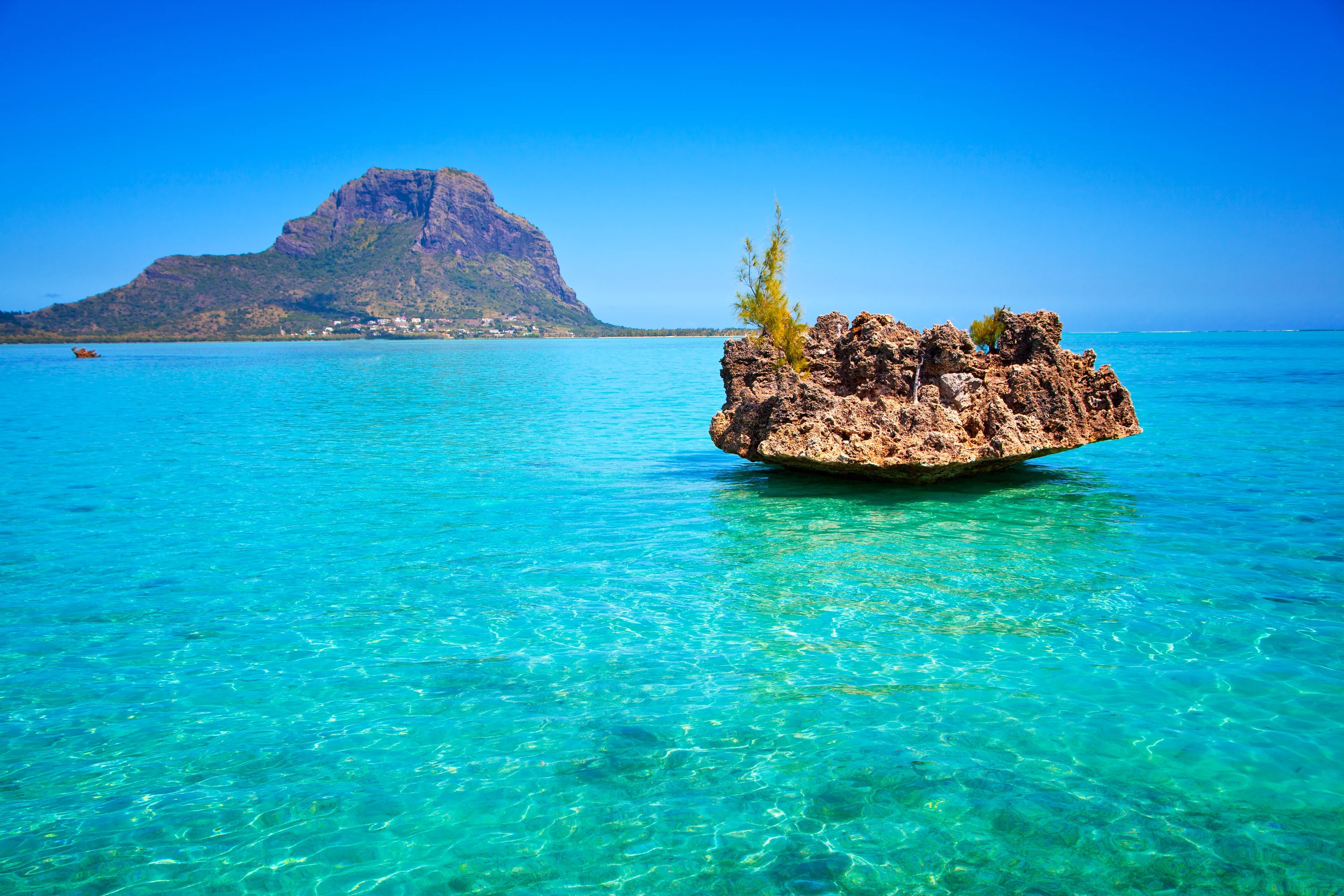
Mauritius wasn't even on my radar. In my mind, it was the quintessential €5,000-a-week honeymoon destination with all-inclusive deals, poolside cocktails, and open-bar wristbands. Then a colleague showed me his photos from last May. The same turquoise lagoons, the same postcard-perfect beaches, but he had spent €1,200 all-inclusive for 10 days.
I nearly spat out my coffee. Camille and I booked our flights that very evening, and honestly, it's one of the best value-for-money trips we've ever taken. I'm sharing everything: a detailed itinerary, actual breakdowns by category, and the tourist traps to avoid.
Why Mauritius is (Much) More Affordable Than You Think

The first thing that surprised me was the island's size. We're talking about a stretch of land 65 km long and 45 km wide. To put it in perspective, it's three times smaller than Corsica. You can drive across the island from north to south in an hour and fifteen minutes flat.
Practically speaking, that changes everything for your budget. No need to take domestic flights, no endless drives between spots. A rental car, one or two home bases, and you can see the highlights in 10 days without ever feeling rushed.
The other good news: the cost of living in Mauritius is about 20 to 25% cheaper than in France for food and dining out. There are plenty of free activities (beaches, hiking, markets), and even paid excursions remain reasonable.
My Detailed Budget: What We Spent for 10 Days as a Couple
Here is the moment you've all been waiting for. We went in May 2025, during the low season, which allowed us to save money on almost every expense. We planned everything ourselves, without an agency.
| Expense Category | Budget for 2 people | Budget per person |
|---|---|---|
| Round-trip flights Paris-Mauritius (Air Mauritius, luggage included) | 1,050 € | 525 € |
| Accommodations (9 nights, mix of guesthouses and apartments) | 450 € | 225 € |
| Car rental (9 days + gas) | 280 € | 140 € |
| Food (street food, restaurants, groceries) | 400 € | 200 € |
| Activities and excursions | 250 € | 125 € |
| Miscellaneous (SIM card, souvenirs, parking, tips) | 130 € | 65 € |
| TOTAL | 2,560 € | 1,280 € |
Yes, you read that right: €1,280 per person for 10 days in the Indian Ocean, flights included. We didn't deprive ourselves of anything (catamaran excursion, evening dinners out, plenty of activities), we just made smart choices. I'll break down each category in the rest of the article.
💡 Budget Tip: May to September is the tourist low season in Mauritius. It's still 24-27°C during the day, there are fewer crowds everywhere, and best of all, flight and accommodation prices drop significantly. It's the ideal time for a budget trip.
The Last-Minute Flight + Hotel Package Option: A Great Deal for the Impatient

After breaking everything down, I know what some of you are thinking: "That's all well and good Julien, but I don't have time to compare 14 guesthouses and 6 car rental companies." I totally get it.
And honestly, if I had to do it all over again in hassle-free mode, I would seriously look into last-minute flight + hotel package deals. Why? Because Mauritius is 65 km long. Sixty-five. You can cross the island in an hour and fifteen minutes. Whether your hotel is in Grand Baie in the north or Flic-en-Flac in the west, you can see the best of the island by renting a car for a few days.
Here is a link to give you an idea of a last-minute trip including flight + hotel (often half-board), where you can find deals starting from €750 to €900 per person for 7 to 10 nights. All you have to do is add car rental for €25-30/day and your activities. Result: a final budget comparable to ours, but with zero logistics to manage beforehand.
| Expense | Self-organized | Last-minute flight + hotel package |
|---|---|---|
| Flights + accommodation | €1,500 | €1,500 - €1,800 (half-board included) |
| Car rental | €280 (9 days) | €160 - €180 (5-6 days) |
| Food outside hotel | €400 | €200 (dinners are at the hotel) |
| Activities + miscellaneous | €380 | €350 |
| TOTAL | €2,560 | €2,200 - €2,500 |
The only "sacrifice": you have less flexibility when choosing the hotel and the area. But honestly, on an island 65 km long, that's not a real deal-breaker. Drop off your bags, rent a car, and explore at your own pace.
My 10-day itinerary: the complete island tour
We broke our trip down into 4 geographical stages with two accommodation changes. The advice I'd give anyone: don't move more than 2 to 3 times. Luggage and check-ins eat up time. And distances on the island are so short that you can easily radiate out from a single point.
Stage 1: The North, Grand Baie and surroundings (Days 1 to 3)

We landed at Sir Seewoosagur Ramgoolam Airport (yes, the name is long, everyone just says "SSR") around 6 AM. Virtually no jet lag (+2 hours in summer, +3 hours in winter compared to Paris), so we were ready to go right away. We picked up our rental car and headed straight to Grand Baie, about a 1-hour-and-10-minute drive north.
Day 1: Check-in and Trou aux Biches beach
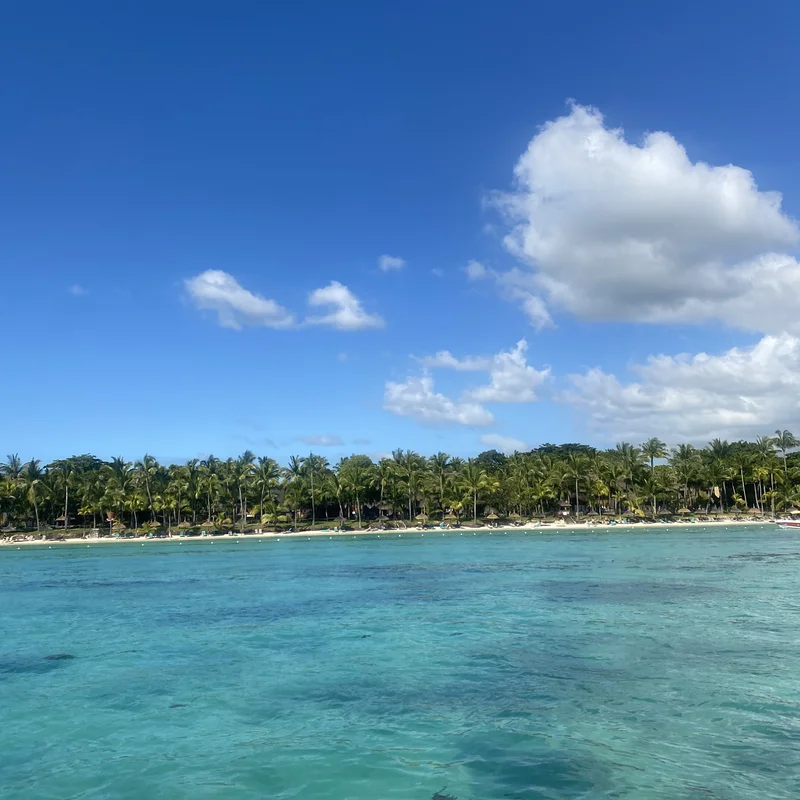
After the drive and checking into our little apartment in Grand Baie (€42/night for two, equipped kitchen, 5 minutes' walk from the beach), we headed over to Trou aux Biches. Crystal-clear water, white sand, coconut palms, total cliché. Except it's actually true. And in May, we were practically all alone on the beach.
First Mauritian meal that evening at a small restaurant in Grand Baie: mine frit (stir-fried noodles) and dumplings for two, €8. Camille and I looked at each other and knew we were going to love this trip.
Day 2: Cap Malheureux and boat trip
Head to Cap Malheureux in the north of the island, with its famous red-roofed church facing the sea. It's a must-see photo spot and the village has a quiet charm. In the afternoon, we took a catamaran trip to Flat Island (Îlot Gabriel) from Grand Baie. Snorkeling, beach barbecue, swimming in incredible waters. Expect around €40-50 per person for the day.
⚠️ Tip: Book your sea excursions directly with local operators (ask your accommodation host, they always have contacts). It's 15 to 20% cheaper than through online platforms or hotel agencies.
Day 3: Port Louis and the Pamplemousses Garden
Culture day. The Port Louis Central Market is a must-visit. The smell of spices, the tropical fruit stalls, vendors letting you taste chili and vanilla. We bought Mauritian tea, curry spices, and a small bag of local cane sugar. Souvenir budget: €15 for a big bulging bag.
In the afternoon, we zoomed over to the Pamplemousses Botanical Garden, 15 minutes away by car. The giant water lilies are impressive, though honestly, you can tour the place in 1 to 1.5 hours. Admission is 200 Mauritian rupees (about €4). Right next door, the Aventure du Sucre Museum is well worth a detour if you like understanding a country's history. It's well done, and there's rum tasting at the end. No need to twist my arm.
Step 2: The West Coast, Flic-en-Flac and Le Morne (Days 4 to 6)

We left Grand Baie and headed down to the west coast. A 45-minute drive, no more. We dropped off our bags at a guesthouse in Flic-en-Flac (€55/night, small pool, and an absolute sweetheart of an owner who gave us a million great tips).
Day 4: Flic-en-Flac, legendary sunset
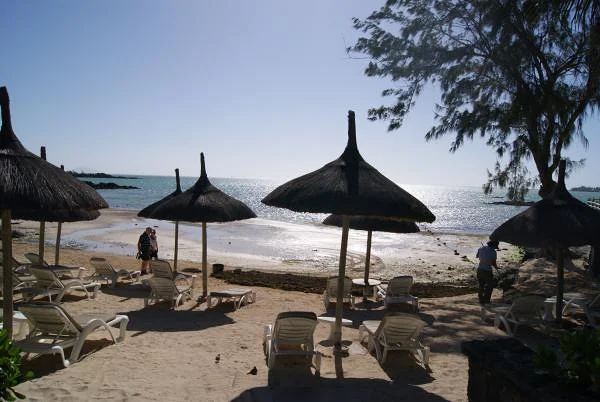
Flic-en-Flac beach is huge and lined with casuarina trees. The water is calm thanks to the coral reef, making it perfect for swimming. We spent the morning chilling out, then had a roti (a kind of curry-filled wrap) for lunch, bought from a street vendor for €1 each. Seriously, €1.
In the evening, we watched our first Mauritian sunset from the beach. The west coast is THE spot for this, with the sun dropping straight into the ocean. If you're not moved, check your pulse.
Day 5: Hiking Le Morne Brabant
The highlight of the trip. Le Morne Brabant, a UNESCO World Heritage site, is that iconic mountain overlooking the island's southwest. We started the hike at 7:00 AM (essential to beat the heat). Plan for 3 to 4 hours round trip for the 7 km.
The first 250 metres are easy, then things get tricky with some rocky sections. But the view at the summit... words fail me. The lagoon, Île aux Bénitiers down below, and Le Morne beach with its shades of blue. We stood glued to the spot for 20 minutes in total silence.
⚠️ Important: Bring plenty of water (at least 1.5L per person), sunscreen, and a hat. There is virtually no shade on the trail. Hiking boots are strongly recommended for the upper section.
In the afternoon, we enjoyed a well-deserved rest on Le Morne beach. Easily my favorite beach of the entire trip, hands down. The turquoise water with the mountain in the background is just surreal. All beaches in Mauritius are public, so don't hesitate to set up your towel even if luxury hotels line the shore.
Day 6: Dolphins in Tamarin and Casela
Wake-up call at 5:30 AM for a dolphin-watching boat trip in Tamarin Bay. We saw them, a dozen dolphins swimming right around the boat. A magical moment. The boat captain also took us snorkeling on a nearby reef. Price: about €35 per person.
If you're traveling with kids or love nature, the Casela Nature Parks is a good option for the afternoon. We skipped it because we preferred the beaches, but several fellow travelers we met there recommended it.
Step 3: The Wild South, Chamarel and Blue Bay (Days 7 and 8)

The south of Mauritius has a completely different vibe. Wilder, less touristy, with landscapes that are a dramatic change from the northern beaches.
Day 7: Chamarel, the Seven Colored Earth and the rum distillery
From Flic-en-Flac, we drove towards Chamarel (30-40 minutes heading inland). First stop: the Chamarel Waterfall, a drop of about 100 metres. Beautiful, especially in the morning when the light hits it just right.
Next up, the famous Seven Colored Earth. It's a geological phenomenon where the soil shows off shades ranging from red to violet. Honestly? It's nice to see, but you can easily tour it in 30 to 45 minutes. Admission for both sites (waterfall + colored earths) costs around €4 per person. Not a major investment.
What really made the day special was the Chamarel Rum Distillery. A tour of the facilities, fascinating explanations of how Mauritian agricultural rum is made, and a tasting of 6 rums at the end. We left with two bottles in the trunk (€15-25 a bottle, much cheaper than back in France).
On the way back, we made a detour to Grand Bassin (Ganga Talao), a sacred lake set inside an old volcanic crater, surrounded by Hindu temples and giant statues. The place is free and quite impressive. We spent about forty minutes there.
Day 8: Blue Bay, the snorkeling paradise
Head southeast to reach Blue Bay, about an hour and fifteen minutes from Flic-en-Flac. And right there, instant love at first sight. The Blue Bay Marine Park is a protected area with thriving corals and crystal-clear water. We took a glass-bottom boat to get out to the park (around €8 per person), and the snorkeling was unbelievable.
We saw fish of every color, turtles, and brain-like corals. It's the best snorkeling spot we visited on the island, and quite possibly the best one of all our travels.
💡 Tip: Bring your own mask and snorkel if you can. You can rent gear on-site, but it's sometimes worn out. A good anti-fog mask makes all the difference for enjoying your snorkeling.
In the afternoon, we took a little stroll through the village of Mahébourg, a charming former port with colonial houses and a deeply local vibe. If you happen to be there on a Monday, the Mahébourg market is famous for being one of the most authentic on the island.
Step 4: The East Coast, Belle Mare, and Ile aux Cerfs (Days 9 and 10)

Day 9: Belle Mare and its 10 km of beach
We drove up the east coast from Blue Bay. Belle Mare is known for its seemingly endless stretch of white sand beach. It's gorgeous, quiet, and a whole lot less crowded than the north. We settled in for a half-day of total relaxation.
That evening, we had dinner at a small local restaurant in Trou d'Eau Douce, a fishing village where the boats depart for Ile aux Cerfs. Wood-fired pizza, grilled fish, two beers. €22 for two.
Day 10: Ile aux Cerfs and heading back
Last day, and certainly not the least. Boat departure from Trou d'Eau Douce for Ile aux Cerfs. The classic excursion includes the crossing, a stop at the Grand River South East waterfall (pretty), snorkeling, and a barbecue on the island. Count on €40 per person.
Ile aux Cerfs is the ultimate postcard scene. White sand, turquoise water, palm trees. It's touristy, sure, but it's breathtakingly beautiful. We soaked it all in until 2:00 PM before catching the boat back and cruising leisurely toward the airport (about a 55-minute drive from Trou d'Eau Douce).
Getting around Mauritius: Car or bus?
我们 We rented a car for the entire trip, and it is the choice I 100% recommend. A few important points to know:
- Driving on the left: Yep, it's a bit surprising at first. We got used to it in half a day. The most confusing part is that the turn signal stalk is swapped with the windshield wipers. You're going to set off the wipers 47 times on the first day, and that's completely normal.
- Rental price: We found a small air-conditioned sedan for €27/day. Book through a local rental agency rather than the big international brands; it's often 30 to 40% cheaper.
- Gas: Around €1.30 a liter. We spent about €40 on gas over 9 days, which just goes to show how short the distances really are.
- Driver's license: Your home country license is enough for stays under 90 days; no international driving permit needed.
- Traffic jams: The only real downside. During rush hours (7 AM, 9 AM and 4 PM, 6 PM), the areas around Port Louis get heavily congested. Avoid planning a north-south trip during those times.
If you don't want to drive, taking the bus is a very budget-friendly alternative. A trip from Port Louis to Grand Baie costs less than €1. The network covers the island well, but rides are slow and timetables aren't always reliable.
Eating in Mauritius on a budget: Street food and great addresses
Mauritian food was one of our absolute favorite memories from the trip. The island is a melting pot of Indian, Chinese, Creole, and French cuisines, and that fusion shines through in every single dish.
Street food: The hidden treasure of Mauritius

You'll find street vendors everywhere. Here is what we tried and loved:
- Dholl puri: a vegetarian flatbread stuffed with lentil curry and chutneys. The national dish, sold for 15, 20 rupees (€0.30 to €0.40). Yes, you read that right.
- Mine frit: stir-fried noodles with soy sauce, vegetables, and your choice of meat or seafood. Generous and delicious, 50, 80 rupees (€1 to €1.70).
- Boulettes (Mauritian dim sum): steamed, served with a broth and spicy sauce. Around 30, 40 rupees for 6 (€0.70).
- Roti: a flatbread stuffed with curry. Our favorite on-the-go lunch, costing €1, 2.
- Alouda: a refreshing drink made with milk, basil seeds, and syrup. Perfect after a hike. 15, 20 rupees.
⚠️ Note: Mauritian cuisine can be very spicy. If you're not used to it, always ask for "not spicy" (pa pike in Creole). Also check for gluten if you're intolerant, as many dishes contain it.
Restaurants: eating well for €10, 20 for two
In small local eateries (not hotel restaurants), a main course costs between €5 and €12. We easily had great meals for two for €15, 20 in the evening, including a beer each. The grilled fish of the day is often the best choice, fresh and inexpensive.
For supermarket shopping, sugar, tea, rice, and tropical fruits cost a fraction of European prices. We bought mangoes, pineapples, and lychees to go with our breakfasts.
My 8 tested tips for saving money in Mauritius
Beyond the overall budget, here are the concrete tips that helped us save money throughout our trip:
- 1. Travel in the low season (May to September): Flights are 20 to 30% cheaper, accommodations too, and the weather is still great (24, 27°C). It's the ideal time for a budget trip.
- 2. Book your flights 3 to 4 months in advance: We paid €525 per person round-trip with Air Mauritius. By booking earlier or keeping an eye out for deals, some travelers find flights for €450, 500.
- 3. Opt for guesthouses and apartments with kitchens: Being able to prep your own breakfasts and a few meals makes a real difference over 10 days. We easily saved €10, 15 a day compared to eating out for every meal.
- 4. Rent through local agencies: Whether for a car or excursions, going through local operators is consistently cheaper than international platforms. Ask your host for recommendations.
- 5. Eat local, eat street food: A dholl puri for €0.40 or a roti for €1 means lunch is sorted for next to nothing. Save restaurants for the evening.
- 6. Take advantage of free activities: Hiking Le Morne, public beaches, snorkeling right off the shore, Grand Bassin, local markets... Mauritius's best experiences don't cost a dime.
- 7. Buy your souvenirs at the Port-Louis market: The exact same products (spices, vanilla tea, rum, crafts) cost 2 to 3 times more in tourist boutiques. And don't hesitate to haggle, it's part of the game.
- 8. Go for a package deal if you're flexible: If you stumble upon a good promo with flights and hotel included, go for it. The island is small enough to see everything from a single basecamp.
Free (or nearly free) activities you shouldn't miss
People tend to think you have to spend a lot to enjoy Mauritius. That's not true. Here's what we did without spending (almost) anything:
- Hiking Le Morne Brabant: free, you just need good shoes and water.
- Public beaches: Le Morne, Trou aux Biches, Flic-en-Flac, Belle Mare... all free and stunning.
- Snorkeling right from the beach: at Blue Bay, you can snorkel straight from the shore without paying for a boat.
- Grand Bassin (Ganga Talao): a sacred Hindu site, free and fascinating.
- Port-Louis Central Market: free entry, guaranteed spectacle.
- Chamarel Waterfalls: accessible for about €4 (for both sites).
- Strolling along the Tea Route: the landscapes of the island's interior, between sugarcane fields and mountains, are well worth the drive.
What I would do differently (my mistakes to avoid)
No trip is perfect. Here is what I would change if I had to do it over again:
What we did right
- Renting a car right at the airport: essential for independence and saving time
- Going in May: perfect weather, low prices, few tourists
- Making Flic-en-Flac our base: centrally located for heading south, west, and north
- Mixing street food and restaurants: the best of both worlds without blowing the budget
- Hike Le Morne very early in the morning: less heat, stunning light
What we should have done differently
- Spend a night in the south (Mahébourg or Blue Bay) instead of driving back and forth from Flic-en-Flac: the drive was long during rush hour
- Book the Tamarin dolphin trip earlier: boats leave around 6:30 AM and spots fill up fast in high season
- Plan one extra day in Mauritius: 10 days is good, 12 would have been perfect to avoid rushing anything
- Buy a SIM card right at the airport: we waited until the next day and struggled without GPS on day one (Emtel, 15 € for 100 GB, excellent network)
Practical info to prepare your trip
Formalities and health
Entry requirements for Mauritius are straightforward. No visa is required for French citizens for stays under 90 days. Your passport must be valid for 6 months after your return date. No vaccinations are mandatory, but be sure to bring good mosquito repellent (dengue fever exists on the island, even though the risk is low).
When to go?
People ask this all the time, so here is a simple summary:
| Period | Weather | Crowds | Prices |
|---|---|---|---|
| May to September (southern winter) | 24-27°C, dry, pleasant | Low season | Best prices |
| October to December | 27-30°C, increasingly humid | High season, very busy | +30 to 40% on flights and hotels |
| January to April (southern summer) | 28-33°C, humid, cyclone risk | Mid-season | Variable prices, good deals possible |
My recommendation: May and June are the ideal months. The weather is warm and pleasant, the lagoon water is still nice and warm, and you'll pay 20 to 30% less than in high season.
Tourist tax
Since October 2025, a tax of 3 € per night per person applies in tourist accommodations. It’s not huge, but over 9 days for two people, it still adds up to 54 € to the budget. It's usually included in the displayed hotel rates, but double-check when booking guesthouses.
Budget summary by traveler profile
| Profile | Accommodation | Budget / person |
|---|---|---|
| Backpacker | Dorm, homestay | 900 - 1,100 € |
| Savvy traveler (our profile) | Guesthouse, apartment | 1,100 - 1,400 € |
| Comfort | 3-4 star hotel | 1,800 - 2,500 € |
| Luxury | 5-star resort | 3,000 € and up |
My verdict after 10 days in Mauritius
If I had to sum up this trip in one sentence: Mauritius is a luxury destination at an affordable price, as long as you don't stay locked inside a resort. The beaches are among the most beautiful we've ever seen (and we've traveled quite a bit), the food is incredible and inexpensive, and the locals are disarmingly kind.
We spent around €1,300 each for 10 days, flights included. We spotted dolphins, climbed a UNESCO-listed mountain, ate the best rotis of our lives, and brought back two bottles of rum in our suitcase. Frankly, I don't see what more we could have asked for.
And if you don't feel like planning everything the way we did, there's always the last-minute flight and hotel package option. On such a compact island, it's a smart choice that will cost you just as much (if not less) with zero hassle beforehand.
Enjoy your trip to Mauritius. You're going to love it.

Comments (0)
No comments yet. Be the first!