
Le Morne Brabant: The mountain that refuses to forget
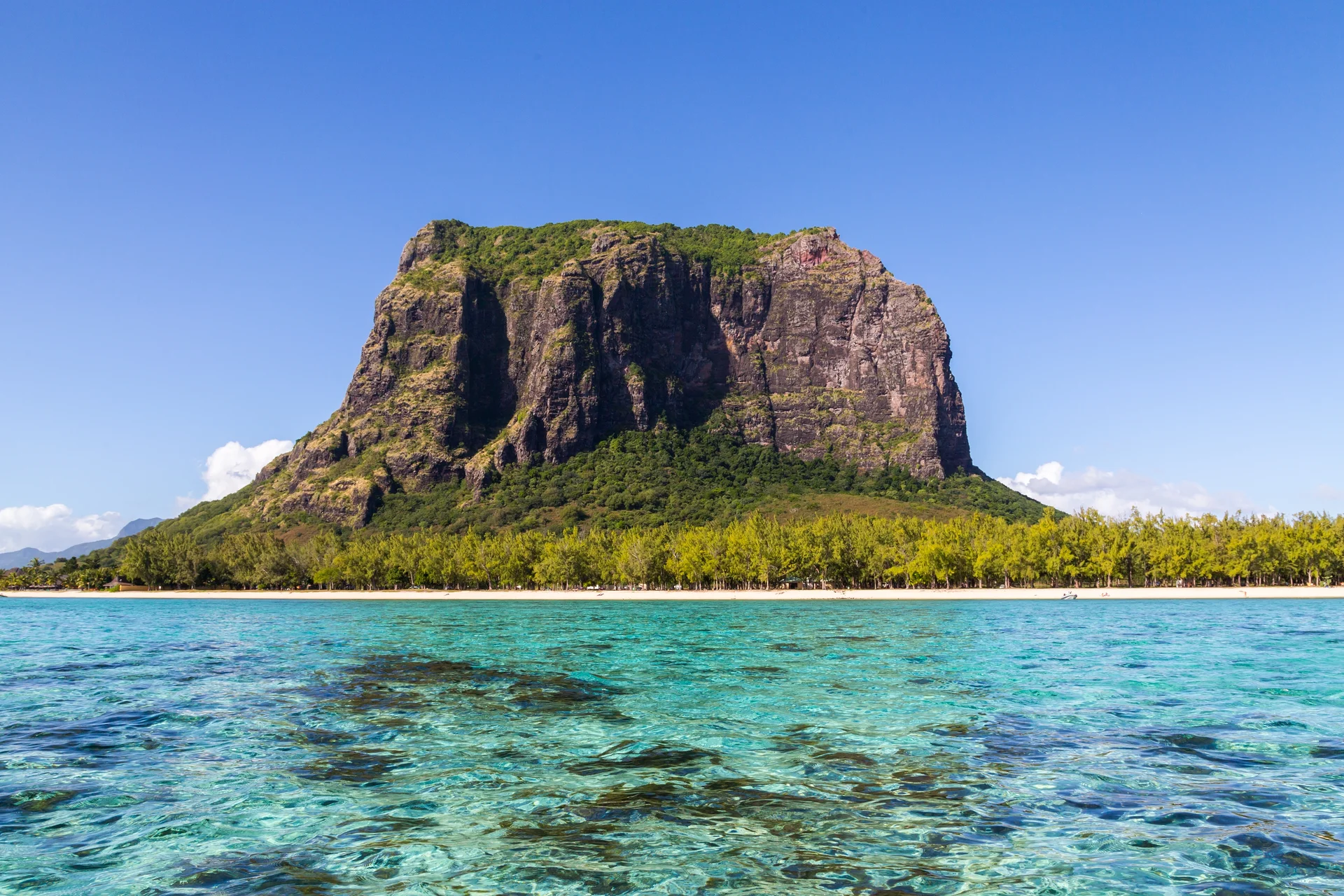
The basalt feels warm under your palms. Your breath catches. Then, around a jagged rock formation, the lagoon appears below in a shade of turquoise so intense it looks artificial. Le Morne Brabant, a 556-meter monolith anchored at the southwestern tip of Mauritius, is much more than just a hike. It is a place where geology meets memory, where every cave tells the story of men and women who chose death over enslavement.
Why climb Le Morne Brabant?
Designated a UNESCO World Heritage site in 2008, the mountain serves as the symbol of marronnage (the resistance of escaped slaves) in Mauritius. During the 18th and 19th centuries, those fleeing bondage found refuge in its caves and on its inaccessible slopes. Legend says that in 1835, when police arrived to announce the abolition of slavery, the runaways, fearing they were being captured, jumped from the summit.
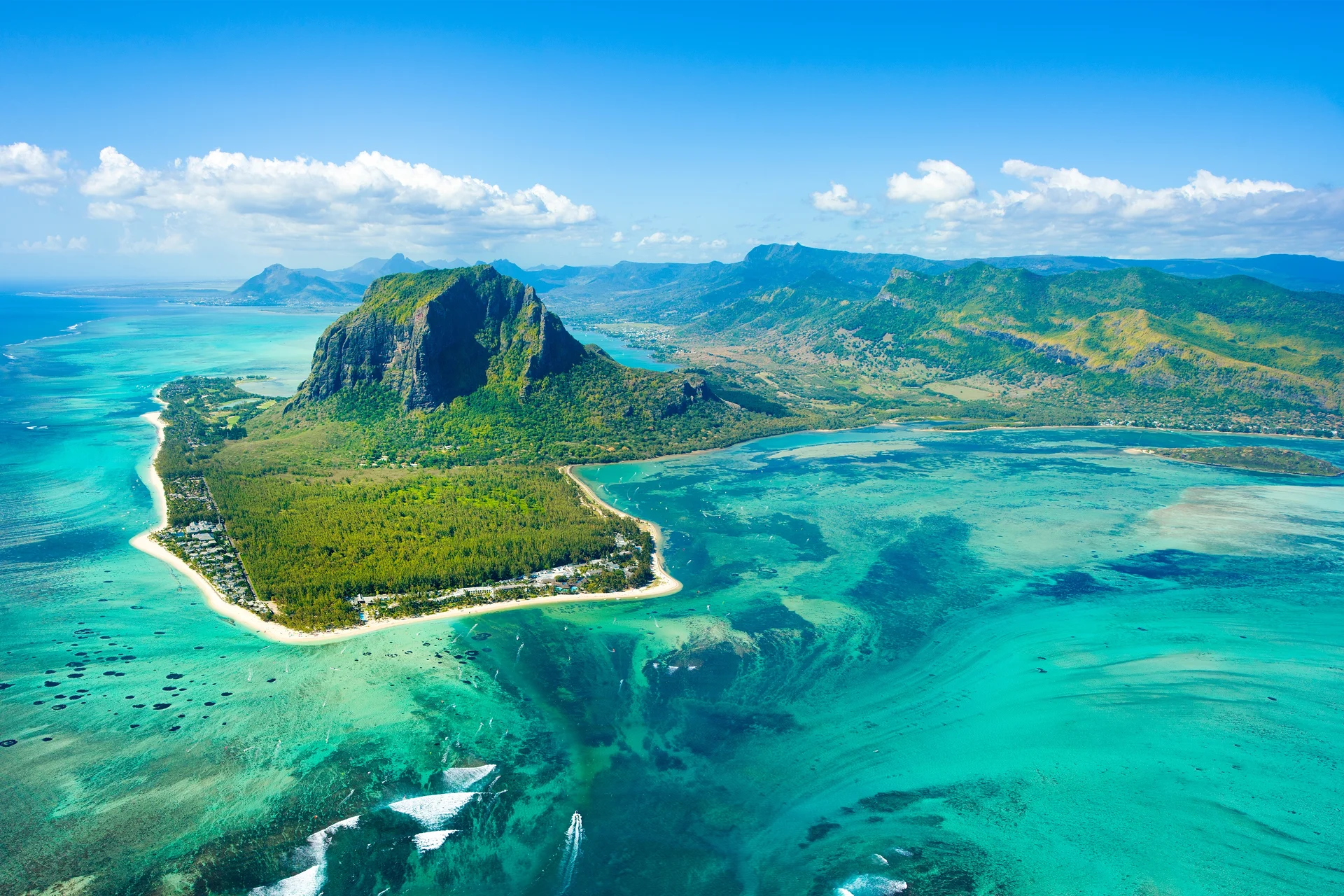
Beyond this tragic history, it is arguably the best hike in Mauritius. The 360-degree panorama from the top takes in the southwest coast, the offshore islets, and the famous underwater waterfall, an optical illusion created by sand currents visible from the heights.
The trail: two very different faces
The first half, easy
The trail begins at the entrance gate where you are required to sign a register. The gate is open from 7:00 AM to 2:30 PM daily. The first section, about 2.5 km, is a wide, shaded path through dry tropical forest. The incline is moderate. You will spot endemic species, including the rare Trochetia boutoniana, the national flower of Mauritius, which only grows in the wild here.
The second half, technical
After the first viewpoint, everything changes. The trail turns into a scramble over basalt rock. You must use your hands, hoist yourself over boulders, and navigate an exposed V-shaped passage. Ropes are installed in certain sections. This part is not suitable for those prone to vertigo or for young children.
Friendly tip: leave before 7:00 AM. The second half of the trail is completely exposed to the sun and the heat quickly becomes unbearable. Hikers who start at daybreak often have the mountain to themselves.
With or without a guide?
The main summit is accessible only with a certified guide. Independent hikers can reach the lookout point at 470 meters, which already offers a spectacular view. Local guides, often from the village of Le Morne, add a valuable dimension to the trek. They know the history of the caves, identify endemic flora, and provide safety on technical sections.
We highly recommend one, especially for the descent, which is trickier than the climb. You sometimes need to sit and slide down the rock, and a misstep on wet basalt can be dangerous.
What makes this hike exceptional
- A panorama among the most striking in the entire Indian Ocean
- A UNESCO site steeped in poignant history
- Access is free for independent hikers
- Endemic flora found nowhere else on the island
What to anticipate
- The second half is physically demanding with rock scrambling and exposed sections
- Intense heat, especially from November to April. Carry at least 1.5 L of water per person
- The gate closes at 2:30 PM. It is impossible to start the ascent after this time
- Basalt becomes slippery after rain
At the foot of the mountain: the Slave Route Monument
Before or after your climb, stop at the Monument de la Route des Esclaves (Slave Route Monument), facing the public beach of Le Morne. Inaugurated on February 1, 2009 for the 174th anniversary of the abolition of slavery, this garden features ten sculptures created by artists from Mauritius, Madagascar, Mozambique, India, China, Malaysia, Haiti, and Reunion Island.
The central work is surrounded by engraved stones symbolizing the countries from which the slaves were brought. The site is peaceful, free to enter, and takes about 15 minutes to visit. It extends the experience of the mountain with a rare depth of memory.
Estimated rates for guided hikes
| Option | Estimated rate per person |
|---|---|
| Independent hiking without a guide | Free |
| Guided hike with hotel transfer | 1,500 MUR |
| Sunrise hike with a private guide | From 2,000 to 2,500 MUR, about $42 to $52* per person |
Estimated rates subject to change.
Opening hours
| Monday | 07:00-14:30 |
|---|---|
| Tuesday | 07:00-14:30 |
| Wednesday | 07:00-14:30 |
| Thursday | 07:00-14:30 |
| Friday | 07:00-14:30 |
| Saturday | 07:00-14:30 |
| Sunday | 07:00-14:30 |
No departures are permitted after 2:30 PM.
How long for this activity
*Information subject to change

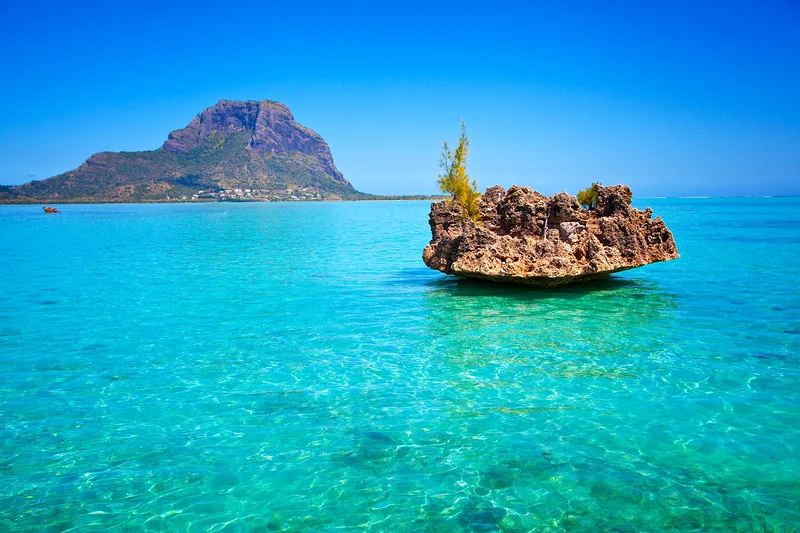
You get to the summit after a 7km round-trip hike. Leave very early in the morning to avoid the heat. It is a bit physical at times, but the effort is rewarded by an incredible view at the top.