Port Louis, the capital you didn't see coming
The smell of turmeric mixes with steam rising from Chinese wonton dumplings, a dholl puri vendor flips his twelfth flatbread in five minutes, and the noise from the Central Market drowns out the call to prayer from the nearby Jummah Mosque. Welcome to Port Louis. The capital of Mauritius is a place 90% of travelers rush through, eager to reach the northern beaches or the west coast resorts.
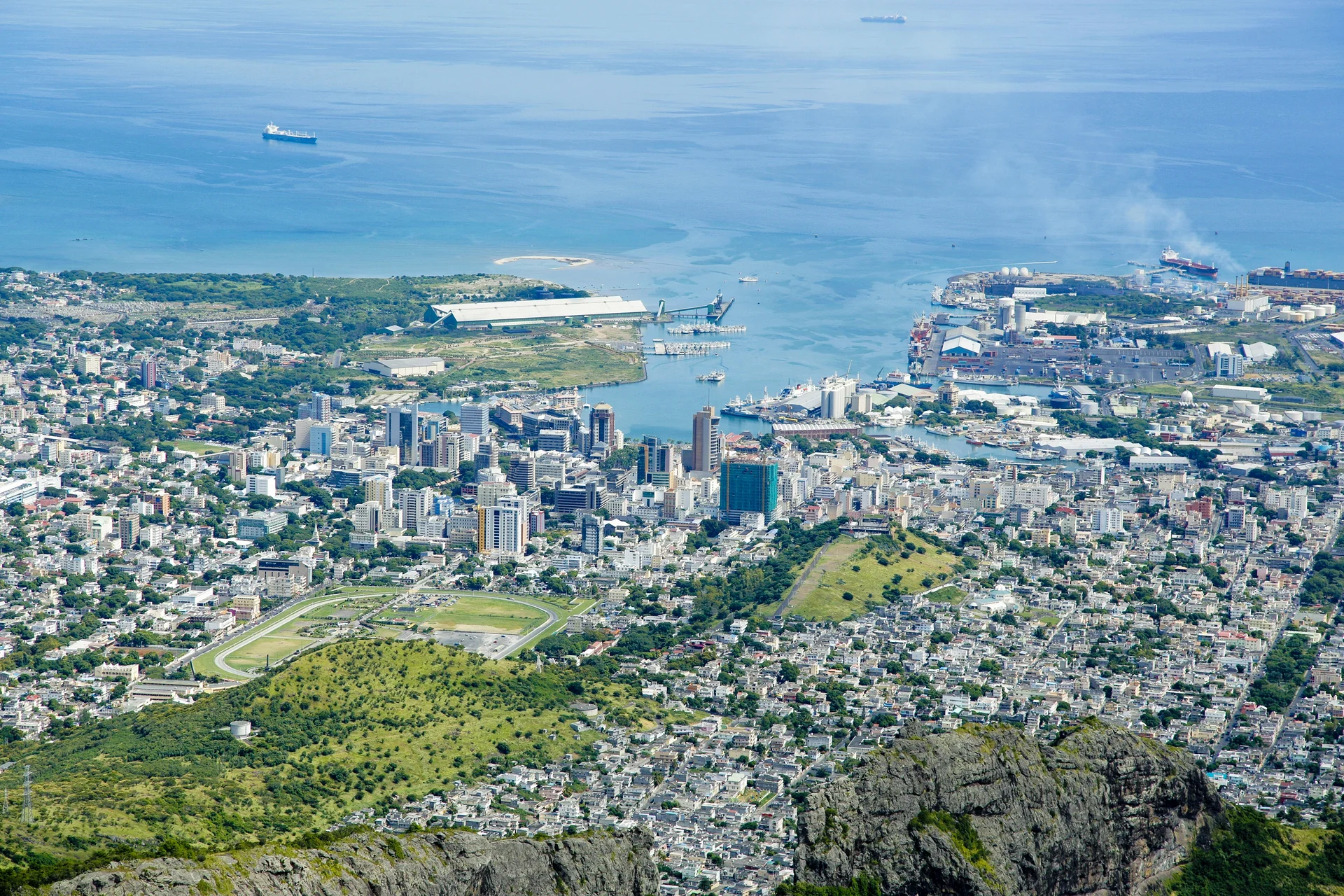
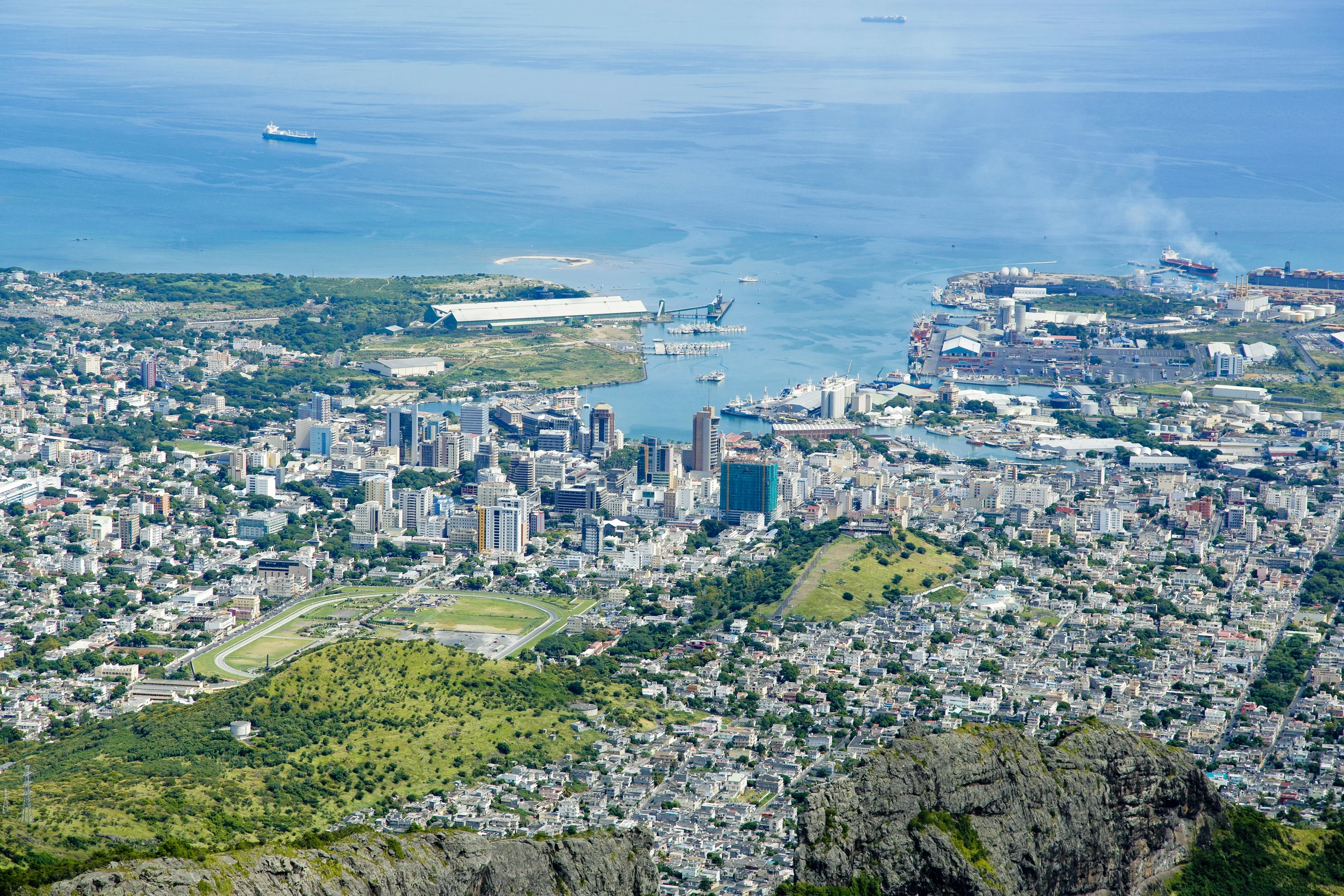
Yet right here, in these 45 km² wedged between the Indian Ocean and the Moka Range, is where the island truly beats. Founded in 1735 by French governor Mahé de La Bourdonnais, renamed Port Napoleon in 1806, and given back its original name by the British four years later, the city wears three centuries of colonization on its sleeve. That is precisely what makes it so fascinating.
One day is enough, but you will want two
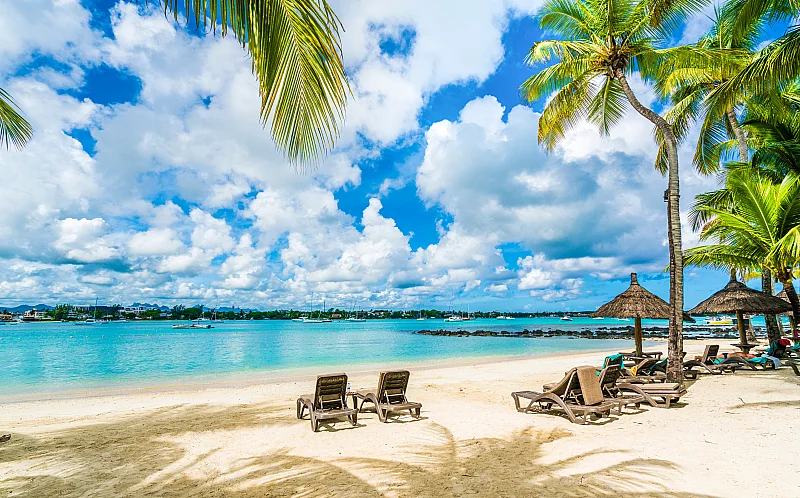
Let's be honest: Port Louis isn't a resort destination in its own right. You give it a day, maybe two if you want to climb up to the Citadel and book a proper food tour. But that single day can easily turn into one of the highlights of your trip to Mauritius, provided you are not expecting white sand and cocktails by a lagoon.
Great destination for:
- Street food fans and multicultural cuisine lovers
- Colonial history buffs and UNESCO heritage enthusiasts
- Curious travelers looking to experience authentic Mauritian life
- Families with kids: the Odysseo aquarium, the market, the waterfront
Not ideal for:
- Beachgoers looking to lounge: there are no notable beaches in the city proper
- Travelers sensitive to heat: Port Louis gets intensely hot, especially from November to April
- Nightlife seekers: the city practically shuts down after 6pm on weekdays
A very reasonable budget
Port Louis remains one of the most affordable cities in the Indian Ocean for visitors. Street food costs next to nothing, museums are cheap, and only lodging will push up your expenses if you go upscale.
| Expense item | Price range |
|---|---|
| Night in a guesthouse or hostel | $29 to $45* |
| Night in a comfortable 3 to 4-star hotel like Le Suffren or Labourdonnais | $90 to $180* |
| Quick bite: dholl puri, dumplings, samosas | $1.20 to $3.40* |
| Sit-down restaurant meal | $9 to $23* |
| Transportation and activities for one day | $5.70 to $17* |
| Backpacker daily budget | $40 to $62* |
| Comfortable daily budget | $113 to $230* |
A walkable city with a few precautions
Downtown is easy to explore on foot: from the Caudan Waterfront to the Central Market, expect a five-minute walk. The heat is the main hurdle, especially from November to April when temperatures regularly top 33 °C with thick, heavy humidity. Pack a hat, sunscreen, and plenty of water.
Language-wise, US travelers who speak English will find it very easy to get around. Mauritian Creole is the everyday language, but English and French are spoken everywhere. Locals switch effortlessly between them.
Is Port Louis safe?
Overall, yes. Tourists are not targets, and the general vibe is welcoming. Keep your eyes open at the Central Market where pickpockets take advantage of the crowds, and steer clear of the Company Gardens after dark. In the evening, the city empties out fast on weekdays, so stick to the Caudan Waterfront if you are out past 6pm since it is the only area that stays lively.
The Central Market and Chinatown: the heart of Mauritius
Start your walk at the Bazaar Port Louis, better known as the Central Market. It is loud, crowded, and occasionally overwhelming with pushy vendors, but this is where authentic local life happens. Downstairs, you will find tropical fruits, spices, medicinal herbs, and fish. Upstairs, the Craft Market sells souvenirs and handicrafts at negotiable prices.
Friendly tip: get there before 10am to experience the market at its liveliest and beat the oppressive midday heat. Aim for a weekday since Saturdays get packed.
Just steps away, the alleys of Chinatown open behind their distinct archway on Royal Road. This is the kingdom of dumplings, those Chinese meat pockets served in a clear broth. At Jim Boulettes on Bourbon Street or inside century-old lunch counters like Canton and Café L'Amicale, you eat sitting on plastic stools for just a few rupees.
The neighborhood also shelters traditional Chinese apothecary shops and tin-smith workshops that have withstood the test of time. Visit during the Chinese New Year celebrations in January or February when the streets explode with color and firecrackers.
From Caudan to the Citadel: between modernity and panoramic views
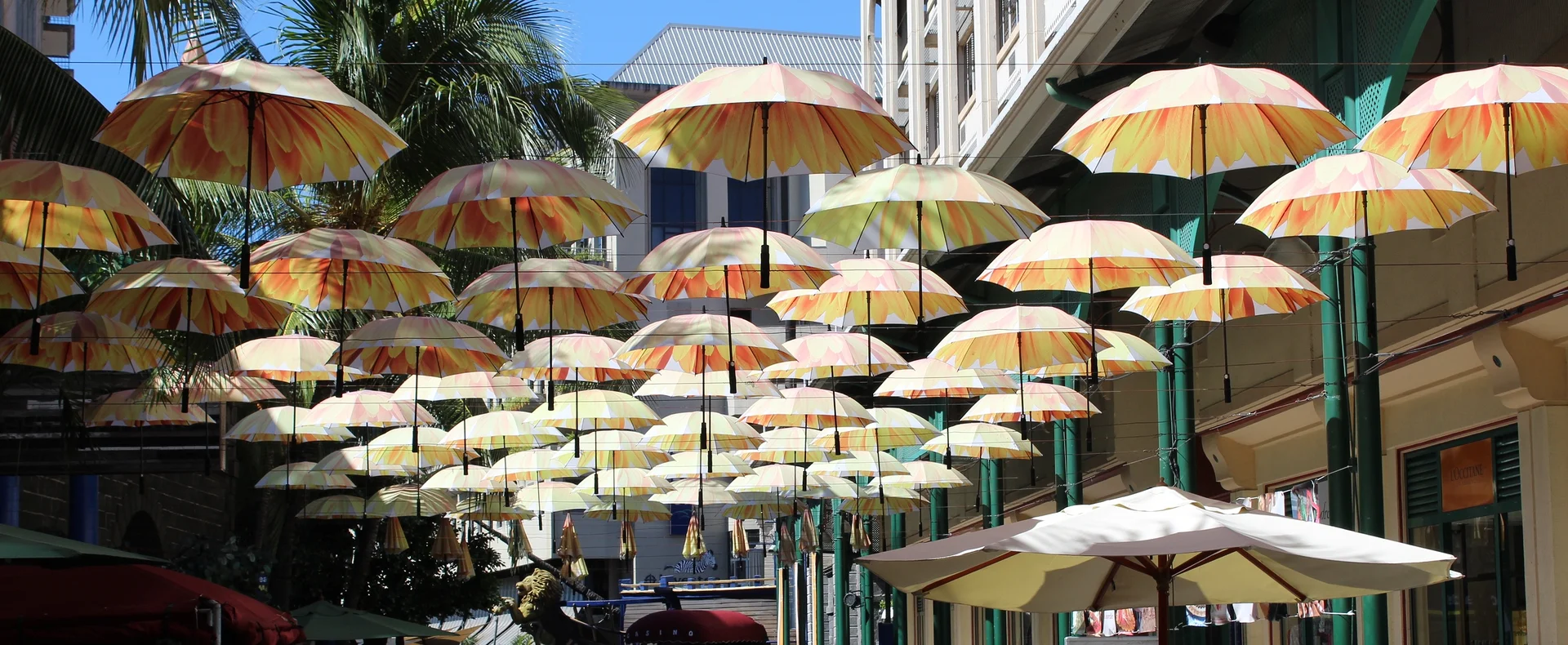
The Caudan Waterfront is the first modern shopping complex built in Mauritius. With shops, restaurants, a cinema, and a casino, it is the most polished corner of the city right on the harbor. We at Avygeo honestly prefer the gritty charm of Chinatown's alleyways, but Caudan is a solid spot to grab a table on a terrace with views of the ships.
The Blue Penny Museum inside the complex is worth a detour. It houses two of the rarest stamps in the world: the 1847 One Penny and Two Pence issues, the first ever produced in a British colony. The exhibit traces the history of Mauritius through a well-designed layout and audio guides.
To get above the rooftops, climb up to Fort Adelaide, commonly called the Citadel. Built by the British between 1834 and 1840, the fort was never actually used in combat. Its main draw is the sweeping 360-degree view over the city, the port, and the mountain amphitheater of the Moka Range. Admission is free.
Heritage and spirituality: three centuries in a few blocks
Port Louis packs an incredible concentration of places of worship into a tiny area. Mosques, Hindu temples, and a Catholic cathedral all sit right next to each other, reflecting the cultural mosaic of Mauritius.
The Aapravasi Ghat, a UNESCO World Heritage site since 2006, marks the arrival point for indentured laborers who came from India after the abolition of slavery in 1834. Between 1834 and 1920, close to half a million people walked up these 16 stone steps. The accompanying visitor center explains how this immigration shaped modern Mauritian society.
The Jummah Mosque, the largest on the island, offers a striking pocket of calm amid the urban rush. It welcomes visitors of all faiths. The Kaylasson Tamil Temple, featuring a tower carved with brightly painted deities, is well worth a look, especially during the Cavadee festival in January.
The Champ de Mars and the heights
Founded in 1812 by the first British governor, the Champ de Mars is the oldest racecourse in the southern hemisphere. Race season runs from March to December, mostly on Saturdays. The atmosphere is electric, as locals take horse racing seriously and the grandstands buzz with infectious energy.
If you want a hike, the trail up Le Pouce, standing at 812 m, starts a few miles south of the city near the village of Le Dauget. Plan for about a three-hour round trip on a moderate trail that delivers the best views over the capital and the northwest coast. A local guide is recommended since the trail markers can be sparse.
Where to eat and drink in Port Louis?
Port Louis has been ranked among the top street food cities in the world by CNN, and for good reason. Mauritian street food blends Indian, Chinese, Creole, and European influences into a flavorful mix.
Classics you need to try
- Dholl puri, a yellow split-pea flatbread stuffed with curry and rougaille, is the national dish. Expect a line at Ramsahye Maraz Palace on Bourbon Street.
- Chinatown boulettes: steamed dumplings served in broth, filled with chicken, fish, or chayote squash (locally called chouchou).
- Gâteaux piment: spicy split-pea fritters stuffed into a fresh bread roll with chutney.
- Alouda: a sweet, milky drink spiked with basil seeds, perfect to cool down after a morning at the market.
For a sit-down meal, La Bonne Marmite on Sir William Newton Street has been serving family-style Mauritian cooking since 1973. On weekends, diners sometimes break out into traditional sega dancing between courses. If you want a colonial vibe, a brewpub set inside an old Creole house at 4 St George Street serves beer-braised comfort food in a charming setting.
Where to stay in and around Port Louis?
Most travelers skip sleeping in Port Louis and visit on a day trip from their beach resorts. If you do want to spend a night in town, the Caudan Waterfront area offers the best balance of convenience and comfort with hotels like the Labourdonnais Waterfront Hotel or Le Suffren Hotel & Marina.
For tight budgets, guesthouses cluster around the Immigration Square bus station, though accommodations there are basic. A smarter alternative is staying in Grand Baie, about 30 minutes north, or Flic en Flac, 45 minutes west, to mix beach time with city excursions.
How to get to Port Louis?
Sir Seewoosagur Ramgoolam International Airport, code MRU, sits about 48 km southeast of the capital. Taxis take 45 to 60 minutes and run about $40 to $57*. Public bus line 198 connects the airport to downtown for under an hour and a half, though the trip takes at least 1h15.
US travelers typically fly via European hubs like Paris, London, or Frankfurt, or through Middle Eastern mega-connectors like Dubai or Doha on airlines such as Emirates or Qatar Airways. Round-trip airfares vary by season. Flight duration depends heavily on your connection routing through Europe or the Middle East. Jet lag is moderate when arriving from European gateways.
Friendly tip: US citizens do not need a visa for tourist stays under 90 days. A free entry stamp is issued upon arrival. Carry your lodging reservation and a return ticket, as customs officers may ask to see them.
How to get around Port Louis?
Downtown is compact and entirely walkable. From the Caudan Waterfront to Chinatown via the Central Market and Aapravasi Ghat, everything is reachable within a 10 to 15-minute walk. For longer hops, the bus network is extensive and very cheap, costing under a euro per ride. The Metro Express light rail system connects the capital to Curepipe for around $1.20*.
Neither Uber nor Lyft operate in Mauritius. The local app Yugo works on a similar model to book a fixed-rate taxi. To explore the island outside the capital, renting a car is the most practical choice, running about $23 to $29* per day for a compact vehicle. Keep in mind that driving is on the left side of the road.
When to go?
The best window runs from May to October during the southern winter, bringing mild temperatures between 18 and 24 °C, low rainfall, and manageable humidity. From November to April, the city turns into a furnace with temperatures frequently exceeding 33 °C, and the cyclone season can disrupt travel plans between January and March.
If you visit during horse racing season from March to December, catching a Saturday race meeting at the Champ de Mars is an experience you should not miss.