Grand Baie, the Pulse of Northern Mauritius
In the morning, fishermen haul in their nets on the beach in Pereybere, just a few hundred metres from souvenir shops that are still shuttered. By evening, the waterfront restaurants come alive, tables spill out onto the pavement, and sega music drifts from the bars along the shore.
Grand Baie is not the postcard Mauritius of secluded luxury resorts. It is a destination that moves, breathes, and fully embraces its role as the tourist capital of the north.
Is This Destination Right for You?
Grand Baie suits travelers who want to combine beach time with a social atmosphere, with easy access to a wide range of restaurants, shops, and water sports without being tied to an all-inclusive resort. It is also the best jumping-off point for exploring the north of the island, especially the Northern Islands like Île Plate or Coin de Mire.
On the flip side, if you are looking for isolation, total quiet, or an untouched beach far from the crowds, Grand Baie will likely disappoint. The main bay is lively, sometimes noisy, and the downtown beaches are far from the prettiest on the island.
Good choice for:
- Independent travelers who want freedom and nightlife
- Water sports enthusiasts (diving, kitesurfing, catamaran cruises)
- Couples and groups of friends looking for good food and bars
- Anyone wanting to explore northern Mauritius from a central base
Skip it if:
- You are looking for peace and quiet or secluded beaches
- You expect the luxury resort brochure version of Mauritius
- You are on a tight budget, as Grand Baie is one of the pricier areas on the island
Budget: Expect Higher Prices Than Elsewhere on the Island
Grand Baie is the most developed tourist hub in the north, and the prices show it. Independent guesthouses remain accessible, but waterfront restaurants charge rates close to European standards. Water sports often make up the largest part of daily spending.
| Expense | Estimated Range |
|---|---|
| Night in a guesthouse / homestay | $35 to $69* |
| Night in a comfortable hotel (3-4 stars) | $92 to $210* |
| Quick bite (dholl puri, street food) | $2.30 to $5.80* |
| Restaurant meal (main dish + drink) | $18 to $41* |
| Catamaran day trip | $58 to $92* |
| Backpacker daily total | $69 to $104* |
| Comfort daily total | $172 to $330* |
Indicative rates subject to change
Practical Realities
Grand Baie is one of the best-equipped destinations in Mauritius for independent travelers. Supermarkets, pharmacies, ATMs, car rental agencies, and scooter rentals are all packed within a few streets. Mauritian Creole is the everyday language, but French and English are understood everywhere in tourist shops and restaurants.
Traffic can crawl along Route Royale, the main drag, especially around late afternoon. Renting a scooter or a car is the most practical way to get around the north. Safety is generally good in tourist areas, but common sense applies at night and on isolated beaches.
The Beaches: Knowing Where to Go
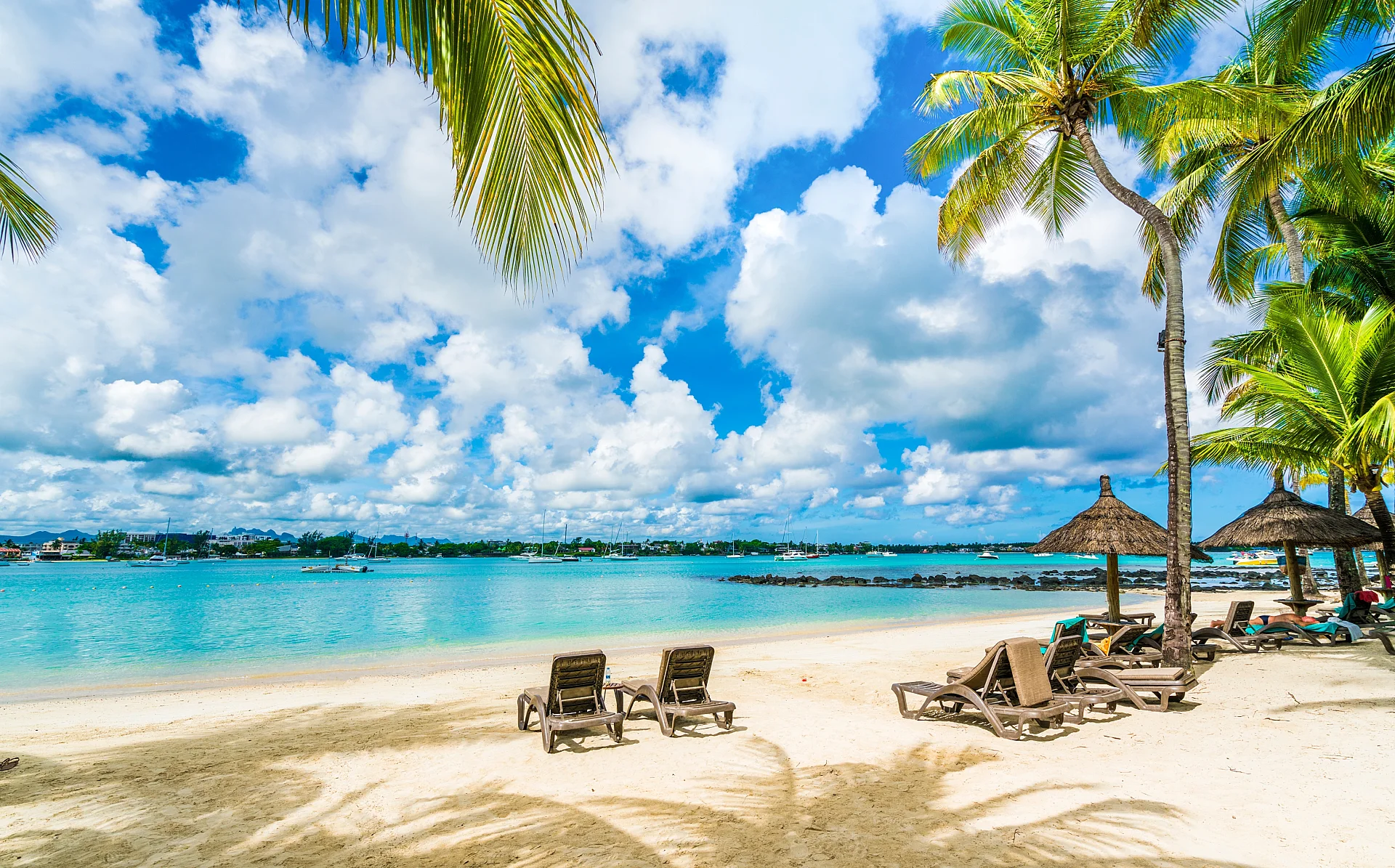
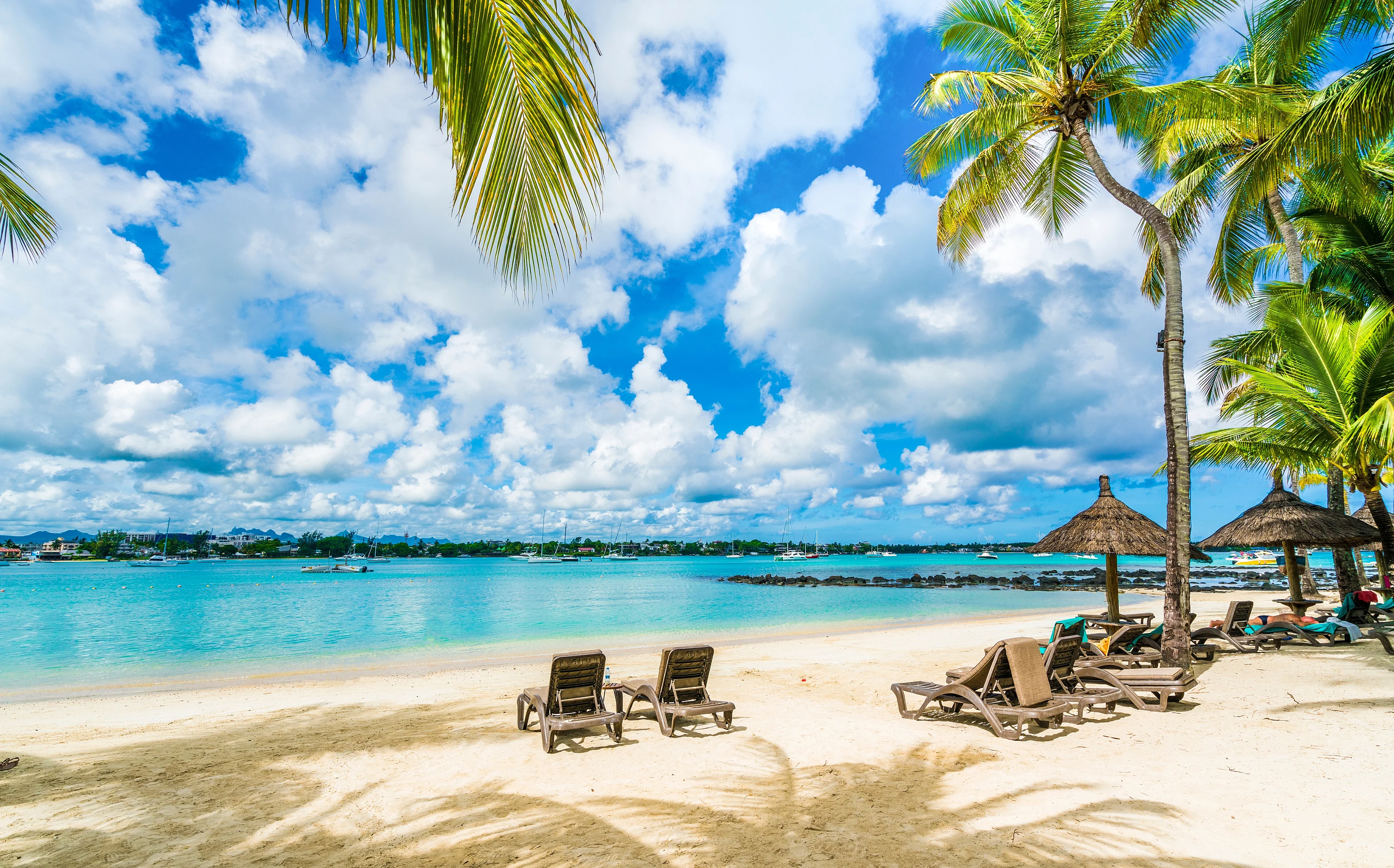
The main beach in downtown Grand Baie is decent but busy, crowded with boats and jet skis. For calmer and clearer water, Pereybere, located 2 km to the northeast, is much better with its protected cove and shallow turquoise water that works well for snorkeling. It is our top pick for a lazy beach day.
Mont Choisy, a few miles to the southwest, offers a long stretch of white sand shaded by casuarina trees. Quieter on weekdays, it draws local families on weekends.
Friendly tip: For snorkeling, skip the spots directly in front of the Grand Baie waterfront restaurants where visibility is poor. Head to Pereybere early in the morning before 9 AM, when the water stays clear and the beach is nearly empty.
Water Sports and Excursions
This is where Grand Baie truly shines. Tour operators line the waterfront offering trips out to the Northern Islands like Île Plate, Île Gabriel, and Coin de Mire, a dramatic volcanic rock jutting out of the ocean about fifteen kilometres offshore. Catamarans usually set sail early in the morning, including snorkeling stops, lunch, and time on empty beaches.
Scuba diving is another local specialty. Several PADI-certified dive centers operate out of Grand Baie with sites suited to both beginners and experienced divers. Wreck dives, particularly the Stella Maru, rank among the most requested dives in the region.
Local Life and Food
The Grand Baie Bazaar market offers a look at daily life where tropical fruits, spices, textiles, and local crafts mix in an atmosphere much less polished than the beachfront souvenir shops. To eat cheap and local, look for roadside stands selling dholl puri (split pea flatbreads) or gâteaux piments (chili bites).
At night, rue de la Mer and the surrounding streets feature an eclectic mix of restaurants serving Mauritian Creole cuisine, grilled seafood, Indian dishes, and even Italian or French tables. Quality varies, and so do prices. Watch out for menus printed in multiple languages with photos, as the best spots rarely need to pull people in off the street.
Where to Stay in Grand Baie?
Central Grand Baie holds the majority of guesthouses and small hotels, which makes it easy to get around on foot. For more quiet, Pereybere and Cap Malheureux, a few miles north, offer villa rentals and homestays in a more residential setting. Large luxury hotel chains tend to cluster around Trou aux Biches or Pointe aux Canonniers, less than 10 km away.
How to Get to Grand Baie?
Sir Seewoosagur Ramgoolam International Airport in the southeastern part of the island serves as the sole air entry point. From European hubs, several airlines offer direct flights to Mauritius with a flight time of around 11 to 12 hours. From the airport, Grand Baie sits about 50 km to the north, which translates to a drive of 1 hour to 1 hour and 30 minutes depending on traffic.
Taking a taxi from the airport is the simplest option. Expect to pay around 1,500 to 2,000 Mauritian rupees for the ride. Rates are indicative and should be negotiated before getting in. Private shuttles and airport car rentals also work well and often cost less for groups.
How to Get Around Grand Baie?
Downtown is easily walkable. For surrounding beaches and trips around the north, scooter rental (around 600 to 800 rupees per day) or a rental car remains the most flexible choice. Taxis are common but rarely use meters, so always agree on the price before you depart.
The bus network run by Rose Hill Transport and Mauritius Bus Transport covers the north of the island for very low fares, though schedules and wait times require patience. It works for getting to Port-Louis or neighboring villages, but not for a quick trip.
When to go?
The best window runs from May to November during the southern winter, bringing temperatures around 24-27°C, lower humidity, and generally calm seas. July and August bring peak crowds, higher prices, and high demand for water sports.
The rainy and cyclone season runs from December to March. Downpours can be heavy, but the sun returns quickly and prices drop significantly.
Friendly tip: If you travel in January or February, keep an eye on weather reports before booking boat excursions. Operators often cancel catamaran trips during low-pressure systems, sometimes for several days in a row.