Visiting Türkiye: Ancient History Meets Remarkable Landscapes
Türkiye sits at the crossroads of Europe and Asia, and that geographic reality plays out in every corner of the country. Ancient ruins stand next to Ottoman palaces, volcanic rock formations rise from the Anatolian plateau, and the Aegean coast delivers turquoise coves that rival anything in the Mediterranean. History buffs, hikers, beach lovers, and food obsessives all find something here that genuinely delivers.
Istanbul: Imperial Past, Living City
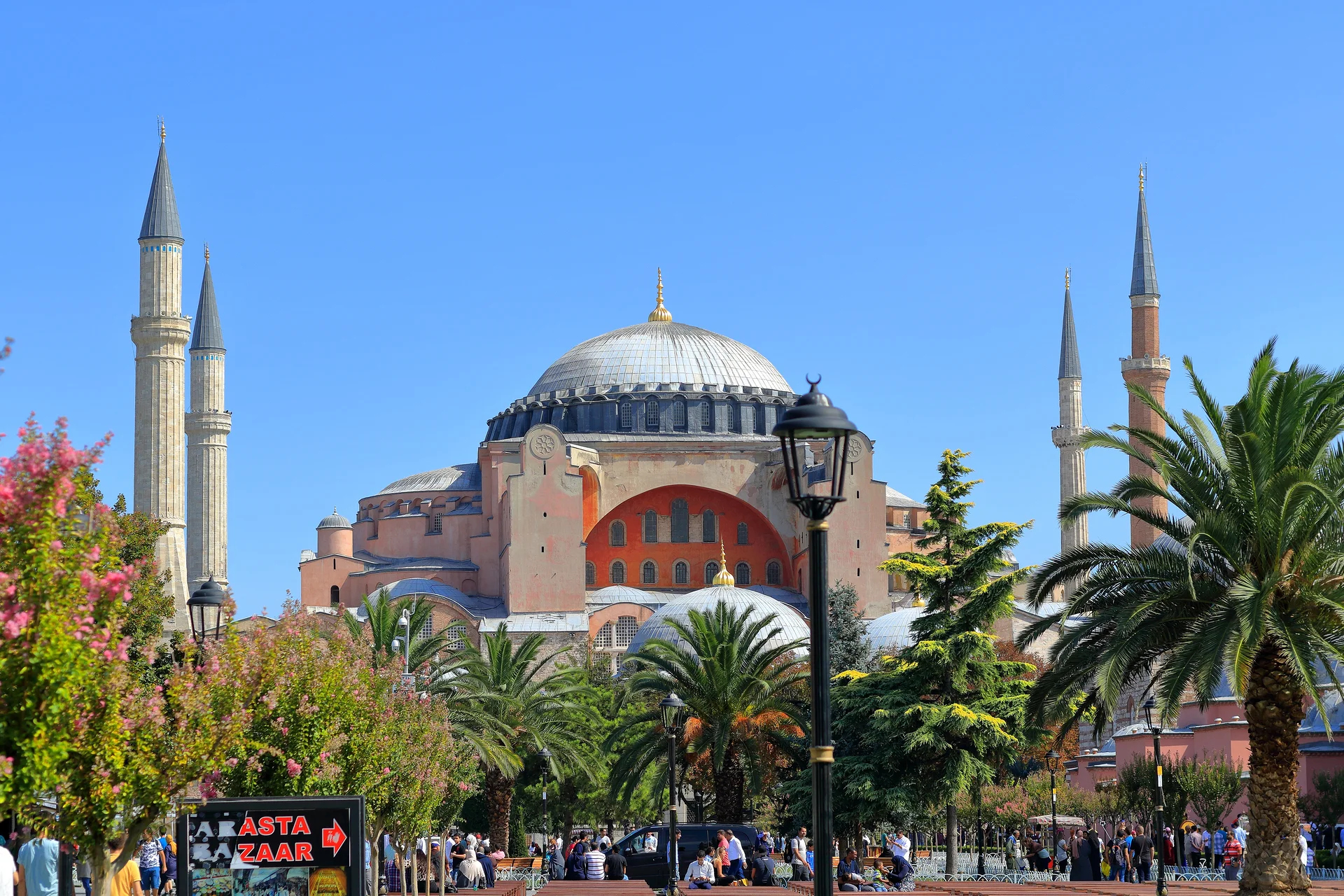
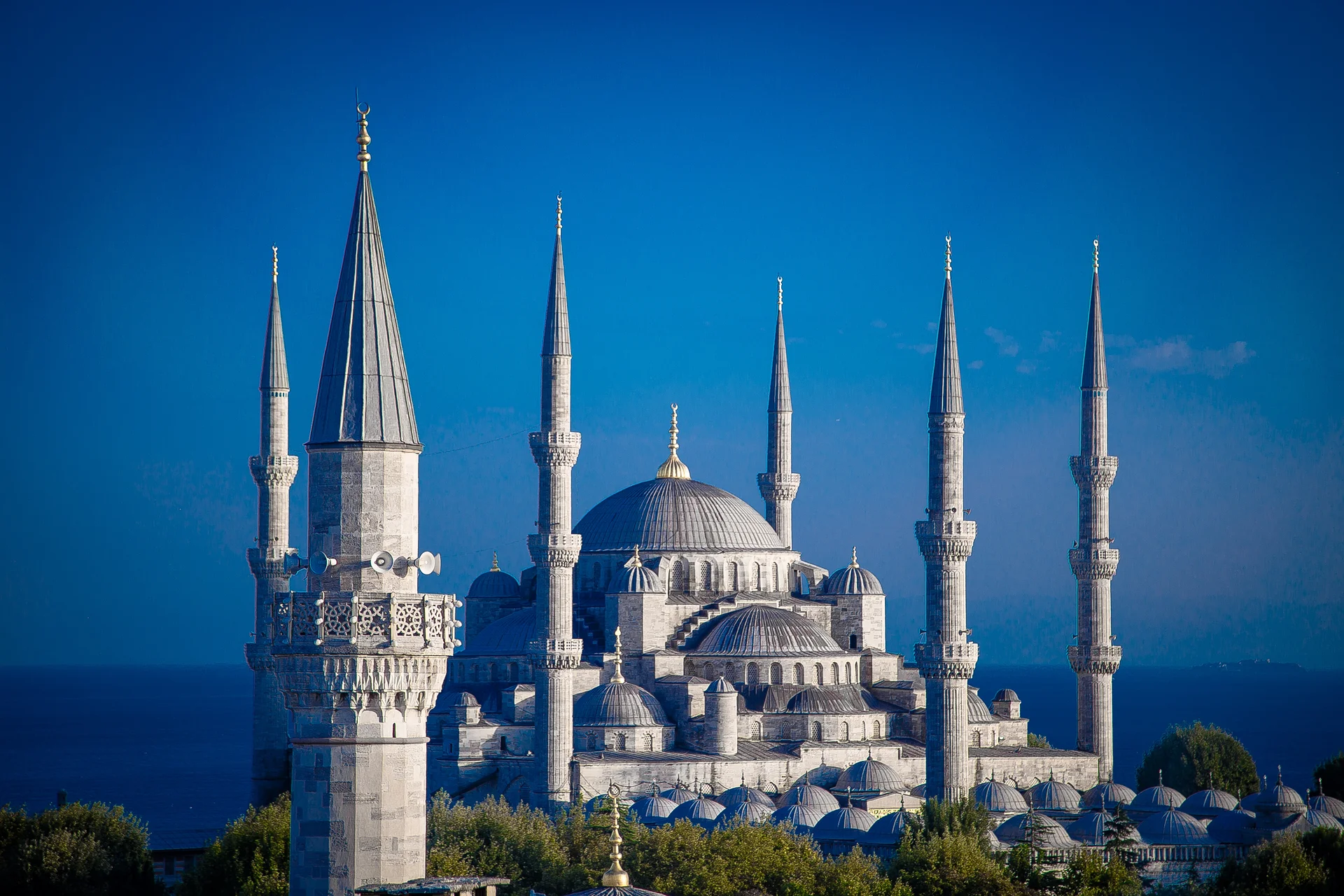
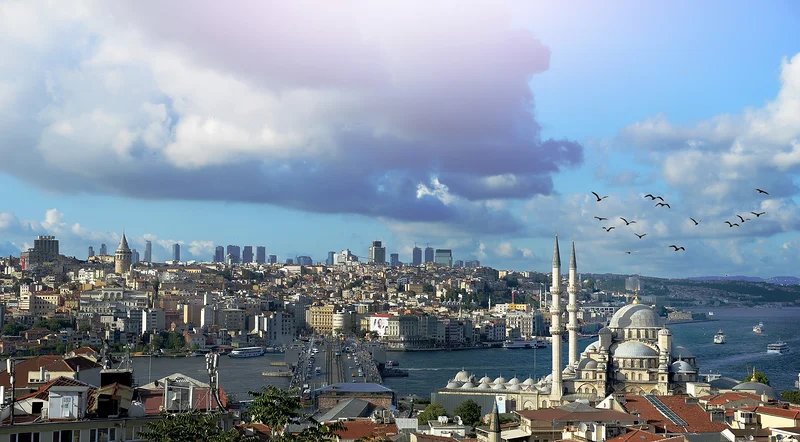
Once Byzantium, then Constantinople, Istanbul is the rare city that actually lives up to its reputation. The Sultanahmet neighborhood alone packs in the Blue Mosque, Hagia Sophia, and Topkapi Palace within easy walking distance of each other. But stay past the monuments and the city reveals itself along the Bosphorus, where waterfront neighborhoods mix hip cafes with crumbling Ottoman mansions. Think of it as a city the size of New York that somehow contains Rome's history and San Francisco's waterfront energy.
Cappadocia: Nowhere Else on Earth
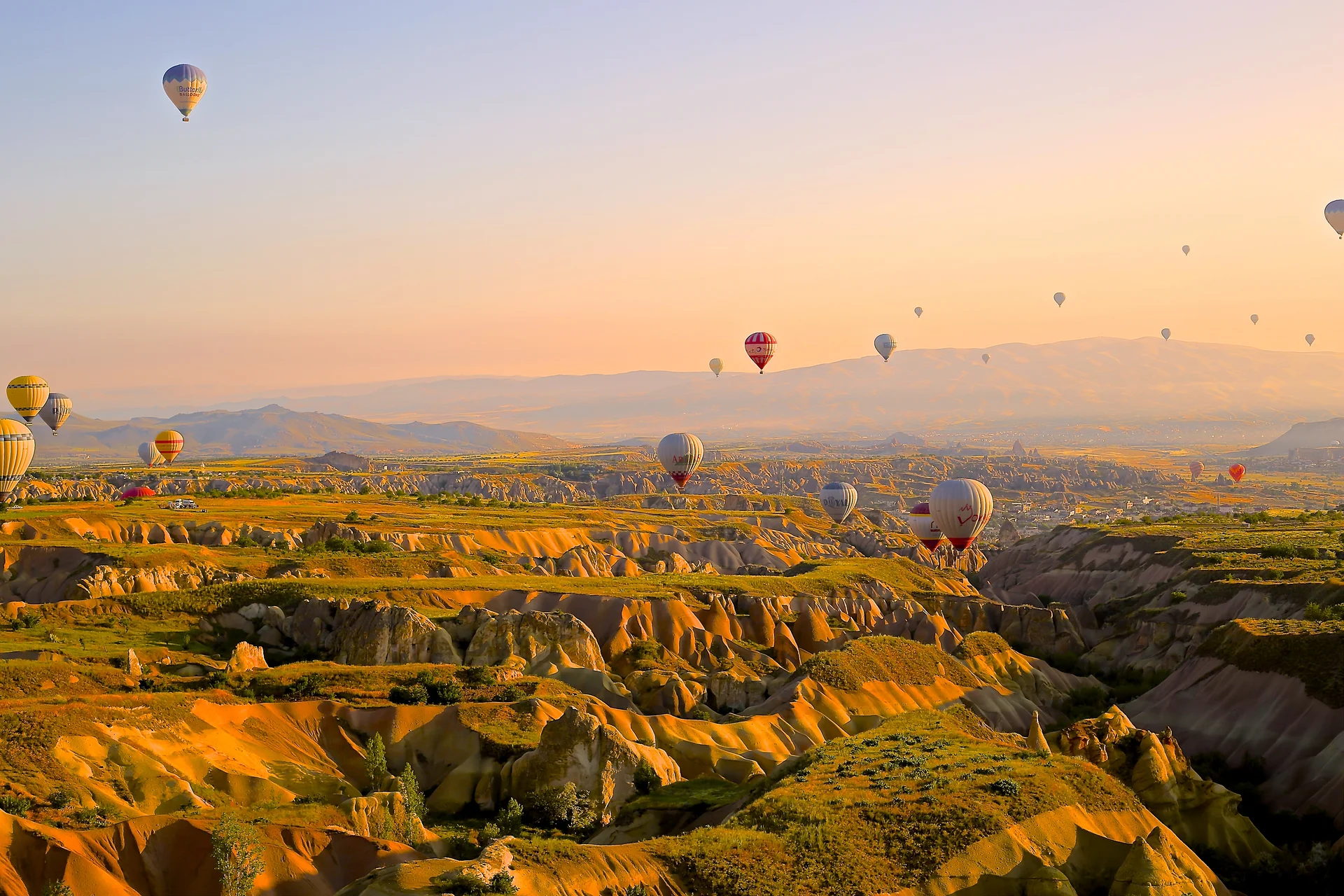
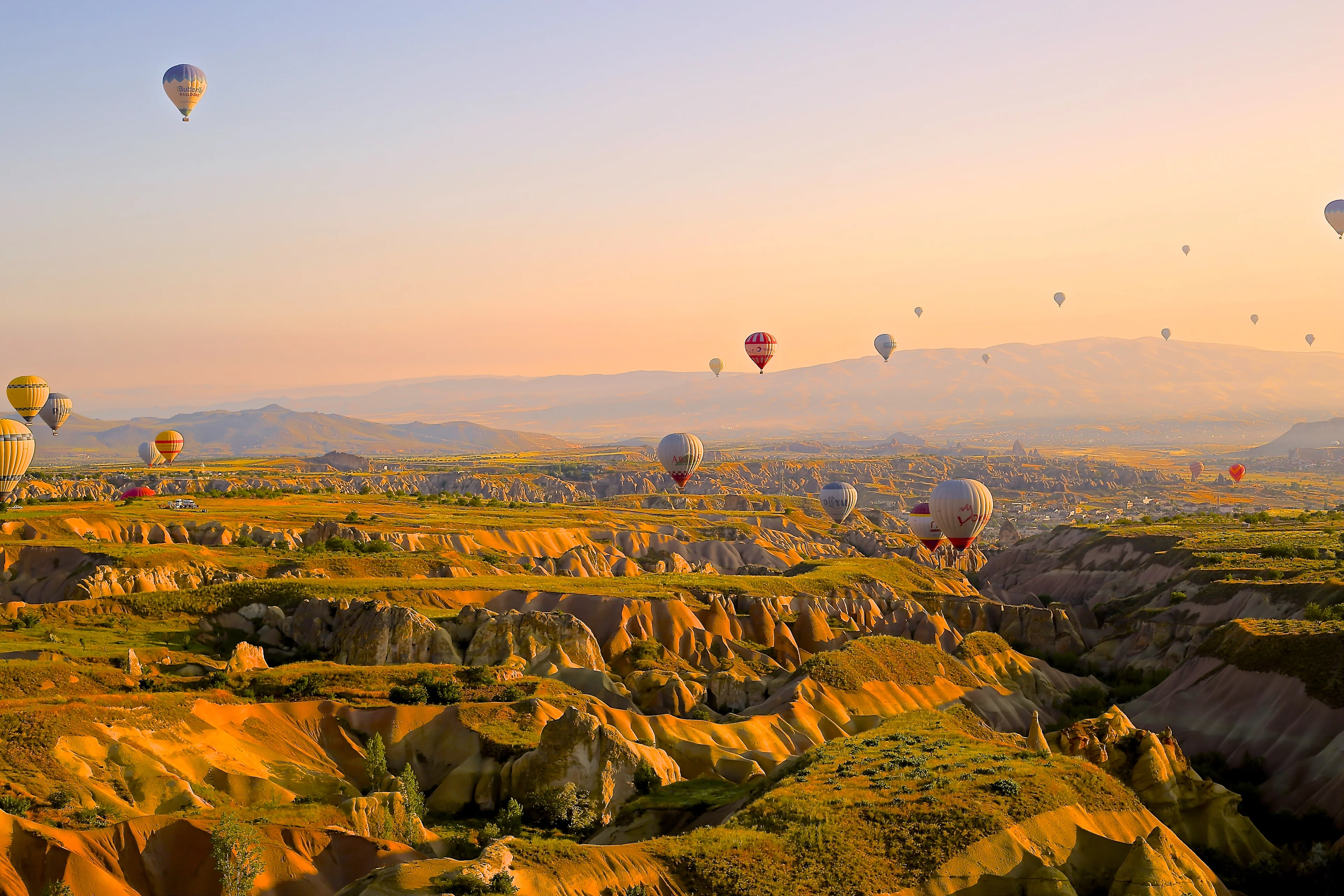
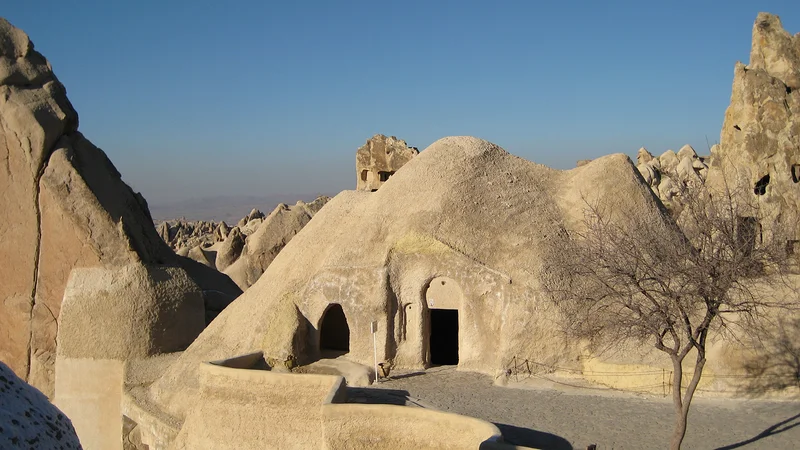
Cappadocia looks like a science fiction set. The region's signature "fairy chimneys," tall volcanic rock spires shaped by millennia of erosion, dot a lunar landscape dotted with cave villages and rock-cut churches. A hot air balloon ride at sunrise over this terrain is genuinely one of those experiences that's hard to overstate. On the ground, early Christian cave churches and multi-level underground cities carved into the soft volcanic rock add serious historical weight to what might otherwise feel like a geology tour.
The Lycian Coast: Ruins, Beaches, and One of the World's Great Hiking Trails
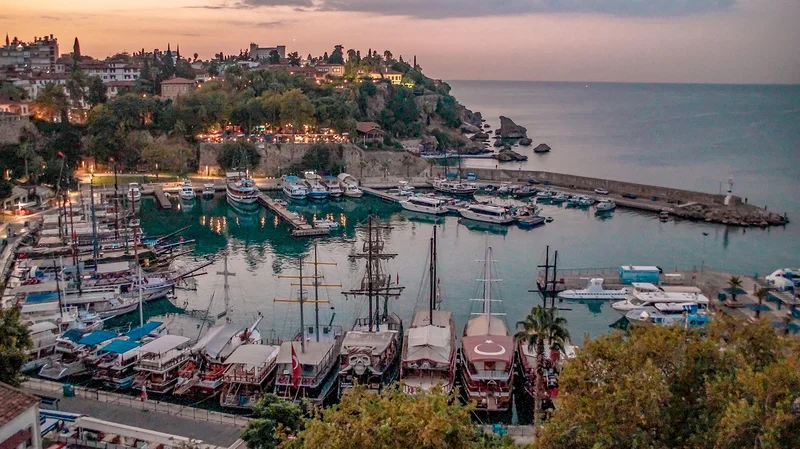
The southwest coast is where Türkiye's ancient history and beach culture collide in the best possible way. Base yourself in Fethiye or Kaş to access the coastline, then head to Patara or Olympos where you can swim in the morning and walk through Roman ruins in the afternoon. Hikers should know about the Lycian Way, a long-distance coastal trail with a serious reputation for its panoramic views along the Aegean and Mediterranean.
Ephesus and Pamukkale: Two UNESCO Sites Worth Every Bit of the Hype
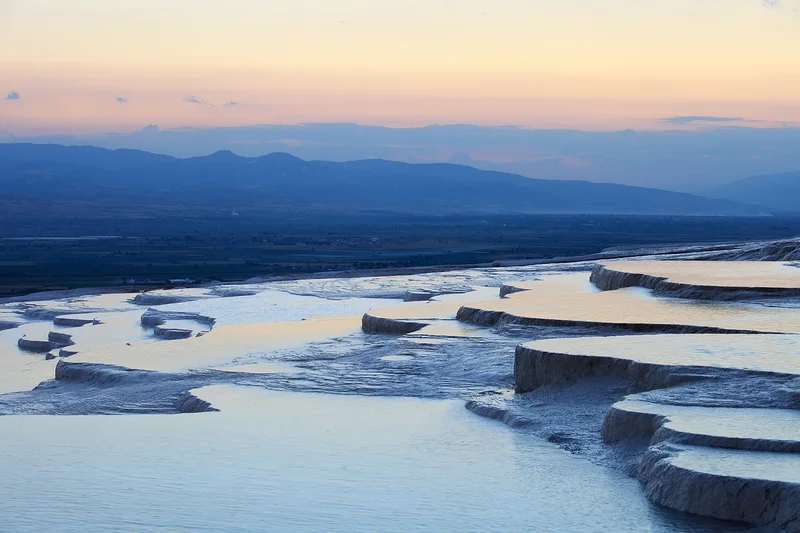
Both are UNESCO World Heritage Sites, and both earn it. Ephesus is one of the best-preserved ancient Greek cities in the world, with the Library of Celsus and a massive open-air theater as its centerpieces. Farther east, Pamukkale is something different entirely: terraced white calcium formations built up over centuries by hot springs, stacked like frozen waterfalls down a hillside. These are two of the most visited sites in the country, and the crowds are manageable if you go early in the day.
The Food
Turkish cuisine is built on layers of influence from Central Asia, the Middle East, and the Mediterranean, and it shows. Kebab comes in more variations than most Americans realize, well beyond the gyro-style version. Börek, a flaky pastry stuffed with cheese or meat, makes a great quick meal. Mantı, tiny Turkish dumplings typically served with yogurt and spiced butter, are worth seeking out. On the sweet side, baklava here is the real thing, and lokum (Turkish delight) is nothing like the chalky candy from import stores back home. To drink: çay, a strong black tea served in small tulip glasses, is everywhere and essentially free. Ayran, a cold salted yogurt drink, is the go-to in summer heat.
Best Time to Go
Spring (April to May) and fall (September to October) are the sweet spots: mild temperatures, manageable crowds, and lower prices. Summer is intense heat in most regions, but if you're targeting festivals in Istanbul or Bodrum, the cultural calendar is packed. Winter is underrated, especially in Cappadocia where snow on the fairy chimneys is genuinely spectacular, and the ski resort at Uludağ draws a local crowd.
Getting There
From the US, expect connecting flights through major European hubs or direct service on Turkish Airlines into Istanbul. Round-trip fares from the East Coast typically run in the $600 to $900 range depending on the season. Once in the country, airports in Antalya, Izmir, and Kayseri give you direct access to the coast and Cappadocia without backtracking through Istanbul.
Getting Around
Domestic flights are affordable and the network is solid, making it easy to cover a lot of ground without long overland stretches. Long-distance buses are comfortable and surprisingly good value. Fast trains connect major cities. For the coast and rural Anatolia, renting a car is the practical call: public transit thins out quickly once you leave the main tourist corridors, and having your own wheels opens up a lot of the best spots.