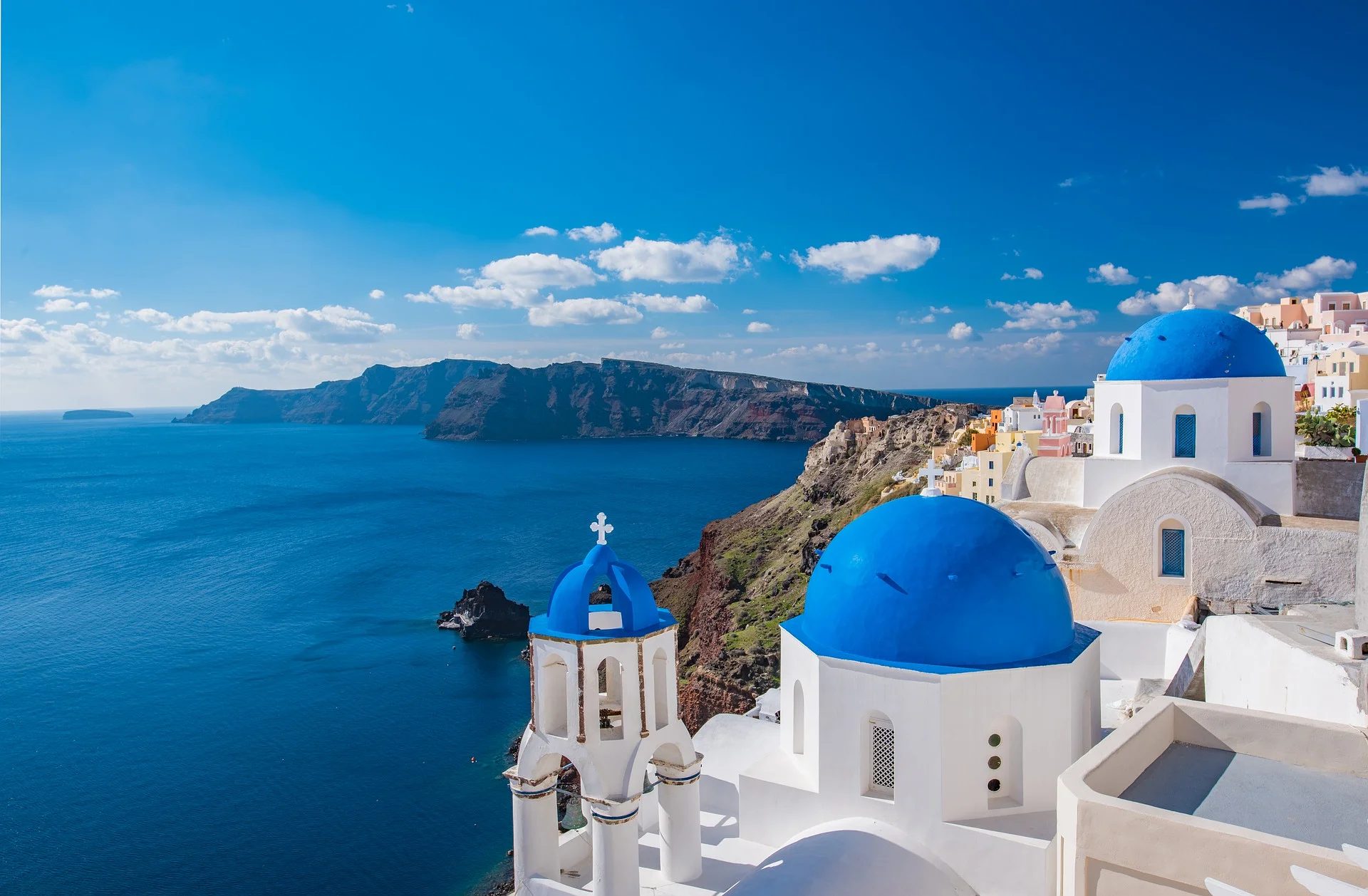
Mention Mykonos anywhere in the world and heads turn. Known globally for legendary nightlife and all-night parties, it is easily the most famous of the Cyclades. Set against the Aegean Sea, July and August turn the island into an open-air stage running 24/7 on DJ sets and festivals. Yet parties are far from its only draw, as a stroll through the main town quickly proves. Locally called Chora, Mykonos is a quintessential Greek town with winding lanes, striking architecture, and distinct neighborhoods. Tourism drives the local economy, and the island welcomes far more visitors each year than it has residents.
The Romance of the Old Port
Wandering through the maze of narrow streets, Manto Square is hard to miss. Named after a heroine of the Greek War of Independence, the square features a marble bust in her honor. It sits right in the center of the old port, now reserved for smaller boats, where the waterfront makes for an enchanting walk. Just a few steps away, la Petite Venise stands as the town's most iconic neighborhood. Also known as Alefkandra, it delivers the postcard view of the island with its romantic bay and original 18th-century houses built right over the edge of the water. Numerous bars and restaurants line the water, setting the scene for a taste of local food. Star of the pre-dinner hour, kopanisti is a local cheese often served with mostra, a type of rusk topped with tomatoes. Louza, cured pork tenderloin, fresh seafood, rafiolia sweet or savory pastries, and honey pie round out the local specialties. From the outdoor terraces, one landmark dominates the view: the brilliant white Kato Mili with their thatched roofs perched on a hill. These seven 16th-century windmills have become a symbol of the island and are well worth a visit. Closer to the center, the Musée maritime Aegean traces the maritime history of the Aegean Sea and features a lighthouse in its garden.
Cycladic Architecture
On the way to the old town, the rich Musée archéologique houses artifacts excavated from Rhenia, including tombs, sculptures, and pottery. In the Quartier Kastro, you will find the classic architecture that built the reputation of Mykonos. Whitewashed houses feature colorful doors and shutters, often painted blue, while blooming bougainvillea spills over the alleys. The soul of the Cyclades is everywhere here. The oldest and most famous church in town follows the same palette against the blue of the sky and sea, with the stark white Panagia Paraportiani lighting up the neighborhood. Resembling a sculpture more than a traditional church, its asymmetrical shape is entirely unique. Beaches are a major draw on Mykonos with fine sand and clear water. The closest one to town is Megali Ammos, which can get crowded, leading some travelers to head for Mirsini Beach instead.
When to Go
Weather conditions are ideal from May to October. In the off-season, strong winds can make it rough, and the water is too cold for swimming. July and August bring peak crowds and nonstop parties, so skip those months if you prefer a quiet getaway.
Getting There
Ferries run to Mykonos from Athens, departing from the Port of Piraeus or the closer port of Rafina. Located 4 km from the town center, the local airport handles seasonal flights from several European cities.