Visiting Australia, a Trip to the Edge of the World
Australia is roughly the size of the contiguous United States, and it packs in just as much variety: rainforest, desert, surf beaches, alpine ranges. Travelers come for wild landscapes, white-sand beaches and wildlife you won't see anywhere else. Between its lively big cities and its desert interior, the country rewards anyone who takes the time to explore it.
Australia's Big Cities: Modern, Easygoing, Close to the Water
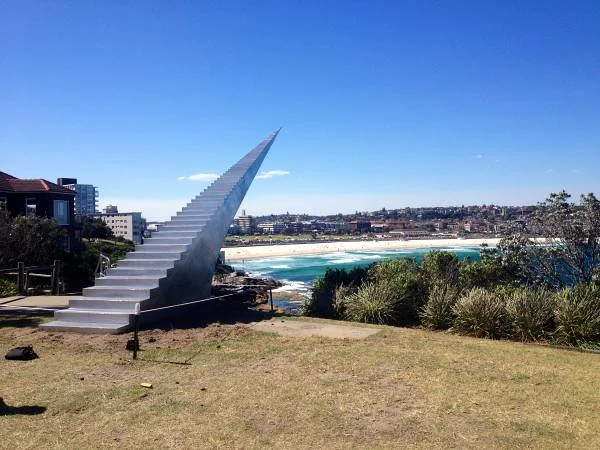
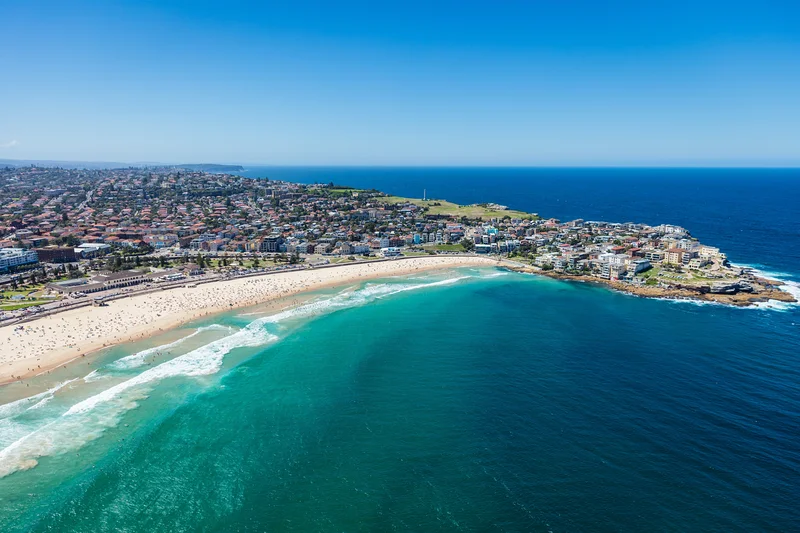
Sydney, with its famous Opera House and Harbour Bridge, is a city where big-city energy sits next to great beaches like Bondi and Manly. Melbourne has a more bohemian streak, with its cultural scene, laneways covered in street art and countless cafés. Farther north, Brisbane enjoys a pleasant subtropical climate, ideal for spending time along the river and in the surrounding parks.
The Red Center and the Outback: Wild Australia
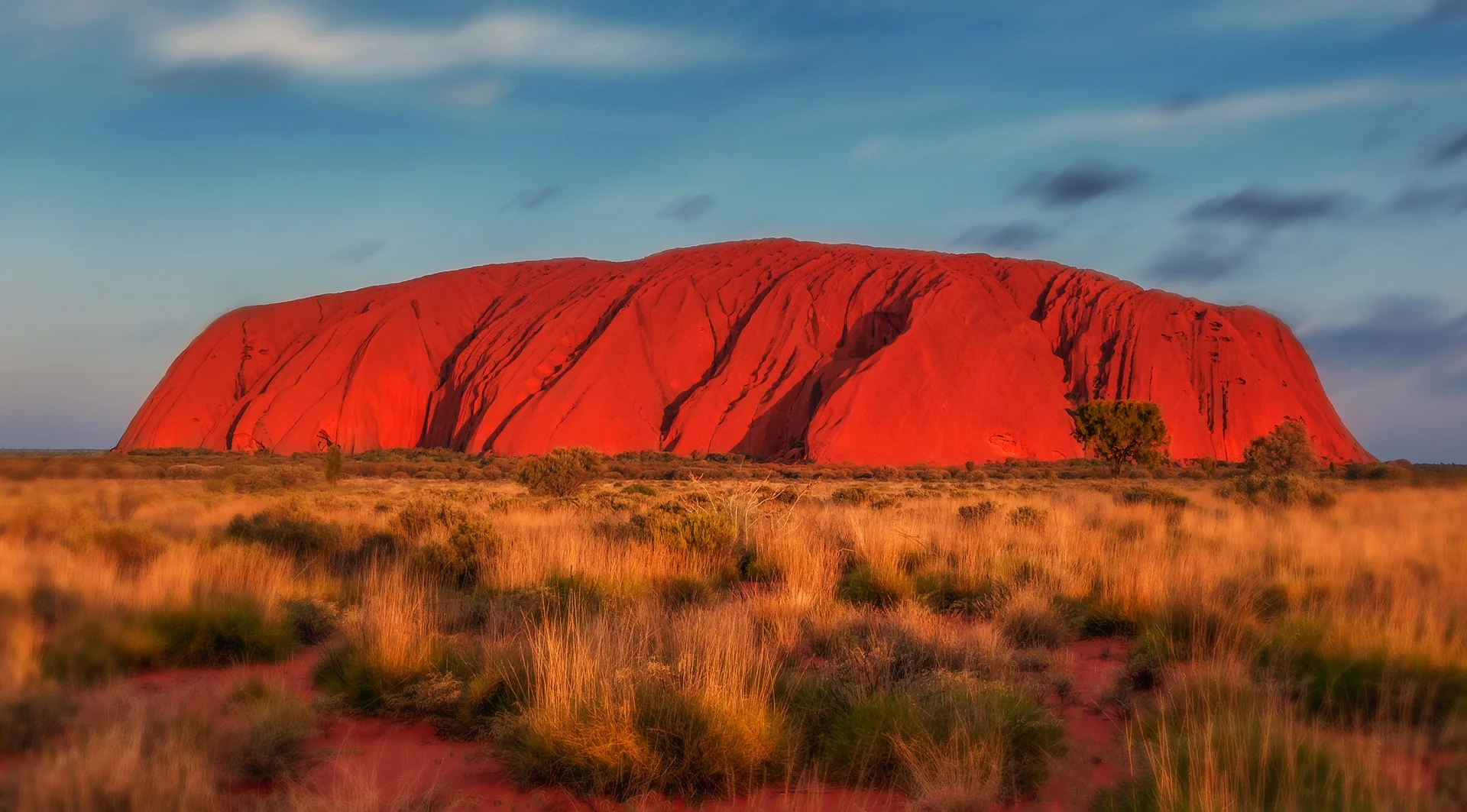
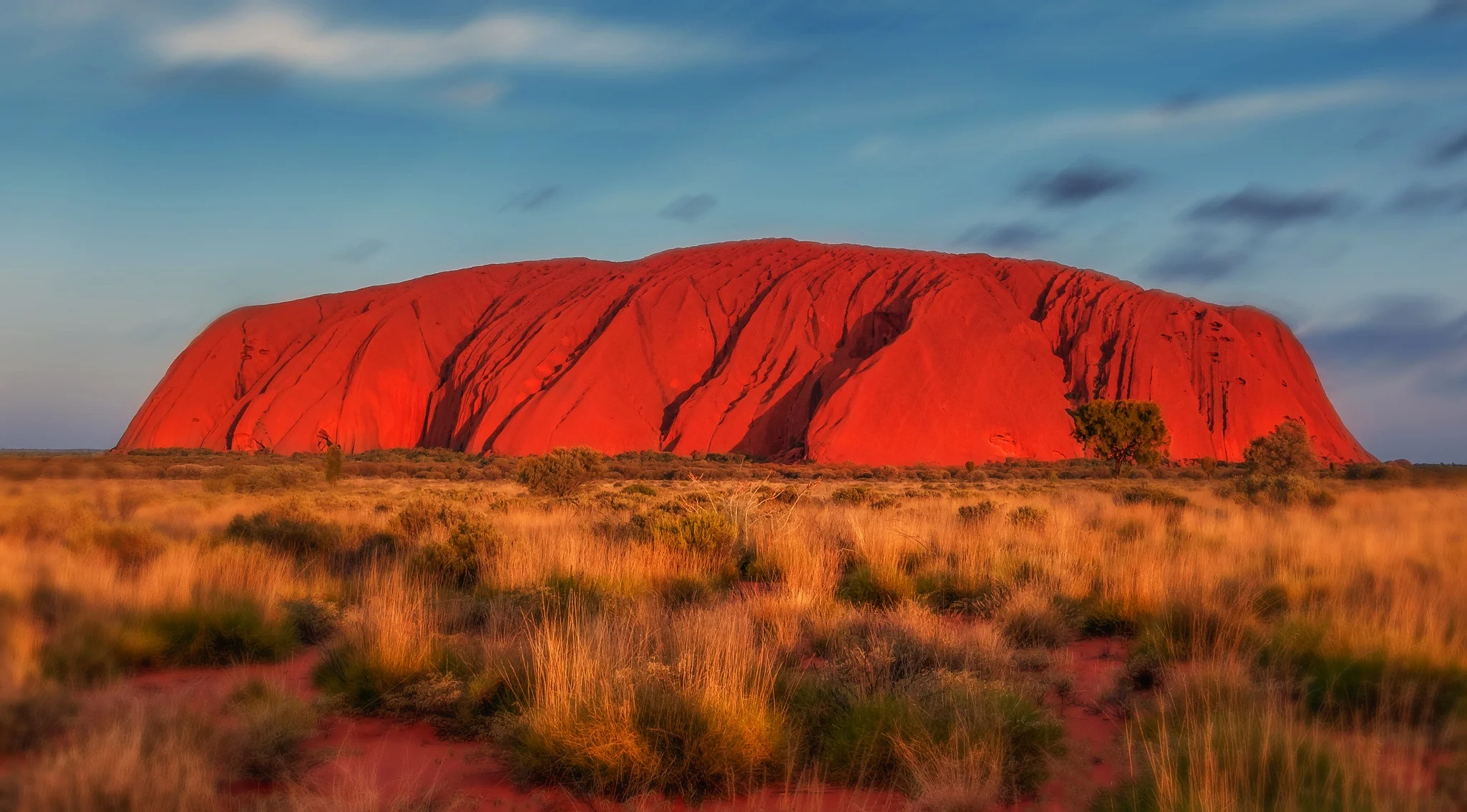
The interior of Australia, dominated by arid and spectacular landscapes, is an immersion in raw nature. Uluru, a huge monolith sacred to Aboriginal peoples, is one of the most impressive sites in the country, especially at sunrise or sunset. The MacDonnell Ranges, less well known but just as striking, offer excellent hiking through dramatic rocky scenery.
The Great Barrier Reef: A Natural Jewel
A UNESCO World Heritage site, the Great Barrier Reef is the largest coral reef system on the planet. You can reach it from Cairns and other coastal towns in Queensland, and it draws divers and snorkelers who come to see the tropical fish and multicolored coral below the surface.
The Wild Coasts of the South and West
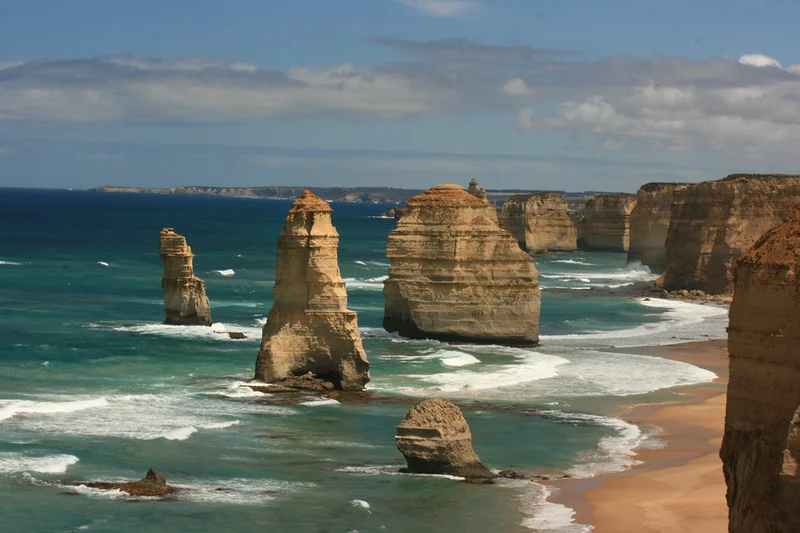
Less visited than the east, the south coast offers varied scenery, from wild beaches to dramatic rock formations. The Great Ocean Road, with its famous Twelve Apostles, is one of the world's great coastal drives, a bit like Highway 1 in California. On the other side of the country, the west coast around Perth reveals empty beaches and the magnificent Karijini National Park, with its deep gorges and natural swimming pools.
How Long Should You Stay in Australia?
Given the size of the country, plan on at least two to three weeks if you want to see several regions without rushing (here's an article with 3-week itinerary tips). If you want to explore the Outback or the west coast, allow a month or more. Road trippers can easily spend several months covering the country by camper van, the distances are that vast.
A Cuisine With Many Influences
Australian food blends British, Asian and local influences. The meat pie, the country's signature savory pie, is a must-try. You'll also find fish and chips in plenty of coastal towns. For something more authentic, bush tucker features Aboriginal ingredients like grilled kangaroo and bush berries.
When to Go
The climate varies by region: the south has distinct seasons, while the north is tropical. To explore several parts of the country, spring (September to November) and fall (March to May) are ideal. Remember the seasons are flipped from the Northern Hemisphere. The Australian summer (December to February) is perfect for the beaches but can be extremely hot in the Outback. January is also marked by events like the Australian Open tennis tournament and Australia Day, the national holiday on January 26.
How to Get There
From North America, flights to Australia are long. From the US West Coast, Los Angeles and San Francisco have nonstop service to Sydney and Melbourne (about 14 to 16 hours), while from the East Coast you'll usually connect through the West Coast, Dallas or Honolulu. Plan on a long travel day either way, with the date line adding a day to the calendar. American citizens need an Electronic Travel Authority (ETA) or a visa before departure, so sort that out before you book. I can't verify current fares for your route, so check prices for your dates. For reference, the source quotes a round trip from Europe at $1,120 to $2,010*, with fares varying by season. Some airlines offer lower fares if you book several months ahead.
Getting Around
Distances in Australia are enormous, so flying is often the only practical way to link the major cities. Airlines like Qantas and Virgin Australia operate domestic flights. For more freedom, a camper van or 4x4 rental is a popular option, especially for the coast or the Outback. Remember that Australians drive on the left. In the cities, public transit is efficient and well developed.