Visiting Australia, a trip to the edge of the world
A vast territory with diverse landscapes, Australia draws travelers looking for raw nature, pristine beaches, and wildlife found nowhere else on earth. Between bustling major cities and a desert interior, the country offers countless experiences for those who take the time to explore.
Australian metropolises: balancing modernity and laid-back living
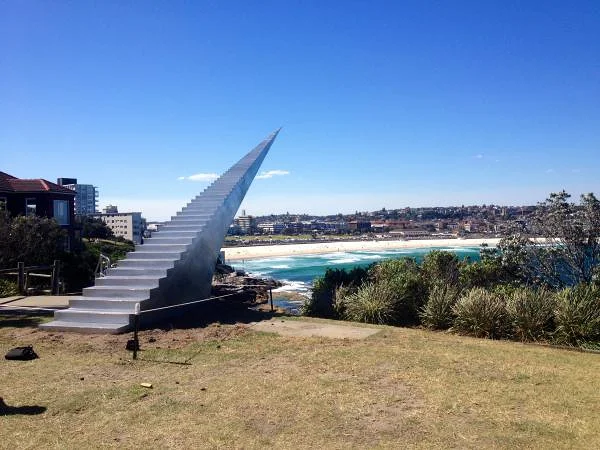
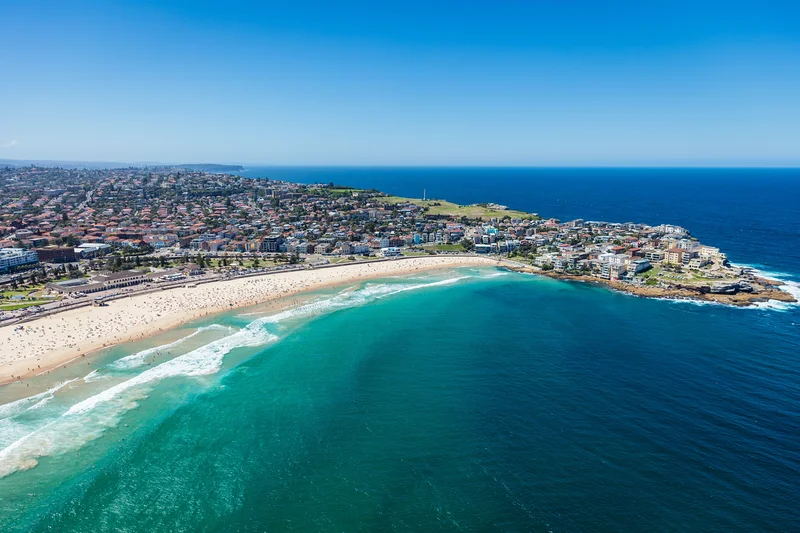
Sydney, with its iconic Opera House and Harbour Bridge, pairs urban energy with coastal beaches like Bondi and Manly. Melbourne brings a creative edge with its arts scene, street-art alleys, and coffee culture. Further north, Brisbane enjoys a subtropical climate well-suited for spending time by the river and in local parks.
The Red Center and the Outback: wild Australia
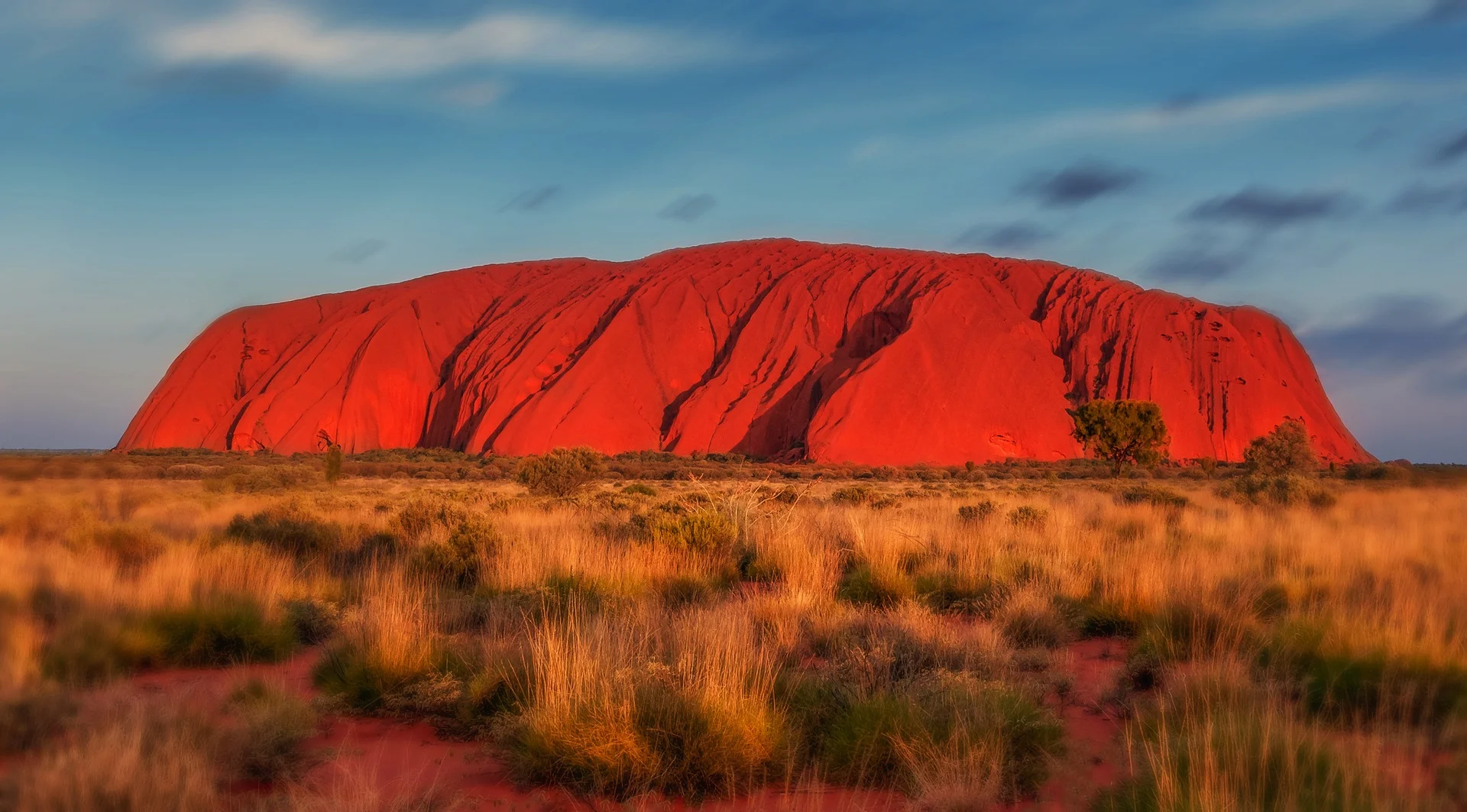
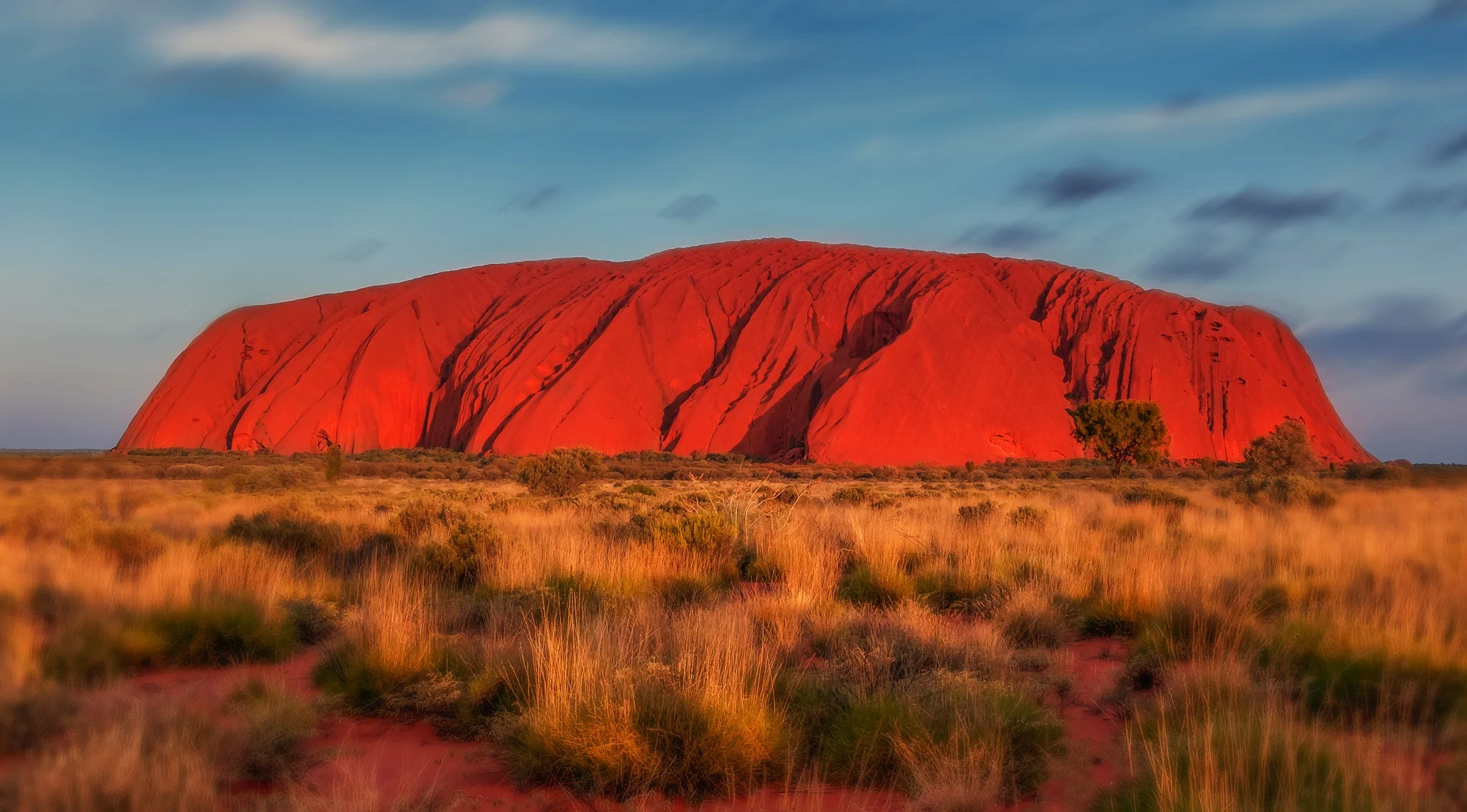
The Australian interior, defined by arid and dramatic landscapes, delivers an immersion in rugged terrain. Uluru, a massive monolith sacred to Aboriginal peoples, stands out as one of the country's most striking sites, especially at sunrise or sunset. The MacDonnell Ranges, less famous but equally impressive, offer strong hiking trails through stark rock formations.
The Great Barrier Reef: a natural wonder
Recognized as a UNESCO World Heritage site, the Great Barrier Reef is the planet's largest coral ecosystem. Reached from Cairns and other coastal towns in Queensland, it draws scuba divers and snorkelers looking to explore waters filled with tropical fish and colorful coral.
The wild southern and western coasts
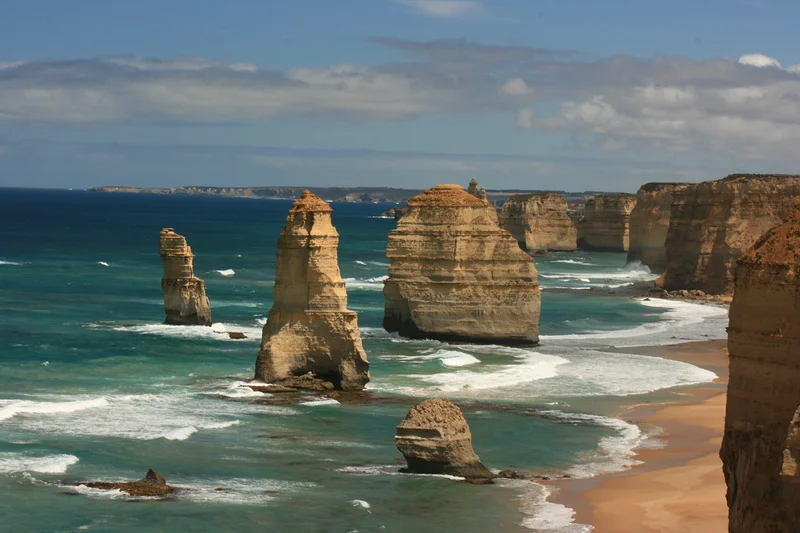
Less traveled than the east coast, the south features wild shorelines and striking rock formations. The Great Ocean Road, featuring the Twelve Apostles, remains one of the premier coastal drives. On the opposite side of the country, the western coast around Perth showcases empty beaches and Karijini National Park, known for deep gorges and natural swimming holes.
How long should you stay in Australia?
Given the sheer scale of the country, a trip of at least two to three weeks works best to cover multiple regions without rushing. Travelers focusing on the Outback or the west coast should plan for a month or more. Road trip enthusiasts often spend several months touring the country in a campervan due to the massive distances.
A cuisine with diverse influences
Australian food reflects a mix of British, Asian, and local roots. The meat pie serves as a classic staple, while fish and chips are standard in coastal towns. For a local approach, bush tucker incorporates Indigenous ingredients like grilled kangaroo or native berries.
When to go?
Weather varies significantly by region, with distinct seasons in the south and a tropical climate in the north. Spring (September through November) and autumn (March through May) offer comfortable conditions for seeing multiple parts of the country. The southern summer (December through February) suits beach trips well, though temperatures in the Outback soar. January also brings events like the Australian Open tennis tournament and Australia Day.
How to get there?
Qantas, United and Delta fly nonstop from Los Angeles and San Francisco to Sydney, Melbourne and Brisbane, about 15 hours in the air. From the East Coast you either connect on the West Coast or route through Tokyo, Doha or Auckland, which pushes the trip past 20 hours door to door. Fares fluctuate by season, and airlines occasionally run promotions for booking well ahead.
How to get around?
Distances across Australia make domestic flights essential for moving between major cities. Airlines like Qantas and Virgin Australia handle these routes. For independent exploration, renting a campervan or 4x4 is a popular choice for hitting the coast or the Outback. Public transit systems inside the cities run efficiently.