
Melbourne: Australia's cultural capital that never sleeps
It is the second-largest city in the country by area, but top-tier when it comes to style. That is the best way to sum up this metropolis of 5.2 million people, which sprawls across more than 7,000 km². Forget the clichés of beach-focused, sun-drenched Australia. Here, the weather changes four times a day, coffee is a religion, and street art covers every corner of every cobblestone alley.
Who is this city for?
If you enjoy cosmopolitan cities that keep moving, neighborhoods with distinct personalities, and a culinary scene that rivals the best European capitals, you will love it here. The capital of Victoria appeals to fans of eclectic architecture (from Victorian Gothic to the most daring futurism), street art enthusiasts, culture buffs, and insatiable foodies.
On the other hand, if you are dreaming of empty beaches and permanent lounging under a blazing sun, this might not be your ideal destination. While there are beaches, they are urban and busy.
Budget-wise, plan to spend: life in Melbourne is expensive, especially for lodging and dining out. Budget at least four or five days to get a true taste of a city that does not reveal itself in just a weekend.
The City: between skyscrapers and secret alleys
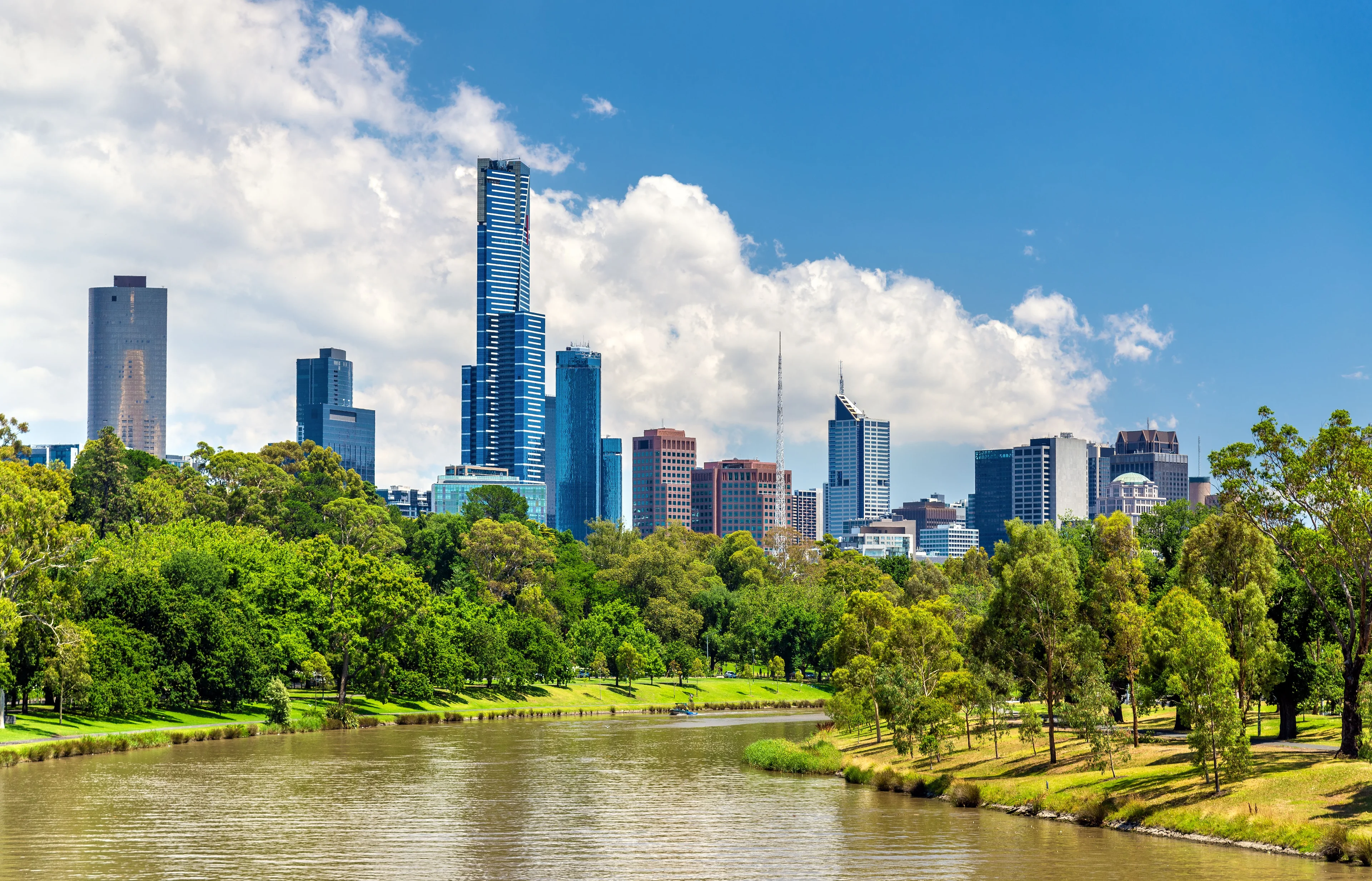
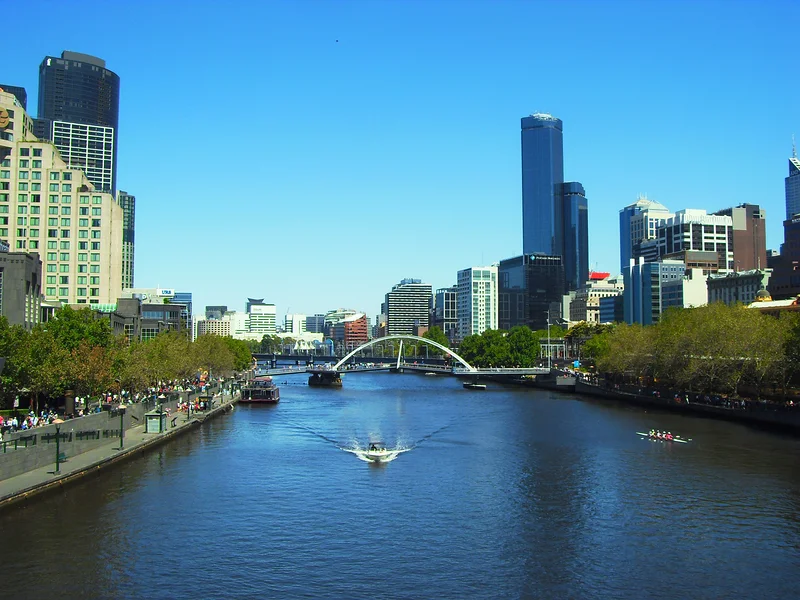
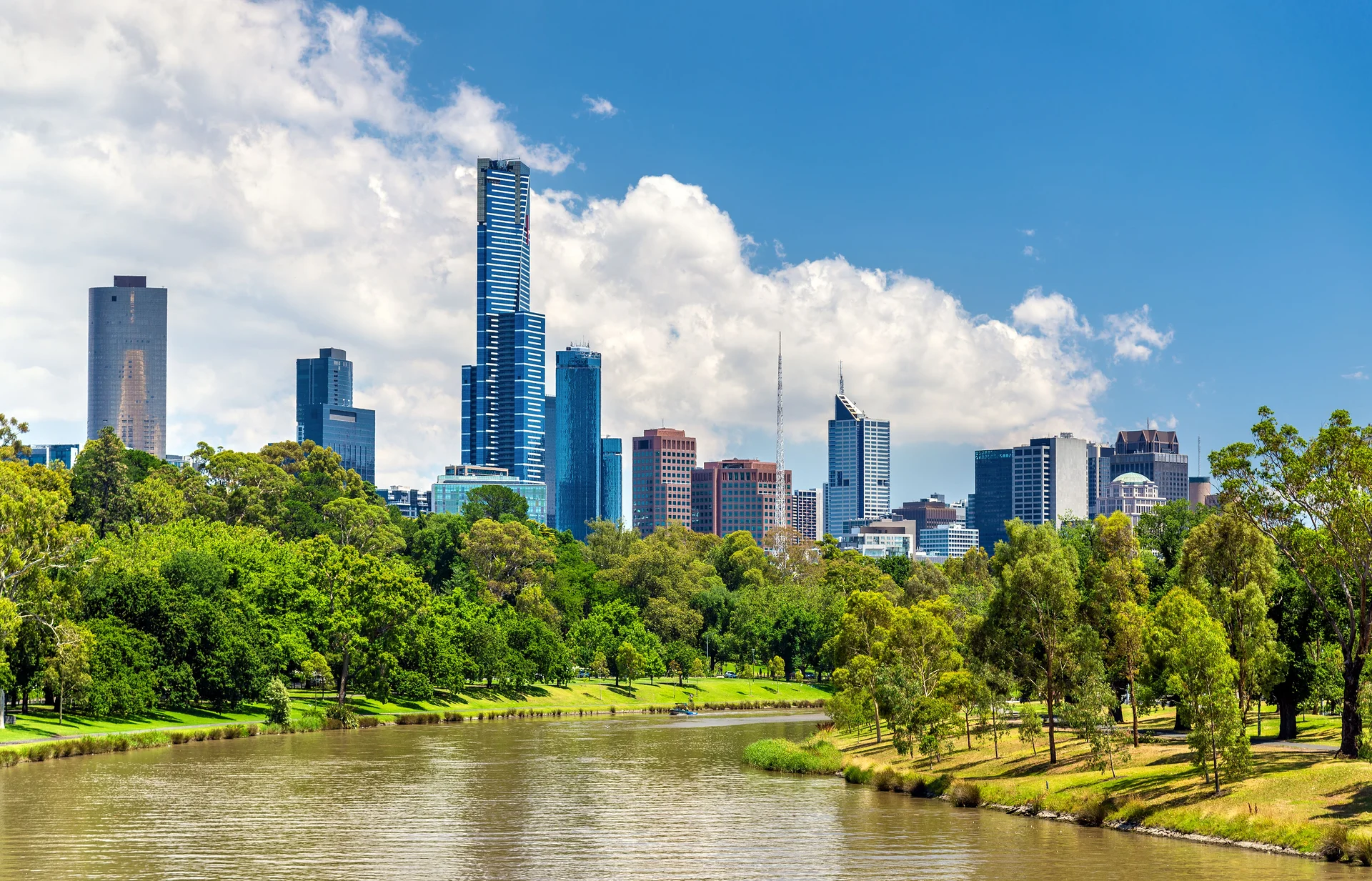
The CBD (Central Business District, as locals call it) is the city's beating heart. On the banks of the Yarra River, this neighborhood gives off the energy of a modern global metropolis where Art Deco, neo-Gothic, Victorian Baroque, and futuristic towers mix. It is this architectural variety that makes it so charming.
But the real magic hides in the laneways, those narrow cobblestone alleys with evocative names. Hosier Lane is the temple of street art: every square centimeter of wall displays colorful graffiti that is constantly being refreshed. Degraves Street and Centre Place are packed with tiny cafes where the baristas are true coffee artisans.
Cultural must-sees
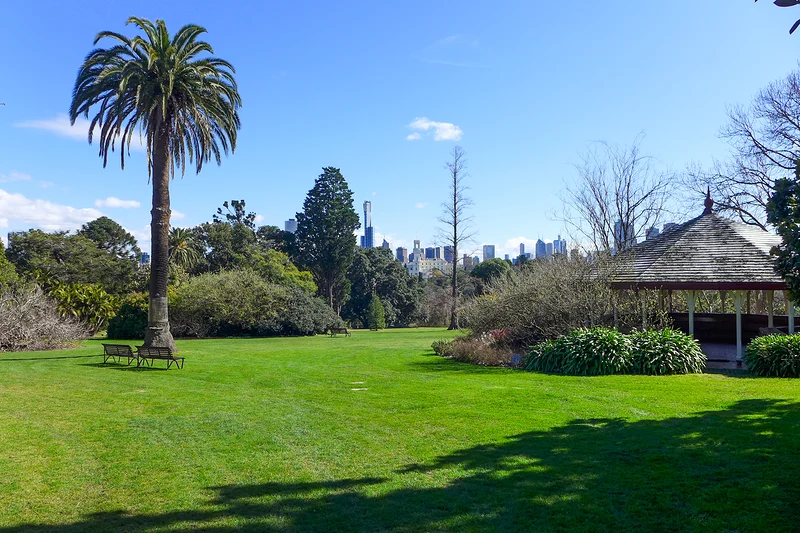
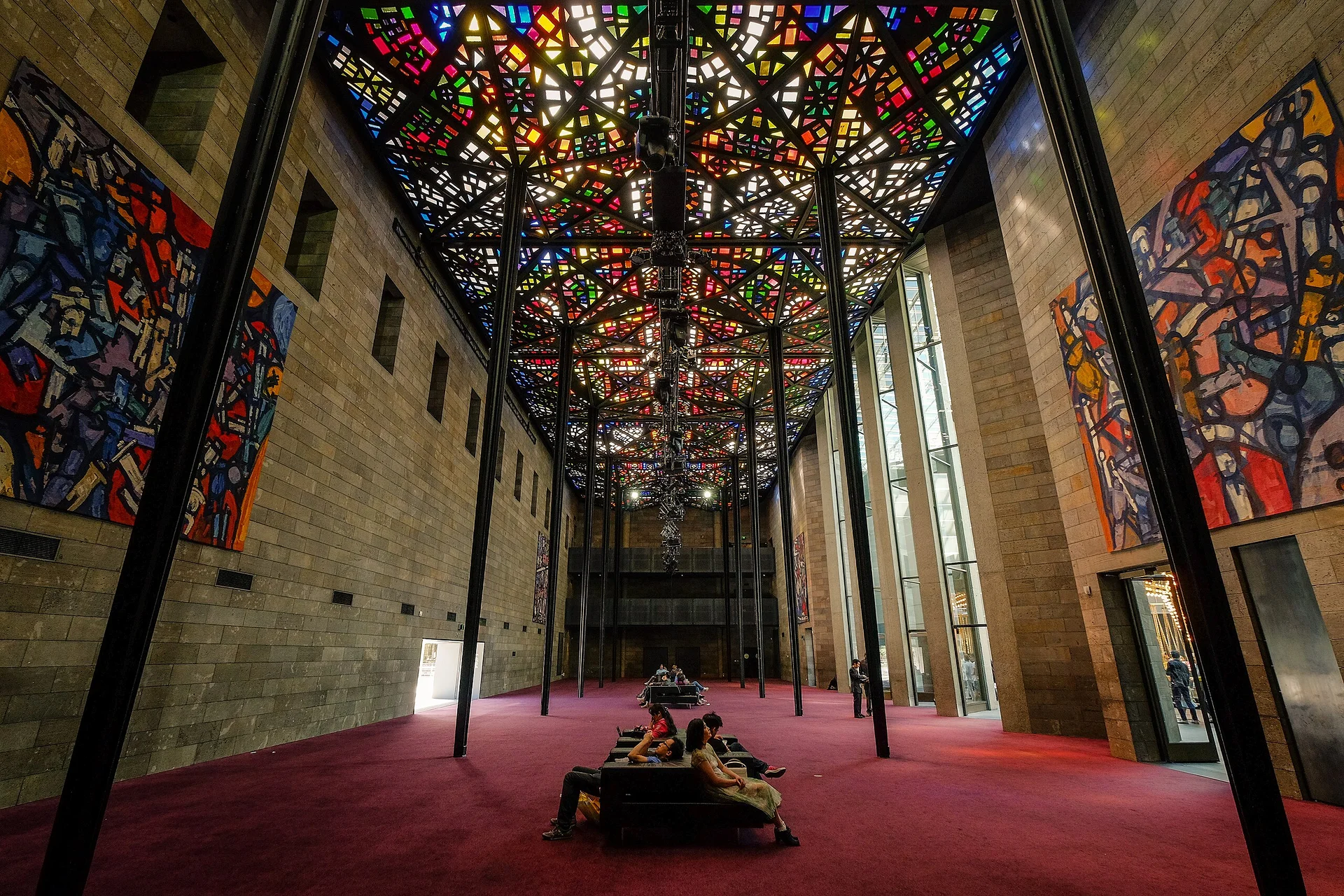
The NGV (National Gallery of Victoria) houses more than 70,000 works of Australian and international art across two separate buildings. The ACMI, a center dedicated to the moving image, will delight film buffs. And if you want a dose of urban nature, the Royal Botanic Gardens offer 38 hectares of impeccably maintained greenery.
The Aquarium remains a popular family attraction with its 10,000 marine creatures, from sharks to Antarctic penguins. For a thrill, climb the 91 floors of the Eureka Tower: the 360-degree panorama over Port Phillip Bay is worth the trip.
Friendly tip: the free City Circle tram loops around the main attractions of the CBD. Hop on a green and gold carriage, sit back, and listen to the audio commentary. It is perfect for getting your bearings on your first day.
Fitzroy and Collingwood: the bohemian and creative soul
Head north of the Yarra to dive into the hipster world of Fitzroy. This historic neighborhood, which became the city's first suburb in 1839, is now the temple of specialty coffee, vintage thrift stores, and independent art galleries. Brunswick Street pulses with the rhythm of vinyl shops, activist bookstores, and hidden cocktail bars.
There is no shortage of cult establishments: Industry Beans for a refined coffee in a renovated old warehouse, Cutler & Co for a relaxed fine-dining experience, or Marion for a glass of natural wine in the evening. Street art is everywhere you look.
Right next door, Collingwood extends the experience with Smith Street, one of the most eclectic shopping streets in the country. Proud Mary serves hearty breakfasts there accompanied by craft coffee roasted on-site. Do not miss Collingwood Yards, a creative hub that brings together artist studios, galleries, and concept stores.
Carlton: Italy in Melbourne
Nicknamed Little Italy, Carlton embodies the city's Italian heritage. Lygon Street basically invented Melbourne's cafe culture: it is here that Australia's first Gaggia espresso machine was installed in the 1950s at the University Café.
Even today, this thoroughfare breathes the dolce vita with its family-run trattorias, artisanal gelato shops, and bakeries overflowing with cannoli and tiramisu. Brunetti Classico remains the go-to institution for a cappuccino accompanied by authentic Italian pastries. DOC Espresso serves wood-fired pizzas that draw crowds.
The Carlton Gardens house the majestic Royal Exhibition Building, a UNESCO World Heritage site, as well as the Melbourne Museum with its exhibits on Aboriginal peoples and an IMAX cinema.
St Kilda: the seaside bohemian scene
Located 6 km south of the center, St Kilda exudes a deliciously decadent charm. This former Victorian seaside resort has lived many lives: a post-war Jewish enclave, a red-light district, and then a punk-rock stronghold. Today, it is a fascinating mix of crumbling Victorian mansions, Moorish-style apartments, and gritty alleys.
St Kilda Beach draws crowds on the weekend to lounge on the golden sand, go paddleboarding, or simply sip a drink on a terrace on Acland Street. The St Kilda Pier offers spectacular sunsets and, with a bit of luck, you will spot little penguins at the Breakwater.
Luna Park, with its huge grinning face at the entrance, is a vintage amusement park that has been operating since 1912. The Palais Theatre, an iconic Art Deco venue, still hosts concerts and shows. For the alternative music scene, head to the Esplanade Hotel (affectionately nicknamed "The Espy") where Nick Cave made his explosive debut.
Friendly tip: the Sunday craft market on the Esplanade is worth the visit to find unique local creations. Arrive early to avoid the afternoon crowds.
Other neighborhoods to explore
- South Yarra embodies upscale chic with designer boutiques on Chapel Street, Art Deco apartments, and the splendid Royal Botanic Gardens nearby. This is where you can practice shinrin-yoku (forest bathing), those therapeutic guided walks in the gardens.
- Richmond and its Victoria Street transport you directly to Ho Chi Minh City: endless Vietnamese restaurants, Asian souvenir shops, and the scent of phở wafting through the air. Bridge Road is a paradise for discount fashion shopping.
- Chinatown, centered on Little Bourke Street, represents the oldest permanent Chinese community in Australia (since the gold rushes of the 1850s). Restaurants there serve dim sum, Peking duck, and fresh noodles late into the night.
Where to eat and drink in Melbourne?
Gastronomy in Melbourne is not just a meal; it is a near-religious experience. The city is so obsessed with coffee that international chains like Starbucks have had to close shop, unable to compete with local roasters.
The names to remember? St. ALi in South Melbourne, a pioneer of the specialty coffee movement since 2005. Seven Seeds in Carlton, a benchmark for single-origin beans. Brother Baba Budan in the CBD for a strong espresso in a no-frills setting. Market Lane for beans roasted daily.
As for restaurants, the city's ethnic diversity ensures a massive variety. MoVida in the CBD for sophisticated Spanish tapas. Cumulus Inc. on Flinders Lane for modern Australian cuisine. Maha for award-winning Middle Eastern food. And do not miss the Queen Victoria Market, a culinary temple since 1878 where you can find fresh fruit, artisanal cheeses, seafood, and street food from all over the world.
For beer lovers, the craft scene is exploding with spots like Moon Dog World in Abbotsford (with an indoor pool!), Fixation Brewery specializing in IPAs, or Molly Rose Brewery for an intimate vibe. Speakeasies are tucked away in the alleys: you have to know the secret address to get in.
Where to stay in Melbourne and the surrounding area?
The CBD has the largest selection of accommodations, from budget hostels to luxury design hotels. It is the most convenient option for first-time visitors: everything is accessible by foot or free tram. Expect to pay between 80 and 300 AUD per night depending on the quality.
Fitzroy and Collingwood offer some boutique hotels for total immersion in the hipster vibe, but the supply is limited. South Yarra offers upscale options in a more residential setting. St Kilda is good for those on a tighter budget with its numerous youth hostels, even if the neighborhood keeps a slightly rough edge.
For an original experience, some places offer glamping on the roofs of the CBD in vintage 1970s Airstream trailers. South Melbourne and Middle Park are good family-friendly alternatives, quiet and close to Albert Park beach.
How to get to and around Melbourne?
Two airports serve the city: Melbourne Airport (Tullamarine), the main one, located 23 km to the northwest, and Avalon Airport, which is smaller and further away. From the US, flights are long, typically involving a stopover in the Pacific or West Coast hubs. Tickets range from 1,100 to 1,900 AUD (about $770-$1,320*) depending on the season.
From Melbourne Airport, the SkyBus connects to Southern Cross Station in 30 minutes, running every 10-15 minutes (about 20 AUD, $14*). To save money, take bus 901 to Broadmeadows Station then a train (about 5 AUD, $3.50*, with a Myki card, but it takes an hour). There is no direct rail link yet, but a train project is underway.
In the city, the tram network is the most extensive in the world and serves practically every neighborhood. The Myki card (6 AUD, $4.20*, + credit) works on all public transport. A daily pass costs 8.80 AUD ($6) on weekdays and 6.40 AUD on weekends. Trams run all night on Fridays and Saturdays on certain lines.
Commuter trains depart from Flinders Street Station (the building with the yellow dome, the city's emblem) and Southern Cross Station. For the region, V/Line handles connections to Geelong, Ballarat, Bendigo, and the Great Ocean Road. The city center is easy to walk, and several neighborhoods are perfectly suited for cycling.
Friendly tip: watch out for "hook turns" (right turns made from the left lane) if you are driving in the CBD. This unique Australian rule allows trams to move without being blocked by cars attempting to turn.
When to go?
Melbourne's climate is notorious for its unpredictability: they say you can experience four seasons in one day. The best times are autumn (March-May) and spring (September-November), with pleasant temperatures of 15 to 25°C (59-77°F), fewer crowds, and lower prices.
Summer (December-February) attracts crowds during school holidays, with temperatures sometimes climbing above 30°C (86°F). It is peak tourist season, so book in advance. Winter (June-August) remains mild (6-15°C / 43-59°F) but gray and windy. On the other hand, prices drop and winter festivals (night markets, food events) liven up the city.
Avoid Christmas and Easter if possible, as these are peak travel periods. Major events include the Australian Open (tennis in January), the Formula 1 Grand Prix at Albert Park (March), and the Melbourne Cup (horse race in November that brings the whole country to a standstill).
Melbourne is arguably the city that reminded me the most of Europe.
To start, I was there in August, which is winter on this side of the globe, and I definitely felt the cold (compared to other, milder Australian latitudes). It also rained quite often. So, well, if you have it in your head to spend 6 months or a year in a t-shirt in Australia, it is not happening in Melbourne.
Then, the vibe: I found the city "serious" and "studious." Mind you, there is still partying, a nightlife, and a very rich cultural scene. But I really got the impression that families live here and work to earn a living. That sounds obvious, but yet, in Sydney for example, which has even more inhabitants, I sort of felt like people were on vacation all year round.
Just for that contrast with Sydney, I recommend visiting Melbourne. Otherwise, you might end up with a slightly skewed vision of life in Australia.