Visiting Thailand, between traditions and dramatic landscapes
A variety of landscapes
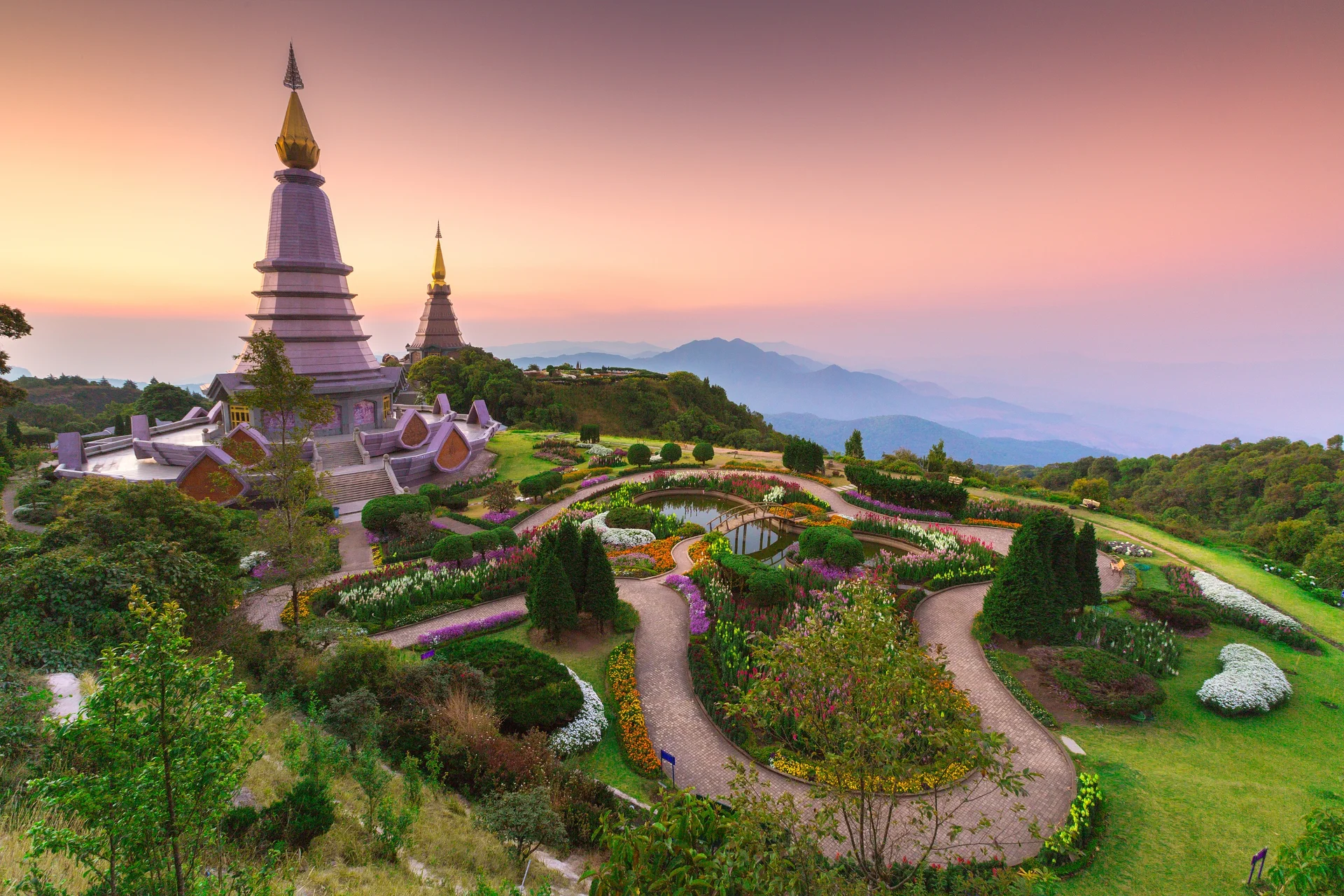
Thailand offers an impressive variety of landscapes. In the north, you will find green mountains and tropical forests, ideal for trekking and meeting ethnic minority groups.
The center of the country is home to fertile plains and historical sites, like Ayutthaya and Sukhothai.
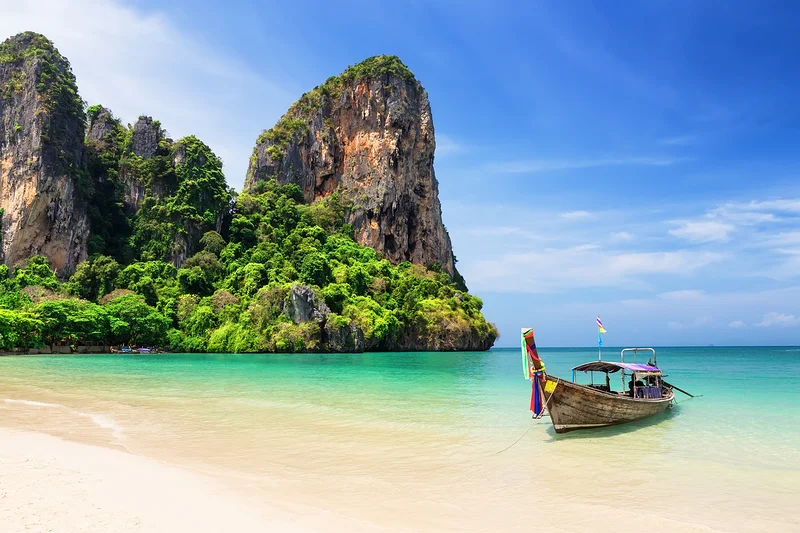
Finally, the south charms travelers with its paradise beaches and turquoise-water islands, such as Koh Phi Phi and Ko Samui, perfect for diving and unwinding.
A cultural heritage to discover
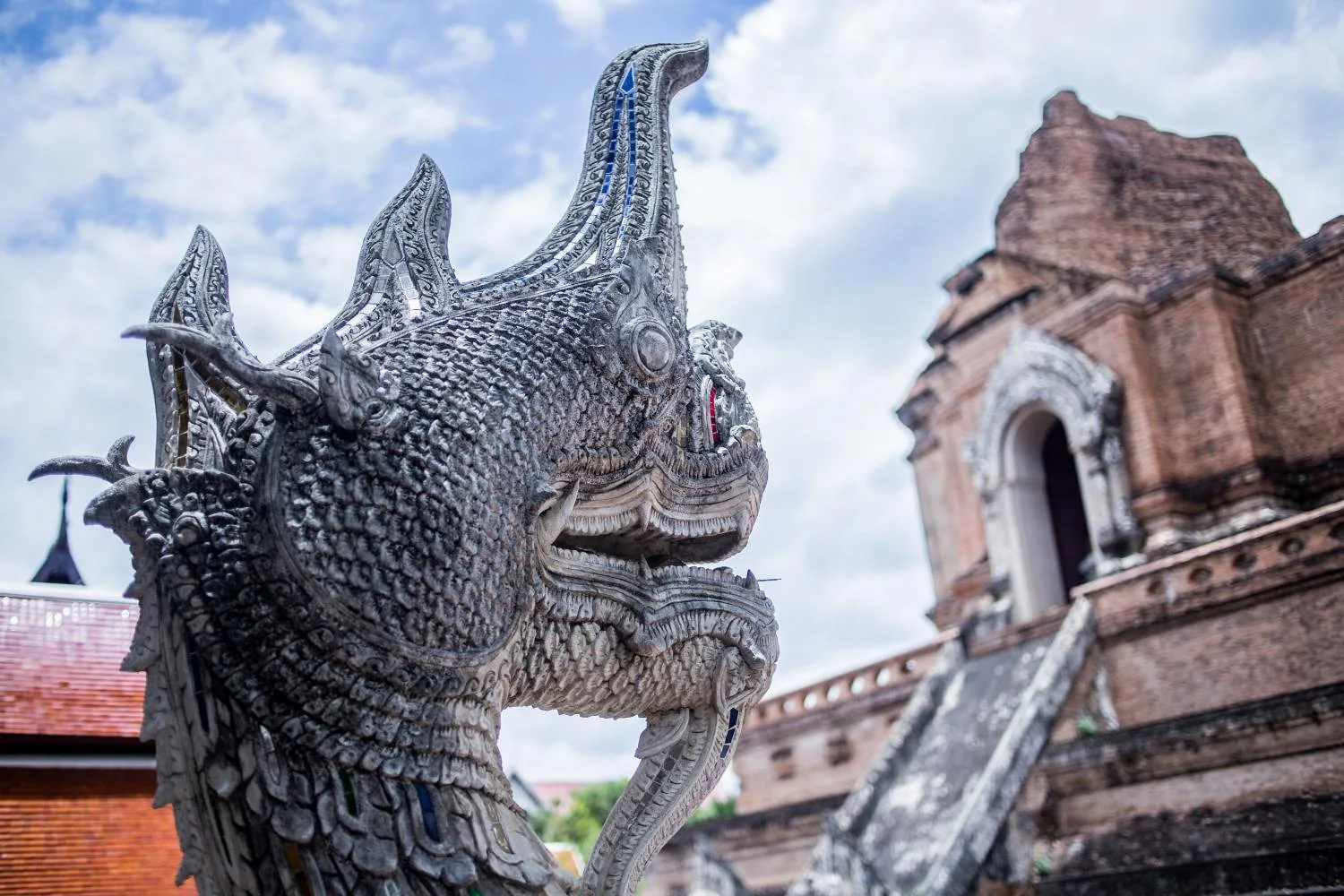
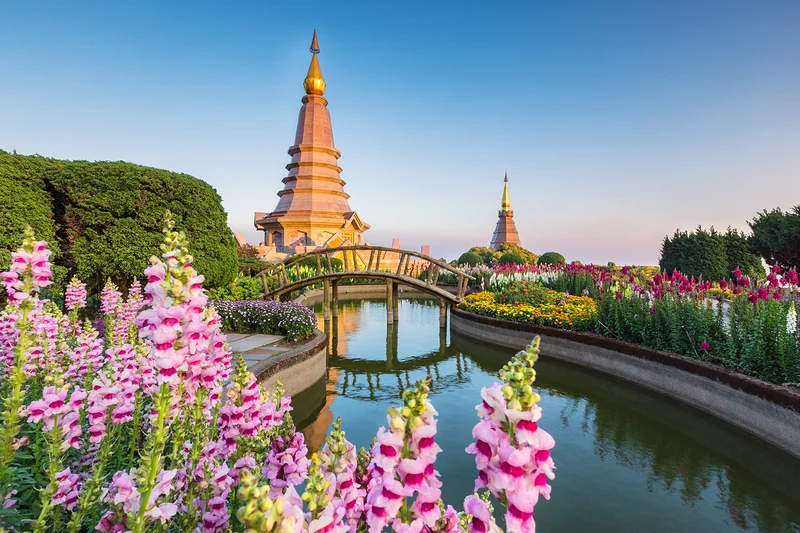
Thai culture is a fascinating blend of traditions and modern influences. Buddhist temples, such as the Wat Arun in Bangkok or Doi Suthep in Chiang Mai, bear witness to the country's religious devotion.
Museums, floating markets, and historic neighborhoods help visitors better understand local history and customs. Attending religious ceremonies or traditional dance performances offers an unforgettable immersion into everyday Thai life.
Culinary specialties to try
Thai cuisine is among the most appreciated in the world. Standouts include pad thai (stir-fried noodles), tom kha kai (chicken and coconut milk soup), and som tam (green papaya salad). Do not miss curries, such as massaman and panang, which are rich in flavor. Street food lovers will enjoy grilled skewers, Thai crêpes, and fresh fruit sold at night markets.
Activities and leisure
Thailand is packed with activities for all tastes. Nature lovers can explore national parks, such as Khao Yai or Erawan, famous for their waterfalls and wildlife. The southern beaches offer opportunities for diving, snorkeling, or kayaking.
In Bangkok, a cruise on the Chao Phraya River or a visit to the floating markets plunges you right into the local scene. Finally, cooking classes or traditional massage sessions let you bring a little piece of Thailand back home.
When to go?
The ideal time to visit Thailand is between November and March, during the dry season. Temperatures are pleasant and weather conditions are optimal for exploring the country, from the northern mountains to the southern beaches.
If you want to experience cultural events, the festival of lights, Loy Krathong, in November, and the Thai New Year, Songkran, in April, are major highlights not to be missed. The rainy season, from May to October, is best avoided for outdoor activities.
How to get there?
Direct or connecting flights link major US and European hubs to Bangkok, Phuket, or Chiang Mai. Flight times from the West Coast run around 15 to 17 hours, while East Coast departures usually take 18 to 22 hours with a stopover. Fares vary between $560 and $900* for a round-trip ticket depending on the season and airlines, such as Thai Airways, Qatar Airways, or Emirates. Booking ahead is advised to secure the best prices, particularly during peak tourist season.
How to get around?
Transportation options in Thailand are varied and accessible. Trains and long-distance buses are budget-friendly and well-organized for connecting major cities and tourist regions.
For more flexibility, car rentals or scooters work well, especially in rural areas and on the islands.
Domestic flights, operated by airlines like Bangkok Airways or AirAsia, save time when traveling between the north, south, and the capital.
In the cities, tuk-tuks and taxis are convenient for short trips.