
Visiting Bangkok
The smell of toasted Thai basil hits you before you even spot the smoking pushcart. Motorbikes weave between colorful tuk-tuks and air-conditioned sedans while, two levels up, the Skytrain glides in silence above the chaos.
At every street corner, a gilded temple rises between skyscrapers, monks in saffron robes share the sidewalk with business suits, and street food costs $2.10* while rooftop cocktails run $15*. Welcome to this eight-million-strong megacity where ancient tradition and unbridled modernity do not just coexist, they dance an erratic tango twenty-four hours a day.
The Thai urban jungle: not for the faint of heart
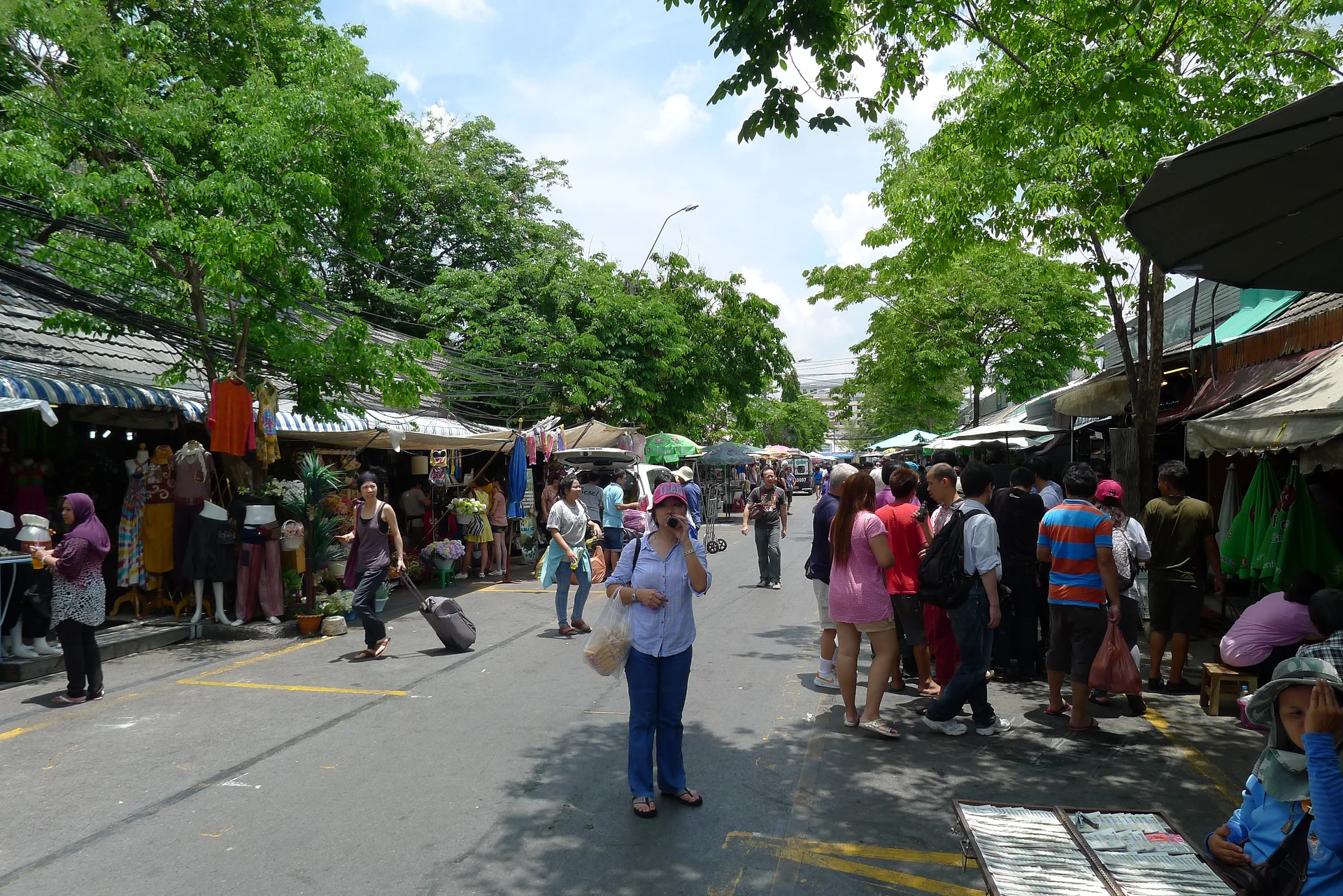
Let us be clear from the start: this city is not for anyone looking for quiet or untouched nature. Pollution can linger during the hot season, vendor stalls often occupy the sidewalks, and the ambient noise is part of the experience. But for curious travelers hungry for cultural discoveries, food lovers chasing authenticity, and anyone willing to roll with the unexpected, this capital offers rare intensity.
This destination is built for fans of majestic temples and Buddhist architecture, gastronomy enthusiasts dreaming of tasting pad thai cooked right in front of them for pennies, and night owls drawn to towering rooftops and high-energy nightlife. Families find plenty to do thanks to air-conditioned malls and amusement parks, even if the heat wears out younger kids.
On the flip side, skip it if you are hunting for beaches (head south to the islands instead), if crowds stress you out, or if you need absolute silence to unwind.
A budget that fits any wallet
One of the capital's great strengths is its financial accessibility. Plan for between $34 and $135* per day depending on your comfort level.
- On a backpacker budget, you will get by on about thirty euros daily by staying in hostels, focusing on street food, and using public transit.
- For moderate comfort, budget sixty to eighty euros for a three-star hotel, local restaurants, and a few extras.
- Above one hundred twenty euros, you step into tropical luxury: five-star hotels, chic rooftops, and fine dining.
Rattanakosin and the sparkling historic core
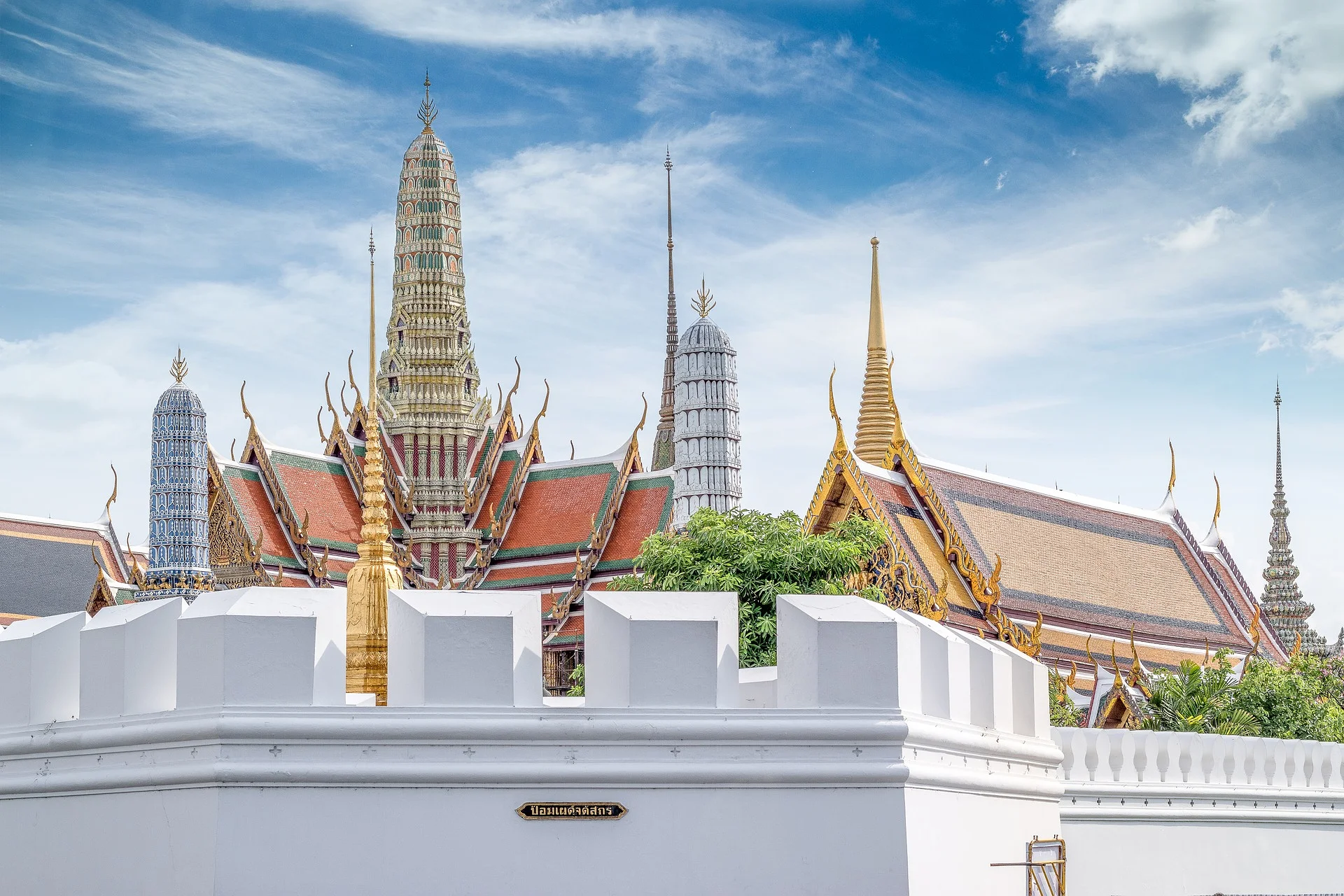
The Rattanakosin neighborhood packs in the city's most dramatic landmarks. This is where the spiritual heart of Thailand beats, anchored by the Grand Palace complex and its Wat Phra Kaew temple, which houses the Emerald Buddha. This jade statue stands just sixty-six centimeters high yet commands reverence across the entire country. The combined palace and temple ticket costs around $14*, a bargain for four Gothic cathedrals worth of surface area. Gilded roofs, multicolored mosaics, and guardian demon statues easily justify the crowds pressing through the gates.
A five-minute walk away, Wat Pho reveals its forty-six-meter reclining Buddha covered in gold leaf. The mother-of-pearl inlay on the feet depicts the one hundred eight auspicious signs of the Buddha. This temple is also the birthplace of traditional Thai massage, and an on-site school still trains practitioners today. Do not miss the stupas scattered across the grounds, architectural masterpieces often overlooked by rushed visitors.
On the opposite side of the Chao Phraya River, Wat Arun cuts a silhouette you will recognize anywhere. Its towers, embedded with Chinese porcelain, shift appearance depending on the daylight. Climbing the steep steps delivers sweeping views over the river and the old city. To cross over, take the local ferry instead of overpriced tourist boats.
Friendly tip: arrive at the Grand Palace right at opening at 9:00 AM to beat the rush and the crushing midday heat. The dress code is strictly enforced: covered shoulders and knees are mandatory, or you will have to rent sarongs at the entrance. Vendors outside will try to tell you the palace is closed to push alternative tours. It is a classic scam, so just ignore them.
Chinatown: the street food temple that never sleeps
The Yaowarat neighborhood catches fire as soon as dusk falls. The main drag turns into a pulsing artery lined with glowing Chinese signs, smoking food stalls, and counters overflowing with grilled seafood. The scent of fried garlic, crisp oysters, and crispy pork belly hangs in the humid air. Forget about pretense or decor here: you eat standing up, perched on wobbly stools shoulder-to-shoulder with locals.
Local specialties include crispy oyster omelets, duck noodle soups, and moo krob, a fried pork so crunchy it melts on your tongue. Wat Mangkon Kamalawat is worth a detour: this richly decorated Chinese temple contrasts with Thai Buddhist shrines through its golden dragons and red lanterns. In this maze of alleys, you will also spot traditional herbalist shops, goldsmiths working right on the street, and vibrant fabric merchants.
Friendly tip: for total immersion, check out Soi Texas and Soi Nana, two small side streets running perpendicular to Yaowarat where locals feast away from the tourist paths. The Pak Khlong Talat flower market, open twenty-four hours a day but busiest at night, explodes with color and fragrance just steps from Chinatown.
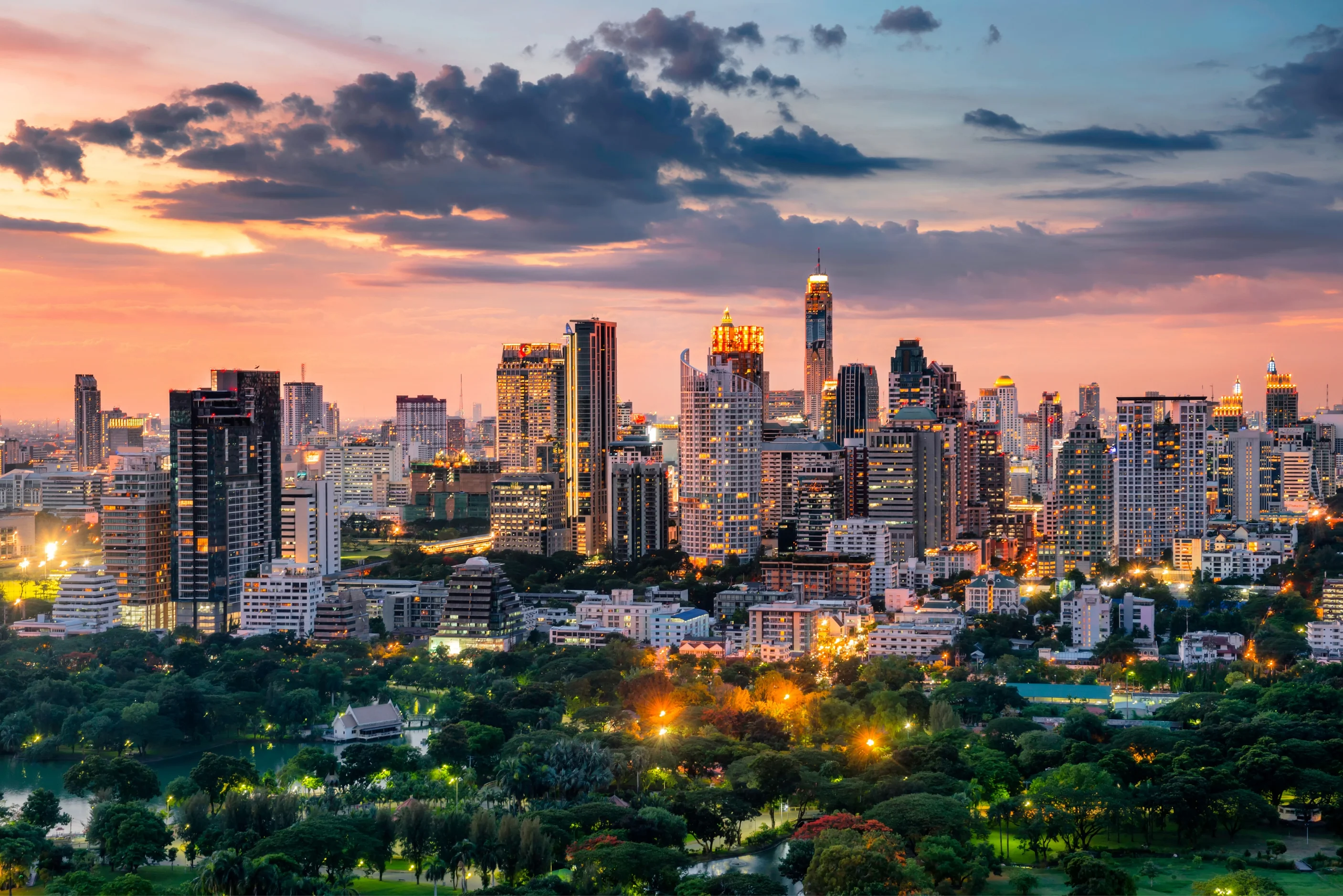
Sukhumvit and Silom: vertical modernity and rooftops
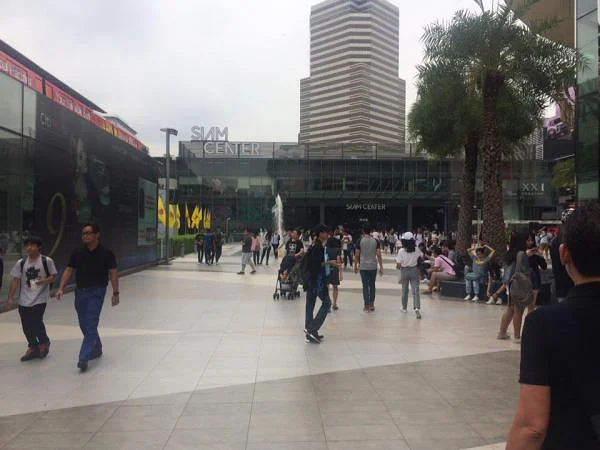
The Sukhumvit neighborhood stretches for miles along the avenue of the same name. This is the domain of Western expats, oversized shopping malls, and international dining. The numbered side alleys, known as soi, branch off to host lively nightlife, massage parlors on every corner, and trendy coffee shops favored by local creatives. Terminal 21, a themed mall where each floor recreates a different city like Tokyo, Istanbul, or San Francisco, is worth a look for its unapologetic kitsch.
Further south, Silom juggles business district by day and party zone by night. Glass towers house corporate offices during the week before transforming into sought-after nightlife destinations after dark. This is where you will find the most dramatic rooftops: the Sky Bar at Lebua State Tower (made famous by The Hangover Part II), the Vertigo & Moon Bar, and the Roof at Park Society. Expect cocktails around $15 to $21*, but the 360-degree view over the glittering metropolis earns every baht.
Lumphini Park, a rare green lung in this concrete desert, offers a breath of fresh air for runners and walkers. Early in the morning or late afternoon, watch locals practice tai-chi, jog, or feed the giant monitor lizards that inhabit the central lake. These five-foot-long reptiles stroll casually among walkers, a surreal sight in the middle of the urban sprawl.
Friendly tip: for rooftops, check the dress code (no flip-flops or shorts for men) and arrive before sunset to watch the city lights switch on one by one. Silom Soi 20 hosts an impressive lineup of authentic midday street food stalls frequented almost exclusively by local office workers.
Khao San Road and the wild backpacker epicenter
This quarter-mile stretch of road earned worldwide fame after the filming of The Beach starring Leonardo DiCaprio. Since then, Khao San Road has become the ultimate home base for global backpackers. The vibe is festive and loud, featuring bars blasting electronic music until dawn, stalls selling fried scorpions to adventurous tourists, and a heavy concentration of tattoo parlors and hair-braiding stations.
Paradoxically, this tourist hub sits just a ten-minute walk from the Grand Palace, making it a convenient base despite its manufactured feel. Accommodation prices stay unbeatable (250 to 500 THB per night in dorms), and travel agencies run trips to every corner of the country. Neighboring streets like Samsen and Rambuttri dial down the noise while keeping you close to the action.
The night market that sets up here every evening sells clothes, souvenirs, and gadgets at rock-bottom prices. It is also the kingdom of budget massages, running $6 to $11* an hour, which works wonders on sore muscles after a day of sightseeing in the heavy heat.
Friendly tip: if you want to sleep, avoid staying directly on Khao San. Pick a hotel on a quiet side street nearby so you get the low rates without the all-night racket. On Sunday mornings, the neighborhood grows quiet and almost unrecognizable in the early sun.
Where to eat and drink in the flavor capital
The local food scene is practically a religion. Street food reigns supreme: a plate of shrimp pad thai costs $1.10 to $3* at any roadside cart. These rice noodles stir-fried with egg, crushed peanuts, bean sprouts, and tamarind come in endless variations. Tom yum goong, a hot and sour shrimp soup scented with lemongrass and galangal, warms you up even in one-hundred-degree heat. Green papaya salad (som tam) refreshes the palate with its explosive mix of chilies, lime, and fish sauce. For dessert, mango sticky rice drizzled with sweet coconut milk remains an unbeatable classic.
For a memorable meal, head to Thip Samai, a pad thai institution for decades. Lines snake down the block, but your patience gets rewarded with noodles wrapped in a crisp egg blanket. Jay Fai, a Michelin-starred septuagenarian who cooks wearing ski goggles to block popping hot oil, serves up her famous crab omelet at steep prices for street food (around 500 THB or $15 USD), though the exceptional quality justifies it. The area around the Victory Monument packs in dozens of stalls frequented almost exclusively by locals, which guarantees authenticity.
The stalls at Or Tor Kor market, ranked among Asia's finest covered markets, sell exotic fruits, spices, and prepared dishes in a clean, orderly setting. Yellow mangoes, hairy rambutans, and polarizing durian sit right alongside dried fish and freshly prepared curry pastes.
How to get here and navigate this tropical maze
Two airports serve the capital. Suvarnabhumi, the main international hub located nineteen miles east, connects to downtown in thirty minutes via the Airport Rail Link, which costs $0.45 to $1.40* depending on your stop. The line links up with the BTS at Phaya Thai station. Taxis from the airport run $9 to $15* including tolls, but insist on using the meter. Don Mueang, the northern airport favored by low-cost carriers, connects via taxi or the Red Line commuter train.
Once you are in town, the BTS Skytrain and MRT subway are your best friends. Air-conditioned, clean, and frequent, they run from 6:00 AM to midnight. Fares run $0.45 to $1.40* based on distance. The only catch: the two networks require separate tickets, even at transfer stations like Asok-Sukhumvit or Sala Daeng-Si Lom.
The Chao Phraya Express river boats offer a scenic alternative for reaching the temples. Fares run 15 to 30 THB, and you buy tickets on board from the conductor weaving through passengers. Taxis are everywhere but require a firm hand: insist that the driver turns on the meter. The base flag drop is 35 THB plus distance. The Grab app (the local Uber equivalent) cuts out negotiations entirely by locking in a fixed price beforehand.
As for tuk-tuks, these iconic three-wheelers paradoxically cost more than a taxi while offering less comfort (no A.C., direct exhaust fumes). Agree on the price before you hop in: 50 to 100 THB max for cross-town trips. Watch out for drivers offering free or ultra-cheap tours, which is a classic scam leading you to silk or gem shops where the driver collects a kickback.
When to go
The ideal window runs from mid-November to February. During these blessed months, temperatures hover between seventy-seven and ninety-one degrees, skies stay clear blue, and rain is rare. January and February hit the sweet spot with tolerable humidity and nearly cool evenings (seventy-two degrees). Naturally, this is peak tourist season, meaning packed temples and inflated hotel rates.
Avoid the period from March to May at all costs. The thermometer regularly climbs past one hundred degrees, the air turns suffocating, and pollution peaks. In April, the atmosphere grows heavy, except if you come specifically for Songkran, the Buddhist New Year celebrated with citywide water fights.
The rainy season from June to October brings violent but brief tropical downpours, usually in the late afternoon. September and October are the toughest months with frequent flooding: the Chao Phraya River spills its banks, turning certain neighborhoods into an Asian Venice. If you do not mind occasional showers and want lower rates, November is a solid compromise, coinciding with the Loy Krathong lantern festival where thousands of lights float down the river.
Merci pour ton avis. Tu aurai un endroit à recommander pour un séjour de 3 jours et 2 nuits pour une famille de 2 enfants et 2 adultes ?