Exploring Norway, Between Majestic Fjords and Untamed Wilderness
Known for dramatic terrain that rivals the Alaskan backcountry, Norway draws travelers looking for wide open spaces and backcountry adventures.
The Fjords, Natural Wonders Worth Exploring
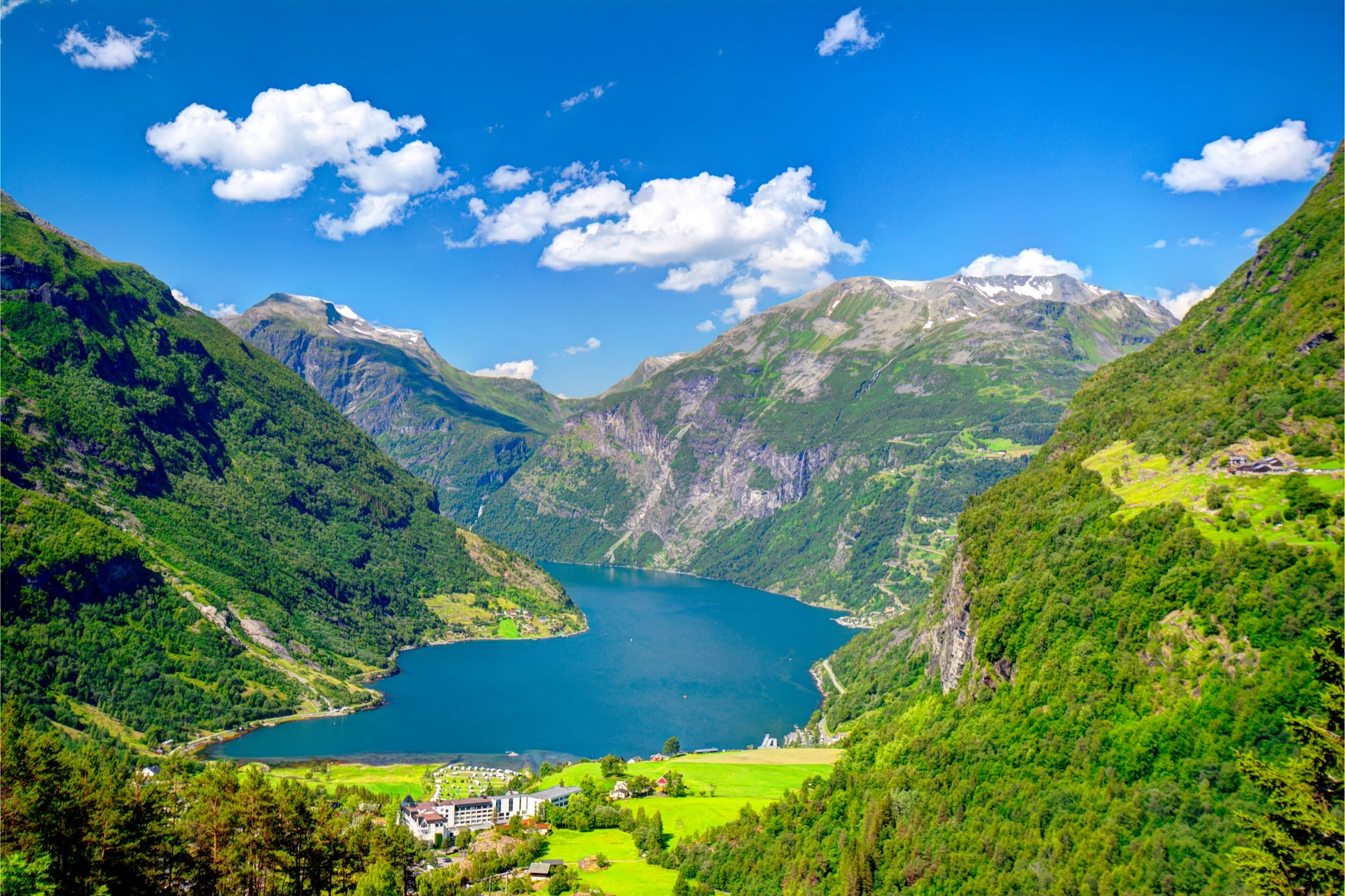
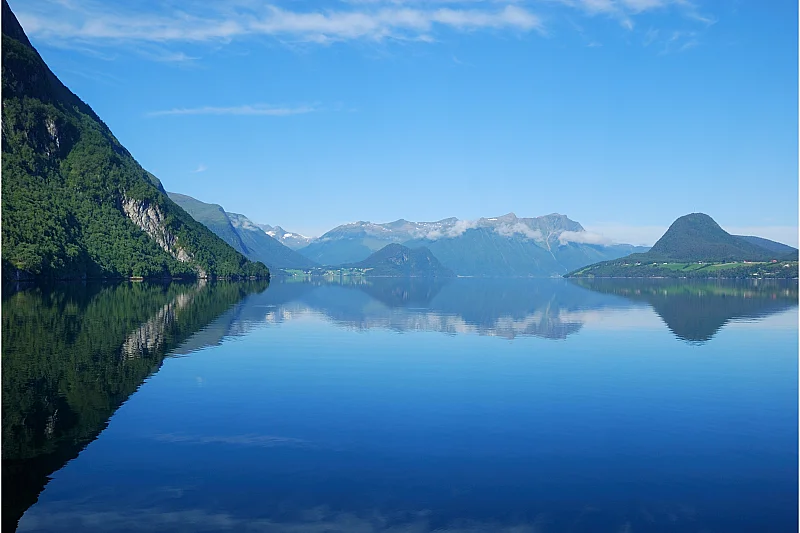
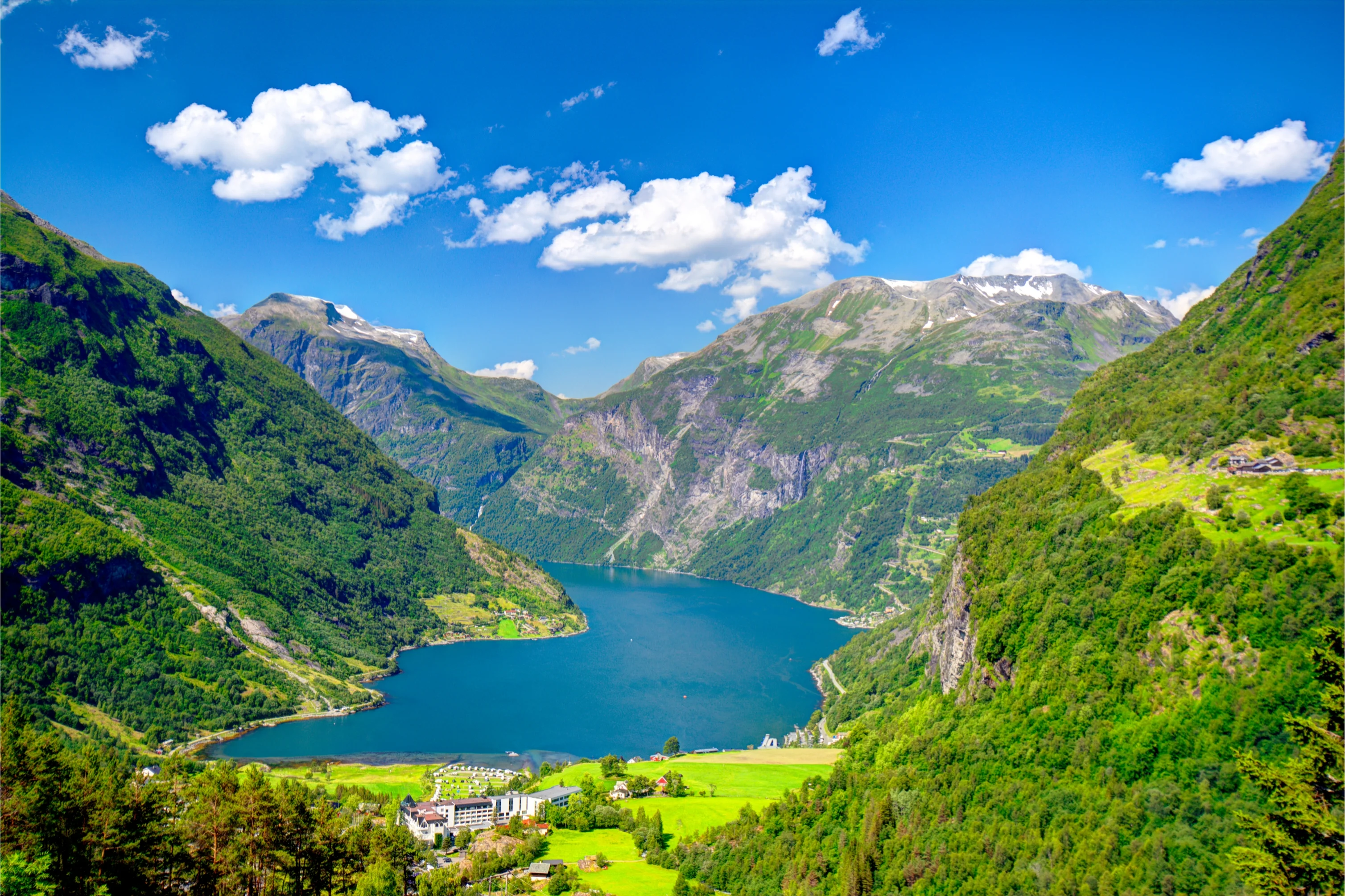
The fjords are the country’s defining landmark. The Sognefjord, nicknamed the king of the fjords, is the longest and most dramatic, featuring sheer cliffs plunging into deep water. The Geirangerfjord, a UNESCO World Heritage site, is another essential stop thanks to towering waterfalls like the Seven Sisters.
More subdued but equally charming, the Hardangerfjord appeals to hikers and fans of picturesque villages like Ulvik and Eidfjord.
Cities Full of Character
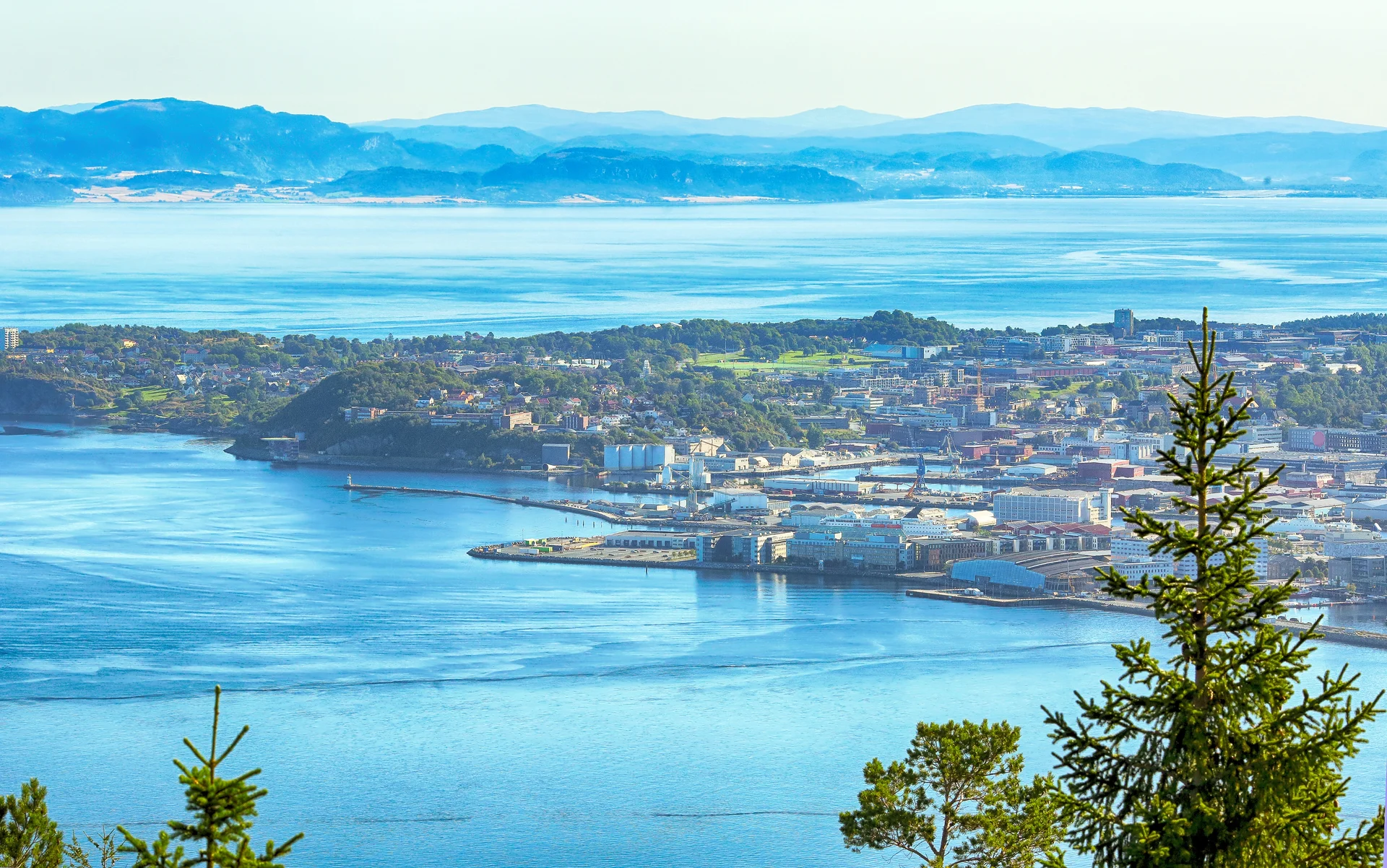
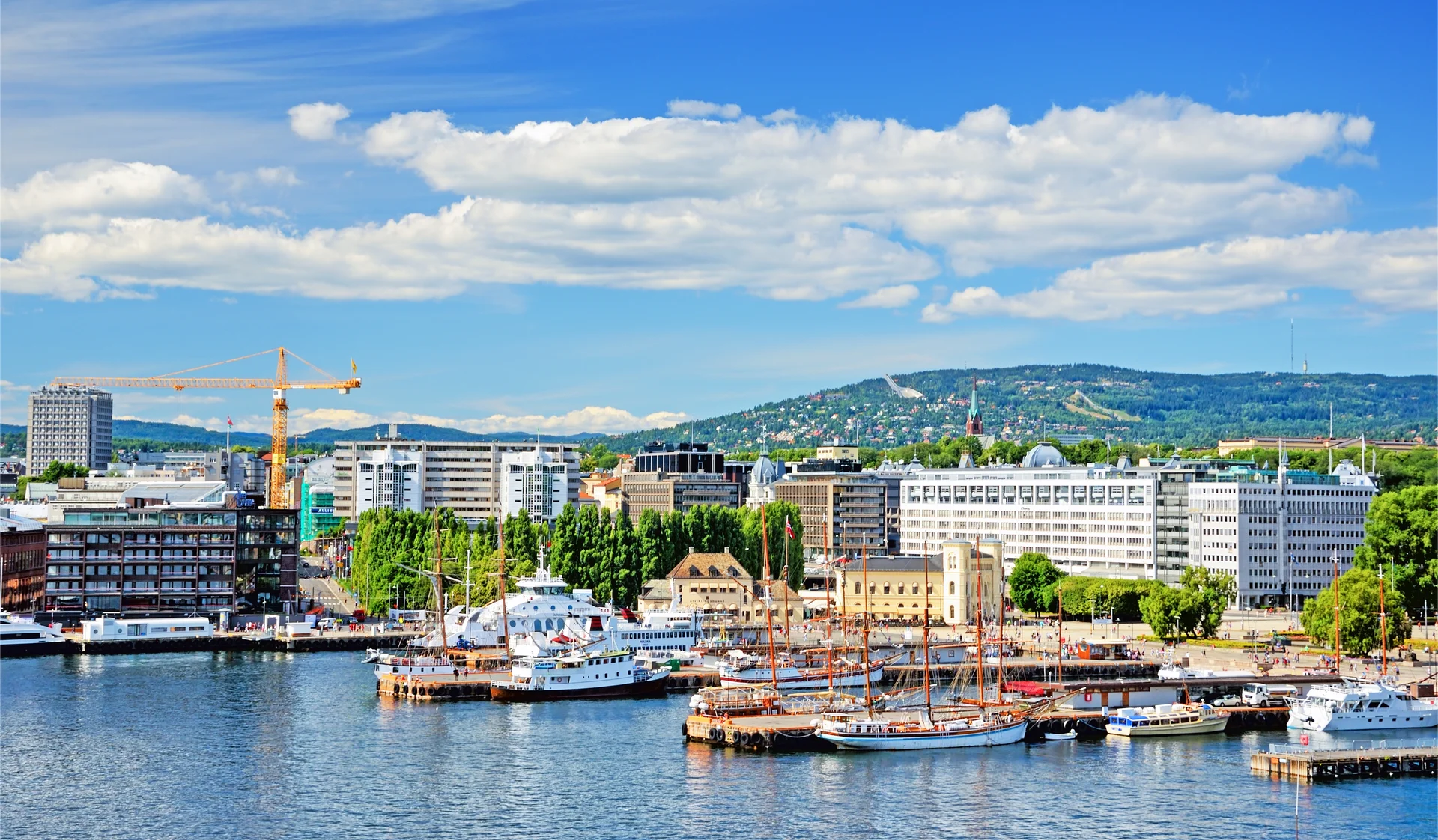
Oslo, the capital, balances modern architecture and historic institutions through major cultural attractions like the Munch Museum and the Vigeland sculpture park. On the west coast, Bergen, a port city defined by the colorful timber buildings of the historic Bryggen wharf, serves as the main gateway to the western fjords. Further north, Tromsø offers a lively atmosphere and serves as a primary hub for catching the Northern Lights.
Outdoor Activities
Norway functions as a playground for outdoor enthusiasts. Jotunheimen National Park, known for rugged alpine peaks, features hiking routes suited for different ability levels. The Lofoten archipelago, featuring sharp granite peaks dropping straight into the ocean, provides premier settings for sea kayaking and coastal hiking.
During winter months, downhill skiing, dog sledding, and snowshoeing trips make the most of the snow cover.
Northern Lights and the Midnight Sun
Watching the aurora borealis is a major draw in the Tromsø region or the Lofoten islands between October and March. Conversely, the midnight sun creates endless daylight during summer, particularly above the Arctic Circle where the sun stays up from May through July, providing extra hours for exploring.
Norwegian Cuisine, From Sea to Land
Traditional Norwegian food relies heavily on fresh seafood like smoked salmon, cod, and gravlax (dill-cured salmon). Game meats like moose and reindeer are also staples. For a local drink, try aquavit, a traditional spirit flavored with caraway and regional herbs.
When to go?
To experience mild weather and trail access, plan your trip between June and August. If you want to see the Northern Lights, aim for the window between October and March. Don't miss Midsummer celebrations in June, marked by large bonfires across the country.
How to get there
There is no easy nonstop from most of North America. The standard routing is one connection through Copenhagen, Stockholm, Amsterdam, London, or Frankfurt, which puts Oslo about 10 to 12 hours from the East Coast door to door; Newark picks up direct summer service. Bergen and Tromsø are then a short domestic hop from Oslo, or a layover in Copenhagen.
Norway is not in the European Union but is part of Schengen, so US and Canadian passports get 90 days without a visa. It is also not on the euro: prices are in Norwegian kroner, and cards work absolutely everywhere, including on rural ferries and in mountain huts.
If you would rather arrive slowly, the Hurtigruten coastal ferry has run the Bergen to Kirkenes route for over a century, calling at 34 ports along the way. It doubles as the local mail and freight boat, which is exactly why it stops where cruise ships do not.
How to get around
Norway features a well-maintained highway system, making it easy to tour by car or campervan. The rail network is comfortable and scenic, particularly the route between Oslo and Bergen. Ferries are necessary for crossing coastal fjords and reaching northern island groups.