
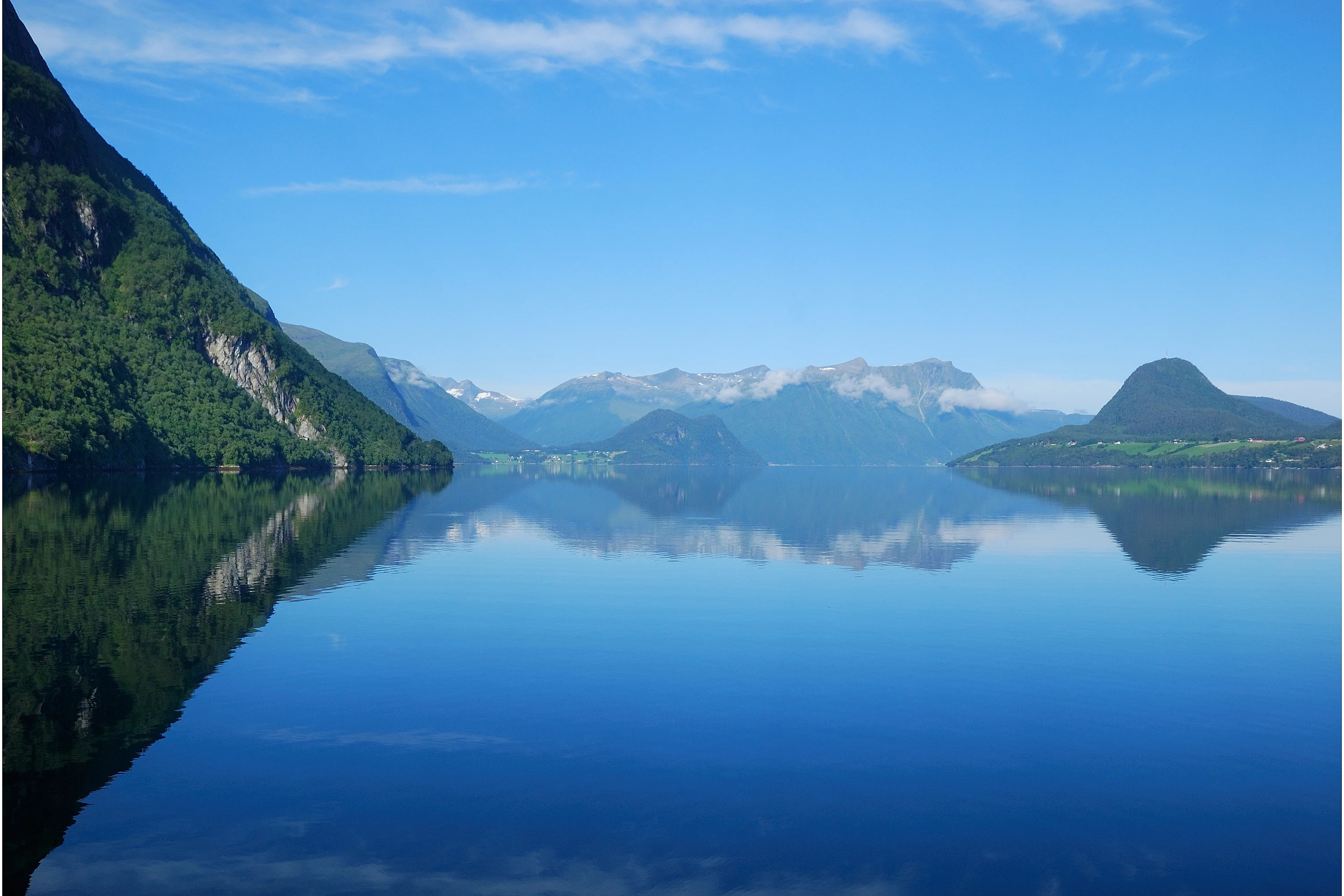
Norway is often seen as a pricey destination, reserved for the elite or cruise passengers. Yet, our 15-day road trip cost us {eur:4650} for two adults in total independence, flights and car rental included. You need to plan ahead to keep your budget from blowing up due to ferries and the high cost of living.
With Camille, we broke down every expense to map out a logical itinerary from Bergen to Ålesund. I'm sharing my top logistical tips and must-see stops to live an epic experience without breaking the bank.
Norway 15-day road trip budget: our honest breakdown
Norway has this reputation for being a destination for millionaires, but if you dig a little deeper, you realize that a reasonable budget (everything is relative, of course) is totally possible.
The real cost for two independent adults
For our 15-day trip, we spent precisely {eur:4650} for two people. This amount covers absolutely everything: direct flights, car rental, and every daily expense. It is a hefty sum, but reasonable for two full weeks of immersion.
Here is the exact breakdown of our expenses:
| Poste de dépense | Montant |
|---|---|
| Location auto | 1 200 € |
| Alimentation & courses | 800 € |
| Vol A/R (pour deux) | 500 € |
| Carburant | 400 € |
| Hébergements, péages & ferrys | 1 750 € |
Great deal
For your on-the-spot expenses, use your credit card for every transaction: it is accepted everywhere, even for a single coffee, which avoids exchange fees and keeps things simple.
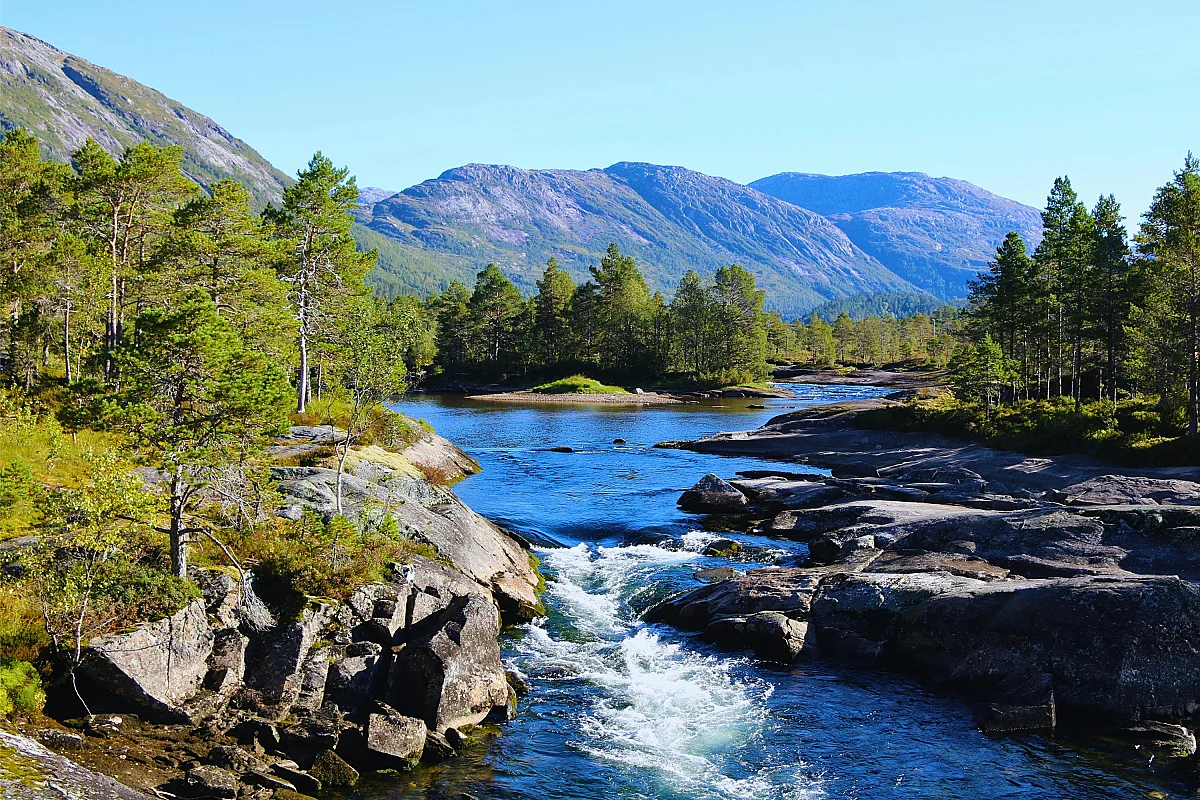 Wild nature landscape in Norway
Accommodation and vehicle: what is the best formula?
Norwegian hotels are quite pricey and often less immersive for those seeking wild nature. To cut down on costs, we alternated between camping and hytters (those traditional cabins with an inimitable rustic charm).
Hytters are truly the secret to a successful trip without completely breaking the bank, while keeping things genuinely comfortable.
Car, camper or rooftop tent: which option to stay mobile?
When analyzing the transportation and accommodation budget, a question quickly comes up: should you rent a campervan? The idea of total freedom is appealing, especially in Norway where you change your stopover regularly. But renting a campervan can quickly add up to a significant budget, not to mention fuel consumption, the cost of certain ferry crossings, and a vehicle size that is sometimes less practical on narrow roads.
For an upcoming trip, we are therefore thinking about driving directly from France with our own car equipped with a rooftop tent. This setup would allow us to keep a vehicle we already know while having a sleeping area that follows the itinerary. For those considering this solution and wanting to compare the different configurations, check out the 3 hardshell models from Edge Overland, with options tailored to different vehicles, numbers of travelers, and space needs.
1. Explore One: for traveling with two or three
The Explore One features an aluminum hardshell and a triangular opening. Designed for two to three people, it favors a relatively compact format once closed and quick setup. It is an interesting configuration for an on-the-move road trip like this one, where you regularly pack up your camp before hitting the road toward the next fjord.
2. Horizon One: more space for multiple travelers
The Horizon One focuses more on available space once deployed. Its fold-out opening provides a more generous sleeping surface and accommodates up to four people. It is therefore a better fit for a family or travelers who want to prioritize sleeping space during a multi-week trip.
3. Horizon Mini: a more compact alternative
The Horizon Mini takes the principle of a hardshell fold-out tent in a more compact format. Designed for two to three people, it is an interesting alternative for those looking for a compromise between sleeping space and roof bulk, especially with a smaller vehicle.
Ultimately, the choice depends mainly on the number of travelers, the vehicle used, the roof load limit, and the desired sleeping space. For a two-week itinerary between fjords, ferries, and frequent stopover changes, ease of setup and packing counts almost as much as comfort once the tent is open.
This is precisely what draws us to this solution for an upcoming trip: keeping the freedom of a standard car while having a campsite that you can move along the itinerary. You would obviously need to check the compatibility of the tent, roof racks, and vehicle before leaving, but on paper, the compromise seems particularly well-suited to such an itinerant road trip.
Another argument, and a major one at that: no vehicle or accommodation to rent...
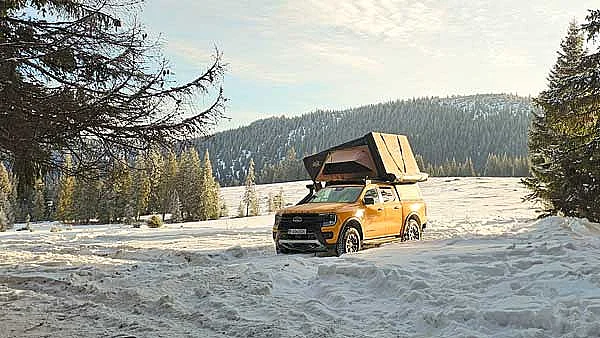 Car with roof tent © Photo credit: edge-overland.com
How to handle driving and ferries without stress?
After accommodation, driving is the core of your logistics. With Camille, we quickly realized that good organization behind the wheel keeps your budget from ballooning at every turn.
Managing ferry crossings
How the queues work at the docks is child's play. You arrive at the port and line up in the designated lane. Boats run back-to-back (often every 20 minutes on major routes), and payment is handled automatically by scanning your license plate.
Tip
To avoid waiting for the ferries, just try crossing outside of the late-afternoon peak hours.
The AutoPass system and tolls
No stops are necessary at tolls. Be sure to register your vehicle on the official Epass24 (or AutoPass) portal before leaving. The gantries scan your license plate and you will receive a clear invoice by email, which avoids rental car surcharges upon your return.
| Type de frais | Coût moyen estimé | Mode de paiement |
|---|---|---|
| Ferry court | 81 NOK (~7 €) | Débit automatique AutoPass |
| Tunnel urbain / récent | 47 NOK (~4 €) | Débit automatique AutoPass |
| Route nationale | 35 NOK (~3 €) | Débit automatique AutoPass |
| Pont majeur | 135 NOK (~11,5 €) | Débit automatique AutoPass |
Speed limits and speed cameras
The severity of Norwegian fines is no myth: a minor speeding infraction can exceed 1 200 NOK (~100 €). Average speed cameras are common (they calculate your average speed between two points, especially inside tunnels). Fortunately, local driving is extremely courteous and relaxed.
Detailed step-by-step itinerary (15 days)
Here is the day-by-day itinerary we recommend to balance driving time, hikes, and fun.
Days 1 to 3: Bergen and the Gateway to the Fjords
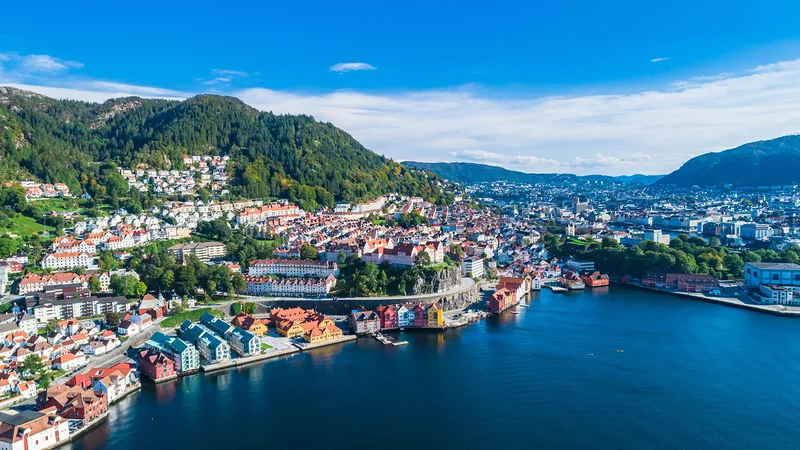
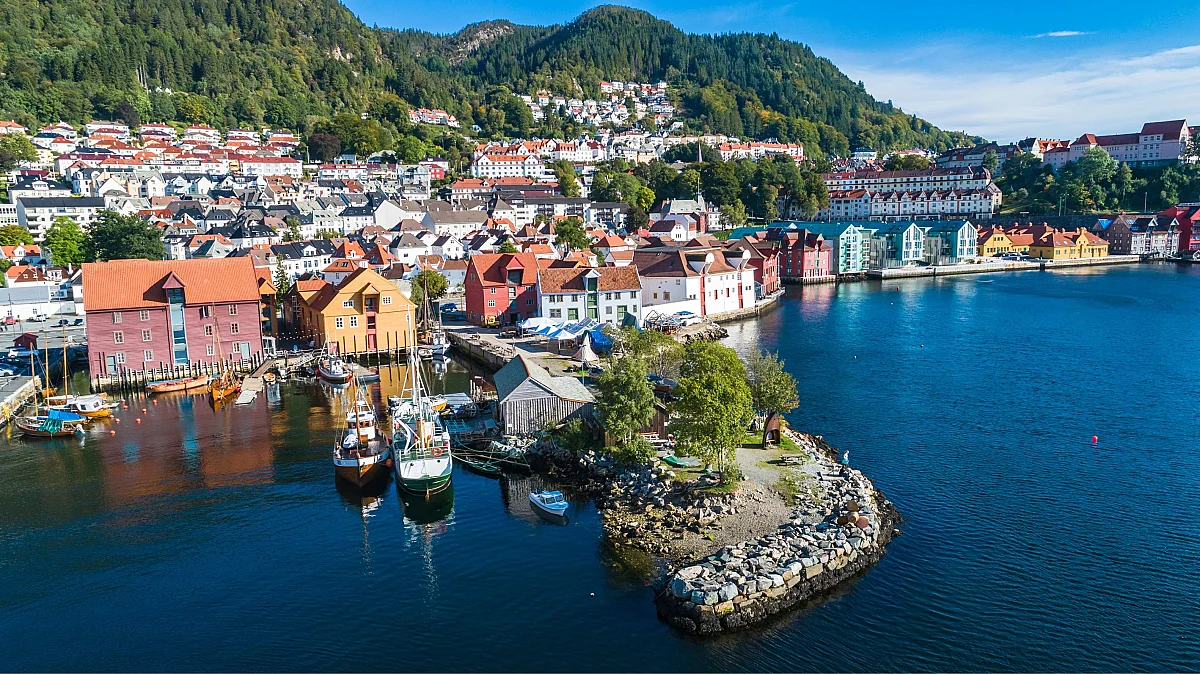 Bergen and its colorful houses
Day 1 & 2:
Arrive in Bergen. Take the time to wander through the historic Bryggen neighborhood and its colorful wooden facades. Ride the Fløibanen funicular up to Mount Fløyen to take in the views of the archipelago. For meals, skip the overpriced fish market restaurants and head for the smaller, out-of-the-way snack bars.
Day 3:
Pick up your rental car and head east. Your first deep dive into Norwegian nature.
Bergen in the rain keeps a crazy charm that even full sunshine could never match.
Days {nb}-{nb}: The Hardangerfjord and the Vøringfossen waterfall
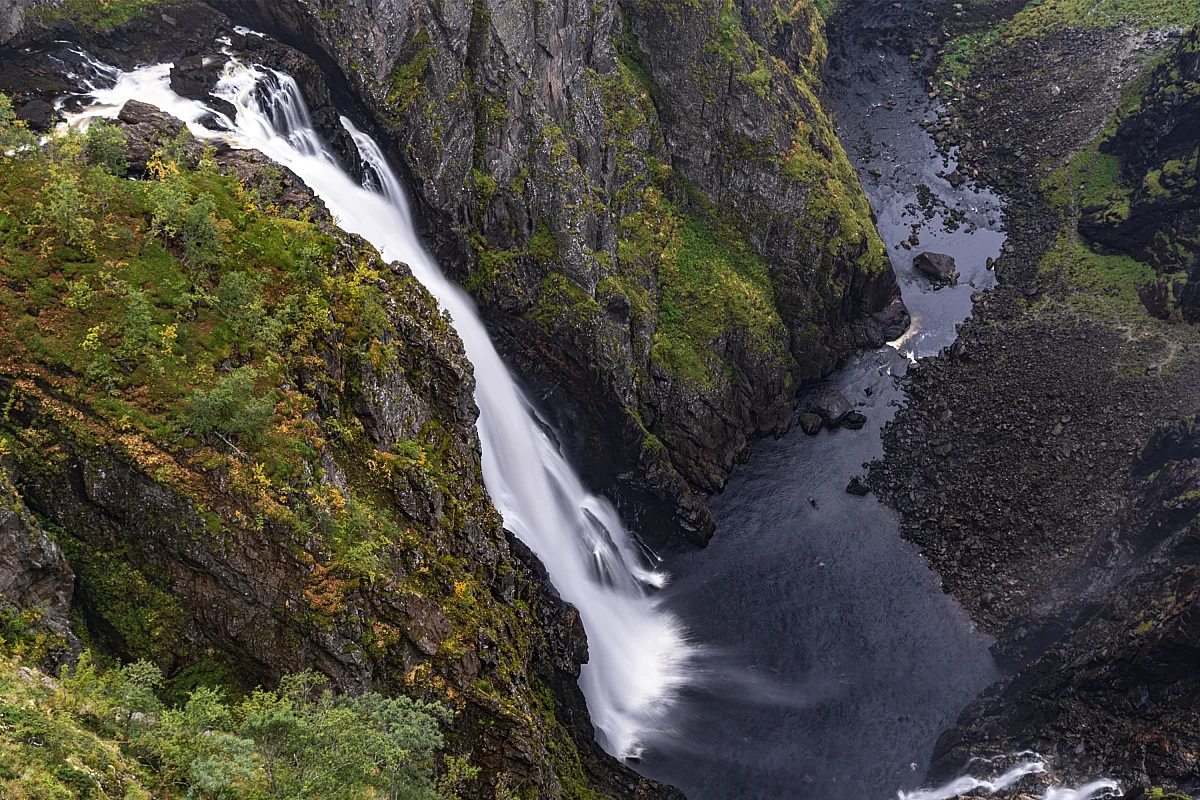 Vøringfossen Waterfall
Day 4:
Scenic route 7 toward the Hardangerfjord. A mandatory stop at the spectacular Vøringfossen waterfall. The suspended metal walkways over the drop offer a dizzying view.
Day 5:
Hike around the fjord. Depending on your fitness level, choose the valley of waterfalls (Husedalen), the scenic walk to the Bondhusvatnet glacial lake, or stroll through the orchards of Kinsarvik (gorgeous in spring and fall).
Tip
Get to Vøringfossen waterfall early in the morning to beat the tour buses.
Days 6 to 8: Nærøyfjord, Borgund Stave Church and Sognefjord
Day 6:
Head north. Explore the Nærøyfjord, an arm of the Sognefjord so narrow that the sheer rock walls seem to touch the boat (a UNESCO World Heritage site). Stop by the charming village of Undredal to taste its famous brown goat cheese.
Day 7:
Visit the Borgund Stave Church. With its carved dragon heads on the roofs, this 12th-century masterpiece looks like it stepped straight out of a Viking legend.
Day 8:
A quiet drive along the roads of the Sognefjord, Europe's longest fjord.
Days 9 & 10: Jostedalsbreen Glacier and the Lovatnet lake gem
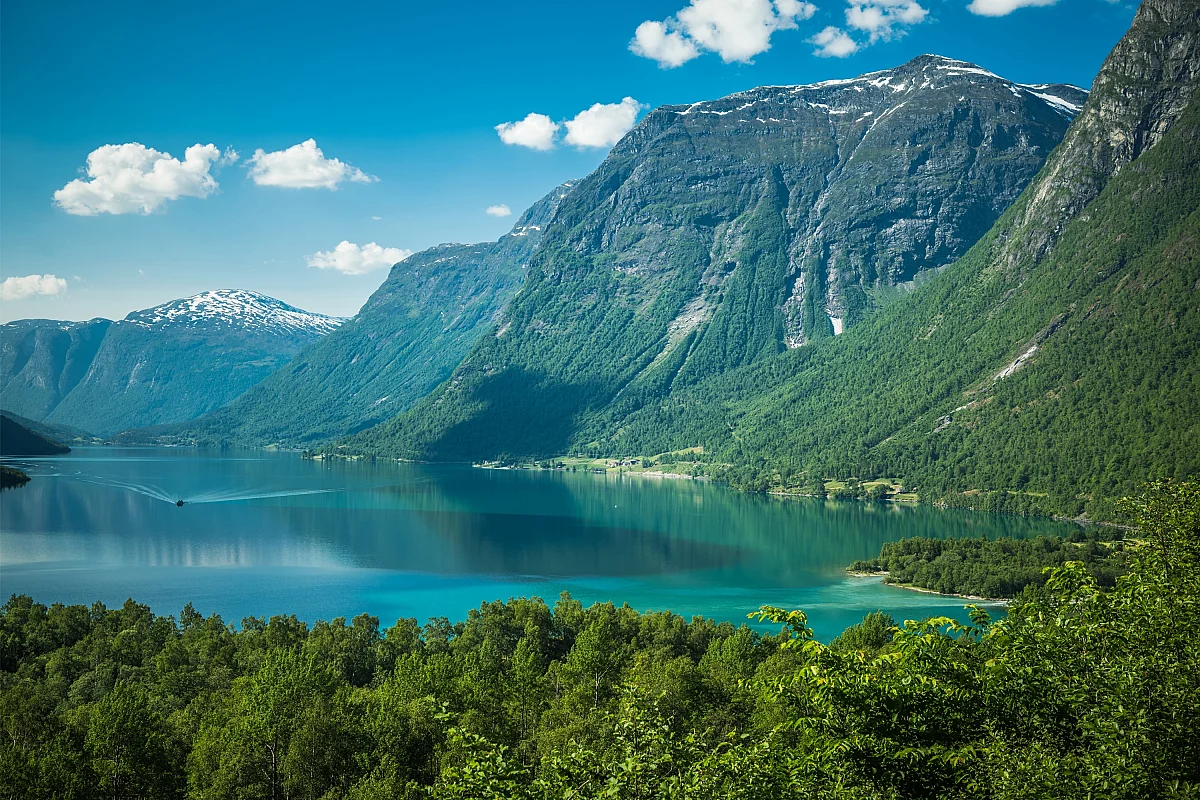 Lake Lovatnet
Day 9:
Approaching hike to the Briksdalsbreen glacier (an arm of the Jostedalsbreen). An easy 6 km walk takes you right in front of a magical blue ice tongue.
Day 10:
Day at Lake Lovatnet. The water has an unreal emerald color there due to glacial sediments. It is the perfect spot for a quiet picnic, far from the crowds.
Heads up
Never cross the safety barriers near the Briksdalsbreen glacier, as icefalls are unpredictable.
Days 11-12: The impressive Geirangerfjord and the Troll Road
Day 11:
Arrival at the Geirangerfjord. While cruise ships tend to ruin the end of the valley a bit, you just need to get some elevation: climb the trail toward the Skageflå hanging farm or view the fjord from the switchbacks of the Eagle Road.
Day 12:
Guaranteed thrills on the Trollstigen (Trolls' Road) and its 11 hairpin turns hugging the mountainside.
Good to know
Check the opening of the Trollstigen according to your travel dates, as it closes in winter and early spring.
Days 13 to 15: The Atlantic Ocean Road and Ålesund
Day 13:
Spectacular drive along the Atlantic Road, including the Storseisundet Bridge, which seems to launch right out over the ocean. Stop by the authentic little fishing village of Bud.
Day 14:
Explore Ålesund, famous for its Art Nouveau architecture rebuilt after the fire of 1904. Climb the 418 steps of Mount Aksla for sunset views over the city and the islands.
Day 15:
Return the rental car and catch your flight home.
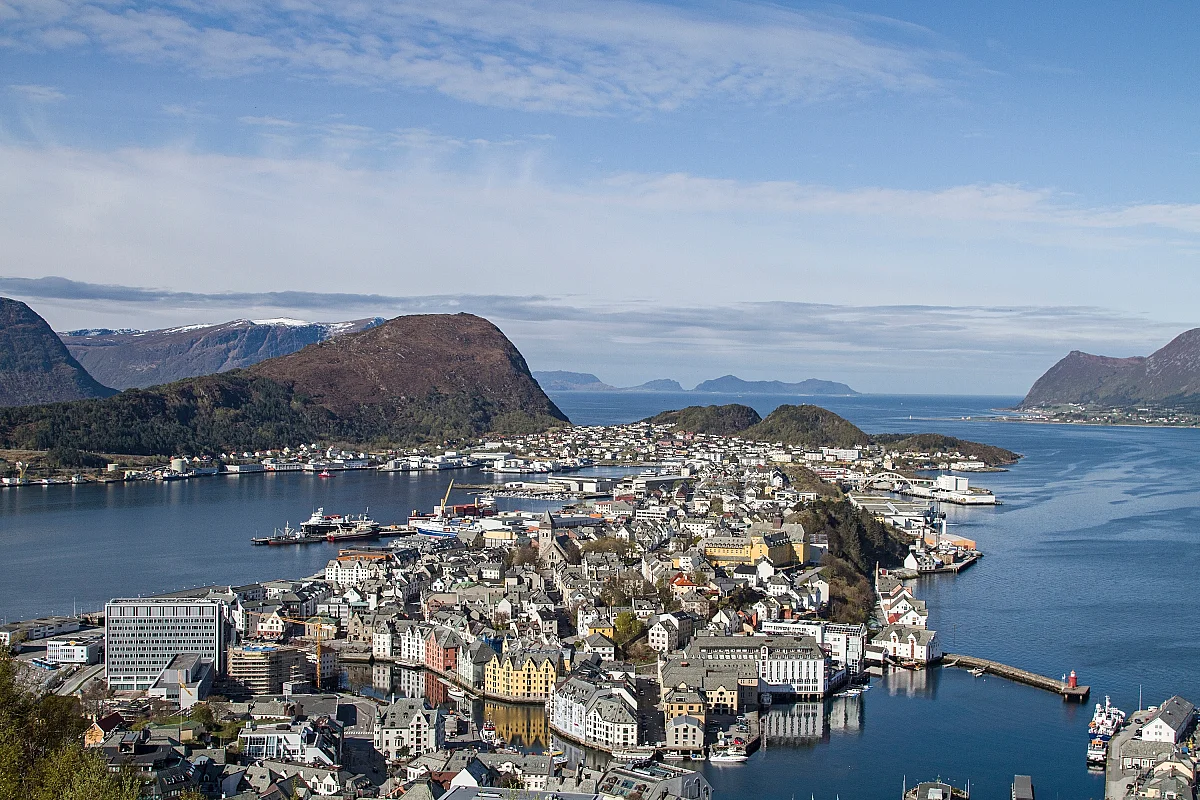 Ålesund
What gear should you pack for changing weather?
To fully enjoy this itinerary without suffering from the cold or rain, packing your bag properly is crucial.
The 3-layer system for hiking
- Layer 1 (Breathable): merino wool thermal base layer
- Mid-layer (Insulating): a good light fleece jacket
- Layer 3 (Protective): a waterproof and windproof jacket (Gore-Tex type, minimum 10,000 mm)
Don't forget waterproof high-top boots, plus a lightweight beanie and gloves in your backpack, even in summer.
Essential apps
- Yr.no: the Norwegian weather app, fiercely accurate fjord by fjord
- Norgeskart / Maps.me: for downloading offline hiking maps (service can drop out in deep valleys)
- AutoPass / Epass24: for tracking your tolls and ferries
Food and local life: our tips for saving money
Eating local on a budget
To avoid exorbitant restaurant prices:
- Shop at discount grocery stores like Rema 1000, Kiwi, or Coop Extra
- Buy your fish directly at the supermarket: salmon and cod are very fresh and affordable there
- For a hot meal on the road, gas stations offer good hot dogs (pølse) and burgers at a reasonable price
Why travel in September?
Great deal
September is the best sweet spot: the peak tourist season is over, lodging prices drop, the tundra takes on blazing autumn colors, and the light is incredible for photography.
What we would do differently with Camille
If we had to do this trip over again, we would change accommodations less often: packing and unpacking every day wears you out for no good reason. Setting your bags down for 2 or 3 nights in the same spot lets you explore with more peace of mind. Above all, always keep some flexibility: in Norway, the weather calls the shots!
Traveling a bit slower lets you see a whole lot more
This trip between Bergen and Ålesund proves that with a reasonable budget of 4,650€ for two, Norway becomes a relatively accessible and unforgettable adventure. All you have to do is pack your bags and hit the road through the fjords!



Comments (0)
No comments yet. Be the first!