
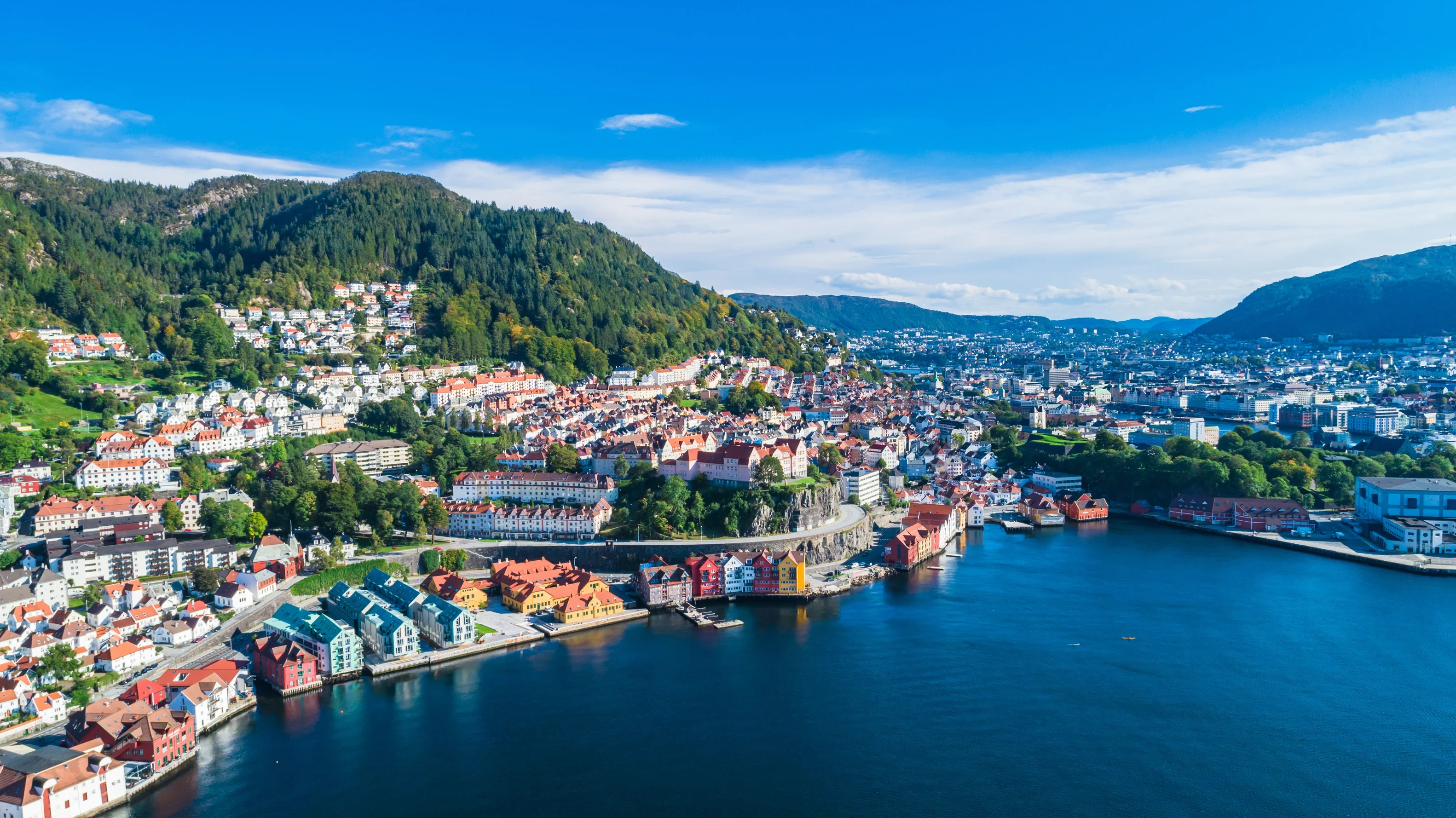
Bergen, the City of Seven Mountains
The air smells like smoked fish and salt. Red, ochre, and yellow painted wooden facades mirror themselves in the gray harbor water. Bergen does not greet you with sunshine. It rains here more than 200 days a year, yet few cities leave such a lasting impression. Locals have a specific word for this: Bergensstolthet, the pride of being from Bergen. That pride makes complete sense the second you step onto the docks of the Bryggen.
Is this destination for you?
Bergen suits travelers who love human-scale cities where everything happens on foot, acting as a gateway to the Norwegian fjords. Fans of medieval architecture, urban hiking, and maritime dining find exactly what they are looking for here.
On the flip side, if you run from rain, chase intense nightlife, or travel on a strict budget, Bergen might let you down. The city is expensive, sometimes very expensive, and overcast skies are the standard rather than the exception.
Best suited for:
- Fjord enthusiasts who want a comfortable urban base
- Fans of Hanseatic architecture and maritime history
- Hikers looking at seven mountains accessible right from downtown
- Solo travelers or couples who appreciate lively cities without feeling overwhelmed
- Foodies curious about Nordic seafood
Not recommended for:
- Travelers on a tight budget, given the cost of living among the highest in Europe
- Anyone running from rain who needs guaranteed sunshine
- Beachgoers and ocean swimmers
- Families with very young children planning long mountain hikes
Bergen and your wallet
Norway ranks among the priciest countries in Europe, and Bergen is no exception. Budget generously, especially for restaurant meals and fjord activities.
| Expense | Estimated range |
|---|---|
| Hostel bed | 35 , $68* |
| Comfortable hotel room (3-4 stars) | 120 , $230* |
| Quick bite (bakery, sandwich) | 10 , $21* |
| Sit-down restaurant meal (main + drink) | 35 , $68* |
| Local transit + daily activities | 20 , $57* |
| Total daily backpacker budget | 80 , $135* |
| Total daily comfort budget | 200 , $400* |
Estimated rates subject to change
Practical realities
Bergen is an easy city to navigate for English speakers. English is spoken fluently by virtually everyone, including in shops and public transit. The city is compact enough that you can walk across the historic center in a single day. Public transit options like buses and the funicular run efficiently and reach outlying areas.
When it comes to safety, Bergen stands out as one of the safest cities in Europe. Solo female travelers have no particular reason to worry. The main thing you need to prepare for is the weather. Even in the summer, a rain jacket and waterproof footwear are mandatory, not optional.
The Bryggen and the harbor district
The Bryggen serves as the postcard image of Bergen. These colorful 18th-century wooden houses, recognized as a UNESCO World Heritage site, line the Vågen harbor from the era when Bergen served as one of the most active trading posts of the Hanseatic League. Fires destroyed the complex several times, and it was rebuilt identically each time, still standing today despite a slight lean visible on a few facades.
Behind these facades lie narrow alleys, artisan workshops, tiny galleries, and independent boutiques. This is where Bergen reveals a different texture away from the cruise groups that flood the waterfront during the day.
Friendly tip: arrive at the Bryggen before 9:00 AM or after 5:00 PM. Cruise ships dump thousands of visitors in the middle of the day, completely changing the experience. Early in the morning, the interior alleys remain practically deserted and the light hitting the colorful buildings is remarkable.
The mountains surrounding the city
Bergen is ringed by seven mountains. That is not just a tourist tagline. From downtown, you can reach peaks over 2,000 feet high in under an hour. Fløyen is the most accessible, reached by the Fløibanen funicular right from the center. The view of the fjords and surrounding islands from the summit alone makes the trip worthwhile.
Ulriken, the highest of the seven, offers even more dramatic panoramas and can be reached by cable car or on foot for seasoned hikers. A hiking trail connects Fløyen to Ulriken between the two peaks, taking about 5 hours while overlooking the entire city.
The fish market and local food
The Fisketorget, Bergen's fish market, dates back to the Middle Ages. Today, it operates partly indoors inside a modern hall, but the stalls remain impressive featuring wild salmon, fresh shrimp, king crab, and smoked halibut. Prices run high, but you will eat the best seafood of your trip here.
Local bakeries offer kanelboller (cinnamon rolls) and hearty open-faced sandwiches for cheaper meals. The Nøstet neighborhood south of the harbor features more neighborhood restaurants with less focus on mass tourism.
How to get to Bergen?
Bergen-Flesland Airport receives direct flights from numerous European hubs. The connection from the airport to downtown takes about 45 minutes on the Bybanen light rail for a modest fare, making it by far the easiest route.
From Oslo, the Bergensbanen train ranks among the most spectacular rail journeys in Europe, taking 7 hours through the snow-covered high plateaus of the Hardangervidda. Tickets cost between $34 and $113* depending on when you book and the season.
How to get around Bergen?
You can cover the vast majority of sights on foot from the center. The Fløibanen funicular and the Ulriksbanen cable car handle trips to the heights. Bus routes cover outlying neighborhoods and nearby villages. Taxis and rideshares exist but run very expensive, so save them for late-night trips or heavy luggage.
When to go?
The most pleasant window runs from May to September, bringing long days and summer temperatures between 59 and 68 degrees Fahrenheit. June and July are the busiest months largely due to cruise ships. May and September offer a great compromise featuring smaller crowds, soft light, and accessible fjords.
Winters are mild for the latitude but dark and rainy, making them best suited for travelers looking for an authentic Nordic atmosphere.
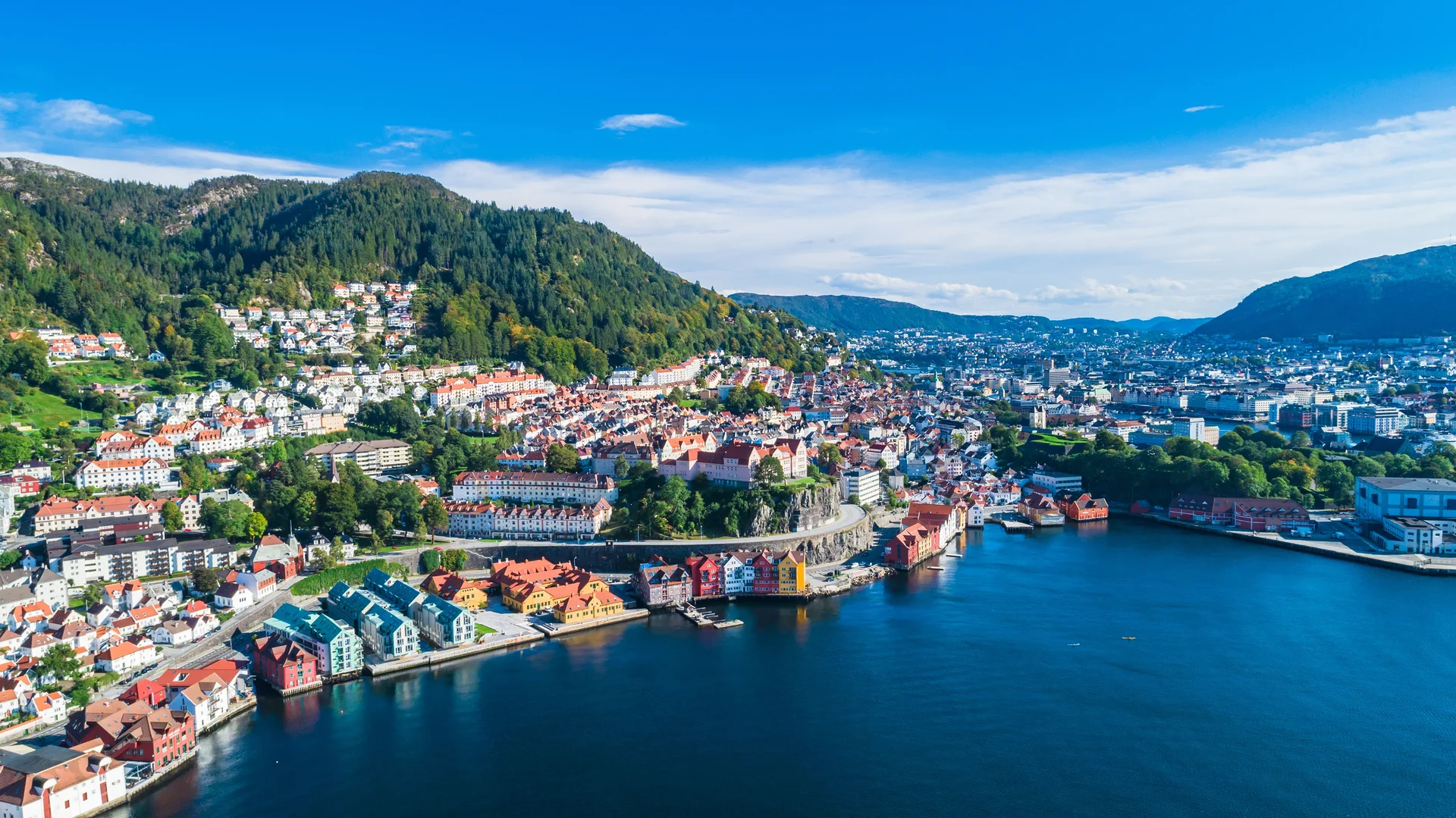
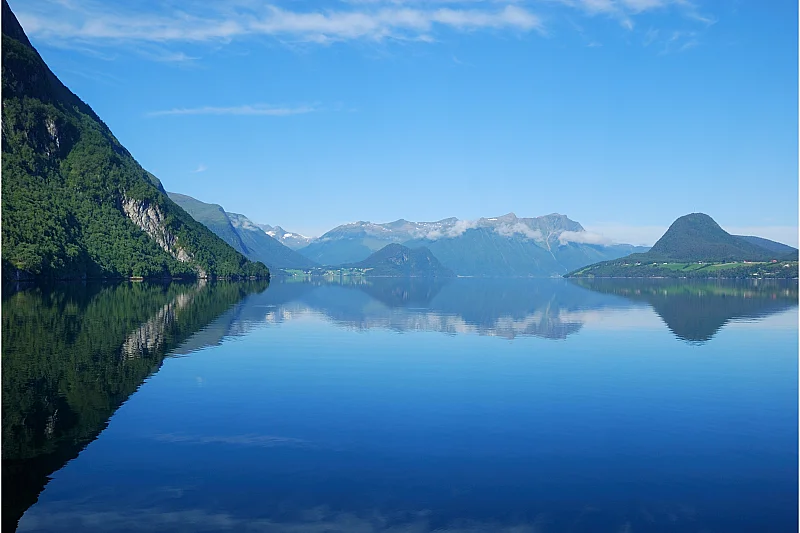
After Oslo, Bergen is the must-see city in Norway. Even though it is not very big, you will find plenty of things to do and see there. I especially recommend booking a fjord cruise. From Bergen, several pretty spectacular fjords are accessible by boat. It is a really impressive excursion.