
Inside a 500-year-old trading post
The scent of dried cod still lingers in the dark wood walls. Here, in a merchant house in the Bryggen district, German traders lived and worked for nearly 400 years, isolated from the rest of the city by their own rules and their own language.
Why visit the Hanseatic Museum in Bergen?
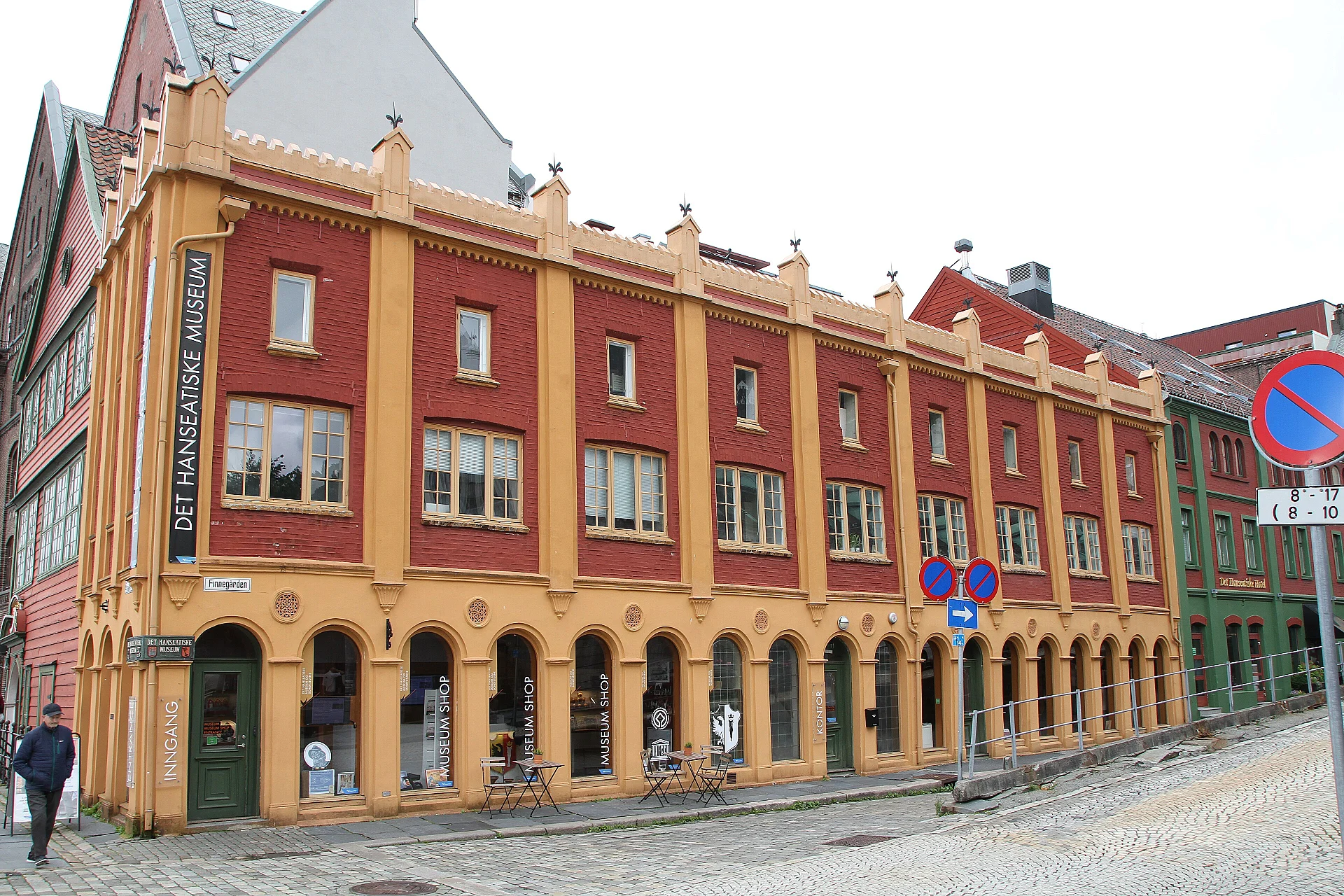
The Finnegården, one of the best-preserved buildings in Bryggen, houses this museum that tells the story of the Hanseatic League, a network of merchants from northern Germany who dominated the trade of cod and dried fish in Norway from the 14th to the 18th century.
Unlike many sanitized Scandinavian museums, this one retains its original furniture and raw atmosphere. The floorboards creak, the ceilings are low, and natural light barely filters through the small windows. You get a physical sense of the lives these merchants led, crammed into a confined space far from their homeland.
What makes the visit memorable
The tour leads you through the apprentice sleeping quarters, the offices where fish prices were negotiated, and most notably the massive warehouse where tons of dried cod were stacked, destined to be shipped across all of Europe.
The guides (or the audio guide, depending on the season) detail the strict hierarchy that governed these communities. Young apprentices slept on the floor, while established merchants occupied the best rooms.
A closed commercial system
What is most striking is the quasi-penal aspect of this organization. Hanseatic employees lived in self-sufficiency, with strict prohibitions against socializing with Norwegian women or marrying locally. The museum showcases this reality through period artifacts like account ledgers, kitchen utensils, and fish-weighing tools.
These concrete details tell a European economic story that reaches far beyond Bergen itself.
Friendly tip: combine your visit with a walk through the alleys of Bryggen right next door. The colorful facades that look great in photos from the outside make much more sense once you have seen the interior of one of these merchant houses.
Pros
- Original, well-preserved building, not a reconstruction.
- Perfectly complements a tour of Bryggen.
- Compact format, visit takes less than an hour.
Cons
- Low ceilings and narrow spaces, difficult for those with limited mobility.
- Little interactivity, focused more on observing period objects.
Opening hours
Mon to Sun: 10:00 AM to 4:00 PM.
The museum is closed on December 24, 25, 26, and 31, as well as January 1. Please note that the main historic building, Finnegården, is currently undergoing major restoration, and hours may be adjusted based on the progress of these conservation efforts.
How long for this activity
Plan on spending about 1 to 1.5 hours exploring the various floors and soaking in the unique atmosphere of this historic trading post. Budget a little extra time if you want to dive deeper into the details of the ongoing restoration work.

Even if the city of Bergen isn't necessarily famous for its museums, I recommend you head over to the Hanseatic Museum. It traces the city's past, especially its maritime history. I found it very interesting. You can easily spend several hours there without any problem. It is a really great activity idea for when it rains.