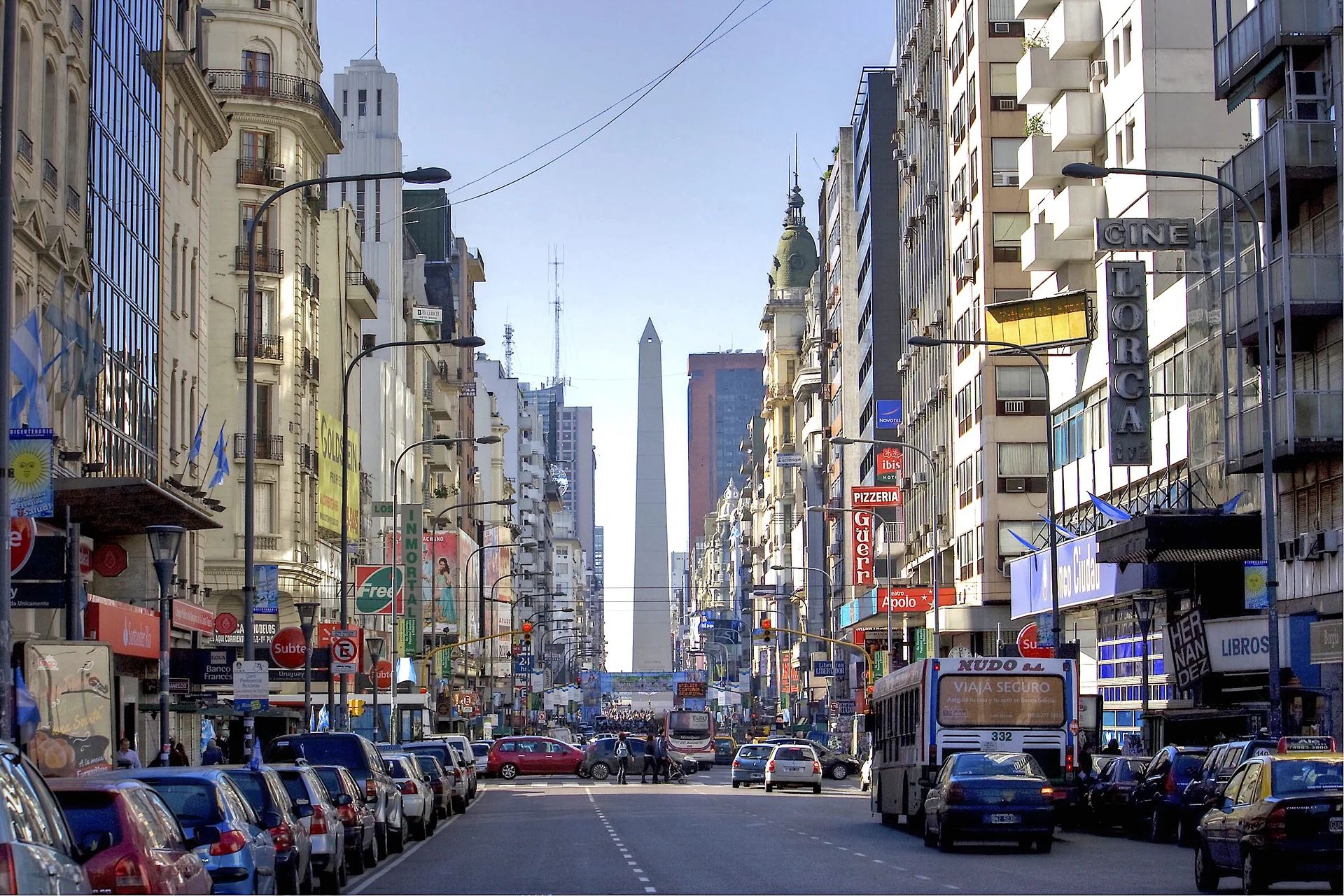
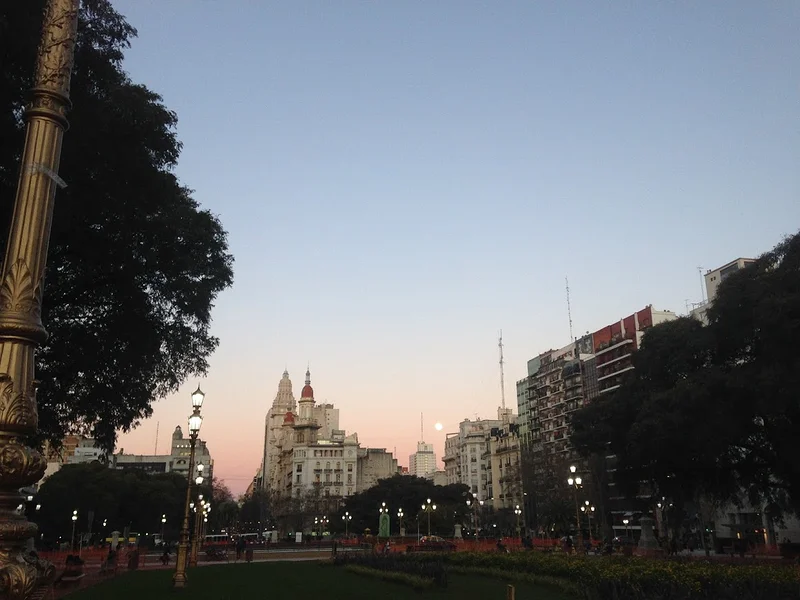
Obelisque de Buenos Aires

Things to do in Argentina: 18 must-see attractions

Discover our members' favorite destinations in Argentina, plus reviews, practical info, and traveler photos...

The 3 most beautiful cities to visit in Argentina

#1 Buenos Aires +121 recs

Buenos Aires pulses with a cosmopolitan energy that blends European elegance with Latin American intensity. You can wander the cobblestone streets of San Telmo to hear live tango, explore the futuristic skyline of Puerto Madero, or relax in the expansive parks of Palermo. It is a city of distinct neighborhoods, where you will find locals gathering for long asado dinners and nights that regularly spill over into the early hours at neighborhood milongas.

#2 Ushuaia +4 recs

The southernmost city on Earth, Tierra del Fuego, the end of the world. Ushuaia carries a weight of expectation that fires up the imagination. Mention the Horn of Africa or the Strait of Magellan, and you immediately think of epic maritime expeditions. Today, Ushuaia is a much more accessible destination for travelers.

A unique position

Located at the extreme south of the American continent, Ushuaia occupies a strategic position between Chile and Argentina. It is also a popular jumping-off point for excursions to Yecapasela Island or trips to Antarctica. Ushuaia benefits from a dramatic natural setting. Bordered by the waters of the bay and the Beagle Channel on one side and high snow-capped mountains on the other, the town offers endless opportunities for hiking and sightseeing.

Before heading into the wilderness, take some time to explore the higher parts of Ushuaia for views over the hills, specifically from the Centenario Park. A visit to the Museo Maritimo provides context on the ships that shaped the archipelago's history. Attached to the museum, a former prison commemorates the harsh conditions men endured here over the centuries.

Natural wonders

The Tren del fin del mundo (Train at the end of the world) is one of Ushuaia's most popular attractions. Its history is grim, as the tracks were built by prisoners tasked with transporting timber. The train stopped serving that purpose in 1952, but it now carries passengers through the landscape on a scenic ride.

Another essential part of any visit to Ushuaia is a cruise on the Beagle Channel to see the Les Éclaireurs Lighthouse, Bird Island, and Sea Lion Island. You can also head toward Martillo Island to see the large penguin colonies.

The centerpiece of the region is the Tierra del Fuego National Park. It stretches over 63,000 hectares at the southern tip of the Andes mountain range. This area is home to a wide range of flora and fauna. You can visit via organized tours or on your own by renting a van. The Senda Costera is an 8-kilometer trail that connects some of the most scenic overlooks in the archipelago.

When to go

You can visit Ushuaia year-round, though the period from October to March is the best time for hiking and wildlife spotting.

How to get there

To reach Ushuaia from Buenos Aires, the capital of Argentina, you have two primary options. You can drive via National Route 3. This journey requires at least three days, but you will see the vast landscapes of Patagonia along the way. Alternatively, you can take a flight from Buenos Aires, which takes between 3 and 5 hours depending on the airline.

#3 Iguazu +4 recs

Imagine the deafening roar of hundreds of waterfalls plunging into the void, mist wrapping around you like a tropical embrace, and the feeling of being minuscule against a force that completely dwarfs you. Welcome to northern Argentina, where the subtropical jungle meets a river that turns into a wild, raging torrent.

The gateway to the natural show

This town of 80,000 residents has only one purpose: to get you to the falls. Do not be mistaken, however, as this functional nature is exactly what makes it such an excellent base camp. No frills, no facades, you come here for the nature, period.

This place is perfect for nature lovers, photographers chasing the perfect shot, and families looking to amaze their children without overcomplicating things. Tourist infrastructure is well-oiled, transportation is organized, and everything is designed to make your visit easy. However, if you are looking for a frantic nightlife or a sophisticated urban experience, you will be disappointed.

Budget considerations

Plan for a daily budget that varies widely depending on your style, including lodging, keeping in mind that entry to the national park is extra, at a rate revised several times a year.

The main attraction: the national park and its legendary cascades

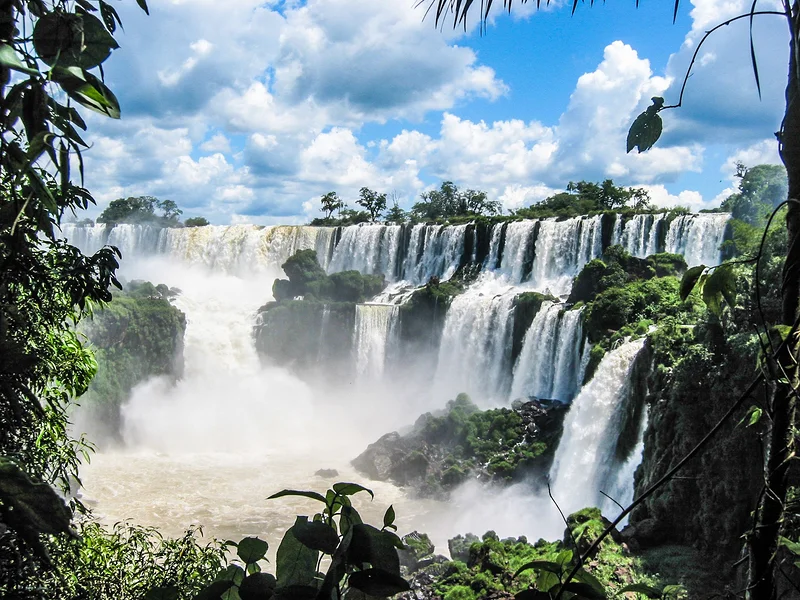
The Iguazu Falls form a natural amphitheater of 275 cascades stretching for nearly 3 kilometers. On the Argentine side, three main circuits await. The upper circuit lets you walk above the falls, offering a dizzying, top-down perspective. Expect a 1.5-hour walk on perfectly maintained metal walkways.

The lower circuit drops you right into the heart of the action. Here, you are at the foot of the falls, soaked by spray and your ears filled with the crashing water. It is visceral, raw, and absolutely unforgettable. Plan for 2 hours and accept that you will get wet, even with a raincoat.

The highlight remains the Garganta del Diablo, or Devil's Throat. An electric train takes you to a footbridge that extends over this horseshoe-shaped cataract, which is 150 meters wide and 80 meters high. The water plunges into a chasm with such violence that it creates a permanent cloud of mist. It is hypnotic, terrifying, and magnificent.

Friendly tip: Arrive as soon as the park opens at 8:00 AM. You will have the Garganta del Diablo almost to yourself for a good hour, and the morning light on the falls is magical. Absolutely avoid the Easter and July holidays when lines can reach 2 hours.

The Brazilian side and complementary experiences

Crossing into Brazil to see the falls from a panoramic angle is almost mandatory if you have two days. The perspective is radically different: where the Argentine side immerses you in the cascades, the Brazilian side offers a spectacular, sweeping overview. A half-day is enough. Remember to check your visa requirements for Brazil.

For adrenaline seekers, the Gran Aventura combines a 4x4 ride through the jungle followed by a speedboat trip that takes you under the falls. You will be soaked from head to toe, but the thrill is worth it. Book in advance, especially during the high season.

If you are looking for a cultural break, visiting a Guarani community offers insight into the lifestyle of the indigenous population. It is authentic, respectful, and the money goes directly to the families. The Wanda mines, 40 km away, reveal amethysts and quartz in open-pit quarries, an excursion that children will enjoy.

Friendly tip: For a truly unique experience, try visiting the Garganta del Diablo under a full moon. The park opens on select nights, and you can see lunar rainbows in the waterfall mist. It is magical and poetic.

Observing the subtropical forest wildlife

The forest surrounding the falls is home to more than 400 species of birds. Toucans are easily photographed near the trails, while coatis (relatives of the raccoon with long tails) beg for food from tourists. Do not feed them, even if they look adorable.

For birdwatching enthusiasts, specialized excursions leave early in the morning in different sectors of the park. The Biocentro Iguazu is a conservation center where you can observe rescued butterflies, reptiles, and birds up close.

Where to eat and drink in Puerto Iguazu?

The undisputed star of local plates is surubi, a catfish from the Parana River that can reach 50 kilos. Its white, delicate meat is versatile, but try it grilled on a plancha with a creamy sauce. The bife de chorizo (Argentine sirloin) remains omnipresent, tender, and flavorful, just like everywhere else in the country.

As for addresses, La Rueda has been an institution since 1975. Their surubi garganta del diablo, topped with a shrimp sauce, justifies the detour on its own. Expect main-course prices to match its reputation. El Quincho del Tio Querido is the temple of grilled meat, with achuras (offal) that will delight enthusiasts. AQVA offers more creative cuisine, mixing local fish with modern techniques in an elegant setting near the bus terminal.

For a more casual vibe, head to La Feirinha, a Brazilian street market on Avenida Brasil. Plastic tables, dirt-cheap beers, generous picadas (charcuterie boards), and a local atmosphere are guaranteed. La Docta, in the same market, serves excellent empanadas and no-frills grilled meats.

Where to stay in Puerto Iguazu and the surroundings?

You have three main options. In the city center, around Avenida Victoria Aguirre and the bus terminal, you will find the majority of mid-range hotels. It is convenient for restaurants and the bus to the falls, which leaves every 20 minutes. Hotel Saint George offers the best value with a pool that feels great after a day in the humid heat.

The jungle lodges, all grouped in the Iryapu reserve a few kilometers from town, offer total nature immersion. Think cabins on stilts, the sound of monkeys at sunrise, and pools with views of the canopy. Loi Suites and Aldea de la Selva are reliable choices, with spas and on-site restaurants. Expect upscale lodge rates per night.

Finally, for a truly exclusive experience, the Gran Melia Iguazu is the only hotel located inside the Argentine national park. You can access the falls before and after opening hours, when the circuits are empty. It is expensive, but unique.

How to get to and around Puerto Iguazu?

The Cataratas International Airport (code IGR) is 20 kilometers from the center. There are several daily flights from Buenos Aires with Aerolineas Argentinas, Flybondi, and JetSmart, a 1-hour and 45-minute flight. From the airport, shared shuttles take 30 to 45 minutes. Taxis offer a direct ride for more money and less time.

To reach the national park, public buses leave from the terminal every 20 to 30 minutes from 7:15 AM to 8:15 PM. The trip takes 20 minutes and costs a few pesos. Inside the park, a free eco-train transports you between the different circuits. You do not need a car, unless you want to explore the surroundings like the Wanda mines or the San Ignacio Jesuit missions.

For the Brazilian side, buses run from the terminal, or you can take a taxi that will handle the customs formalities for a surcharge. Always keep your passport with you.

When to go?

The ideal times are April-May and September-October. Temperatures are pleasant around 25°C (77°F), there are fewer crowds on the trails, and the water flow of the falls is optimal. The austral summer (December-February) is very hot and humid, 30-35°C (86-95°F), with plenty of rain and tourists. Winter (June-August) remains mild, 20-24°C (68-75°F) during the day, but attracts Argentine crowds during the July holidays.

Absolutely avoid Easter and the two weeks of July if you hate waiting in lines. The rainy season, November-March, can make the river flow dangerously high, canceling some activities like boat trips, but it offers an even more impressive spectacle.

Ranking of the 15 activities selected by our editors in Argentina

#1 Metropolitan Cathedral of Buenos Aires (Buenos Aires) +8 recs 4.5/5

The Metropolitan Cathedral of Buenos Aires is truly a unique Argentine landmark. From the outside, it looks more like an ancient temple with its neoclassical columns. This site remains the principal Catholic church of Buenos Aires and the seat of the archdiocese. Much like the French Pantheon, it holds the tombs of several national heroes. Interestingly, Pope Francis served as its archbishop from 1998 to 2013.

#2 Obelisk (Buenos Aires) +7 recs 4.5/5

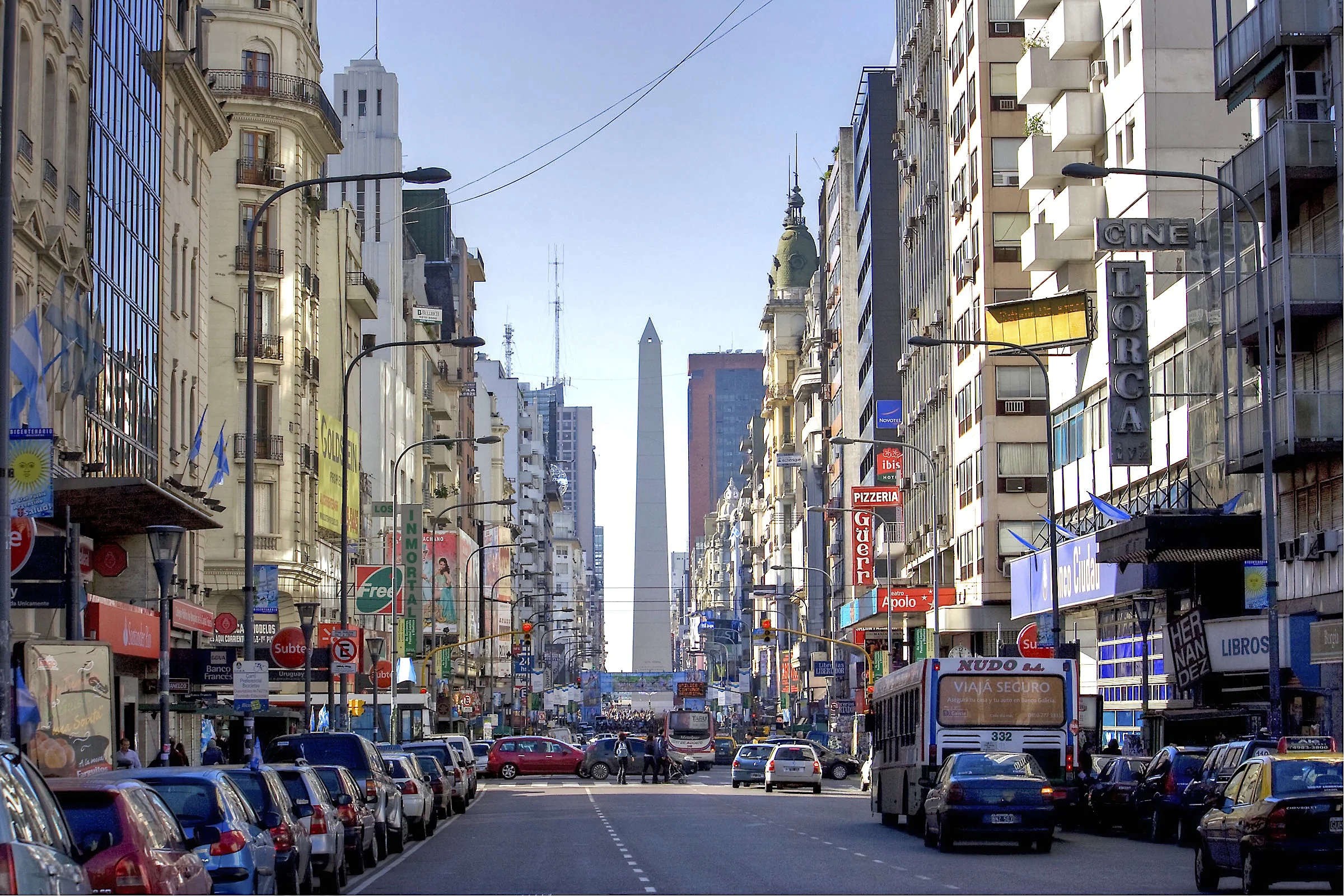
Standing tall at the heart of the Plaza de la República, the Obelisk defines the skyline of Buenos Aires. Built in 1936 to mark the 400th anniversary of the city, this monolith is a national icon. It serves as a primary gathering spot for public demonstrations, similar to the role of the Plaza de Mayo.

#3 Casa Rosada (Buenos Aires) +7 recs 4.5/5

Located in the heart of Buenos Aires, the Casa Rosada (pink house) serves as the seat of the executive branch in Argentina. Its iconic facade, colored with a 19th-century mix of lime and cattle blood, overlooks the Plaza de Mayo. This site remains a focal point for public dissent, most notably for the mothers of those disappeared during the military dictatorship who have gathered here weekly for 30 years.

#4 Recoleta Cemetery (Buenos Aires) +6 recs 5/5

Visiting a graveyard might sound macabre, but Recoleta Cemetery in Buenos Aires is worth the trip. Located in the neighborhood of the same name, this site is one of the most unusual spots in the capital of Argentina. With over 4,000 tombs, it functions as an open-air museum detailing the nation's history. Much like the surrounding area, the grounds feel incredibly refined, with gardens prized for their quiet, peaceful atmosphere.

See the guide See deals

#5 Cafe Tortoni (Buenos Aires) +6 recs 5/5

Italian heritage runs deep in Argentina, making coffee a local obsession. For a true taste of this culture, head to Cafe Tortoni in Buenos Aires. This historic spot offers a window into the past, serving up coffee in a setting that feels like a time capsule from the early 20th century.

#6 Palacio Barolo (Buenos Aires) +6 recs 4/5

During a trip to Buenos Aires, every visitor stops to admire the Palacio Barolo. This building surprises with its geometric design of curves and segments. Standing 100 meters tall with 18 floors, this landmark was once the tallest building in the Americas. Its design follows Dante's Divine Comedy.

#7 Cabildo of Buenos Aires (Buenos Aires) +6 recs 5/5

Located on the Plaza de Mayo, the Cabildo of Buenos Aires is an iconic colonial structure and museum tracing the history of Argentina. Explore colonial-era artifacts, paintings, and documents detailing the May Revolution of 1810. The upper floor offers sweeping views of the plaza. It is essential for understanding the political history of Buenos Aires.

#8 Centenary Park (Buenos Aires) +6 recs 5/5

Looking to stroll through Buenos Aires? A visit to Centenary Park is essential. This massive 25-acre green space offers a welcome escape within the Argentine capital of nearly 13 million people. Beyond relaxing on the grass or by the water, you can view several monuments, including the fascinating meteorological indicator. Don't miss the impressive amphitheater.

#9 Plaza Dorrego (Buenos Aires) +6 recs 5/5

Located in the heart of the energetic San Telmo neighborhood, Plaza Dorrego is among the most iconic spots in Buenos Aires. During the 19th century, it served as the hub of the capital's premier residential district. Today, the square is a relaxing retreat to watch locals dance the tango, a major draw for visitors.

#10 Usina del Arte (Buenos Aires) +6 recs 5/5

Located in the La Boca neighborhood, Usina del Arte is a cultural hub housed in a restored former power plant. It hosts a diverse schedule of tango, jazz, and classical concerts, contemporary art exhibits, and children's workshops. With its distinct architecture and interactive spaces, Usina del Arte is a primary destination to experience the arts in Buenos Aires.

See the guide See deals

#11 La Bombonera (Buenos Aires) +3 recs 4.5/5

Home to the Boca Juniors soccer club, the legendary La Bombonera (literally candy box) sits in the La Boca neighborhood of Buenos Aires. Beyond its unique horseshoe shape, this stadium is famous for its intense atmosphere. On match days, hinchas (Argentine supporters) fill the stands with yellow and blue, honoring the team that hosted Diego Armando Maradona.

See the guide See deals

#12 Puente de la Mujer (Buenos Aires) +3 recs 3/5

Buenos Aires has six bridges, but the Puente de la Mujer is easily the most iconic. More than just a river crossing, this structure features unique architectural curves. It serves as a tribute, honoring the women and activists who shaped the turbulent history of Argentina through their legacy and influence.

See the guide See deals

#13 Iguazu Falls (Iguazu) +3 recs 5/5

A UNESCO World Heritage site since 1984, Iguazu Falls sits deep inside the surrounding rainforest. This massive natural wonder consists of 275 individual waterfalls stretching across a 3 kilometre span. The experience is truly epic, with towering columns of water plunging straight out of the jungle into the famous Garganta del Diablo (Devil's Throat) drop of over 80 metres.

#14 Caminito Museum (Buenos Aires) +3 recs 5/5

Cities across the Americas are known for unique housing styles and vivid colors. The Caminito Museum highlights this distinct urban architecture. Inspired by homes in a historic port district, this Buenos Aires spot reveals the Italian roots of the Argentine capital. Visitors see the genuine colorful conventillos of La Boca, still lived in today. This 150-meter street is widely considered the first open-air museum in the world.

#15 Iguazu National Park (Iguazu) +1 rec 5/5

A destination for relaxation, escape, and discovery, Iguazu National Park spans over 67,620 hectares in the far northeast of Argentina, in the northern part of Misiones Province. Established back in 1934, this wild area has been world-famous ever since. Visitors and locals flock here primarily to take in the incredible spectacle of the Iguazu Falls. The biodiversity of the subtropical forest is also a major draw for deeper exploration, which can even extend into the Brazilian side of the national park, Parque Nacional do Iguaçu.

See the best activities in Argentina

Exploring Argentina: From Endless Horizons to Rich Traditions

Argentina draws you in with landscapes that shift from Andean peaks to the flat expanse of the pampas, passing through southern ice fields and lively cities. This South American destination pairs a deep sense of history with a strong cultural identity, giving travelers a genuine taste of the region.

Buenos Aires: A Cosmopolitan Capital

Heavily shaped by European influences, Buenos Aires functions as the cultural and economic engine of the country. Neighborhoods like San Telmo, known for cobblestone streets and antique markets, sit alongside Palermo, which favors craft cocktail bars and street art. The Plaza de Mayo, anchored by the iconic Casa Rosada, sets the historical stage, and evening tango shows remain an essential stop.

Patagonia: Wilderness and Towering Glaciers

Southern Patagonia delivers raw, dramatic scenery. Los Glaciares National Park, home to the massive Perito Moreno glacier, features walls of blue ice that constantly calve into the water. Further south, Ushuaia serves as the departure point for boats heading out on the Beagle Channel and down toward Antarctica. Hikers head to El Chaltén for trails around the jagged granite spires of the Fitz Roy massif.

Iguazu Falls: A Massive Natural Wonder

Straddling the border with Brazil, the Iguazu Falls rank among the most powerful waterfall systems on earth. More than 270 individual drops stretch across a lush subtropical rainforest. The Devil's Throat, the highest drop on the site, plunges into a roaring mist. The surrounding national park teems with wildlife, where toucans and coatis are regular sights.

Mendoza: Vineyards Against the Andes

Western Argentina centers around Mendoza, the capital of the country's signature red wine, malbec. Local vineyards offer tastings with the snowcapped Andes framing the horizon. Beyond the wine estates, the area draws mountaineers aiming for Aconcagua, the highest peak in the Western Hemisphere at 22,841 feet.

A Culinary Scene Where Beef Leads

Argentine food culture revolves around the asado, a traditional grill where beef cuts cook slowly over wood coals. Other staples include empanadas filled with meat or cheese and the breaded cutlets known as milanesas. For daily routines, mate, a bitter herbal infusion shared among groups, functions as a major social ritual, paired alongside a glass of local Mendoza wine.

When to go

Weather patterns vary drastically across the country. The southern summer from December through February works best for trekking in Patagonia, while fall in March and April brings colorful foliage to the vineyards around Mendoza. Spring and autumn suit Buenos Aires and the northern provinces best. In Octovember, the town of San Antonio de Areco hosts the Fiesta de la Tradición, celebrating classic gaucho culture.

How to get there

Flights from major US hubs connect to Buenos Aires, often with a transfer or direct service depending on your departure point. Fares range between $810 and $1,390* depending on the season. Travelers can also connect to regional airports like Córdoba or Mendoza after clearing customs in Buenos Aires.

How to get around

Because distances across Argentina are immense, domestic flights are the most practical way to jump between distant regions. Long-distance buses, known as micros, offer comfortable reclining seats for overnight routes. Taxis and ride-hailing apps handle city transit, while renting a car works best for exploring wine routes and remote national parks at your own pace.

Find the best travel deals in Argentina

Hotels and stays Flights Car rentals Custom trips

Top photos posted by members

Obelisque de Buenos Aires
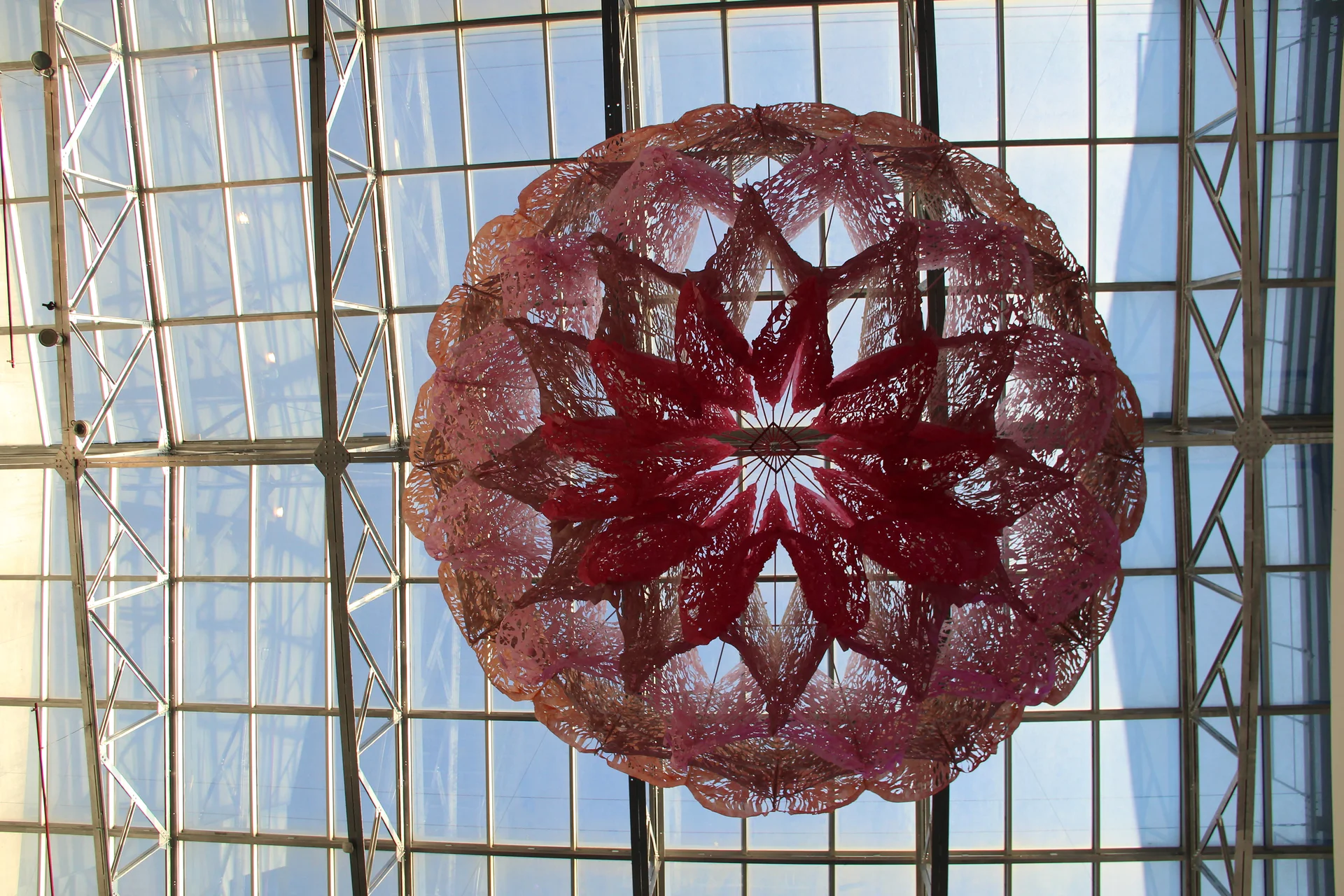
Interior
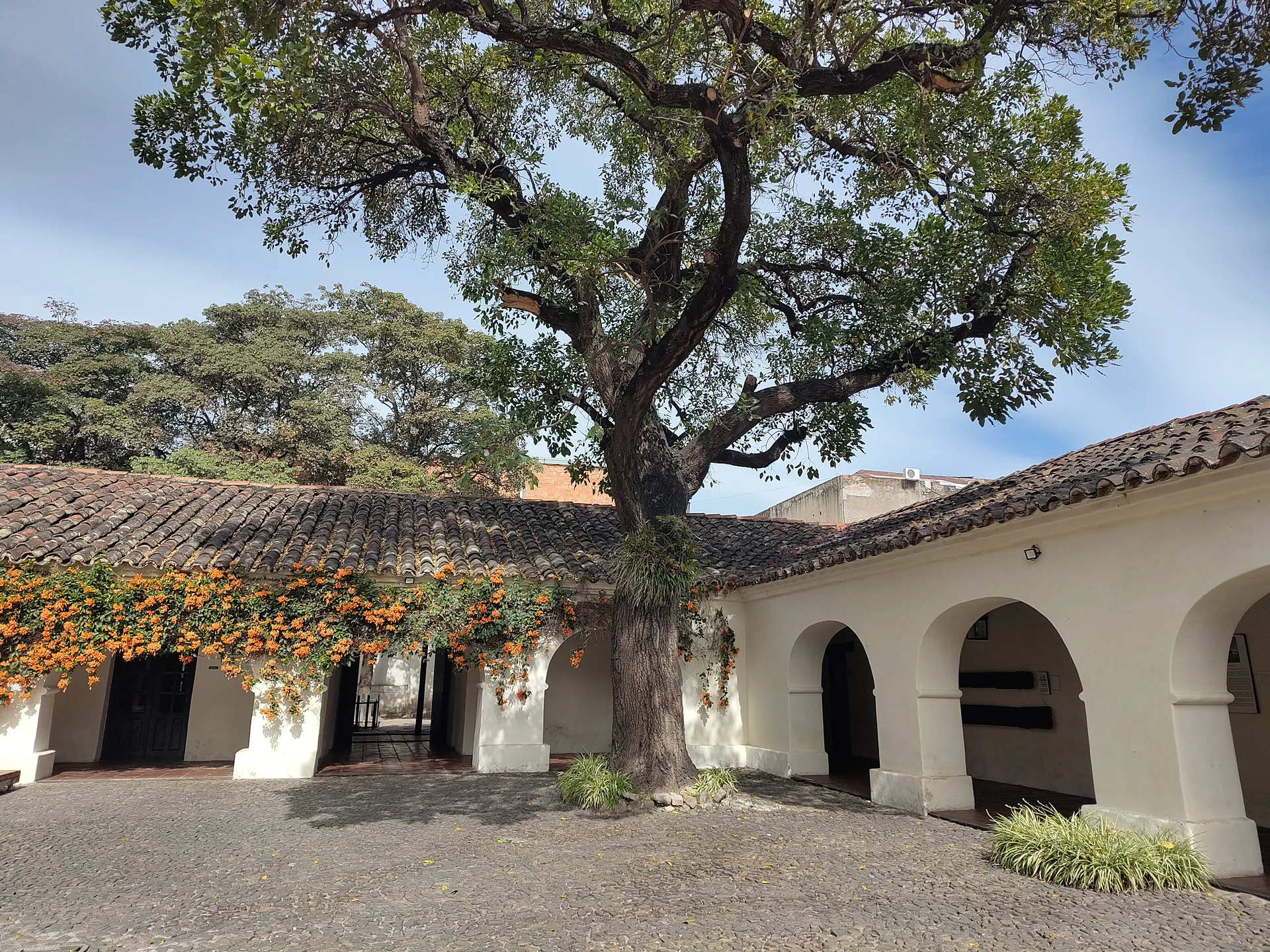
Patio del museo

Articles about Argentina

Latest reviews

Argentina's second city

Cordoba is the second largest city in Argentina. It is located about 650km northwest of Buenos Aires. For those who love Buenos Aires, the city might seem bland, but if you look closely, you will find…

98

One out of eight

The Nicolás Avellaneda Bridge that crosses the Riachuelo is a transporter bridge, one of only eight left on the planet that still works. It goes from the La Boca neighborhood to Isla Maciel (a neighbo…

164

A little piece of France in the park

Just like the city's current botanical garden, it was designed by the landscape architect Charles Thays. It is a large enough park for a nice little picnic on sunny days. It is located not too far fro…

63

Natural surroundings

Bariloche is very popular with Argentine tourists for its natural setting, featuring mountains, forests, and lakes. European tourists like us are already very used to this type of landscape, and it fe…

16