The United Arab Emirates, seven kingdoms sharing a single horizon
Just fifty years ago, pearl divers sailed wooden dhows along these shores. Today, skyscrapers pierce the clouds and artificial islands defy geography.
This dizzying transformation makes the UAE a destination unlike any other. Seven emirates make up this federation founded in 1971: Abu Dhabi, Dubai, Sharjah, Ajman, Umm al-Quwain, Ras al-Khaimah, and Fujairah. Each has its own distinct personality, ranging from the unapologetic flash of Dubai to the preserved authenticity of the northern emirates.
A trip built for scale and comfort, less so for roughing it
The UAE appeals to travelers who value modern comfort and impeccable infrastructure. Families will find theme parks, lifeguarded beaches, and air-conditioned shopping malls that offer a break from the heat. Couples looking for accessible luxury can take advantage of lavish hotels at rates that are often more reasonable than what you would find in major European cities. Fans of contemporary architecture will be in their element.
On the other hand, if you are looking for deep cultural immersion, spontaneous encounters with locals, or untouched natural landscapes, this destination might leave you wanting more. Emirati nationals make up only about 10 percent of the population, and interactions often stay somewhat superficial. The country is easy to navigate, English is spoken everywhere, and everything runs smoothly, but that level of polish can feel artificial. Travelers who prefer raw, improvised adventures may find it lacks grit.
A sizable yet flexible budget
Plan on spending between $115 and $290* per day depending on your travel style. Accommodation ranges from $58* for a decent hotel to several hundred for high-end luxury. Meals run from $5.80* at Indian and Pakistani canteens to $35-$58* at quality restaurants. Major activities like going up the Burj Khalifa or taking a desert safari cost between $46 and $173*. Getting around on the metro and buses is very affordable, running around $2.30* per ride.
Skylines that defy imagination
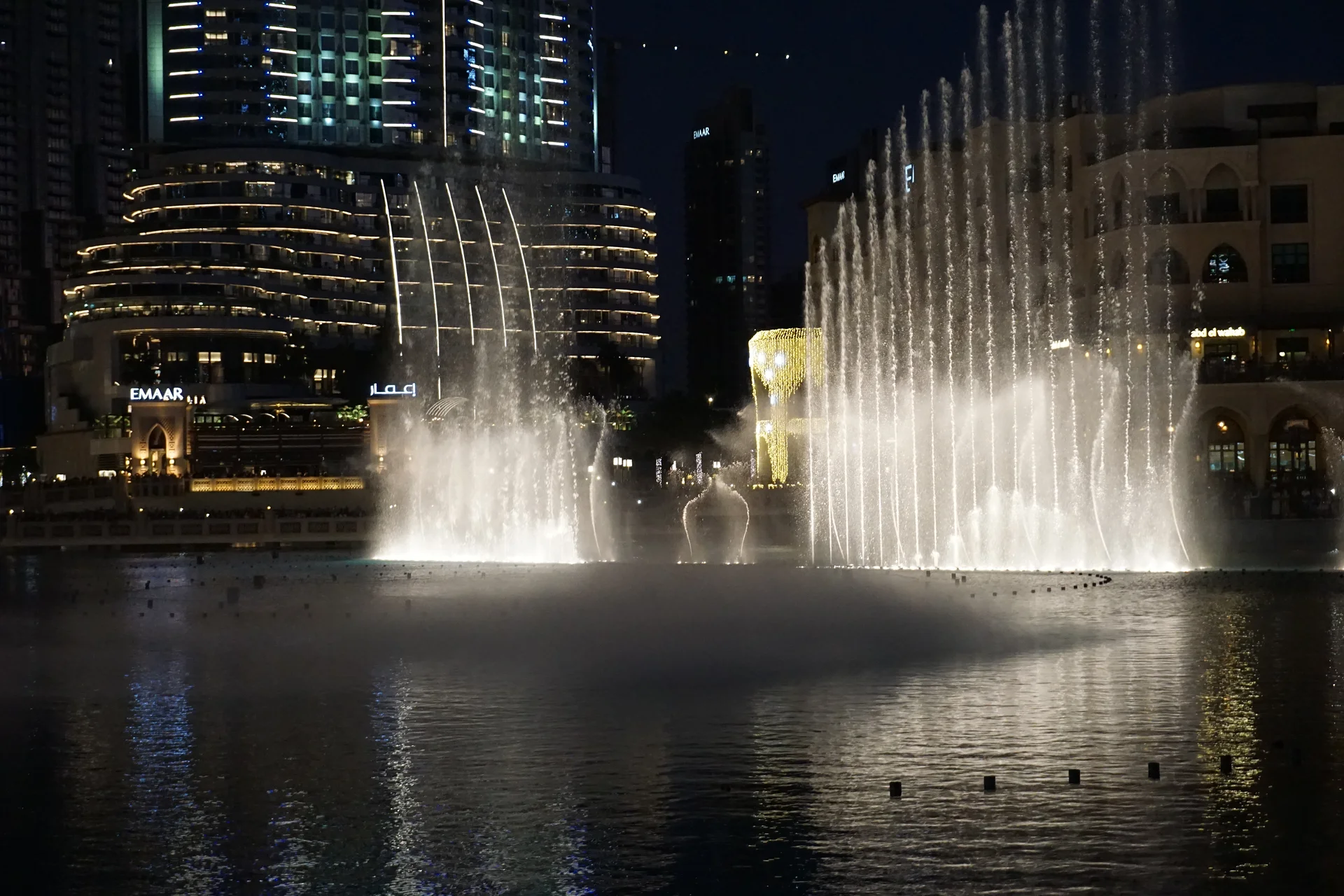
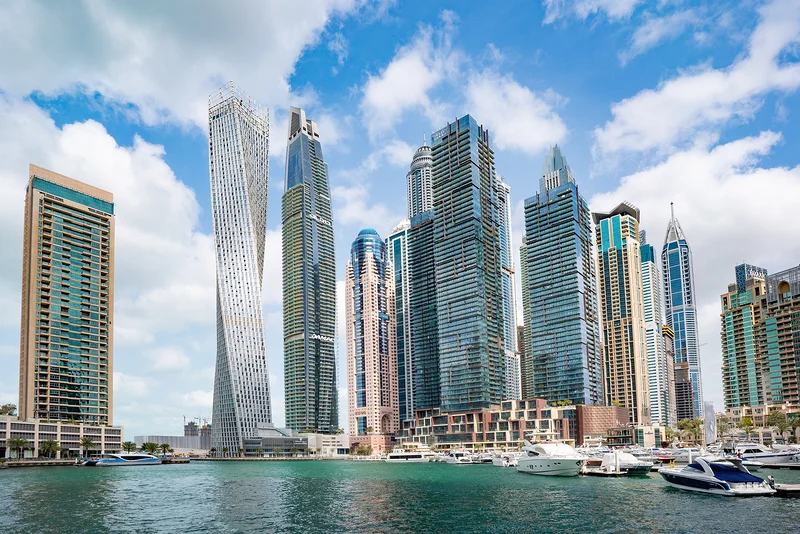
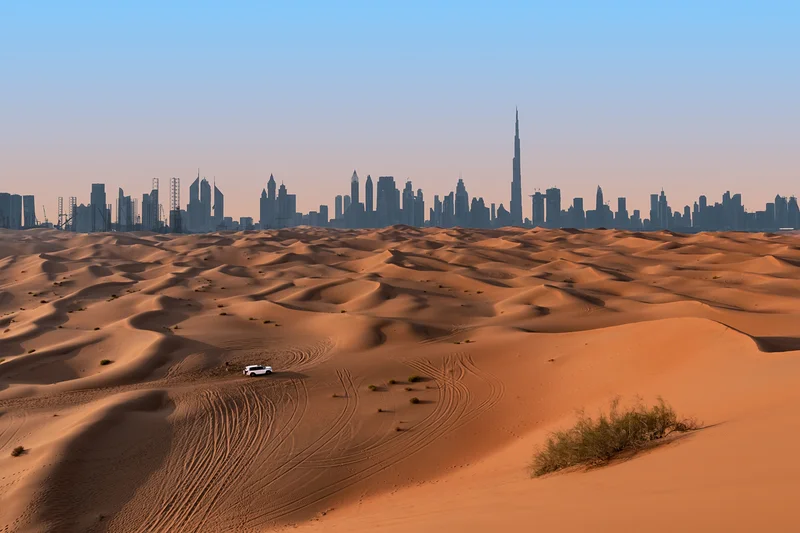
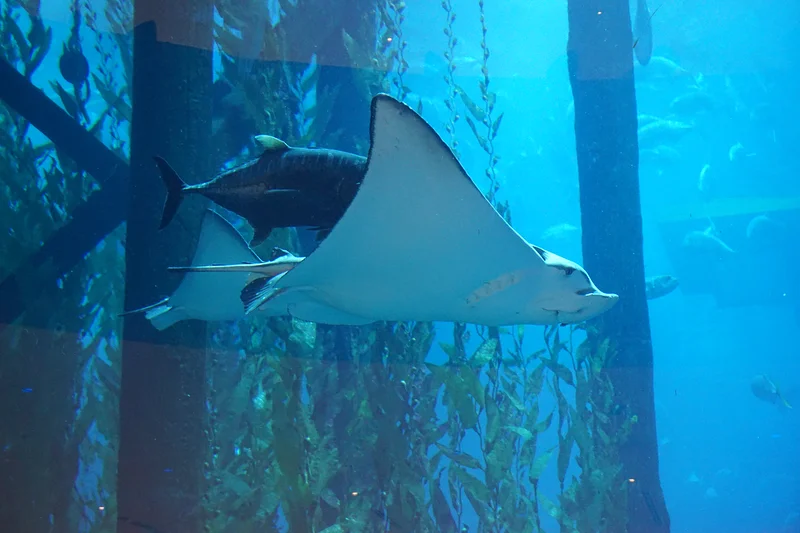
Dubai stands out as the country's primary showcase. The Burj Khalifa reaches 828 meters into the sky, offering views of the desert on one side and the Persian Gulf on the other. Right at its feet, the Dubai Mall packs in a giant aquarium, an Olympic-size ice rink, and hundreds of stores. The choreographed fountain show that plays every evening outside the tower is free, mesmerizing, and well worth catching.
For a more intimate feel, the historic Al Fahidi neighborhood takes you back to the beginning. Its narrow alleys lined with wind-tower houses contrast sharply with the surrounding skyscrapers. Art galleries and traditional cafes are tucked away inside old merchant homes. Crossing the creek in an abra, a traditional wooden water taxi, costs less than a euro and gives you a striking perspective on the older part of the city.
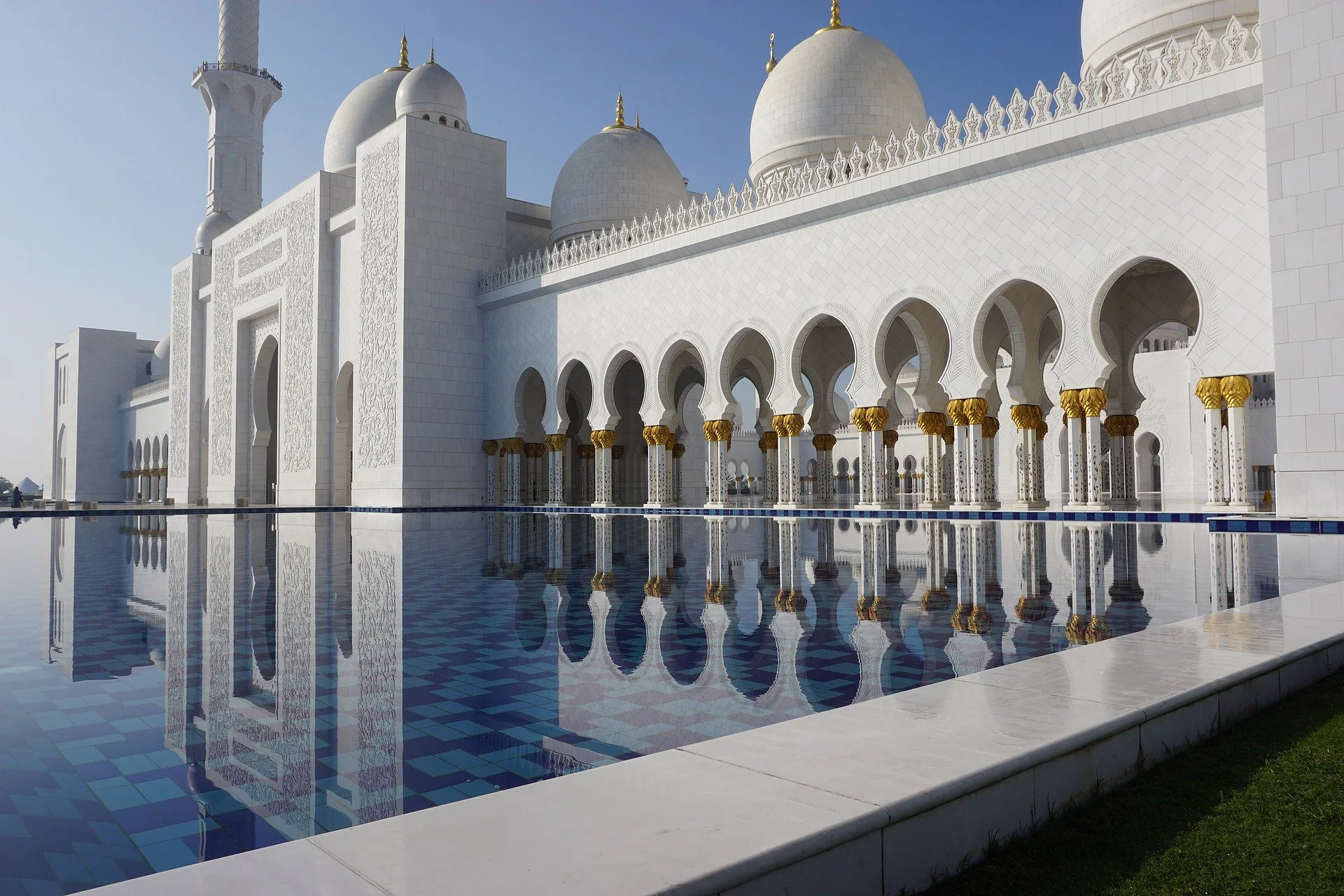
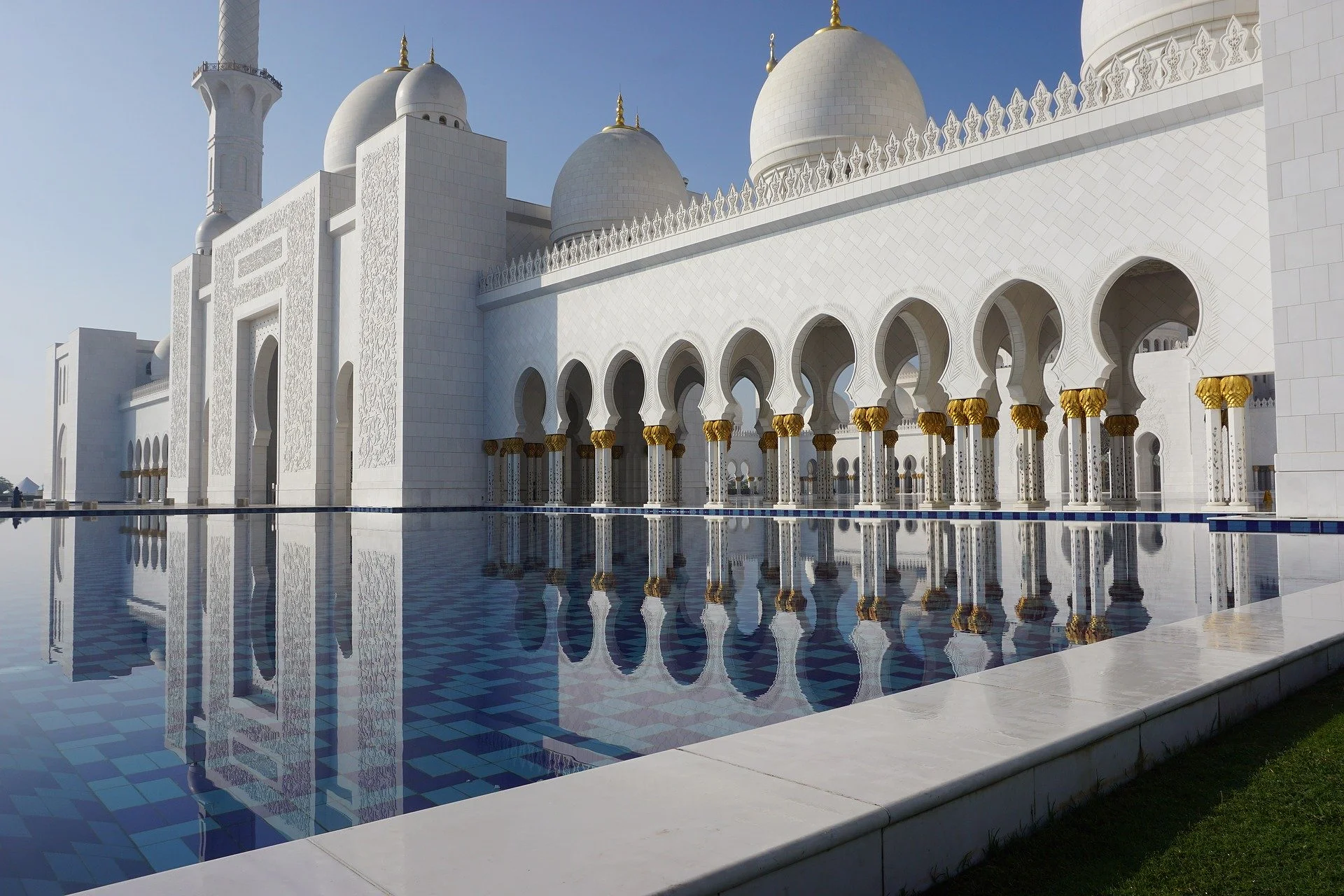
Abu Dhabi takes a different approach, focusing its energy on culture and refinement. The Louvre Abu Dhabi, designed by Jean Nouvel, houses exceptional collections beneath a patterned dome that filters in the desert light. The Sheikh Zayed Mosque impresses with its sheer scale and 82 pristine white domes. Non-Muslim visitors are welcome outside of prayer times, provided they follow the dress code.
Friendly tip: Book your ticket to the top of the Burj Khalifa online several days in advance. Sunset time slots are the most popular, and the cheaper tickets sell out fast. Peak hours can double the price.
The desert and the forgotten mountains
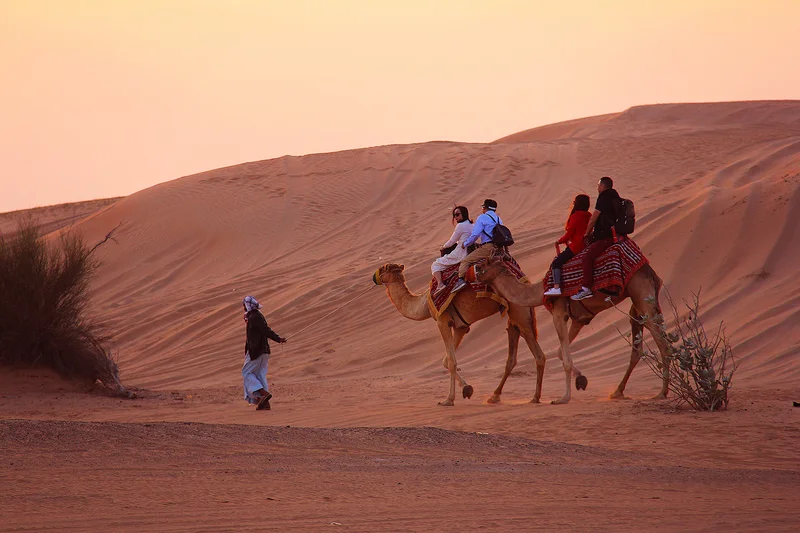
Beyond the cities, the country reveals landscapes that many visitors overlook. The Liwa Desert, tucked away at the edge of the Rub al-Khali, boasts some of the tallest dunes in the country, with some topping 300 meters. Four-wheel-drive safaris let you push deep into this sea of sand, watch fiery sunsets, and sleep under the stars in Bedouin-style camps.
The emirate of Ras al-Khaimah is home to Jebel Jais, the country's highest peak at 1,934 meters. The road up winds through the ochre rock of the Hajar Mountains. At the top, the world's longest zipline launches thrill-seekers across nearly three kilometers at speeds topping 150 km/h. For hikers, marked trails offer sweeping views over the Gulf of Oman.
Fujairah and the East Coast
The emirate of Fujairah, facing the Gulf of Oman, skips the mass tourism scene. Its black volcanic sand beaches look completely different from the shores of Dubai. The Al Bidya Mosque, built in the 15th century using coral stone and dried mud, ranks among the oldest in the country. Snoopy Island, named for its silhouette that resembles the famous cartoon dog, offers great snorkeling spots with healthy coral reefs and plenty of marine life.
The drive from Dubai cuts through the Hajar Mountains and ranks as one of the best road trips in the UAE. The Wadi Shees valley hides natural pools, waterfalls, and an old agricultural village clinging to the mountainside. Give yourself a full day to explore this lesser-known region.
Friendly tip: For the Jebel Jais zipline, book an early morning slot in the winter. Temperatures at the summit are crisp and the views are clearest. Expect to pay around $210* for the experience.
Sharjah and preserved heritage
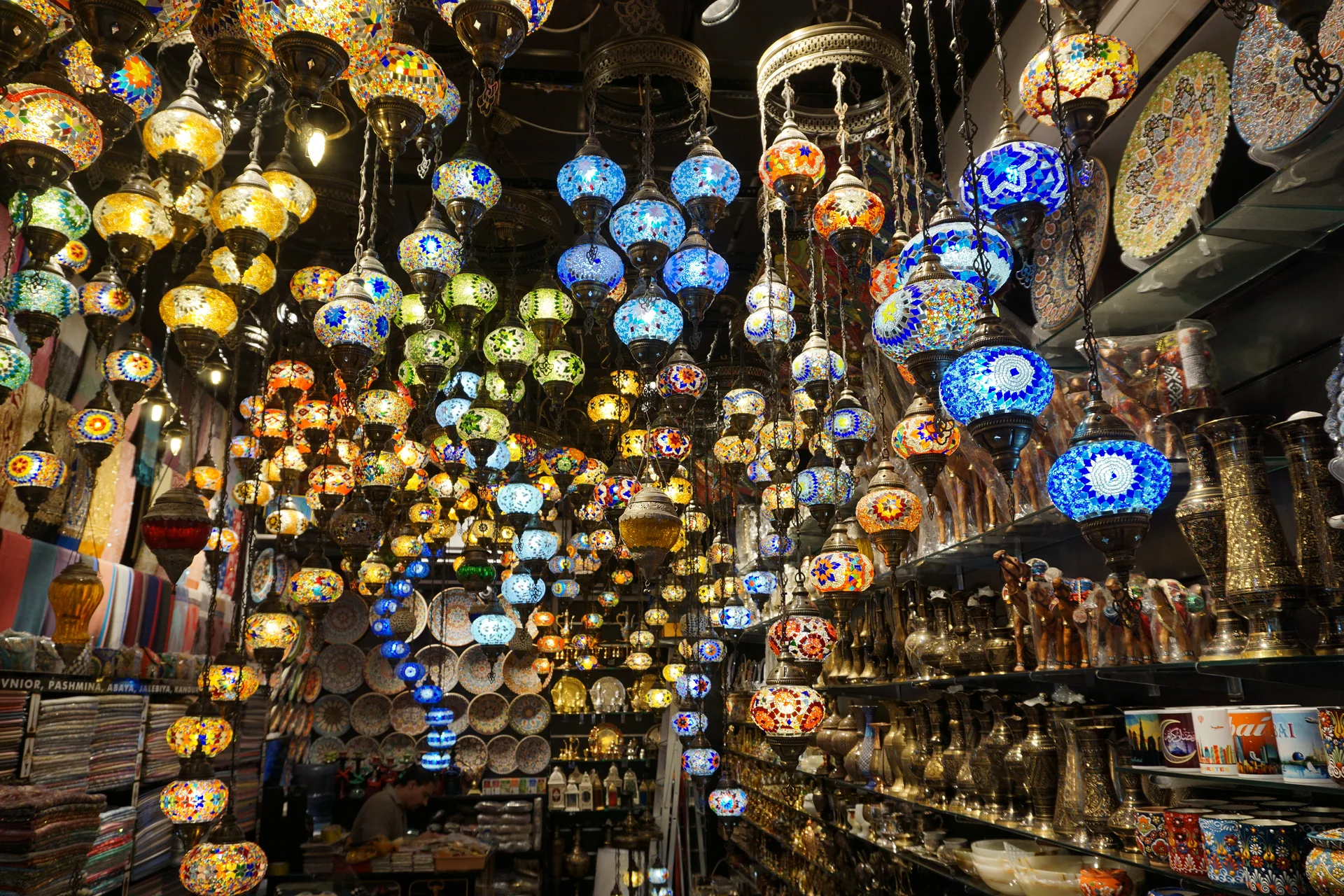
Sharjah, the third-largest emirate, has been named a Cultural Capital of the Arab World by UNESCO. Its 16 museums trace Islamic history, contemporary art, and local traditions. The Museum of Islamic Civilization preserves ancient manuscripts, ceramics, and precious textiles. The traditional souks here feel genuine and much less commercialized than those in Dubai.
Unlike its neighbors, Sharjah enforces a total ban on alcohol. This policy attracts families and helps maintain a more traditional atmosphere. The Al Qasba district offers boat rides along its canals alongside a local take on the London Eye. For something entirely different, the ghost village of Jazirat Al Hamra in Ras al-Khaimah offers a look into the pre-oil era. Abandoned in the 1960s, its crumbling coral homes and empty mosques tell the story of life before the oil boom.
Thrills and downtime
Theme park fans will find plenty to keep them busy. Ferrari World in Abu Dhabi holds the record for the world's largest indoor theme park and, with Formula Rossa, the planet's fastest roller coaster. IMG Worlds of Adventure in Dubai brings Marvel characters, Cartoon Network, and dinosaurs together under one air-conditioned roof. Warner Bros. World immerses visitors in the worlds of Batman, Looney Tunes, and Scooby-Doo.
The beaches offer a welcome change of pace. Jumeirah Beach in Dubai lines up umbrellas and watersports right in front of the Burj Al Arab. Quieter Saadiyat Island in Abu Dhabi protects its natural dunes and occasionally serves as a nesting ground for sea turtles. For golfers, emerald-green courses pop right out of the desert, irrigated around the clock to fight off the arid climate.
Camel racing, a quintessential Emirati tradition, takes place on Friday mornings at the Al Marmoom racetrack, just south of Dubai. Admission is free, and the scene is surreal, with remote-controlled robot jockeys riding racing camels speeding down the track at full tilt. It is an experience most tourists mistakenly skip.
The UAE on your plate: Indian street food and Lebanese mezze
Authentic Emirati cuisine can be tricky to track down. Machbous, a spiced rice dish served with meat or fish, stands as the national dish. Harees, a slow-cooked wheat and lamb porridge, usually appears on the table during celebrations. Luqaimat, sweet fried dumplings drizzled with date syrup, finish off a meal on a sweet note. To try these specialties, head to restaurants like Al Fanar or Meylas, which recreate a 1960s atmosphere.
On a day-to-day basis, the food scene reflects the diversity of the population. Indian and Pakistani canteens dish out hearty biryanis for just a few dollars, and Lebanese shawarmas are easy to grab on the run. Arabic coffee, spiced with cardamom and served with dates, accompanies every greeting. Karak, a sweet spiced milk tea, has become the ultimate everyday drink, available at cafeterias open twenty-four hours a day.
Alcohol is strictly limited to hotel bars and restaurants, where cocktails easily run from $18 to $29*. Sharjah bans it entirely. Friday brunches at luxury hotels, featuring all-you-can-eat buffets with wine and champagne included, are a local institution beloved by expats.
When to visit the United Arab Emirates
The best time to go runs from November to April. Temperatures hover between 20 and 30°C, making it ideal for hitting the beach and heading out on desert excursions. Summer, from May to September, gets brutal, with the thermometer regularly clearing 45°C alongside suffocating coastal humidity. Even bus stops are air-conditioned. Prices drop during this period, but outdoor activities become a chore.
The Dubai Shopping Festival in January and February draws bargain hunters. The Abu Dhabi Formula 1 Grand Prix in November turns the capital into a massive party. Avoid traveling during Ramadan if you want to eat or drink outside during the day, as restaurants stay closed until sundown and consuming anything in public is prohibited.
How to get to the United Arab Emirates
Direct flights connect major European and international hubs to Dubai and Abu Dhabi in about 6 to 7 hours from western Europe. Emirates and Etihad Airways, the national carriers, offer renowned service. Expect to pay between $460 and $920* round-trip depending on the season. Fares spike during school breaks and around New Year's.
Dubai serves as a major global hub for connections to Asia, Africa, and Oceania. A short stopover during a longer trip lets you explore the country without blowing up your budget. US passport holders are issued a visitor visa upon arrival at the airport for stays under 30 days. Your US passport simply needs to be valid for at least six months beyond your entry date.
How to get around the United Arab Emirates
The Dubai Metro is automated, air-conditioned, and connects major neighborhoods as well as the airport to downtown. A solid bus network fills in the gaps. Taxis are reasonably priced and metered, running around $0.58* per kilometer. Ride-hailing apps like Uber and Careem work seamlessly.
If you want to explore multiple emirates, renting a car is your best bet. The roads are excellent, gas is inexpensive, and distances are manageable, taking about 1.5 hours between Dubai and Abu Dhabi or 2 hours to reach Ras al-Khaimah. Watch out for automated speed cameras, as Abu Dhabi maintains a zero-tolerance policy. Air-conditioned intercity buses connect the major cities for just a few euros, serving as an economical alternative for travelers without a driver's license.
Crossing the Omani border into the Musandam Peninsula, a dramatic enclave of desert fjords, requires a visa. The paperwork takes about thirty minutes and costs around $18*. A day trip or an overnight stay there makes a great addition to a UAE itinerary.