Visiting Fujairah: Where the mountains meet the Arabian Sea
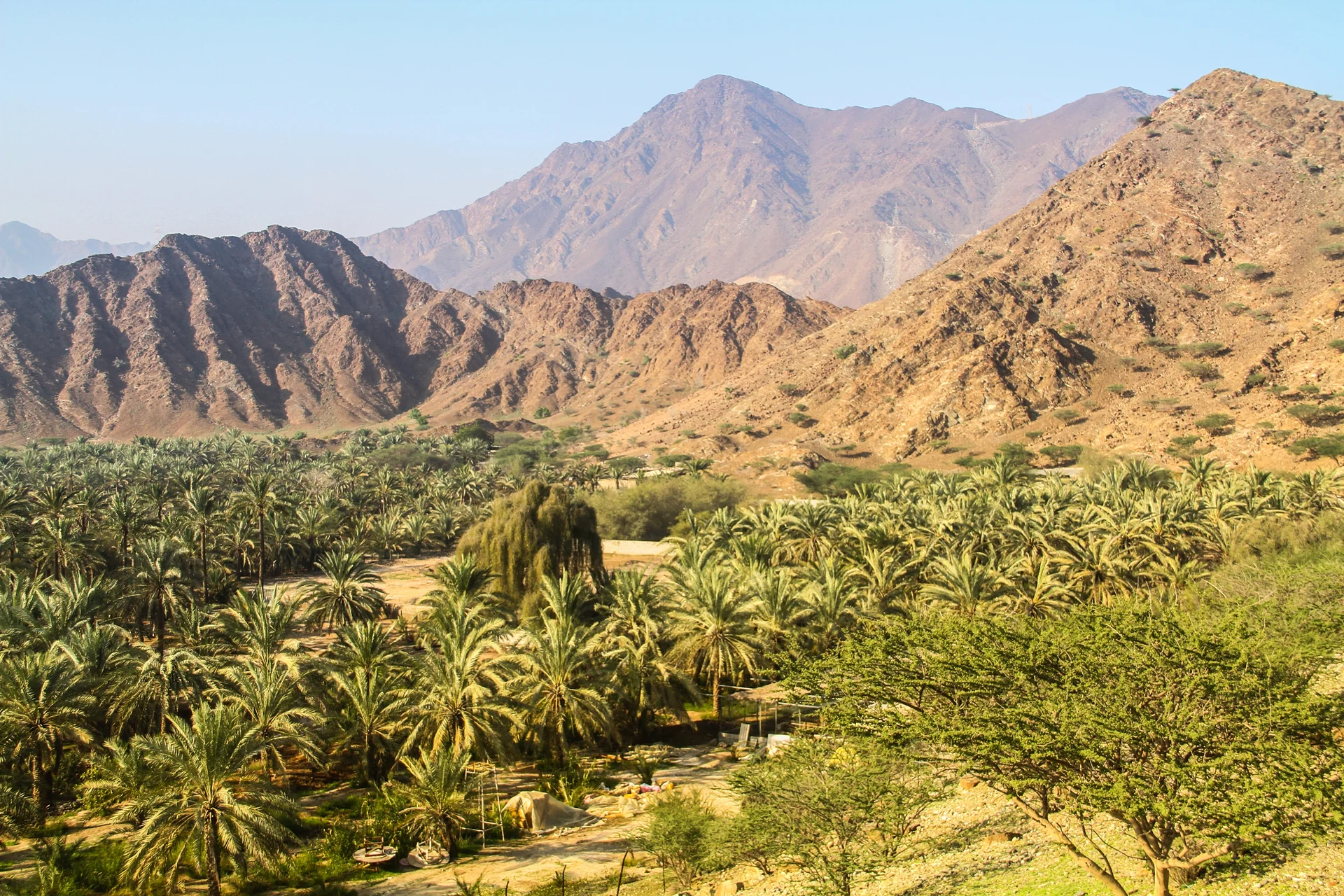
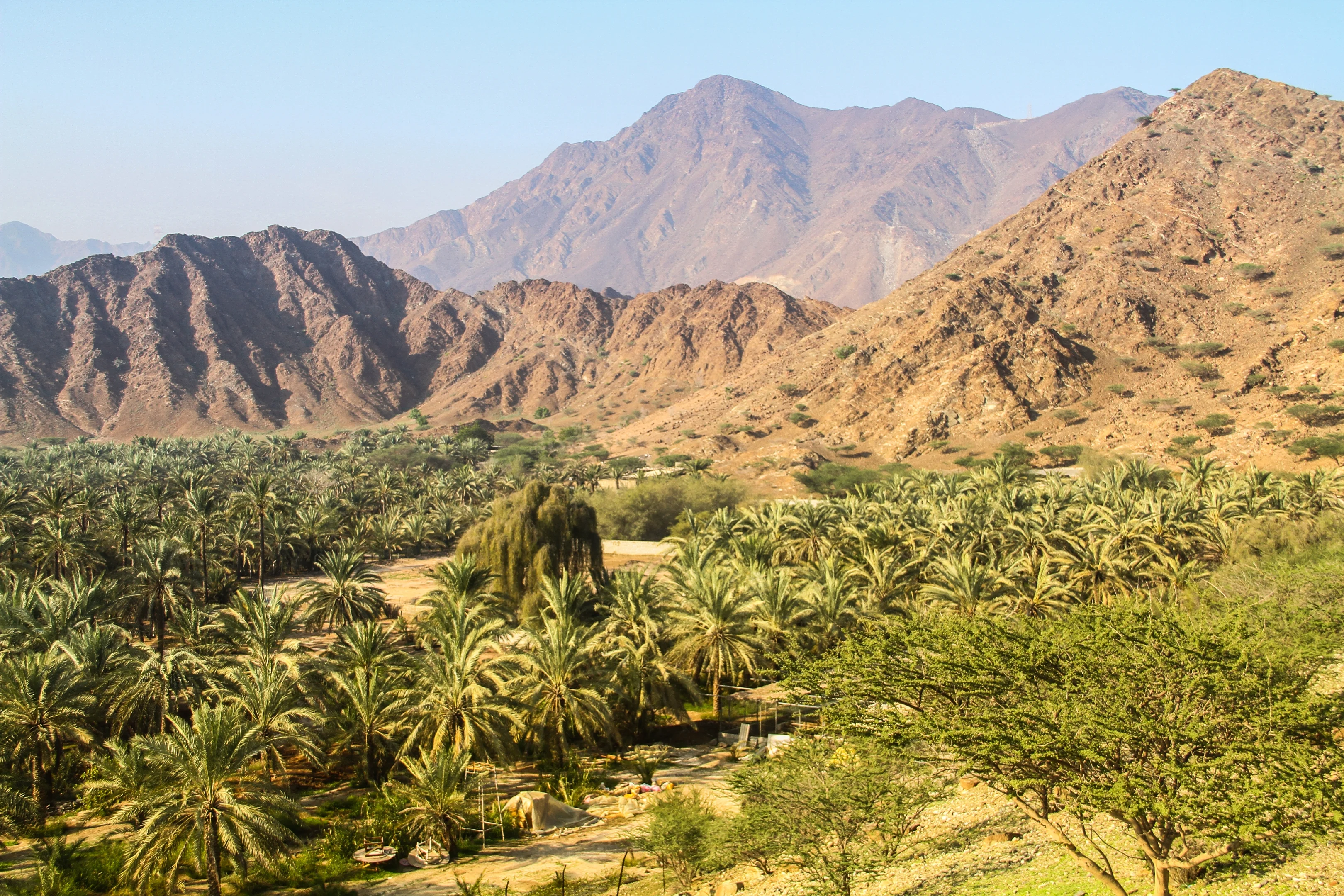
Waves from the Indian Ocean roll onto dark volcanic sand while the arid peaks of the Hajar Mountains create a jagged silhouette against the sky. As the only emirate that sits on the Arabian Sea rather than the Persian Gulf, Fujairah maintains a distinct geography that shapes its rugged and authentic character.
Fujairah: A retreat for nature and adventure seekers
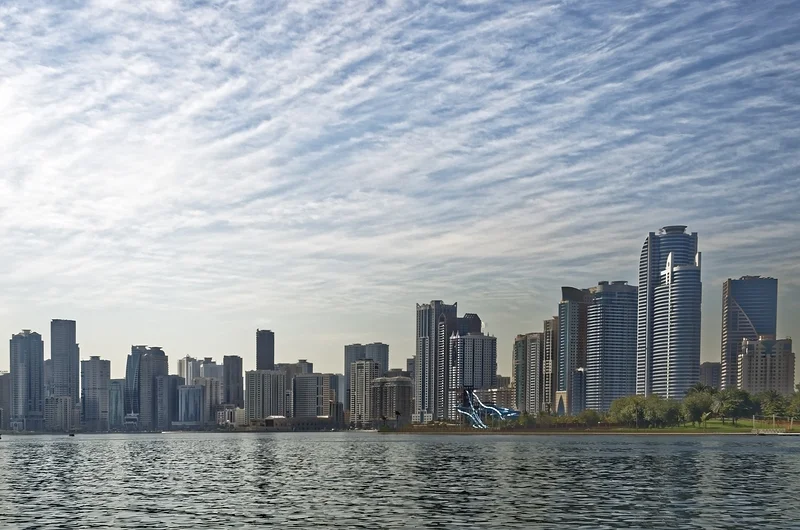
If you are looking for climate-controlled mega-malls and gleaming skyscrapers, this is not the place. Fujairah is for travelers who want spectacular landscapes, scuba diving enthusiasts dreaming of healthy coral reefs, and families looking to experience the mountainous side of Arabia. Plan on 2-3 days to see the highlights. You will need a modest budget, and a rental car is essential for getting around efficiently.
Nightlife and shopping are limited. The emirate winds down early, restaurants typically close around 10:00 PM, and the focus remains firmly on outdoor activities. However, it is a paradise for photographers and hikers who find panoramas here that are unmatched in the region.
Mountains and wadis: Hiking through rugged Arabia
Jebel Jais, the highest mountain in the UAE at 1,934 meters, rises in neighbouring Ras Al Khaimah, a little over an hour away, and offers incredible views and cooler temperatures even in the summer. The winding road to the summit reveals dramatic gorges and traditional villages clinging to the rock face. Once at the top, an observation deck provides a view across the whole Hajar range.
The wadis of Al Wurayah and Masafi hide natural pools fed by mountain springs. These green oases provide a sharp contrast to the surrounding desert and offer a refreshing dip for hikers. Wadi Shees even features a small waterfall, a rarity on the Arabian Peninsula.
Friendly tip: Start your hikes very early in the morning or late in the afternoon to avoid the midday heat. Carry plenty of water and always let someone know your planned route.
Beneath the surface: Diving in the Indian Ocean
The Indian Ocean waters surrounding Fujairah contain some of the best-preserved coral reefs in the region. The Dibba Rock site offers exceptional biodiversity, including rays, turtles, whale sharks, and schools of tropical fish. Snoopy Island is more accessible and perfect for beginner divers, thanks to its clear water and calm marine life.
Dive centers in Dibba and Al Aqah organize daily trips and PADI certification courses. Visibility often exceeds 25 meters, and the water temperature remains comfortable year-round. For non-divers, snorkeling right off the beach at Al Aqah is enough to see plenty of coral and colorful fish.
Friendly tip: Book your dives in advance, especially during high season. Dive centers often close during rough weather, so check conditions before you head out.
Historical heritage: Forts and ancestral villages
The Fujairah Fort, the oldest in the UAE (dating to 1670), overlooks the city with its restored watchtowers. The adjacent museum chronicles the history of these lands as a crossroads between India, Persia, and Arabia. The exhibits detail the lives of mountain tribes and the strategic importance of the port.
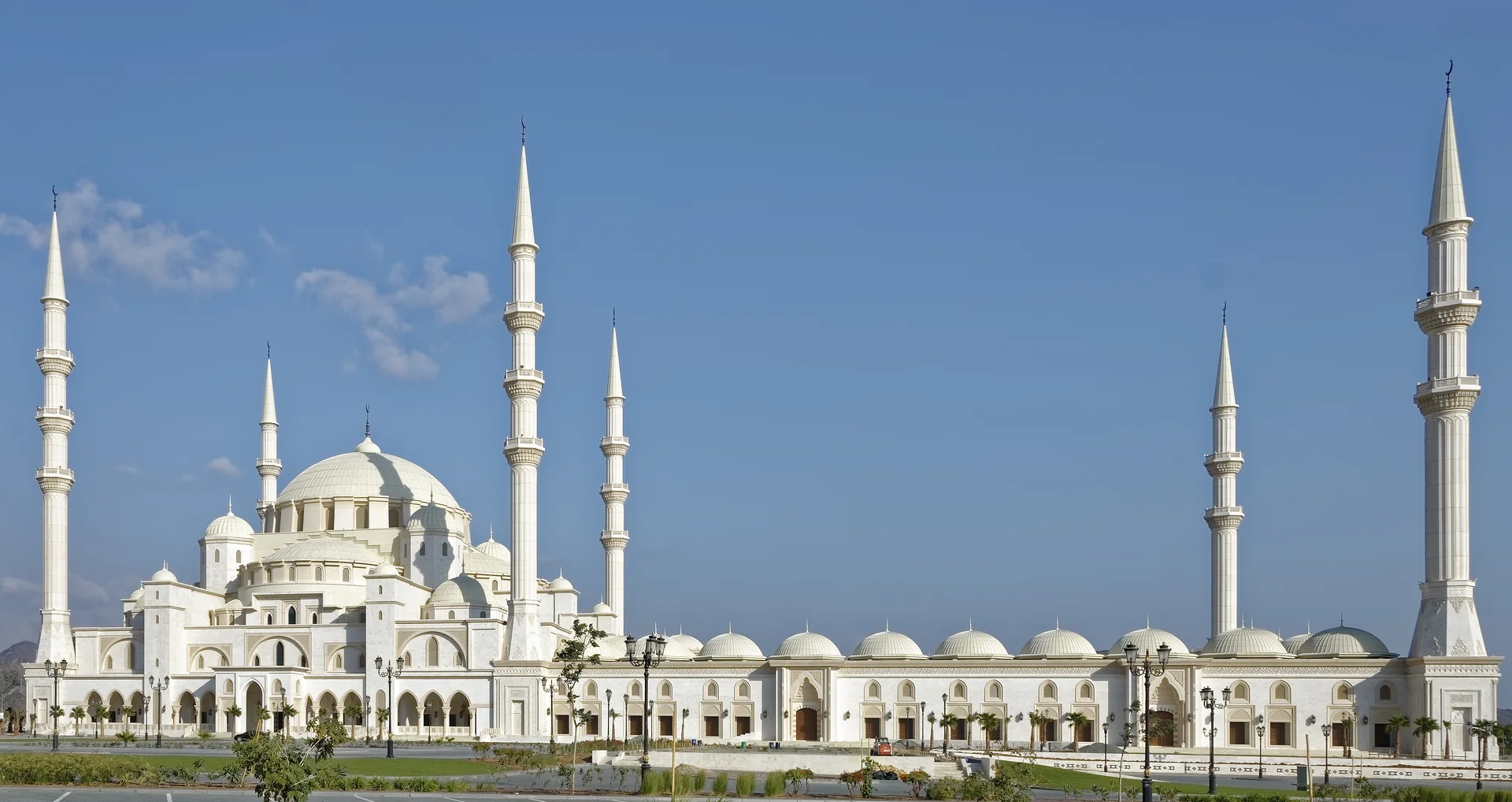
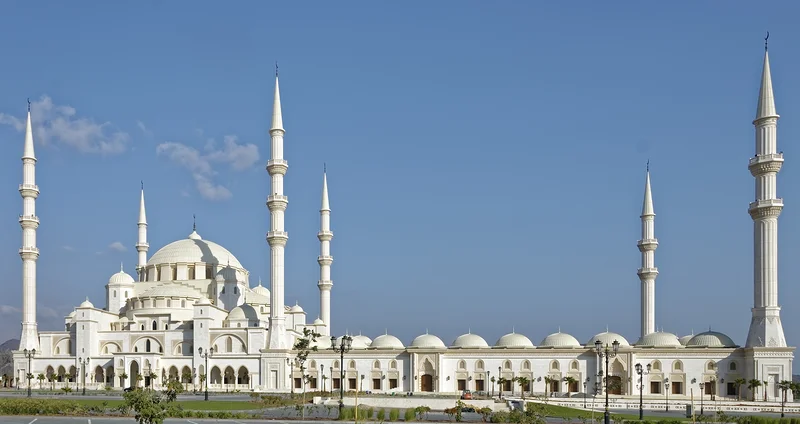
In the interior, the village of Masafi keeps traditions alive with its dry-stone houses and date plantations. The Friday market is the place to find local pottery, hand-woven rugs, and mountain honey. Even more authentic is Bidiyah, home to the oldest mosque in the UAE, an architectural gem from the 15th century.
Friendly tip: Visit Bidiyah in the late afternoon when the golden light hits the mud-brick architecture. Respect prayer times and dress modestly.
Beaches and the coast: Black sand and turquoise water
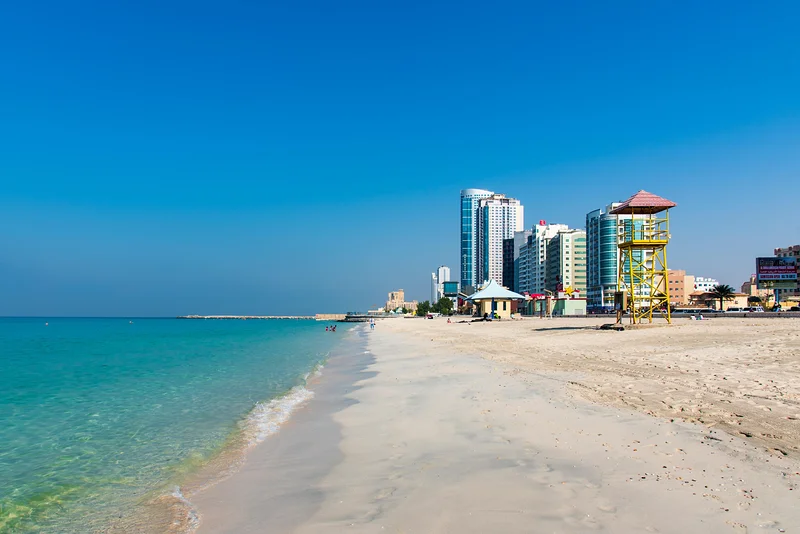
Al Aqah beach is striking because of its black volcanic sand that contrasts with the turquoise Indian Ocean. This geological feature is unique to the region and creates photogenic scenery, especially at sunset. The warm, calm waters are great for families.
Further north, Dibba Al Fujairah has the feel of a fishing village, complete with a colorful small harbor and seafood restaurants. Its public beach has stayed away from massive tourist development, keeping its authentic character intact.
Friendly tip: Be careful, as the black sand gets extremely hot in the sun. Pack water shoes and a beach umbrella, especially if you have children with you.
Where to eat and drink in Fujairah?
Local cuisine focuses on seafood and mountain specialties. Make sure to try samak al tanoor (fish cooked in a traditional oven), khanfaroosh (a pastry with honey and sesame), and laban al jabal (mountain goat yogurt). The restaurants at the Al Aqah port serve ultra-fresh fish, while the roadside stands in Masafi offer grilled lamb and bread baked on hot stones.
Where to stay in and around Fujairah?
Accommodations are mostly coastal, particularly in Al Aqah, where several resorts offer direct beach access and on-site dive centers. For more character, look for guesthouses in Dibba or mountain ecolodges. Downtown Fujairah has several business-style hotels, but they lack local charm. Campers can find authorized sites in the wadis, provided they have prior permission from local authorities.
How to get there and get around?
Fujairah International Airport handles only a handful of flights, so most visitors arrive via Dubai (90 minutes) or Sharjah (75 minutes) via a spectacular mountain road. Inter-emirate taxis cost 150-200 AED, while public buses are 15 AED but require transfers. A car is necessary to explore the remote wadis and villages. Car rentals start at 140 AED/day, though an SUV is recommended for mountain tracks.
When to go?
The ideal season runs from October to April, with perfect temperatures of 20-28°C (68-82°F) and plenty of sun for hiking and diving. Summer is tolerable on the coast thanks to sea breezes, unlike in other emirates. Avoid July and August in the mountains, where the heat becomes oppressive.