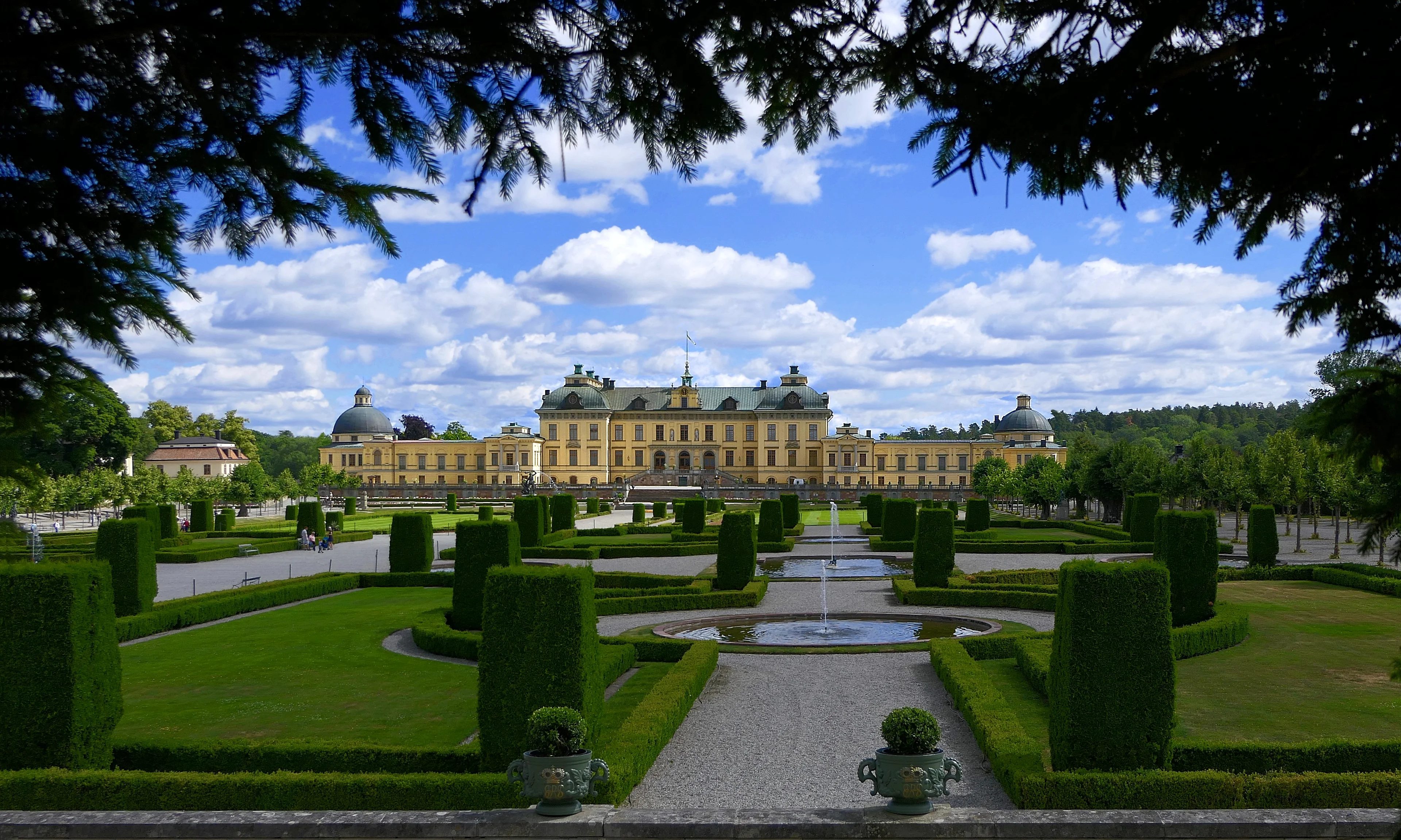
Visiting Sweden: The Land of Lagom and Big Horizons
Picture a single week in which you sip a steaming coffee in a design-forward café in Stockholm, retreat to a wooden cabin on a frozen lake, then head north to watch the northern lights. Sweden blends creative city life with wilderness that runs to the horizon, and its way of living rests on simplicity and balance, the famous “lagom.”
Is Sweden the right destination for you?
Sweden suits travelers who want wide-open space, elegant Scandinavian architecture, and local traditions built around nature. If you like exploring on foot or by bike, visiting modern museums, or sleeping in offbeat lodgings, you'll be happy here. Prices, though, can come as a shock: everyday life is expensive, and some regions are hard to reach without a car.
This isn't only a country for cold-weather fans. Mild summers, long days, and cultural festivals give the experience a completely different feel. Still, it helps to enjoy changeable weather and to pack light… with a rain jacket.
Stockholm, the island capital
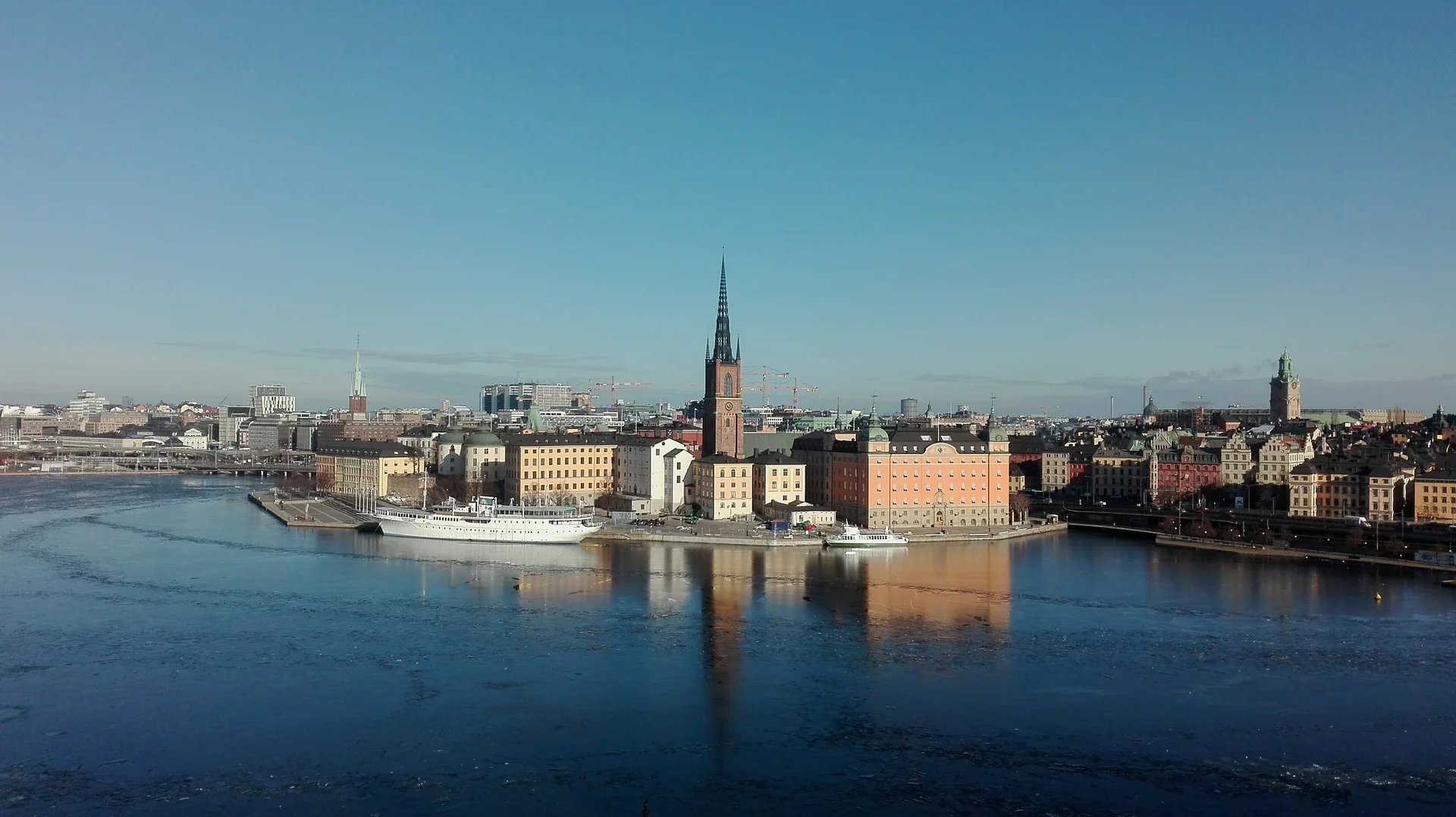
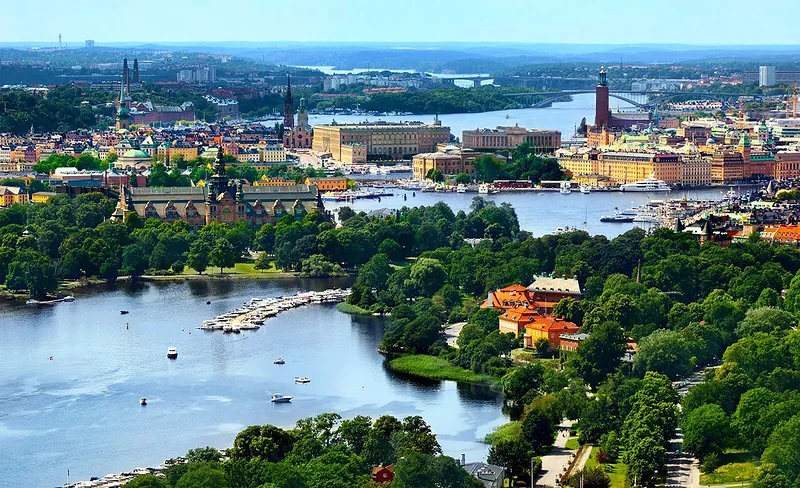
Built on fourteen islands linked by bridges, Stockholm is a city made for the water. Start in Gamla Stan, the medieval core with ochre facades and cobbled lanes, then head to Stadshuset, the city hall where the Nobel Prize banquet takes place every year. From there, the view over the Riddarfjärden bay is superb.
Art lovers will enjoy the Moderna Museet, while maritime history buffs shouldn't miss the Vasamuseet, home to a miraculously preserved 17th-century warship. As you wander, stop for a fika, the Swedish ritual of coffee and pastry, often a cinnamon roll.
Friendly tip: in Stockholm, buy the Stockholm Pass. It covers admission to many museums and attractions, which helps offset the high cost of sightseeing.
Malmö and the cosmopolitan south
Across the water from Denmark, Malmö hums with multicultural energy. Its signature Turning Torso, a twisting skyscraper, towers over a city where design and nature sit side by side. Stroll across Stortorget, the main square, or explore Malmöhus, a historic fortress that houses several museums.
The city is also known for its relaxed atmosphere: the canals invite you to explore by boat, and green spaces like Kungsparken offer pastoral breaks. A bridge runs straight from here to Copenhagen, which makes it easy to combine two cultures in one trip.
Göteborg and the west coast
Sweden's second city, Gothenburg is known for its warm feel and lively harbor. Parks like Slottskogen give you room to breathe between museum visits, notably the Konstmuseum and the floating maritime museum.
Göteborg is also the gateway to the west coast. Follow the road north to colorful fishing villages like Fjällbacka and Smögen. These seaside stops are ideal for fresh shellfish or simply admiring the red fishing huts lined up along the Skagerrak.
Friendly tip: to get the most out of Göteborg, get around by bike. The city has a well-planned network of bike lanes and an affordable rental system.
Swedish nature and traditions
Beyond the cities, Sweden shows a wild side. In the north, Lapland is the kingdom of the northern lights and snowy expanses. Snowshoe hikes, dogsledding, and nights in an ice hotel promise total immersion in a polar world.
Farther south, islands like Öland draw families with huge beaches and nature reserves recognized by UNESCO. The contrast is sharp with the deep forests of central Sweden, dotted with shimmering lakes and wooden cabins, perfect for a quiet retreat.
Friendly tip: if you want to live like a local, rent a stuga, a traditional lakeside cabin. Simplicity and authenticity guaranteed.
Eating in Sweden: simple food, Nordic flavors
Swedish cooking puts local ingredients front and center: smoked fish, meatballs, potatoes, and wild berries. Salmon cured with dill, known as gravlax, is a must-try, as is herring, served in endless variations.
Don't miss a smörgåsbord buffet, a true feast of small dishes served one after another. And of course, you can't escape fika, the sweet ritual that punctuates the day. In neighborhood cafés, the warm welcome is savored as much as the cinnamon.
When to visit Sweden
From May to September, the country has its mildest weather, ideal for hiking, biking, and festivals. Winter, harsh but magical, draws those who dream of northern lights and snow activities. Spring and fall are wetter, but they reveal a quieter, more intimate side of Sweden, away from the summer crowds.
How to get to Sweden
Flights are plentiful from across Europe, with nonstop service to Stockholm, Göteborg, and Malmö. From the US, expect to connect through a European hub or, from some East Coast gateways, to find a nonstop to Stockholm. By train, Sweden is reachable via Copenhagen and the Öresund Bridge. The more adventurous can arrive by ferry from Germany, Poland, or Finland.
Getting around Sweden
The rail network is efficient and links the major cities quickly. To explore more remote regions, a car is still the best option, with well-maintained roads and no tolls. Bikes rule in the cities, while buses fill out the rest of the transport network. One rule to remember: pedestrians and cyclists always have the right of way.