
Stockholm, the capital that breathes between water and forest
Fourteen islands, a lake flowing into the Baltic Sea, and a light that shifts completely with the seasons. Stockholm isn't a city you summarize easily. In summer, the sun barely sets, and locals break out their kayaks between meetings. In winter, the city wraps itself in a darkness that Swedes transform into a lifestyle with candles, saunas, and warm cafes. It is this ability to inhabit every season fully that makes the Swedish capital so unique.
A destination for you?
Stockholm appeals to those seeking a big city without the aggression of major metropolises. The architecture is beautiful without being overwhelming, public transit works, and people are polite without being cold. Fans of design, Nordic gastronomy, museums, and urban nature will find plenty to love here.
On the other hand, if you are traveling on a tight budget, prepare yourself. Stockholm is one of the most expensive capitals in Europe. A glass of wine at a restaurant can cost as much as a full meal in Lisbon. And if you are expecting a festive and spontaneous city, the Swedish temperament, which is more reserved, might be disorienting at first.
Suitable for:
- Travelers who like to combine culture, design, and nature without leaving the city
- Fans of Nordic gastronomy and coffee culture
- Families with children (interactive museums, green spaces, safety)
- Solo travelers, especially women: the city is very safe and well organized
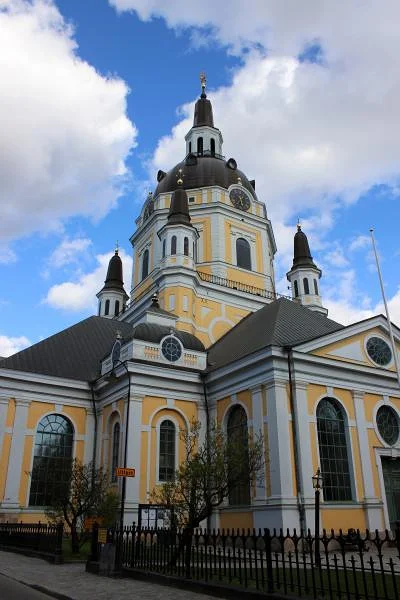
- Architecture and historical heritage buffs
Not suitable for:
- Travelers on a very limited budget
- Those seeking a Mediterranean, spontaneous, and loud atmosphere
- Travelers who hate the cold and darkness (November to February)
- Fans of beaches and guaranteed sunshine
Stockholm, a destination with a daunting budget
The Swedish krona (SEK) can be a shock. Prices are high across almost all areas, including museums and transportation. Here is a realistic range for one day:
| Item | Indicative range |
|---|---|
| Night in a hostel | $34 to $68* |
| Night in a comfortable hotel (3-4 stars) | $135 to $250* |
| Quick meal (bakery, food court) | $12 to $17* |
| Restaurant meal (appetizer + main) | $40 to $68* |
| Public transport (single ticket) | about $4* |
| Total daily budget for backpackers | $79 to $113* |
| Total daily budget for comfort | $230 to $400* |
Indicative prices subject to change
Practical realities
Stockholm is a very well-organized city for visitors. Public transportation (subway, bus, tram, ferry) covers the entire metropolitan area and runs with remarkable punctuality. The SL network offers daily and weekly passes that make getting around much more cost-effective. Cycling is also a serious option, as the city has a dense network of bike lanes and a bike-share system.
The language barrier is virtually nonexistent, as almost all Swedes speak fluent, often excellent English. Swedish remains the local language, of course, but you will almost never need it as a visitor. Stockholm is also one of the safest cities in Europe, and solo travel, including for women, poses no particular issues.
Regarding payment, Sweden is one of the most cashless countries in the world. Credit cards are accepted everywhere, even for very small purchases. There is no need to carry cash.
Gamla Stan and the historic center
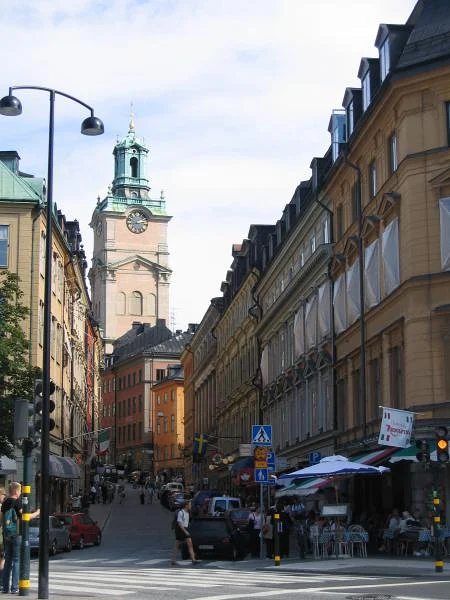
Gamla Stan, the old town, is built on an entire island. Its cobblestone alleys date back to the Middle Ages, the ocher and burgundy facades lean slightly toward one another, and the scent of cinnamon drifts from bakeries starting in the morning. It is touristy, yes. But the historical density is real: the Royal Palace (Kungliga slottet), one of the largest still-active royal residences in the world, is located here. The changing of the guard takes place every day in the summer.
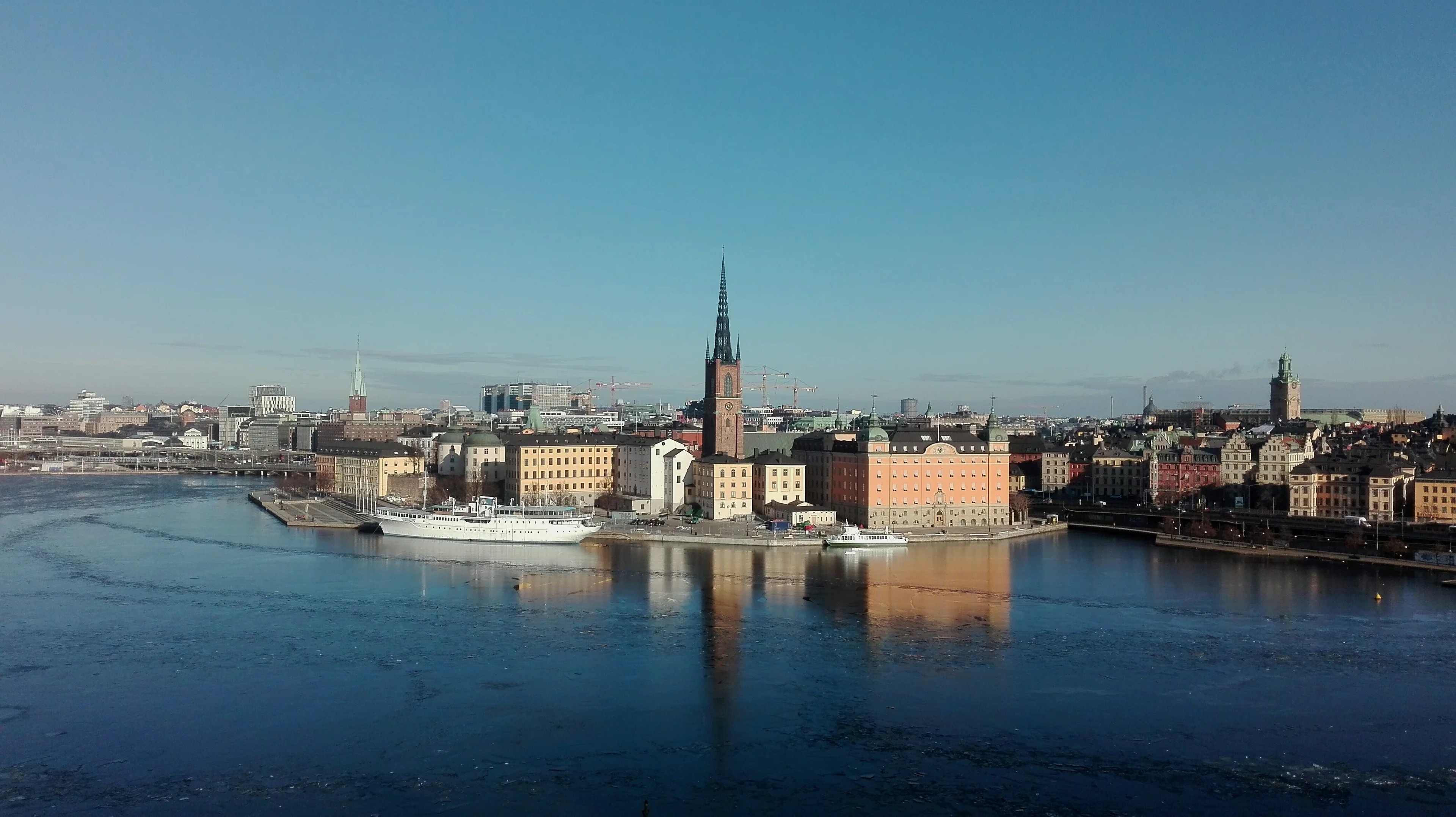
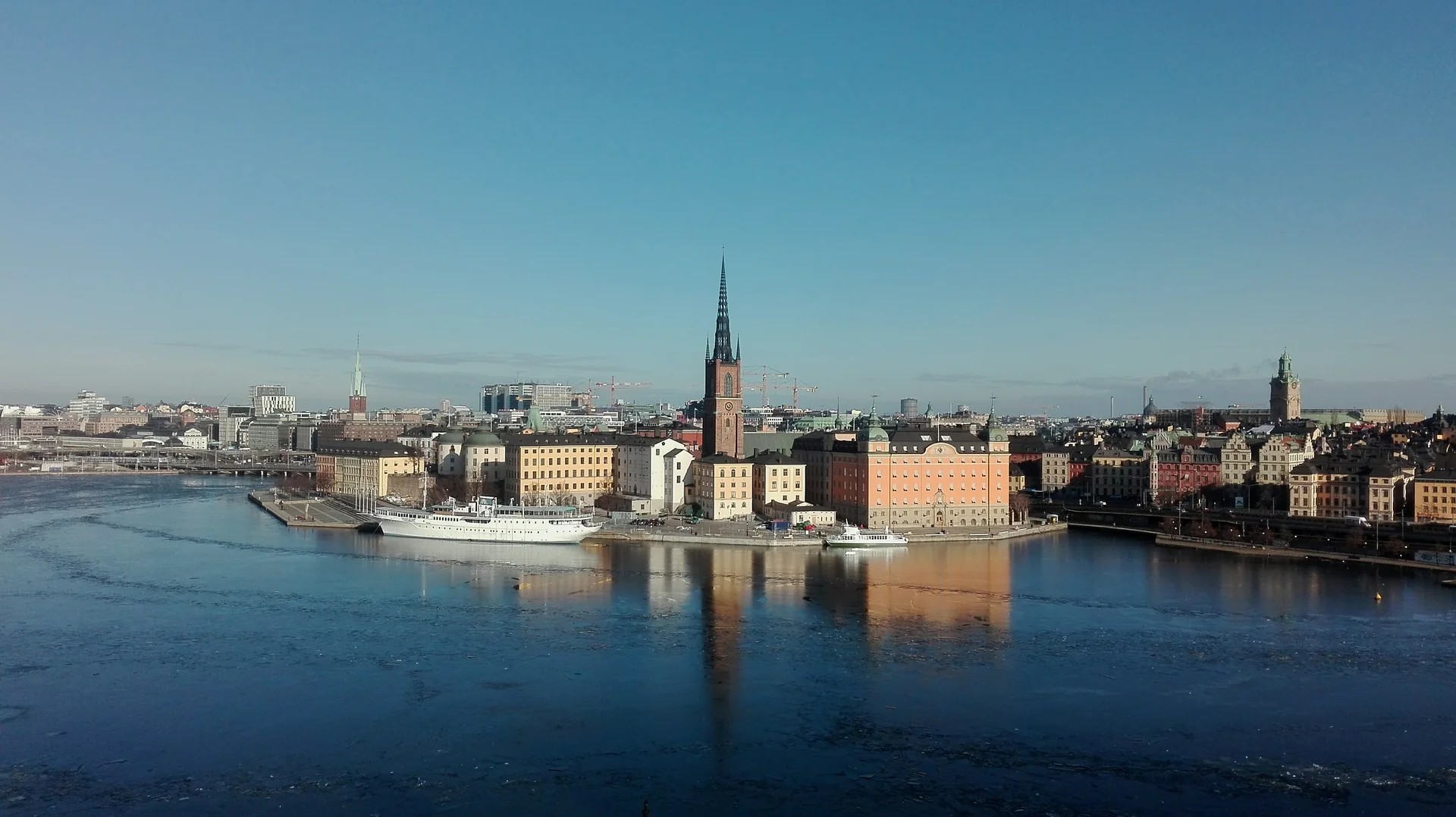
Just next door, on the island of Riddarholmen, the atmosphere shifts. There are fewer tourists, gothic facades, and a view of the water that is worth the detour during the golden hour.
Friendly tip: Avoid Gamla Stan between 11 a.m. and 3 p.m. in high season, as groups of tourists make the alleys nearly impassable. Come early in the morning or in the evening, when the low light plays on the facades and the souvenir shops are still closed.
Södermalm and Östermalm: two opposite souls
Södermalm is the bohemian and creative neighborhood of Stockholm. Perched on a rocky plateau south of the city, it is a hub for independent cafes, thrift stores, tattoo studios, and craft beer bars. This is where a large part of Stockholm's youth lives. The viewpoint from Monteliusvägen, a path overlooking the rooftops and the water, is one of the most beautiful in the city and rarely crowded.
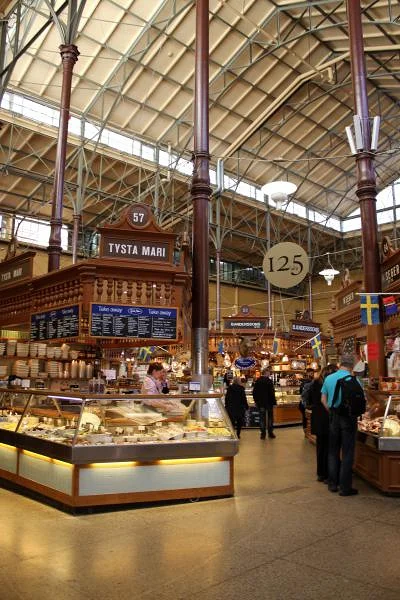
Östermalm, to the east, plays in a different category. Haussmann-style buildings, luxury boutiques, and the recently renovated Östermalms Saluhall food market make it the most elegant area of the capital. The market is worth a visit even if you don't buy anything: smoked fish, Swedish cheeses, charcuterie, and gingerbread sit alongside gourmet counters run by renowned chefs.
Museums: an extraordinary offering
Stockholm has an exceptional concentration of museums for a city of its size. The Vasamuseet is, in our opinion, one of the most impressive museums in Europe: it houses the Vasa, a 17th-century warship salvaged almost intact after 333 years at the bottom of the sea. Seeing it in person, in its dark hangar, is dizzying.
The Fotografiska, a contemporary photography museum housed in a former red-brick customs house, offers world-class exhibitions and a gourmet restaurant with a view of the water. The ABBA Museum on the island of Djurgården will appeal to fans of the band, but also to anyone interested in the history of Swedish pop culture from the 70s.
Friendly tip: The Stockholm Pass includes entry to over 60 museums and attractions, but not public transport. For 2 to 3 days with a busy schedule, it can be cost-effective. Compare carefully based on your itinerary before buying.
Where to eat and drink in Stockholm?
Swedish gastronomy has evolved significantly over the last twenty years. Beyond classics like köttbullar (meatballs in a creamy sauce) or gravlax (dill-marinated salmon), Stockholm is home to several Michelin-starred restaurants and a very active Nordic street food scene.
The ritual of fika is a must in local life: a coffee break accompanied by a pastry, often a kanelbulle (cinnamon bun). Artisan bakeries like Fabrique or Vete-Katten make some of the best in the city. To eat for less, food halls like Söderhallarna in Södermalm offer a great alternative to sit-down restaurants.
How to get to Stockholm?
Stockholm is served by two main airports. Arlanda (ARN), the largest, is located about 40 km north of the center. The Arlanda Express, a direct train, connects the airport to the central station in 20 minutes. Expect to pay about 340 SEK (about $34*) for a one-way ticket. Flygbussarna buses are also available, which are slower but cheaper. Skavsta Airport (NYO), used by some low-cost airlines, is 100 km from the city: plan for a bus ride of about 80 minutes.
From major European hubs, flights are direct. Traveling by train from the continent remains a long but possible option via Copenhagen.
How to get around Stockholm?
The SL network covers the entire city with subway, bus, tram, and ferry lines. The ferries are particularly useful for reaching Djurgården from the center. A single ticket is valid for 75 minutes on all modes of transport. 24-hour, 72-hour, or 7-day passes are available in the SL app or at ticket counters.
The city is very walkable in the central neighborhoods. Biking works well in the summer thanks to the bike lanes. Taxis are expensive: prefer ride-sharing apps or public transit for urban travel.
When to go?
June and July are the peak months: the white nights, crowded terraces, and outdoor festivals give the city a special energy. August remains pleasant with fewer crowds. September offers magnificent autumn light and still-mild temperatures.
Winter, from November to February, is dark and cold, but Stockholm knows how to make it beautiful with its Christmas markets, lights, and cozy ambiance. Avoid March and April if you are looking for sun: the city is just emerging from winter and the weather remains fickle.
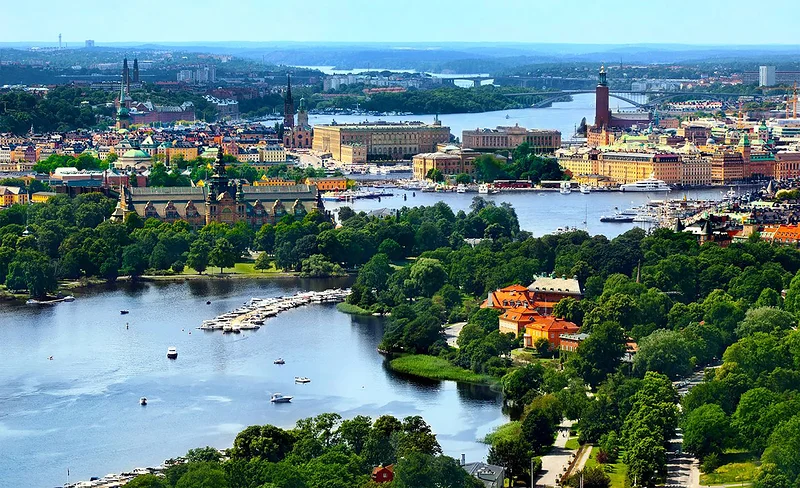
I haven't been to Stockholm in the winter, where in my opinion, the cold and the sunset at 3 PM really kill the vibe a bit.
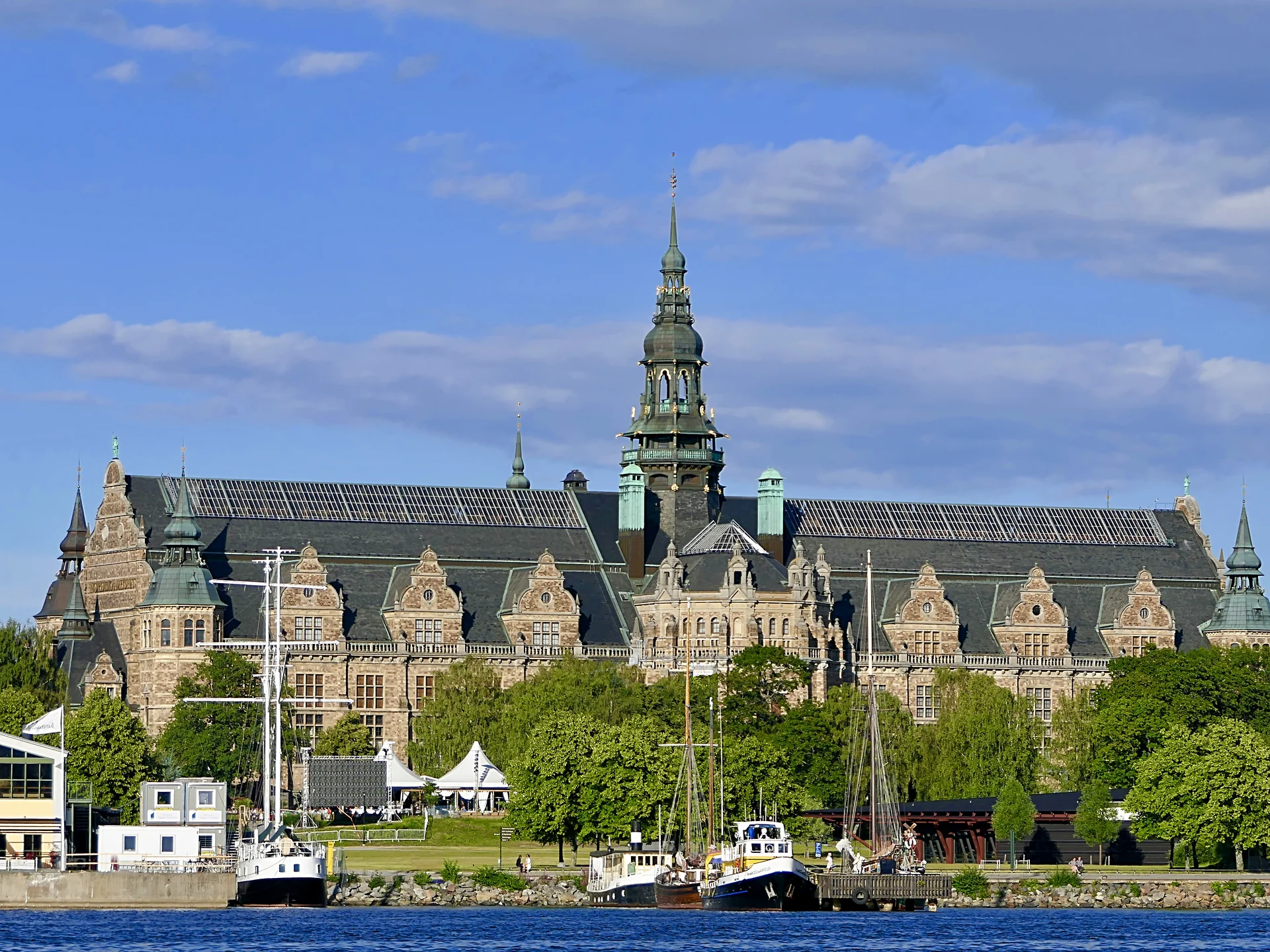
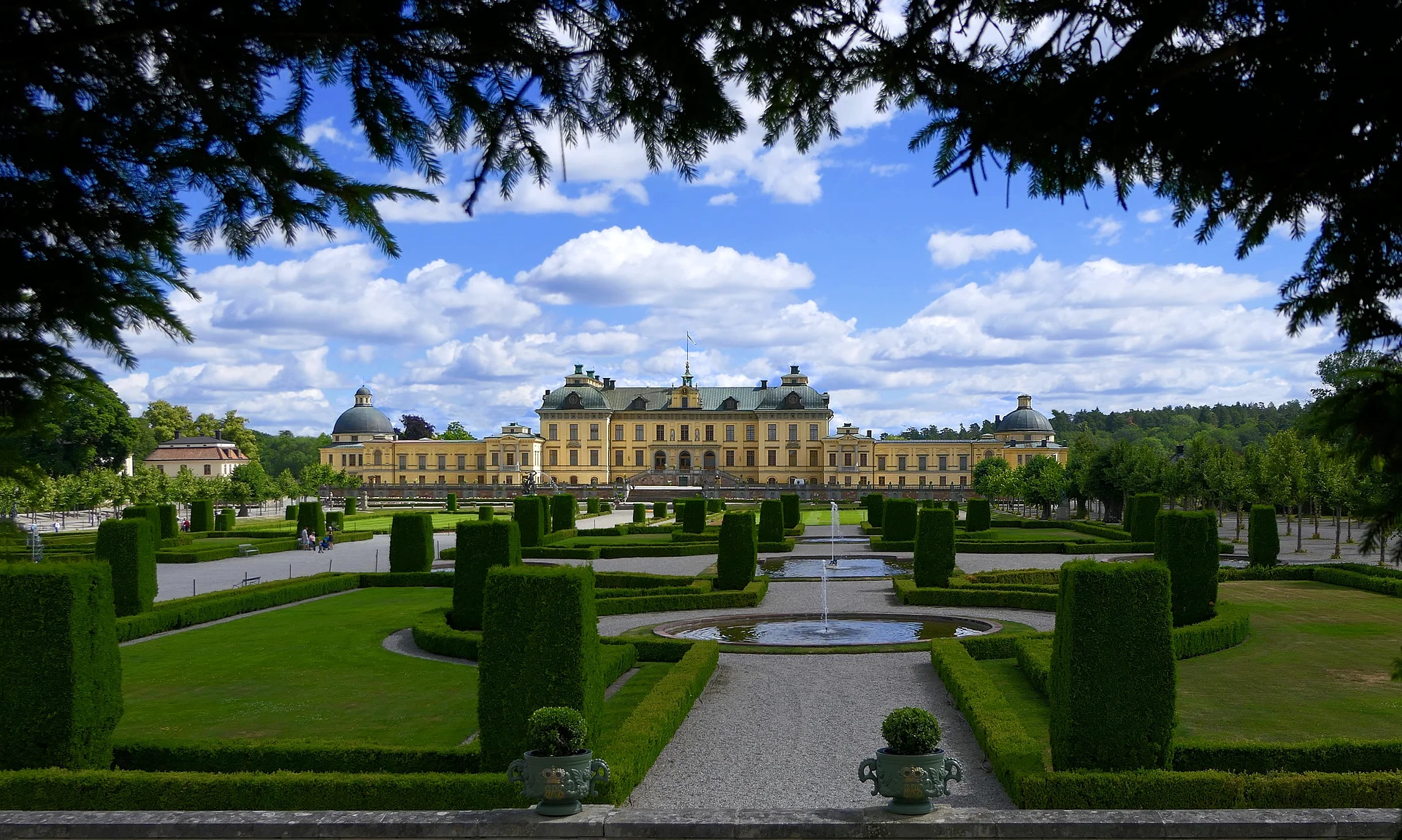
But in the summer, it was a real pleasure to visit the city. The old center is very well preserved, the omnipresence of water gives it a lot of charm, and you find everything you would expect from a capital city.