
Visiting Skansen
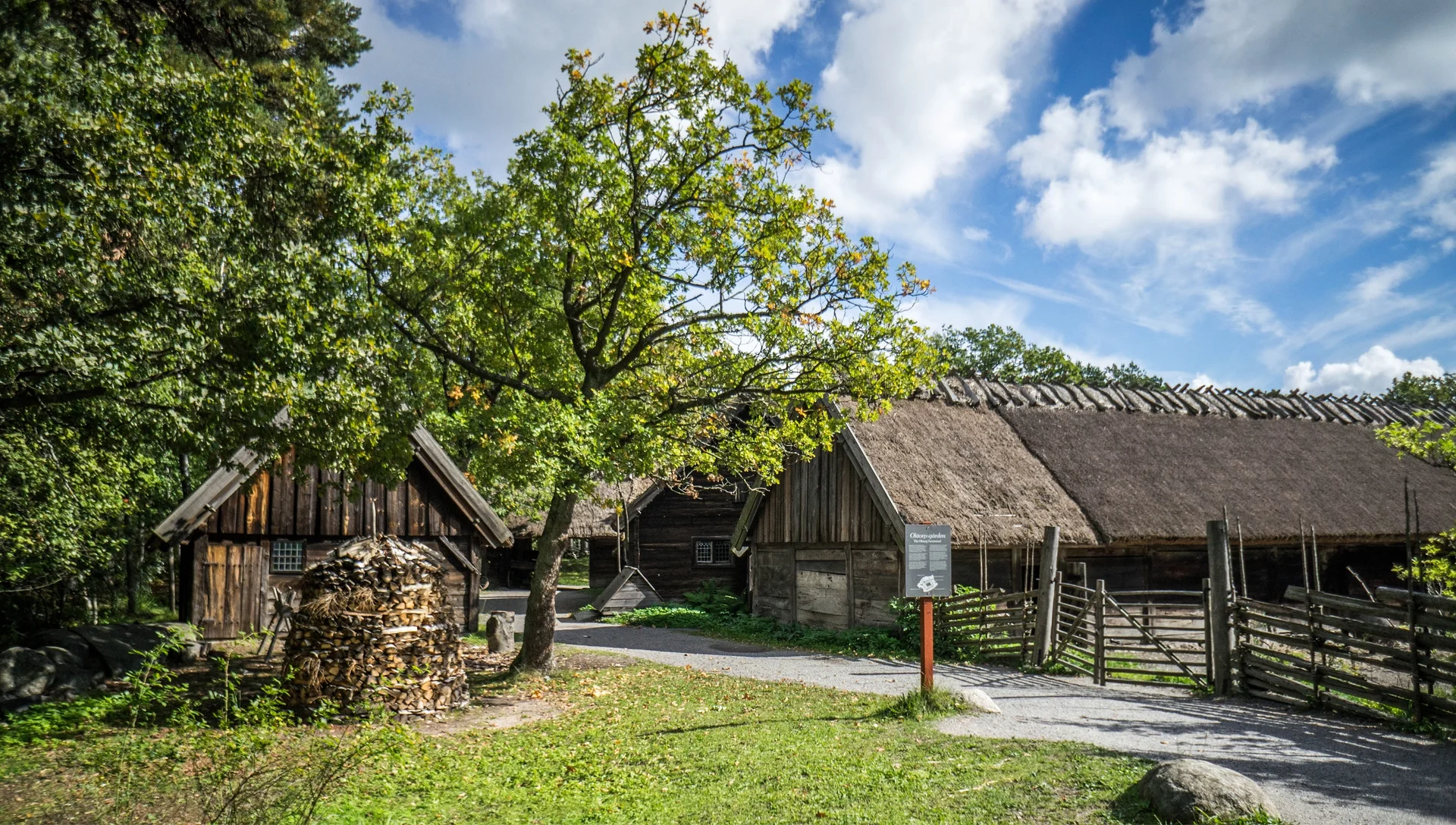
On the Djurgården island, just east of Stockholm, Skansen is the oldest open-air ethnographic museum in the world. It originally formed part of the Nordic Museum (Nordiska Museet), but operates today as an independent institution.
History
Founded by Artur Hazelius, it opened in 1891 to realistically recreate Swedish rural life outdoors. During this period across Scandinavia, many voices raised concerns over the homogenization of Western societies and the loss of national distinctiveness. Hazelius decided to preserve this heritage inside a 75-hectare time capsule on this Stockholm island.
The Skansen Experience
Walking through the grounds lets you travel across the centuries of traditional Swedish history. The buildings are originals, dismantled piece by piece and reassembled on the site. They range from simple peasant shacks to grand noble estates, furnished with authentic period pieces down to the smallest object.
You will also find a faithful recreation of a 19th-century town, where artisans in period costumes work leather, silver, and glass using ancestral methods.
The park houses a zoo featuring 70 Nordic species spread across 300,000m². Visitors can spot caribou, wolverines, lynx, bears, seals, otters, and many other residents.
Skansen serves as a major gathering spot today, hosting regular concerts and theatrical performances. Furthermore, every year since 1903, the central square hosts a charming Christmas market drawing 25,000 people daily.
Few experiences match a stroll through past centuries in such a charming setting, where every step moves you backward in time.
Opening hours
| Monday | 10:00-16:00 |
|---|---|
| Tuesday | 10:00-16:00 |
| Wednesday | 10:00-16:00 |
| Thursday | 10:00-16:00 |
| Friday | 10:00-16:00 |
| Saturday | 10:00-16:00 |
| Sunday | 10:00-16:00 |
*Information subject to change

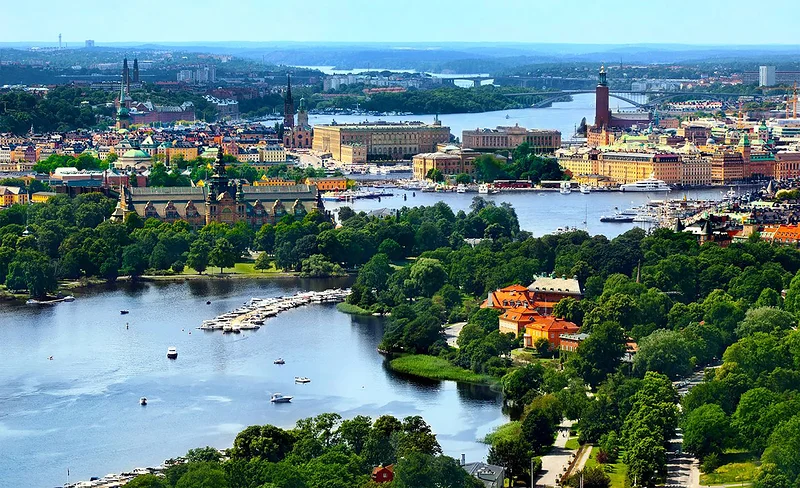
The city does not really need green lungs. I did not feel like Stockholm had an oppressive or polluted climate at all.
Still, on the island of Djurgarden, so close to the city center, you will be amazed to discover so much natural wealth, whether it is the flora, the fauna in the zoo, or even the many species of ducks that live there freely.