Drottningholm Palace

Things to do in Sweden: 8 must-see attractions

Discover our members' favorite destinations in Sweden, plus reviews, practical info, and traveler photos...

Our members' favourite places in Sweden

Ranked on recommendations from travellers who went there

#1 Stockholm +41 recs

Fourteen islands, a lake flowing into the Baltic Sea, and a quality of light that shifts with every season. Stockholm balances historic architecture, Nordic cuisine, and accessible nature with ease. You will find the medieval alleys of Gamla Stan and the creative cafes of Södermalm offer two distinct but equally polished sides of the city. Expect to pay premium prices, from museum tickets to restaurant meals, but the experience is worth the investment.

#2 Gothenburg +15 recs

Gothenburg is the second most populous city in Sweden, located on the country's west coast close to Denmark as well as Oslo, the capital of Norway. Offering a balanced mix of urban life and nature, it stands out for its walkable downtown and nearby archipels, which function as natural green spaces reachable by ferry in just a few minutes. As Scandinavia's largest port, its quays now host modern and cosmopolitan neighborhoods that foster alternative cultures. To see this firsthand, take a trip over to the Röda Sten art center. And consider stopping by the Liseberg amusement park, which celebrated its centenary in 2023.

A Scandinavian city with plenty to offer

Start your visit in the city's central hub, the Nordstaden neighborhood around the Brunnsparken tram stop. Check out the Stadsmuseum to learn more about the city's history. Founded in 1621 by Swedish King Gustavus Adolphus, it attracted many Dutch settlers who designed its original layout, creating a network of canals reminiscent of Amsterdam. Over at Götaplatsen, be sure to visit the Konstmuseum, the city's fine arts museum, which houses strong collections of 19th-century Nordic art. Stroll along the harbor to one of the city's architectural curiosities, the Feskekörka, a fish market hall built in the shape of a church.

Next, head over to Haga, the city's former working-class district, which has preserved its charming traditional wooden Scandinavian houses. Alongside the student life animating the streets of this now university-driven area, you will find plenty of small spots ideal for a Fika break, the traditional coffee pause accompanied by a Scandinavian pastry. A true Swedish institution.

The omnipresence of nature and the sea

True to the classic image of Sweden, Gothenburg features plenty of green spaces like Slottskogen park, which spans 137 hectares and includes an enclosure where you might spot moose. The walk up to Skansen Kronan is also worth the detour for sweeping views over the city rooftops and the port all the way out to the sea.

Visiting the archipelagos is an absolute must when you are in Gothenburg. Each island is ideal for hiking or swimming, with preserved wildlife and clusters of picturesque wooden houses. For longer walks, head to Styrsö, one of the archipelago's largest islands.

When to go

Gothenburg is particularly pleasant in June and July, when the weather is mild and the long summer days stretch past 11 pm.

How to get there

Gothenburg has an international airport, making it easily accessible from the US with standard connections through major European hubs.

#3 Jönköping +2 recs

Jönköping sits right on the southern shore of Lake Vättern in the Småland province of Sweden. King Magnus III granted the settlement its city privileges in 1284, making it home to the oldest preserved town charter in Sweden. Later, the 19th-century construction of the Göta Canal connected lakes Vänern and Vättern to the country's east coast, cementing Jönköping's rise as a major manufacturing and trade hub. The safety match, patented in 1844 by Gustaf Erik Pasch, went into commercial production here the very next year thanks to Johan Edvard Lundström, whose factory brought immense wealth to the area. Today, the city maintains a strong university presence alongside a striking industrial legacy.

Things to do in Jönköping

Jönköping is a mid-sized city packed with quintessential Swedish character. Start downtown with Sofia Church (Sofiakyrkan), a neo-Gothic landmark typical of the country's Protestant houses of worship. Next, head down to the old lakeside manufacturing district, where weathered brick buildings stand side by side with modern renovations. This is where you will find the Match Museum (Tändsticksmuseet), housed inside the former matchworks district known as Tändsticksområdet, exploring the history of the friction match born right here in Jönköping. Drop by the Läns Museum to dive deeper into the history and heritage of the Småland region. Finally, catch panoramic views of the city and Lake Vättern from Stadsparken, a green hillside park complete with walking paths and an animal enclosure.

Lake Vättern, one of Sweden's largest lakes

Jönköping runs alongside Lake Vättern, Sweden's second-largest lake covering nearly 2,000 km². It stretches 120 kilometers long by 30 kilometers wide. Strolling the shoreline or taking a dip in the summer is a local ritual, and you can easily rent a kayak, canoe, or paddleboard to get out on the water.

Do not skip the island of Visingsö, reached by taking a short ferry from the picturesque lakeside town of Gränna and its rows of timber houses. Sitting about 40 kilometers up the eastern side of the lake, the island is linked to the mainland by a 25-minute ferry ride. Local lore says a giant tossed a massive clump of earth into the water so his partner could cross the lake without getting her feet wet. Today, Visingsö is a quiet, bucolic escape featuring classic Swedish landscapes, medieval castle ruins, and even prehistoric traces.

When to go

Spring and summer are the prime months to visit Jönköping, bringing milder weather and much longer daylight hours. Late June brings Midsummer (Midsommar), the ideal time to experience authentic Swedish traditions firsthand.

How to get there

Jönköping sits in southern Sweden right between the major hubs of Stockholm and Gothenburg, making it easy to reach by car, train, or bus.

#4 Malmö +2 recs

Malmö is the third-largest city in Sweden, located in the southern part of the country within the county of Scania. Historically grounded in agriculture, the region grew significantly during the Middle Ages thanks to the herring trade. The oldest traces of civilization in Scandinavia sit just outside Malmö in Segebro, where archaeological digs have revealed human activity dating back to 9000 BC. The city has weathered numerous conflicts and territorial tug-of-wars between Sweden and Denmark. Propelled forward by industrial growth, it became one of the first cities connected by rail when the Lund-Malmö line opened in 1856.

A medieval city

Malmö boasts a long history, but its modern layout is tied to its connection with Copenhagen via the construction of the Öresund bridge, one of the longest bridges in Europe, forming a massive cross-border metropolitan area. Malmö offers plenty of sights, starting with the medieval fortress Malmöhus, surrounded by water-filled moats dating back to the Middle Ages. The site now houses the city museum and an art gallery, all set within a sprawling park inaugurated in 1872 by King Oscar II.

The canal-encircled downtown area is particularly scenic. Head to Lilla Torg, a classic cobblestone square lined with outdoor bars and restaurants. Nearby stands Saint Peter's Church, a striking 14th-century Gothic brick church featuring flying buttresses and medieval ceiling frescoes.

Stortorget is Malmö's oldest public square, framed by 16th-century architecture including the grand town hall. From there, walk down Södergatan, the city's main pedestrian shopping street. For museum lovers, the Form/Design Center occupies a charming half-timbered building in the center, and the Moderna Museet Malmö is another top stop for contemporary art.

A blueprint for tomorrow's city

Malmö has served as a testing ground for urban sustainability. The eco-neighborhood of Västra Hamnen runs entirely on renewable energy. Rising above it is the Turning Torso, a striking neo-futurist twisted skyscraper reaching 190 metres in height.

Continue your stroll along the seafront at Ribersborg, which features a two-kilometre-long beach and a historic open-air seawater bathhouse for a breath of fresh air. Make time for the city's green spaces, from the activity-filled Folkets Park to the quieter Pildammsparken, centered around willow-fringed ponds.

When to go

Spring and summer offer the best weather for exploring Malmö. The final week of August brings a major music festival to town.

How to get there

Malmö has a small airport, Malmö Airport, but most international travelers arrive by flying into Copenhagen and crossing the Öresund Bridge by car, train, or bus. Once you arrive, hop on a bike. The city features 490 kilometres of dedicated cycling lanes.

Our members' favourite things to do in Sweden

Ranked on recommendations from travellers who did them

#1 Royal Palace of Stockholm (Stockholm) +7 recs 4/5

The Royal Palace of Stockholm, or Kungliga Slottet, has served as the residence of the Swedish royal family since the 18th century. This Italian Baroque building features interiors by French artists. Construction took 74 years, finishing in 1771. Today, you can explore two museums, the crown jewels, a church, a library, and ornate salons.

See the guide See deals

#2 Riddarholmen Church (Stockholm) +7 recs 3/5

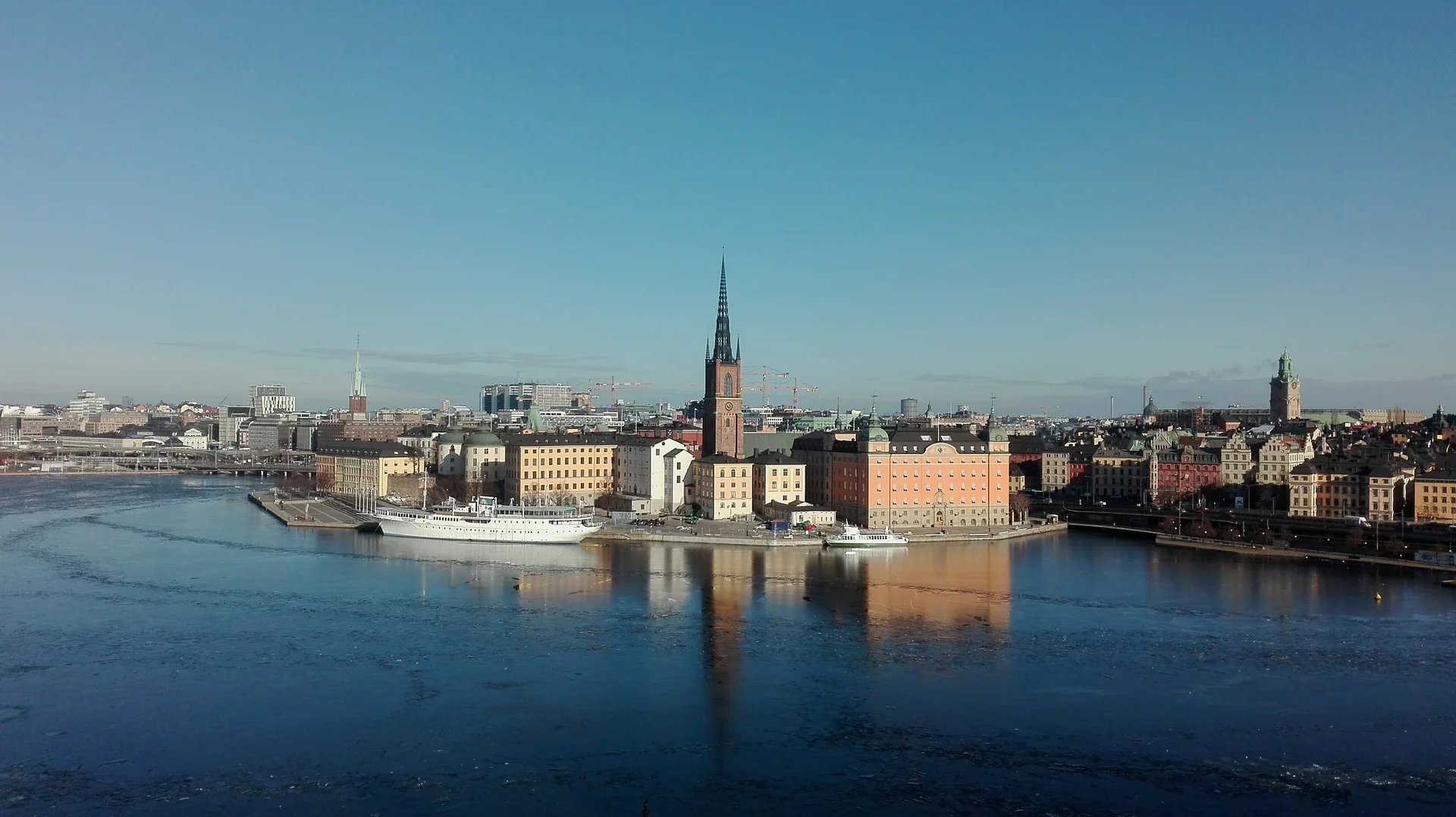
Located near Gamla Stan, the old town of Stockholm, on the quiet little island of the knights, Riddarholmen Church is the only medieval religious building remaining in the capital. It served as the royal necropolis for Swedish monarchs until the 1950s. The island, fortified by Gustav Vasa, offers a view overlooking the famous City Hall. Do not miss the statue of the city founder, Duke Birger Jarl, located on the north pillar.

Surrounded by colorful palaces, the elegant red brick Gothic architecture serves as a landmark. Note the cast iron bell tower dating from 1840, the 100-meter-tall spire made of iron and concrete, and the small turrets above the side chapels.

Built in the 13th century, it was part of an abbey complex where Franciscan monks lived for nearly 300 years before it was converted into a Protestant church. You will find 17 royal tombs distributed across the Gustav Adolf, Caroline, and Bernadotte chapels. The most notable include those of the son of Birger Jarl, Magnus III of Sweden, whose reign saw the church construction, Charles VIII of Sweden, who was also King of Norway, Gustavus Adolphus, nicknamed the Lion of the North, and Frederick I of Sweden, who was also Prince of Finland. Several royal spouses are also interred here.

Beyond the tombs, you can view the coats of arms of the knights of the Order of His Majesty the King, also known as the Royal Order of the Seraphim, which line the walls. This order includes high-ranking foreign dignitaries like Charles de Gaulle or François Mitterrand. You can purchase your entry ticket online. Note that admission is free with the Stockholm Card and available at a reduced rate when combined with a visit to the Royal Palace. Since Riddarholmen Church is no longer a place of worship, concerts are held here regularly, so check the schedule in advance.

#3 Nordic Museum (Stockholm) +7 recs 5/5

The Nordic Museum, or Nordiska Museet to locals, was the vision of Arthur Hazelius. Founded in 1873, this institution showcases Swedish life across generations. The building, designed by Isak Gustaf Clason, is a Danish Renaissance masterpiece. Explore exhibits on fashion, crafts, and food in Stockholm on an island home to a zoo and park.

See the guide See deals

#4 Skansen (Stockholm) +2 recs 5/5

Skansen in Stockholm sits on the island of Djurgården. This open-air museum preserves Swedish rural history. It features 150 buildings, from peasant shacks to noble estates, relocated here for authenticity. The grounds also host a zoo with 70 local species like lynx, reindeer, otters, and bears. It has hosted concerts and a massive Christmas market since 1903.

See the guide See deals-7%AVYGEO7
See the best activities in Sweden

Map of Sweden

Visiting Sweden: The Land of Lagom and Big Horizons

Picture a single week in which you sip a steaming coffee in a design-forward café in Stockholm, retreat to a wooden cabin on a frozen lake, then head north to watch the northern lights. Sweden blends creative city life with wilderness that runs to the horizon, and its way of living rests on simplicity and balance, the famous "lagom."

Is Sweden the right destination for you?

Sweden suits travelers who want wide-open space, elegant Scandinavian architecture, and local traditions built around nature. If you like exploring on foot or by bike, visiting modern museums, or sleeping in offbeat lodgings, you'll be happy here. Prices, though, can come as a shock: everyday life is expensive, and some regions are hard to reach without a car.

This isn't only a country for cold-weather fans. Mild summers, long days, and cultural festivals give the experience a completely different feel. Still, it helps to enjoy changeable weather and to pack light… with a rain jacket.

Stockholm, the island capital

Built on fourteen islands linked by bridges, Stockholm is a city made for the water. Start in Gamla Stan, the medieval core with ochre facades and cobbled lanes, then head to Stadshuset, the city hall where the Nobel Prize banquet takes place every year. From there, the view over the Riddarfjärden bay is superb.

Art lovers will enjoy the Moderna Museet, while maritime history buffs shouldn't miss the Vasamuseet, home to a miraculously preserved 17th-century warship. As you wander, stop for a fika, the Swedish ritual of coffee and pastry, often a cinnamon roll.

Friendly tip: in Stockholm, buy the Stockholm Pass. It covers admission to many museums and attractions, which helps offset the high cost of sightseeing.

Malmö and the cosmopolitan south

Across the water from Denmark, Malmö hums with multicultural energy. Its signature Turning Torso, a twisting skyscraper, towers over a city where design and nature sit side by side. Stroll across Stortorget, the main square, or explore Malmöhus, a historic fortress that houses several museums.

The city is also known for its relaxed atmosphere: the canals invite you to explore by boat, and green spaces like Kungsparken offer pastoral breaks. A bridge runs straight from here to Copenhagen, which makes it easy to combine two cultures in one trip.

Göteborg and the west coast

Sweden's second city, Gothenburg is known for its warm feel and lively harbor. Parks like Slottskogen give you room to breathe between museum visits, notably the Konstmuseum and the floating maritime museum.

Göteborg is also the gateway to the west coast. Follow the road north to colorful fishing villages like Fjällbacka and Smögen. These seaside stops are ideal for fresh shellfish or simply admiring the red fishing huts lined up along the Skagerrak.

Friendly tip: to get the most out of Göteborg, get around by bike. The city has a well-planned network of bike lanes and an affordable rental system.

Swedish nature and traditions

Beyond the cities, Sweden shows a wild side. In the north, Lapland is the kingdom of the northern lights and snowy expanses. Snowshoe hikes, dogsledding, and nights in an ice hotel promise total immersion in a polar world.

Farther south, islands like Öland draw families with huge beaches and nature reserves recognized by UNESCO. The contrast is sharp with the deep forests of central Sweden, dotted with shimmering lakes and wooden cabins, perfect for a quiet retreat.

Friendly tip: if you want to live like a local, rent a stuga, a traditional lakeside cabin. Simplicity and authenticity guaranteed.

Eating in Sweden: simple food, Nordic flavors

Swedish cooking puts local ingredients front and center: smoked fish, meatballs, potatoes, and wild berries. Salmon cured with dill, known as gravlax, is a must-try, as is herring, served in endless variations.

Don't miss a smörgåsbord buffet, a true feast of small dishes served one after another. And of course, you can't escape fika, the sweet ritual that punctuates the day. In neighborhood cafés, the warm welcome is savored as much as the cinnamon.

When to visit Sweden

From May to September, the country has its mildest weather, ideal for hiking, biking, and festivals. Winter, harsh but magical, draws those who dream of northern lights and snow activities. Spring and fall are wetter, but they reveal a quieter, more intimate side of Sweden, away from the summer crowds.

How to get to Sweden

Flights are plentiful from across Europe, with nonstop service to Stockholm, Göteborg, and Malmö. From the US, expect to connect through a European hub or, from some East Coast gateways, to find a nonstop to Stockholm. By train, Sweden is reachable via Copenhagen and the Öresund Bridge. The more adventurous can arrive by ferry from Germany, Poland, or Finland.

Getting around Sweden

The rail network is efficient and links the major cities quickly. To explore more remote regions, a car is still the best option, with well-maintained roads and no tolls. Bikes rule in the cities, while buses fill out the rest of the transport network. One rule to remember: pedestrians and cyclists always have the right of way.
Find the best travel deals in Sweden

Hotels and stays Flights Car rentals Custom trips

Top photos posted by members

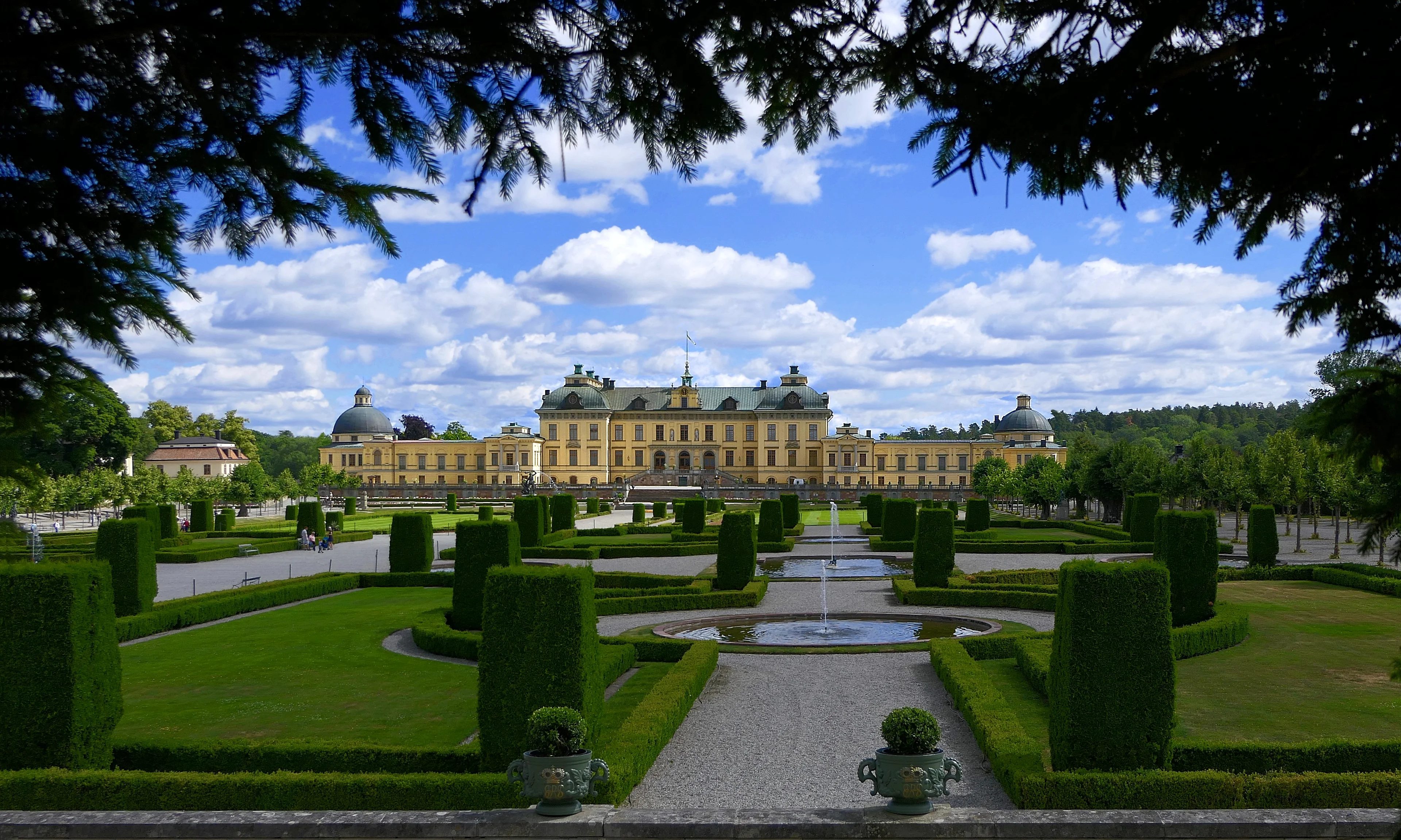
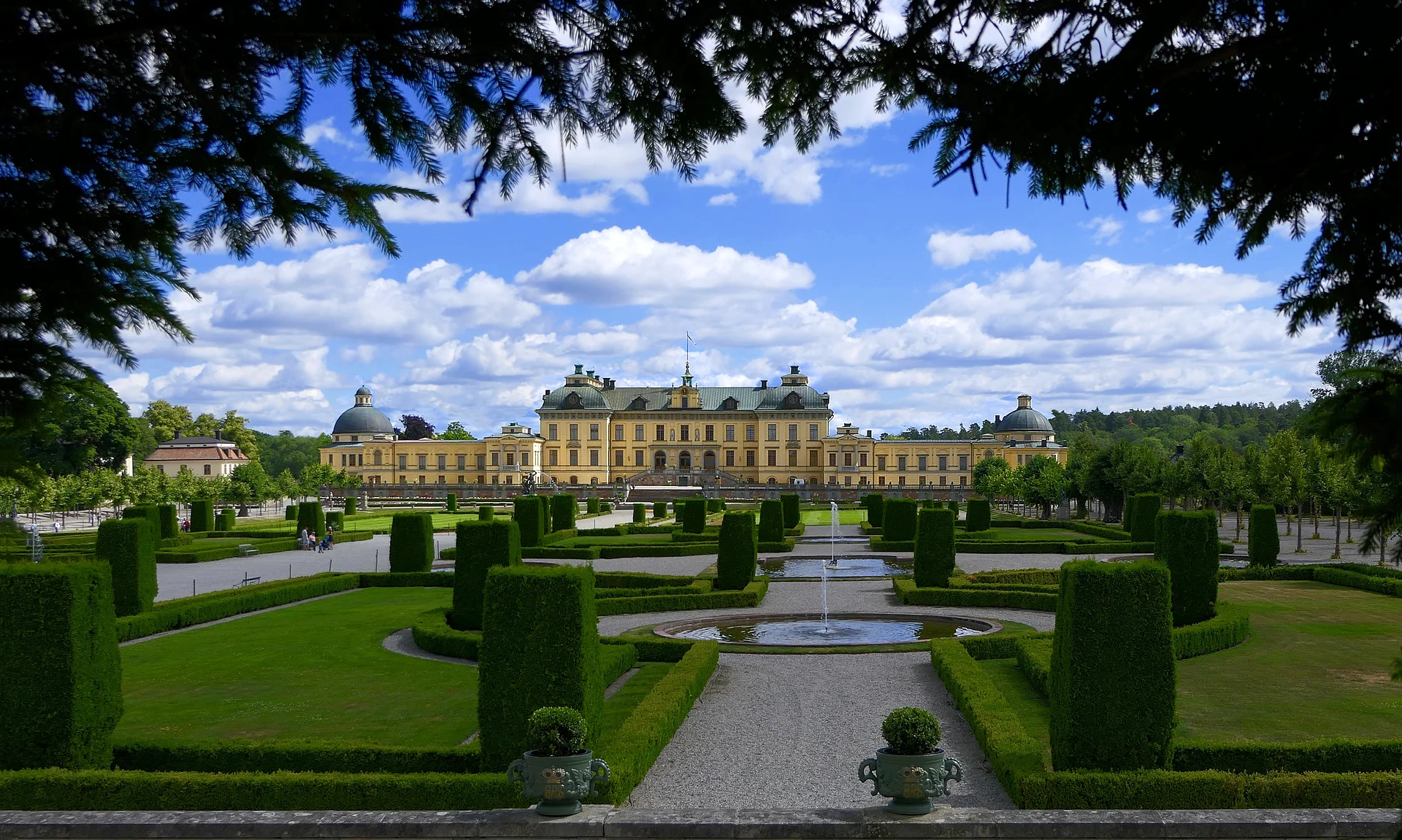
Drottningholm Palace
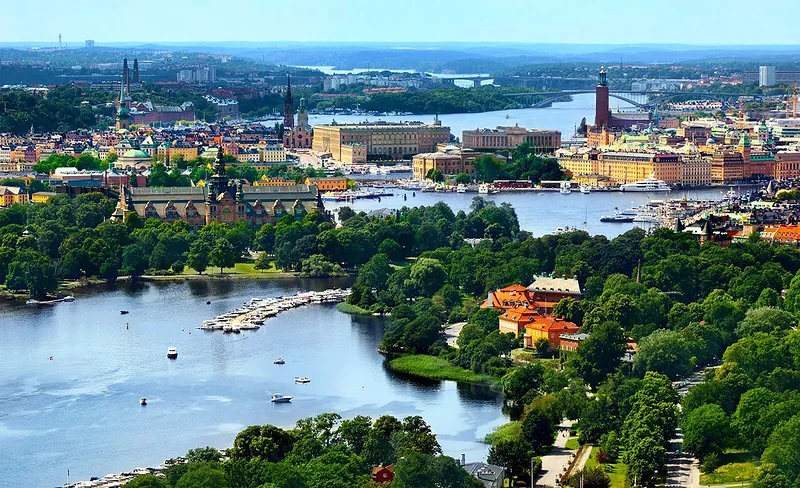
Central Stockholm
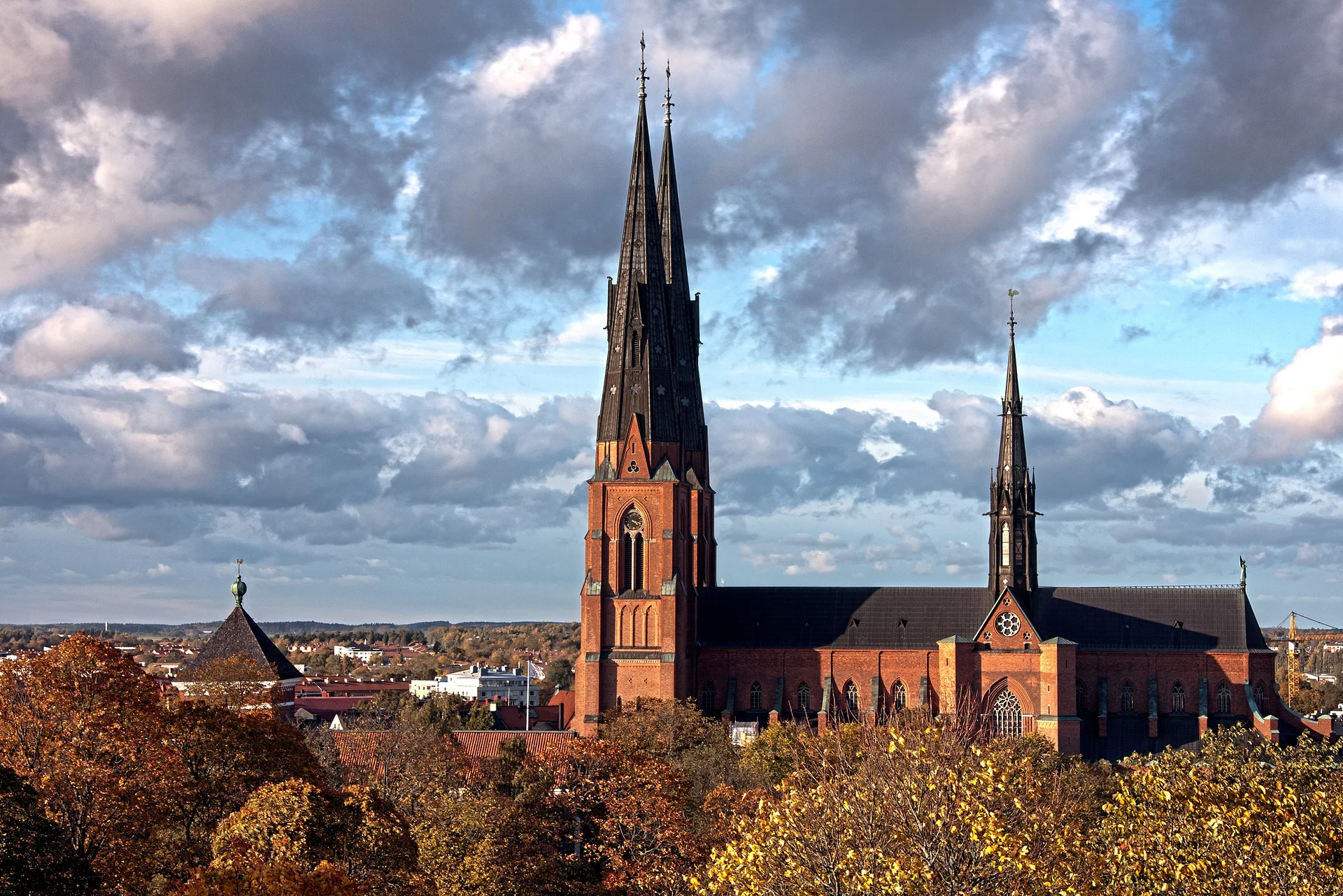
Uppsala

Articles about Sweden

Traveler reviews

A lively city

The city of Gothenburg is lively and bustling all year round. I really liked the amusement park located right in the heart of the city. The center is actually very pleasant. I recommend booking a boat…

54

Smögen, a total postcard

Absolutely beautiful, there are few words to describe this peaceful vibe in such a magical setting. In my opinion, it is one of the most beautiful Swedish villages, very classic with its pastel wooden…

22

Gothenburg, a very pleasant city

Really nice, clean, and not too big, Gothenburg is a pretty trendy city. I recommend a little meal at the food hall, which is super lively and where you eat very well, nothing but local food. A quick…

48

Marstrand in summer: top notch vacation

Marstrand is located on typically Swedish islands, near Gothenburg. The scenery is superb, there are little fjords without cliffs, you can swim there, and the water is actually almost warm in the summ…

28

A must-visit in the summer!

I haven't been to Stockholm in the winter, where in my opinion, the cold and the sunset at 3 PM really kill the vibe a bit. But in the summer, it was a real pleasure to visit the city. The old center…

69