
Visiting Malmö
Malmö is the third-largest city in Sweden, located in the southern part of the country within the county of Skåne. Historically an agricultural region, it expanded rapidly during the Middle Ages thanks to the herring trade. The oldest traces of civilization in Scandinavia were found right near Malmö in Segebro, where archaeological digs revealed human activity dating all the way back to 9000 BC! The city saw its share of conflicts, serving as a frequent battleground in territorial wars between Sweden and Denmark. Propelled forward by the industrial revolution, it became one of the first cities connected by rail when the Lund-Malmö line opened in 1856.
A medieval city
Malmö has a long history, but its recent growth is closely tied to its connection with Copenhagen via the construction of the Öresund Bridge, one of the longest bridges in Europe, which created a vast binational metro area. Malmö has plenty of sights to offer, starting with the medieval fortress of Malmöhus, surrounded by water-filled moats dating back to the Middle Ages. Today, the complex houses the city museum and an art gallery. The surrounding grounds merge into a large park inaugurated in 1872 by King Oscar II.
The canal-ringed downtown area is especially charming. Head over to Lilla Torg, a picturesque cobblestone square lined with bars and restaurants. Nearby stands Saint Peter's Church, a striking 14th-century Gothic brick structure featuring flying buttresses and a beautifully painted medieval frescoed ceiling.
Stortorget is Malmö's oldest public square. Take time to admire the 16th-century buildings framing the plaza, including the grand town hall. From there, stroll down Södergatan, the city's main pedestrian shopping street. If you are looking for museums in the center, check out the Form/Design Center, housed in a charming half-timbered building, or the Malmö Konsthall for contemporary art.
A glimpse of tomorrow's city
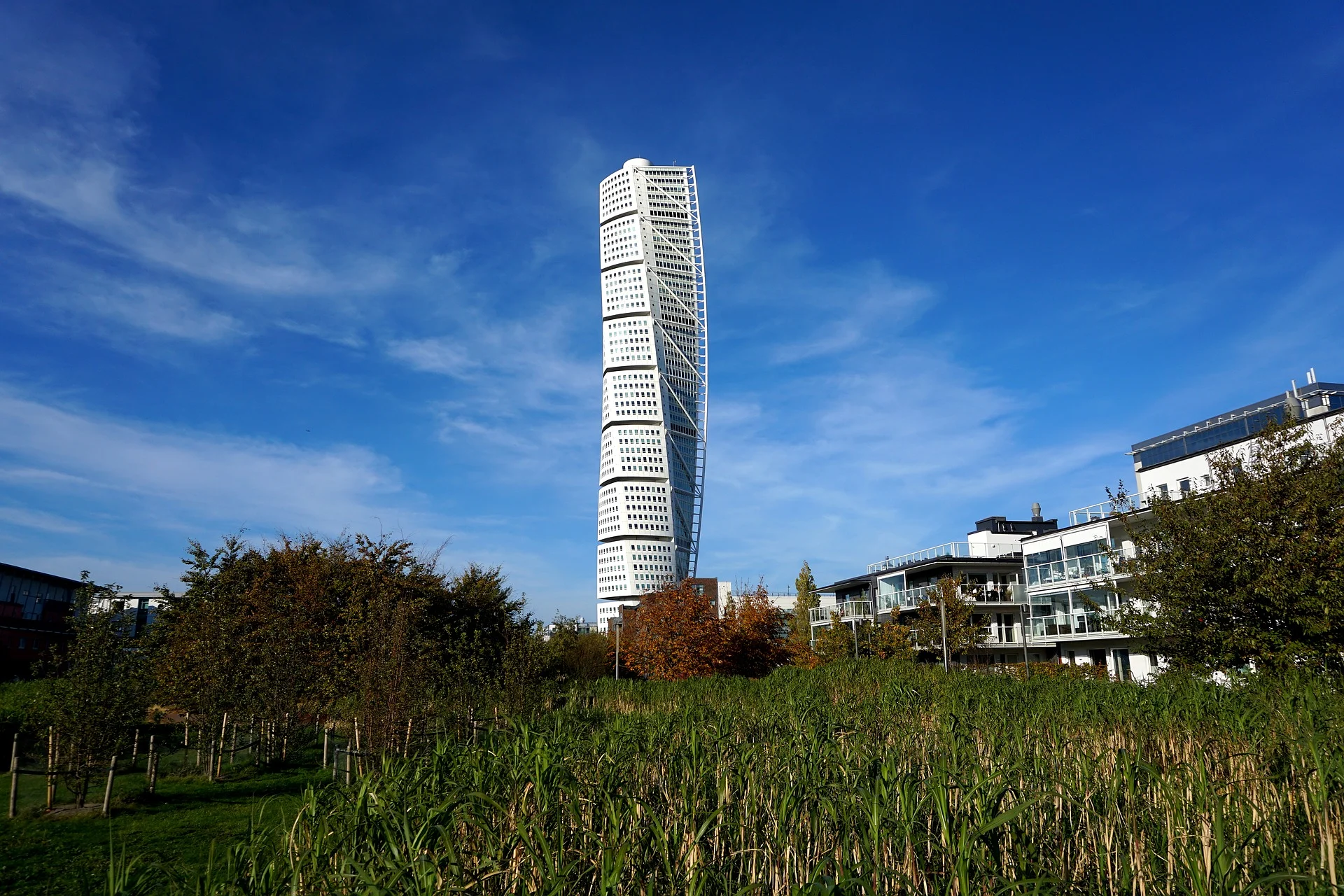
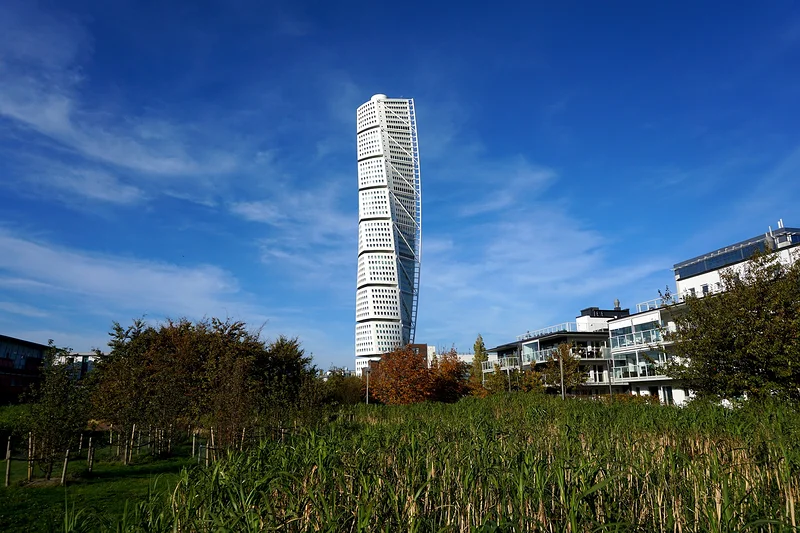
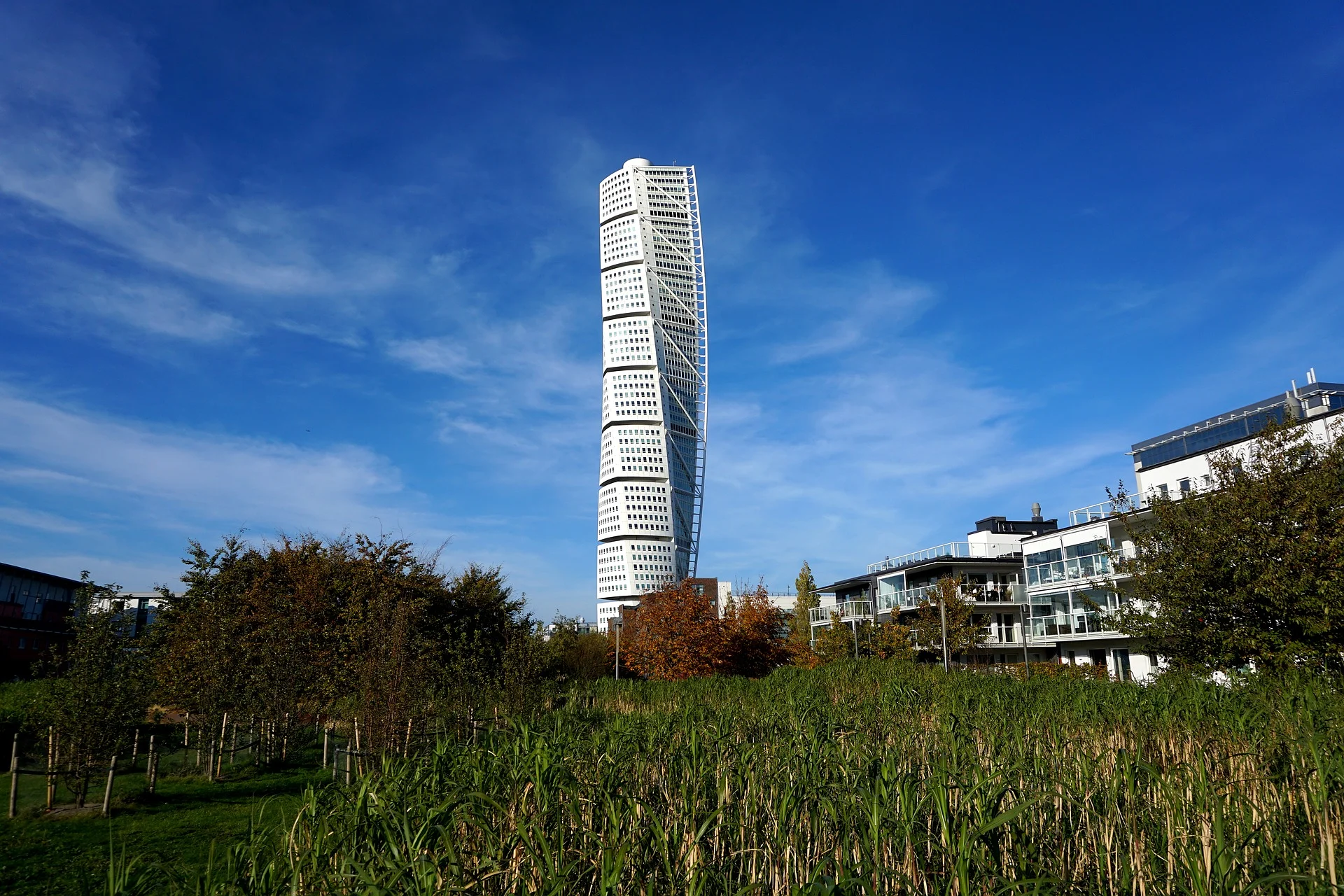
Malmö has served as a testing ground for sustainable urban development. The eco-friendly neighborhood of Västra Hamnen runs entirely on renewable energy. This waterfront district is dominated by the Turning Torso, a striking neo-futuristic twisted skyscraper soaring 190 meters into the sky.
Continue your walk along the Ribersborg coastline, which features a two-kilometer-long sandy beach and a historic open-air seawater bathhouse, perfect for getting some fresh air. Do not skip the city's green spaces, from the lively Folkets Park with its rides and gathering spots to the quieter Pildammsparken, bordered by willow-shaded ponds.
When to go
Late spring and summer are the best times to visit Malmö, when the weather cooperates and the outdoor spaces come alive. The final week of August hosts a major music festival.
How to get there
Malmö has a small regional facility, Malmö Airport, but it handles mostly domestic and European routes rather than direct flights from North America. Most travelers arrive via Copenhagen, crossing the Öresund Bridge by car, train, or bus. Once you arrive, do as the locals do and rent a bike. The city boasts 490 kilometers of dedicated cycling lanes.
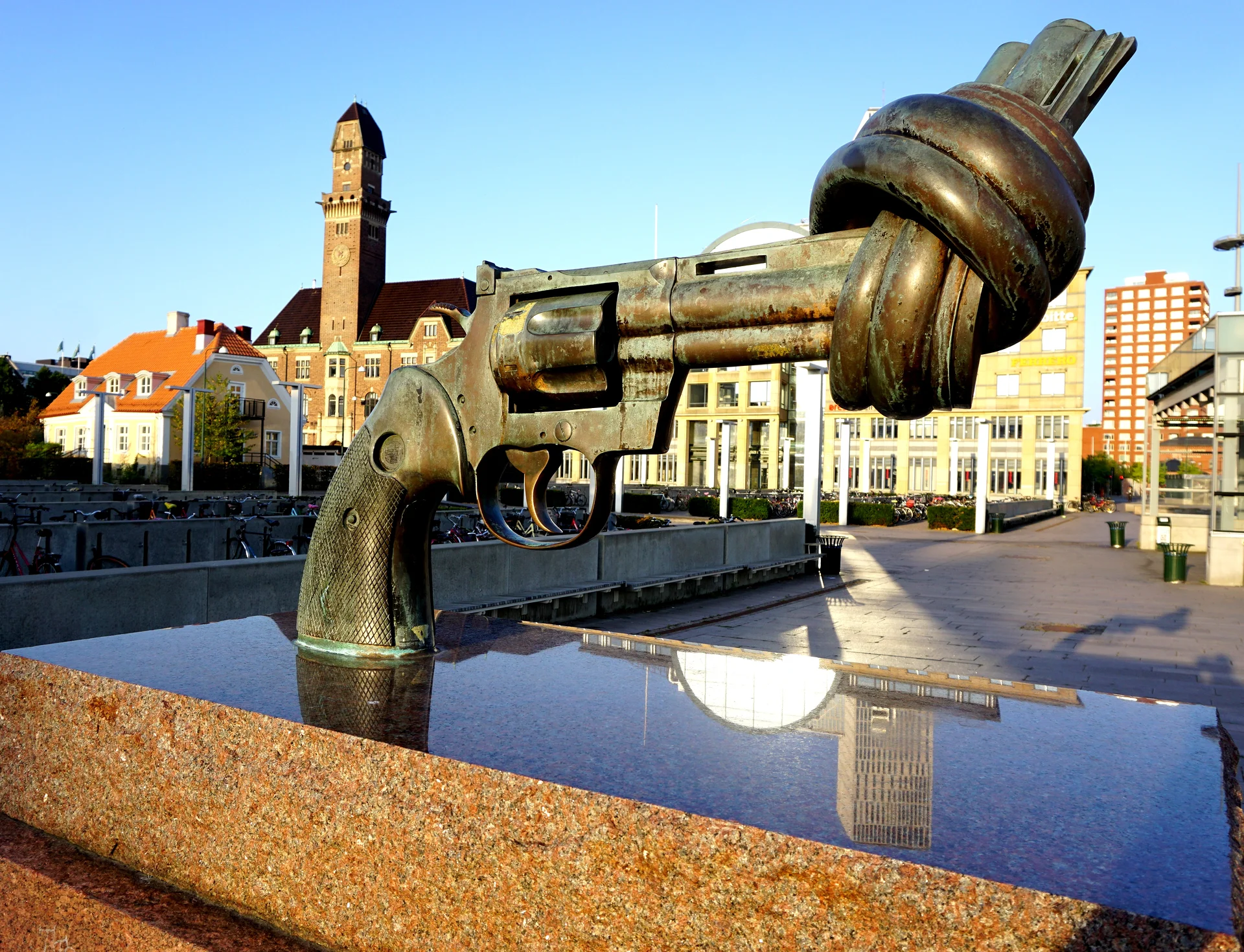
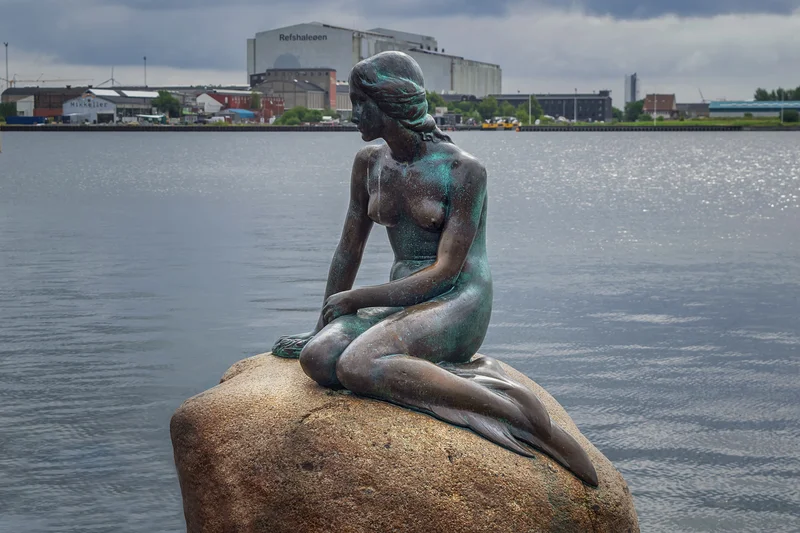
Way less famous than the capital Stockholm, Malmo surprised me with its energy, its modern architecture in certain areas, and its diversity. This small city on a human scale, well, it is still the third largest in Sweden, is multicultural and offers you tons of activities and a huge variety of restaurants.
I recommend the modern art museum and visiting the Vastra Hamnen neighborhood, an architectural and urban planning laboratory at the cutting edge of sustainable development.
If you are staying in Copenhagen, you just have to cross the Oresund Bridge to get to Malmo.