
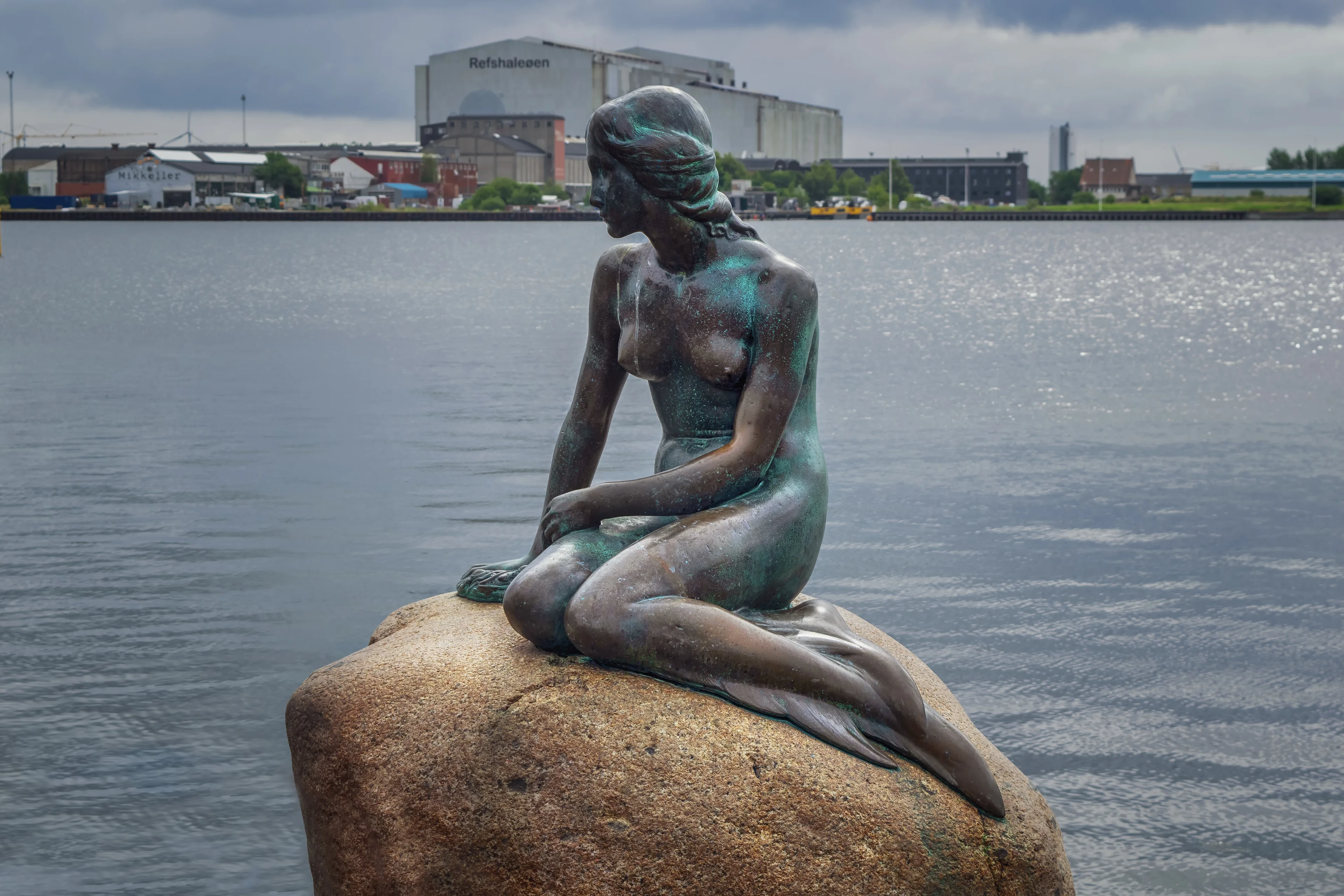
Copenhagen, where happiness found its address
It is 8:00 AM and Copenhageners are already pedaling to work with a coffee in one hand, completely unfazed by the brisk wind blowing off the Øresund. In a city where bikes outnumber cars, where locals picnic in graveyards, and where an entire neighborhood declared independence back in 1971, the very definition of normal feels a bit different.
Denmark regularly ranks near the top of global happiness indexes. Spend a few hours here and you will understand why.
A city built for the curious and the laid-back
The Danish capital draws fans of design, serious foodies, urban cyclists, and anyone who appreciates Nordic lifestyle aesthetics. The concept of hygge, that cozy and welcoming sense of well-being, permeates every cafe, interior, and shared moment. Families find plenty to love here too, thanks to expansive green spaces and the iconic Tivoli.
Nightlife lovers or travelers hunting for Mediterranean sunshine might find themselves underwhelmed. Winter days are short and dark, rain shows up often, and the evening scene stays mellow compared to southern capitals. Language barriers do not exist since everyone speaks English. The city is safe, flat as a pancake, and best explored over three to four days.
Budgeting for your trip
Plan on $169 to $290* per day for a comfortable couple's trip, with lodging running between $135 and $230* per night, meals around $23 to $45* per person, and museum entries from $12 to $23*. The Copenhagen Card quickly pays for itself if you plan on checking out multiple sights and riding transit often.
Indre By and Nyhavn: the historic core
The canal at Nyhavn and its colorful facades make up the city's signature postcard view. Hans Christian Andersen lived at three different addresses here and wrote some of his most famous fairy tales along the waterfront. The outdoor patios lining the quay draw massive crowds the moment the sun comes out, though restaurant quality has dropped off a bit due to the tourist influx.
Just a short walk away, Rosenborg Castle holds the Danish crown jewels inside a Renaissance palace surrounded by the King's Garden. Walking through the royal rooms reveals three centuries of monarchical history. Further along, Amalienborg Palace hosts the changing of the royal guard every day at noon.
Friendly tip: to escape the Nyhavn crowds, walk down Magstræde, one of the oldest and most photogenic streets in town, featuring half-timbered houses and colorful facades without a tourist in sight.
Christianshavn and Christiania: the free spirit
Across the canal, Christianshavn brings to mind Amsterdam with its houseboat-lined waterways and narrow homes. The Church of Our Savior towers over the neighborhood, and its outdoor spiral staircase climbs all the way to the top of the steeple for the best panoramic view in town. Be warned that the last stretch of the 400 steps gets genuinely dizzying.
Christiania, the famous self-proclaimed free town, has occupied an old military barracks since 1971. In 2024, residents symbolically ripped up the paving stones of Pusher Street to mark the end of the open-air drug trade that had plagued the area. Today, people visit for the alternative vibe, artist studios, eccentric DIY architecture, and the vegetarian restaurant Morgenstedet, a communal canteen where you pay for your plate by weight.
Nørrebro and Vesterbro: the trendy side of town
Nørrebro captures the city's cultural diversity. Jægersborggade, once a rough street, now packs in pottery studios, independent coffee roasters, and craft ice cream shops. Assistens Cemetery, where both Hans Christian Andersen and the philosopher Søren Kierkegaard are buried, doubles as a public park where locals hang out and picnic between the headstones.
Vesterbro, the former red-light district, has morphed into a hipster epicenter. The Meatpacking District packs trendy restaurants, galleries, and bars into former slaughterhouses. War Pigs serves up craft beers and Texas-style barbecue in a rock-and-roll setting. Further south, the courtyard at BaneGaarden remains a well-kept secret among locals.
Friendly tip: the up-and-coming neighborhood of Nordhavn, accessible via the M4 metro extension launched in 2020, is worth a detour for its sustainable architecture and converted waterfront warehouses.
Unique spots you should not miss
The Six Forgotten Giants by artist Thomas Dambo hide out in the forests and parks on the edge of the city. These giant recycled-wood sculptures turn a troll hunt into an urban hike. You will need a bicycle and a full day to track down all of them.
Tivoli, the world's second-oldest amusement park, is worth visiting as much for its gardens as for its rides. Christmas and Halloween light displays make it magical during the off-season. The indoor food market at Torvehallerne brings together local producers and food stands under twin glass pavilions.
Where to eat and drink in Copenhagen?
The Danish culinary scene took off globally after Noma revolutionized Nordic gastronomy. Smørrebrød, those open-faced rye bread sandwiches piled high with pickled herring, smoked salmon, or roast beef, remain the ultimate national dish. Try them at Aamanns Etablissement for an elevated take. Wienerbrød, the flaky apple or custard pastries, pair perfectly with morning coffee.
For a quick bite, head to Reffen at Refshaleøen, a street food market set up inside former shipyard hangars where prices are friendlier than downtown. The restaurant Cofoco in Vesterbro serves modern Danish cooking at fair prices inside a textbook hygge space featuring candles, wood, and large shared tables.
How to get to and around Copenhagen?
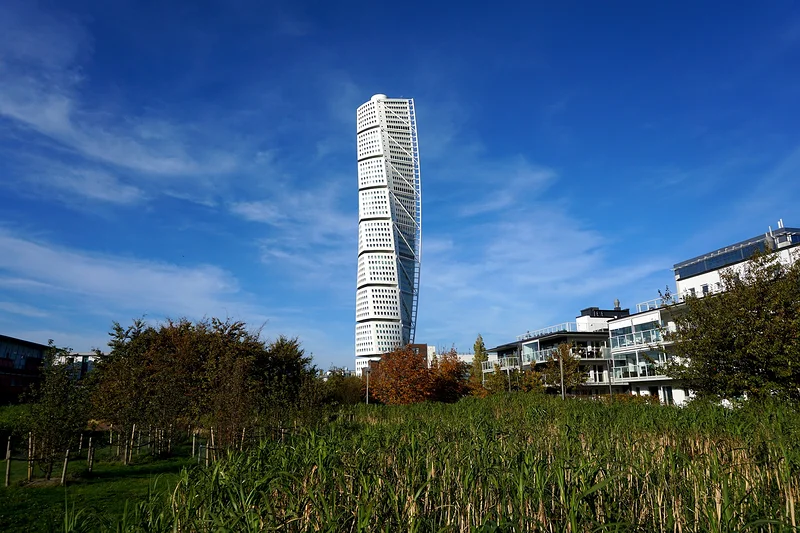
Kastrup Airport sits just 15 minutes from downtown by metro or train. Direct flights connect from major hubs multiple times a day. Coming from Sweden, the Øresund Bridge makes it easy to reach Malmö in 30 minutes by train.
Once you arrive, the bicycle reigns supreme with over 400 kilometres of protected bike lanes webbing across the city. Rentals run about 100 DKK a day. The metro runs 24 hours a day, which is convenient for late nights out. The Copenhagen Card covers unlimited public transit and admission to over 80 attractions.
When to go?
May, June, and September hit the sweet spot for pleasant weather, long daylight hours, and manageable crowds. Summer peaks in July with the Copenhagen Jazz Festival alongside heavy tourist traffic. Winter turns the city into a hygge postcard with Christmas markets and Tivoli light displays, though daylight drops to under seven hours.
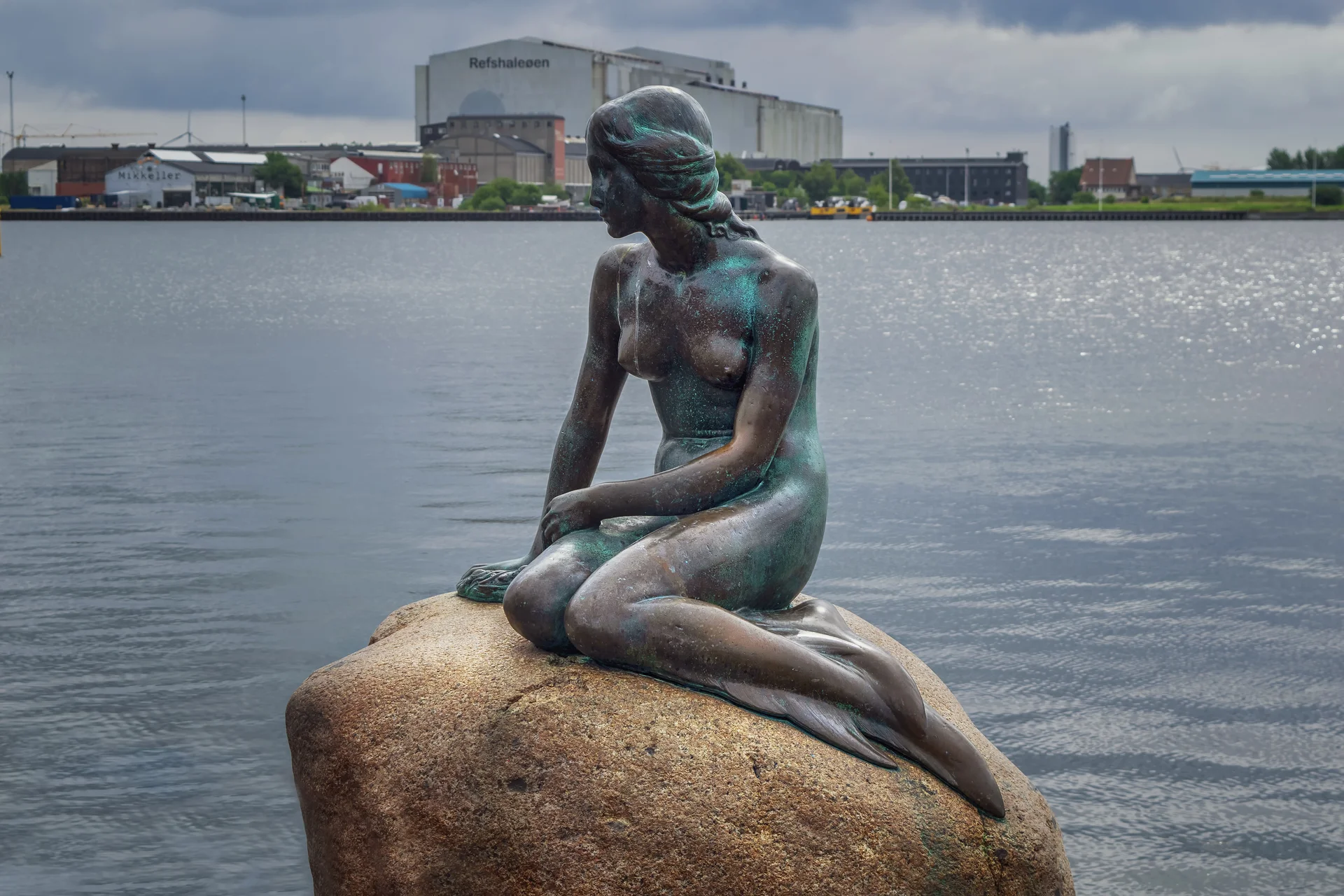
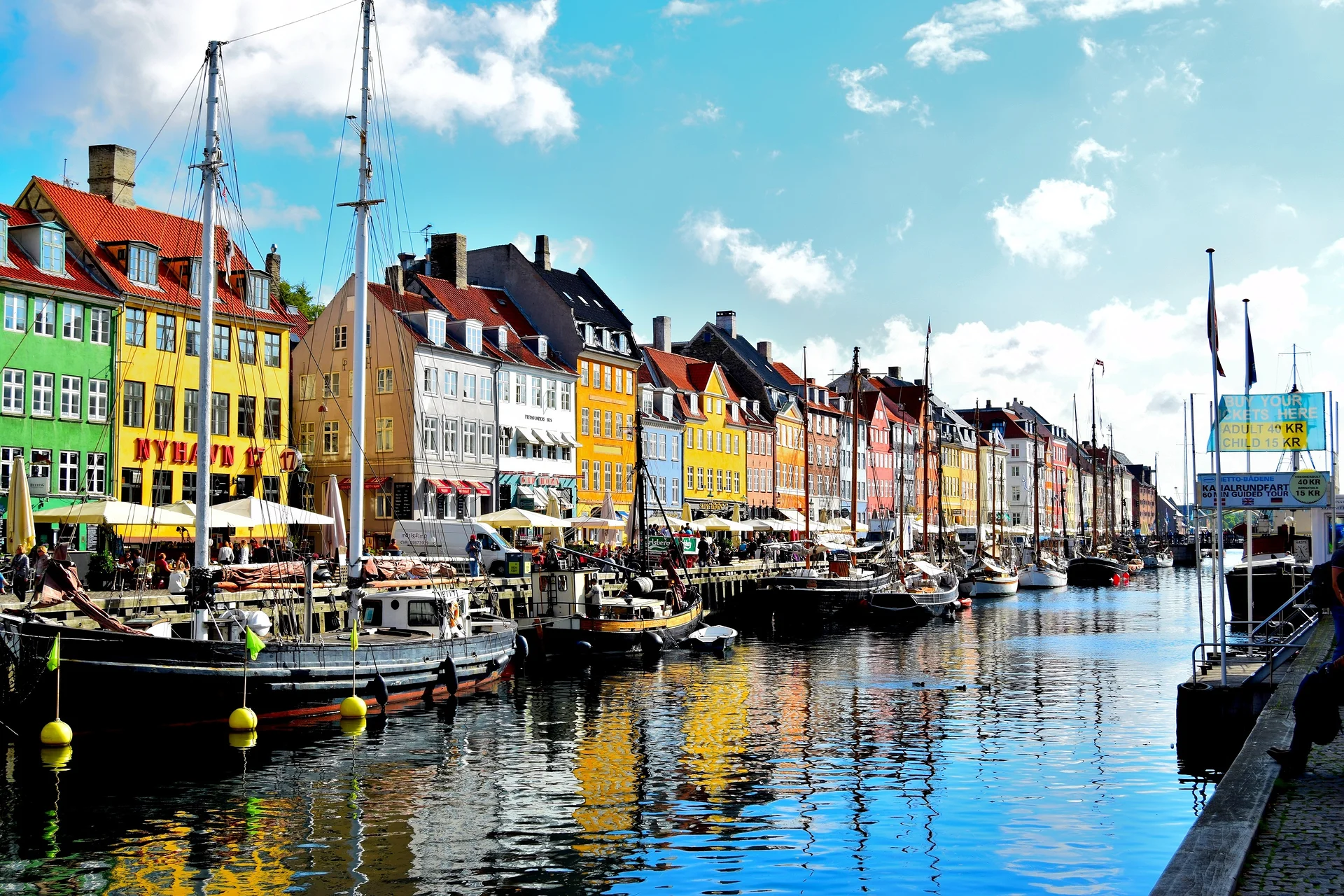
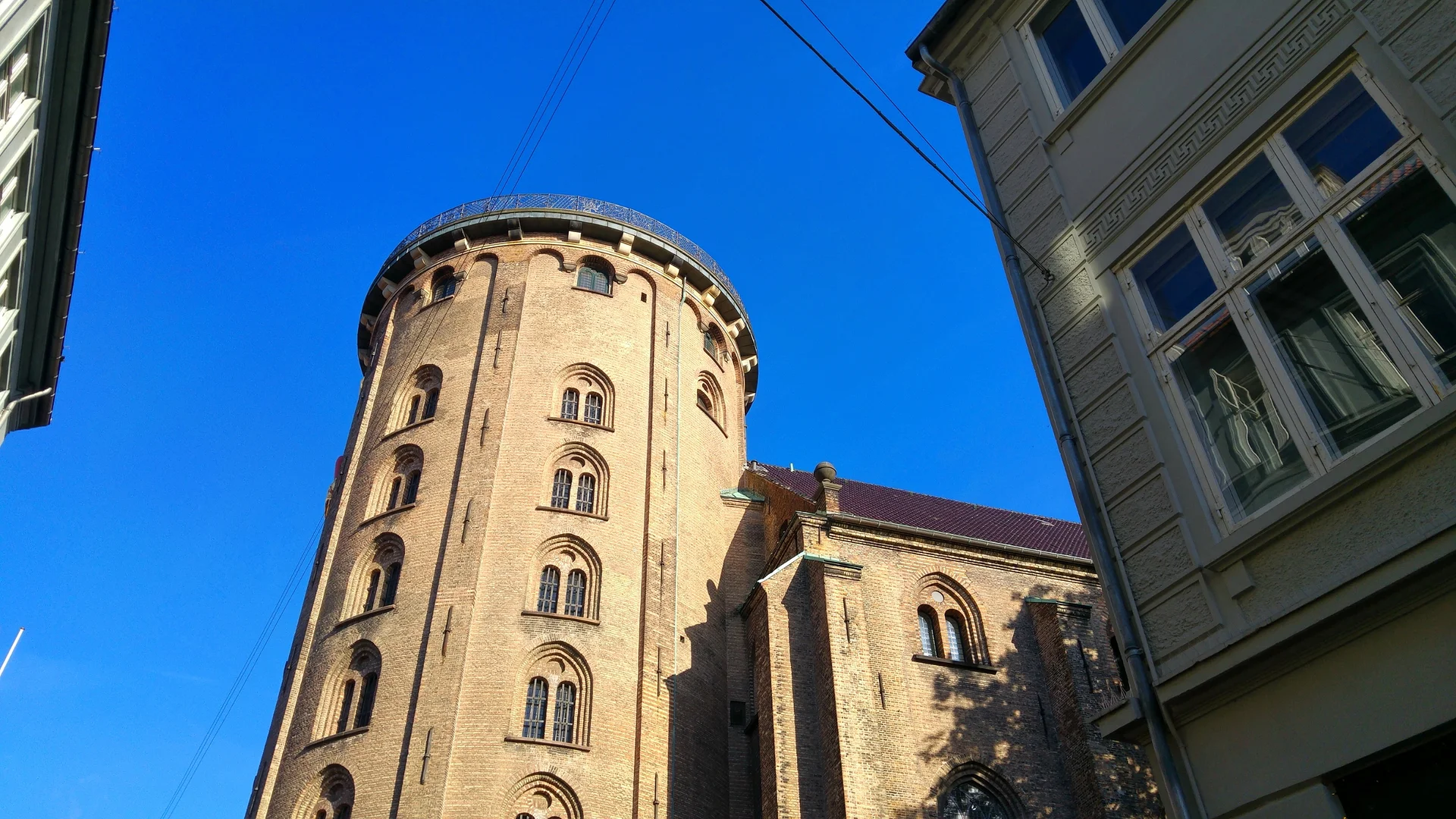
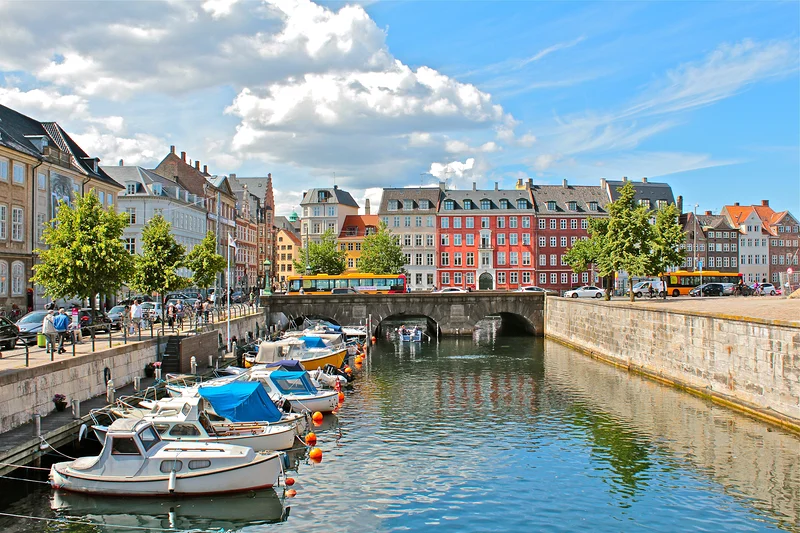
For my part, I really liked the city of Copenhagen. Its typical colorful houses, peaceful atmosphere, and numerous monuments make it a very pleasant city. The only small downside is the cost. Everything is expensive, especially the food and restaurants. Keep that in mind before you go there.