Visiting Denmark: Fairy-Tale Castles, Viking History, and Scandinavian Design
Editorial note, published 09/16/2025
Denmark is the kind of country that catches you off guard. One afternoon you're standing inside a medieval castle that inspired Shakespeare, the next you're sipping coffee in a canal-side café that looks like it was designed by an architect who moonlights as a minimalist painter. It's a small country, compact enough to cover a lot of ground in a single trip, and it pulls together Viking history, clean-lined modern design, and a genuinely relaxed pace of life in a way that few places manage.
Is Denmark the right trip for you?
Denmark works well if you want a trip that's low on chaos and high on quality: elegant cities, coastal scenery, good food, and a culture that doesn't rush you. If you like biking along canals, lingering over meals, and exploring places that feel thoughtfully put together rather than tourist-optimized, you'll be comfortable here.
That said, go in with eyes open. Denmark is expensive, even by Western European standards. Winters are long and dark. And in summer, the most popular spots fill up fast. It rewards travelers who do a little homework before they go.
Copenhagen and the Scandinavian way of life
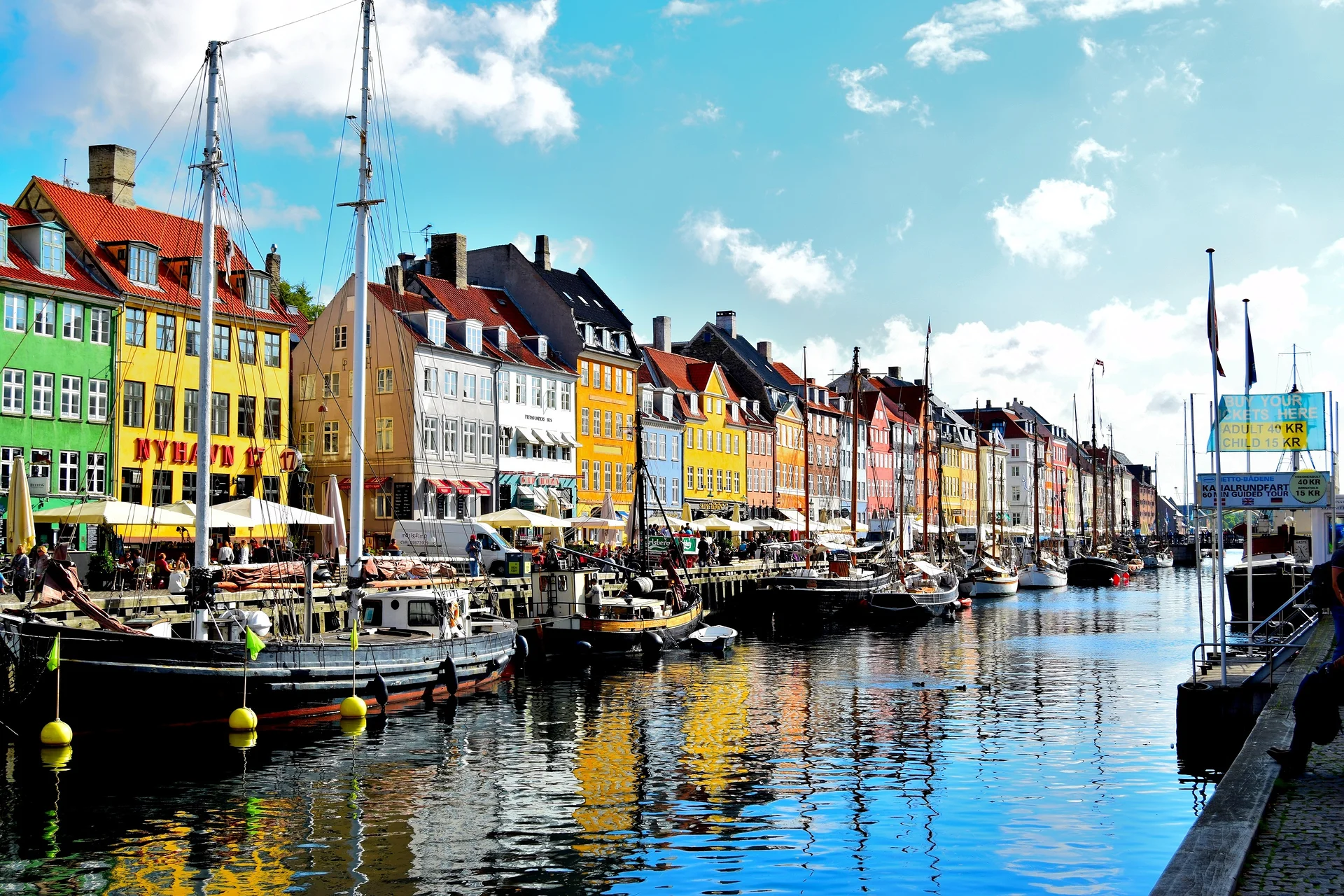
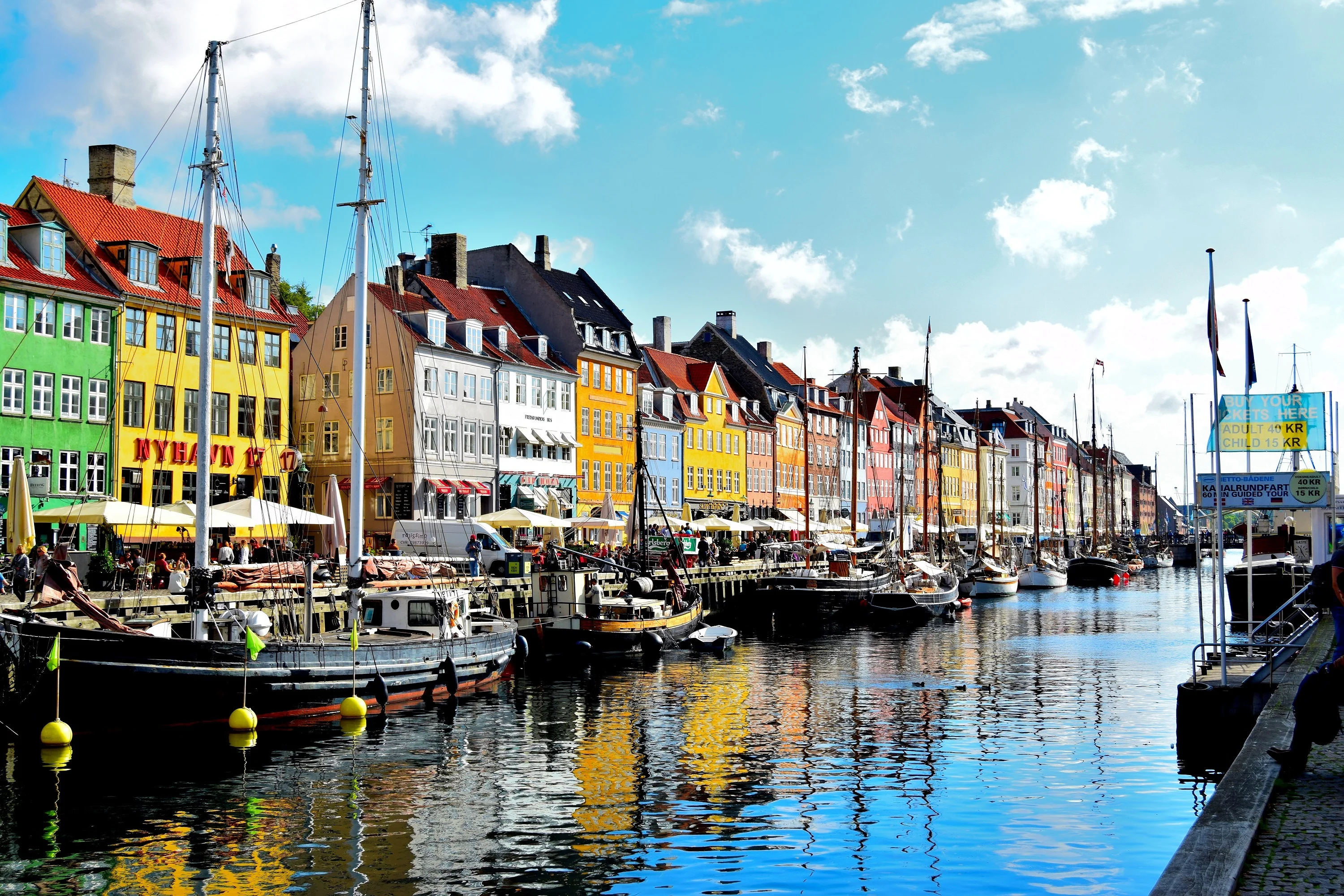
Copenhagen is one of those cities that's easy to fall for quickly. The colored townhouses lining Nyhavn canal are as photogenic as advertised, but the city has real depth beyond the postcard shots: forward-thinking museums, cafés where nobody's in a hurry, and a food scene that punches well above its weight. Most locals get around by bike, and the infrastructure makes it easy for visitors to do the same.
The Christianshavn neighborhood has a laid-back, canal-threaded character that's worth an afternoon. Nearby, Christiania is a self-declared "free town" that's been operating since the 1970s with its own rules and a distinctly alternative vibe. For food lovers, Copenhagen has more Michelin-starred restaurants per capita than almost anywhere in Europe.
Pro tip: Book your museum and monument tickets online before you go. Lines at the major attractions get long in summer, and advance booking is the easiest way to skip them.
Royal castles and Danish history
Denmark takes its royal heritage seriously, and the castles show it. Kronborg Castle, the fortress Shakespeare used as the setting for Hamlet, sits right on the water and is genuinely impressive up close. Frederiksborg Castle, surrounded by formal gardens, looks like something out of a storybook.
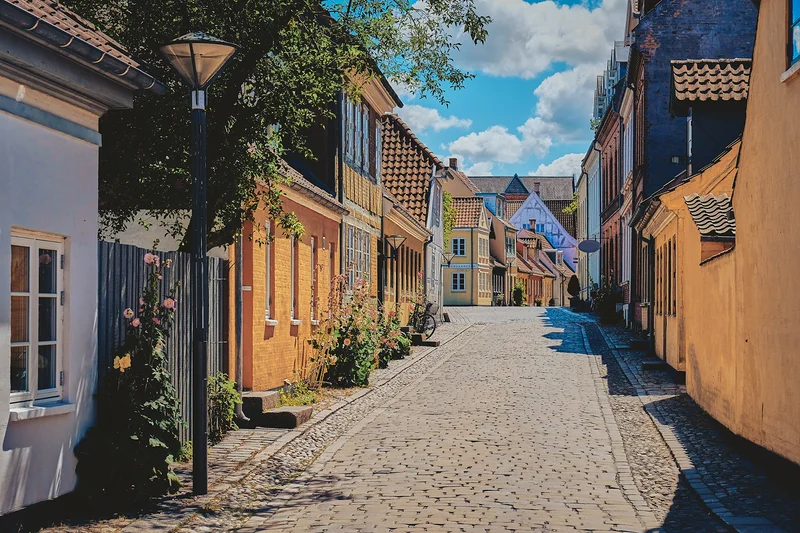
Outside the capital, Odense is worth the detour. It's the birthplace of Hans Christian Andersen, and the city leans into that history in a way that's engaging rather than cheesy. A good stop if you're mixing culture with a bit of old-world atmosphere.
Wild landscapes and quieter islands
Denmark isn't all cities. The white chalk cliffs of Møns Klint rise dramatically above the Baltic Sea and make for a solid half-day hike with views that are hard to find elsewhere in Scandinavia.
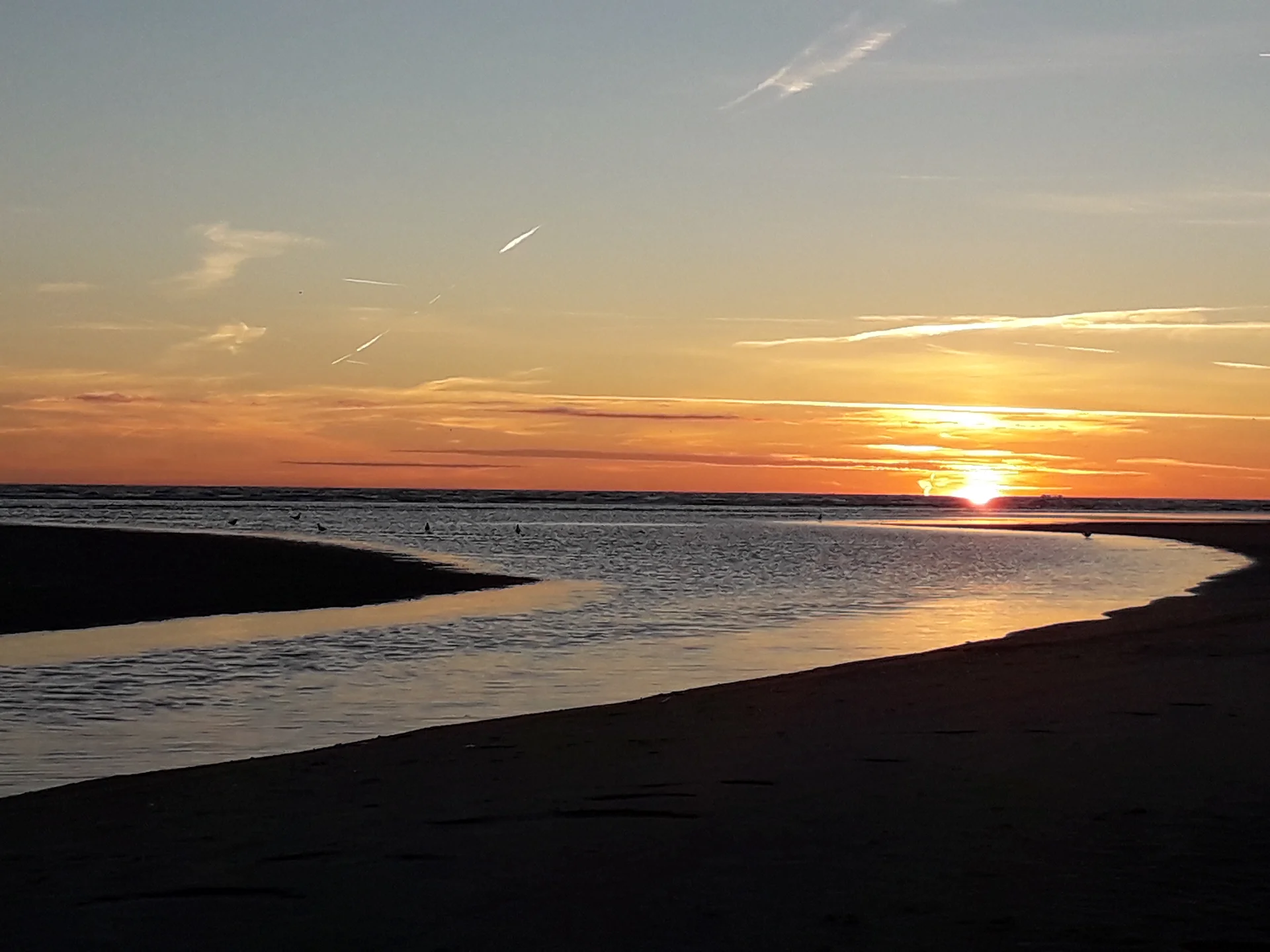
The southern islands, including Ærø, have colorful villages and a pace of life that feels genuinely unhurried. The Jutland Peninsula, which makes up most of Denmark's mainland, has wide Atlantic-facing beaches and wind-swept dunes that feel nothing like the urban Denmark most visitors see first.
Pro tip: Rent a bike to explore the islands. It's the most practical way to get around and makes it a lot easier to strike up conversations with locals along the way.
Design, hygge, and contemporary culture
Danish design has a global reputation, and spending time here makes it obvious why. The aesthetic shows up everywhere, from the furniture in your hotel room to the architecture of public buildings. The Copenhagen Opera House and the Royal Library (known locally as the Black Diamond for its angular granite facade) are two of the more striking examples.
Then there's hygge, the Danish concept that's been written about endlessly but is easier to understand once you're actually here. It's basically the art of making ordinary moments feel good: a hot chocolate on a gray afternoon, a backyard cookout in July, a candlelit dinner with friends. Danes are serious about it, and it shapes the whole atmosphere of the country.
Danish food: from open-faced sandwiches to New Nordic
Danish cuisine goes well beyond the smørrebrød, the open-faced sandwich that comes in dozens of variations and is still a lunchtime staple across the country. Denmark is also one of the main engines behind the New Nordic cuisine movement, where local chefs use hyper-seasonal, locally sourced ingredients in ways that have earned serious international attention.
Day-to-day eating leans on fresh fish, seasonal vegetables, butter-heavy pastries (the "Danish" you get in the US is a pale imitation), and a growing craft beer culture. In Copenhagen, Torvehallerne market is one of the best places to graze through all of it in one stop.
Best time to visit Denmark
May through September is the sweet spot. Days are long, temperatures are mild (think low 70s°F in summer), festivals run regularly, and the country is at its most accessible. Fall brings good foliage and thinner crowds. Winter is cold and dark but has its own appeal, especially in Copenhagen, where Christmas markets and warm-lit cafés make the short days easier to take.
Getting to Denmark from the US
From the US, flying into Copenhagen Airport (CPH) is your most direct option. Several airlines offer nonstop transatlantic service, and the airport is well connected to the rest of the country. No visa is required for US passport holders for stays up to 90 days under the Schengen Agreement, and ESTA is not applicable here since Denmark is not in the EU's ETIAS zone yet. Check current entry requirements before you travel.
If you're combining Denmark with a broader Europe trip, it's also reachable by ferry from Sweden, Germany, and Norway, which is a scenic way to arrive if you're already on the continent.
Getting around Denmark
In cities, a bike is your best friend. Copenhagen in particular has infrastructure that makes cycling genuinely pleasant rather than stressful. The national rail network is reliable and punctual, covering the whole country including the main islands.
For more flexibility, especially if you want to explore rural Jutland or the less-visited islands, renting a car makes sense. Buses fill in the gaps in the network but run slower than trains, so they're better for short local hops than for cross-country travel.