
Visiting Ribe, Denmark’s Oldest Town
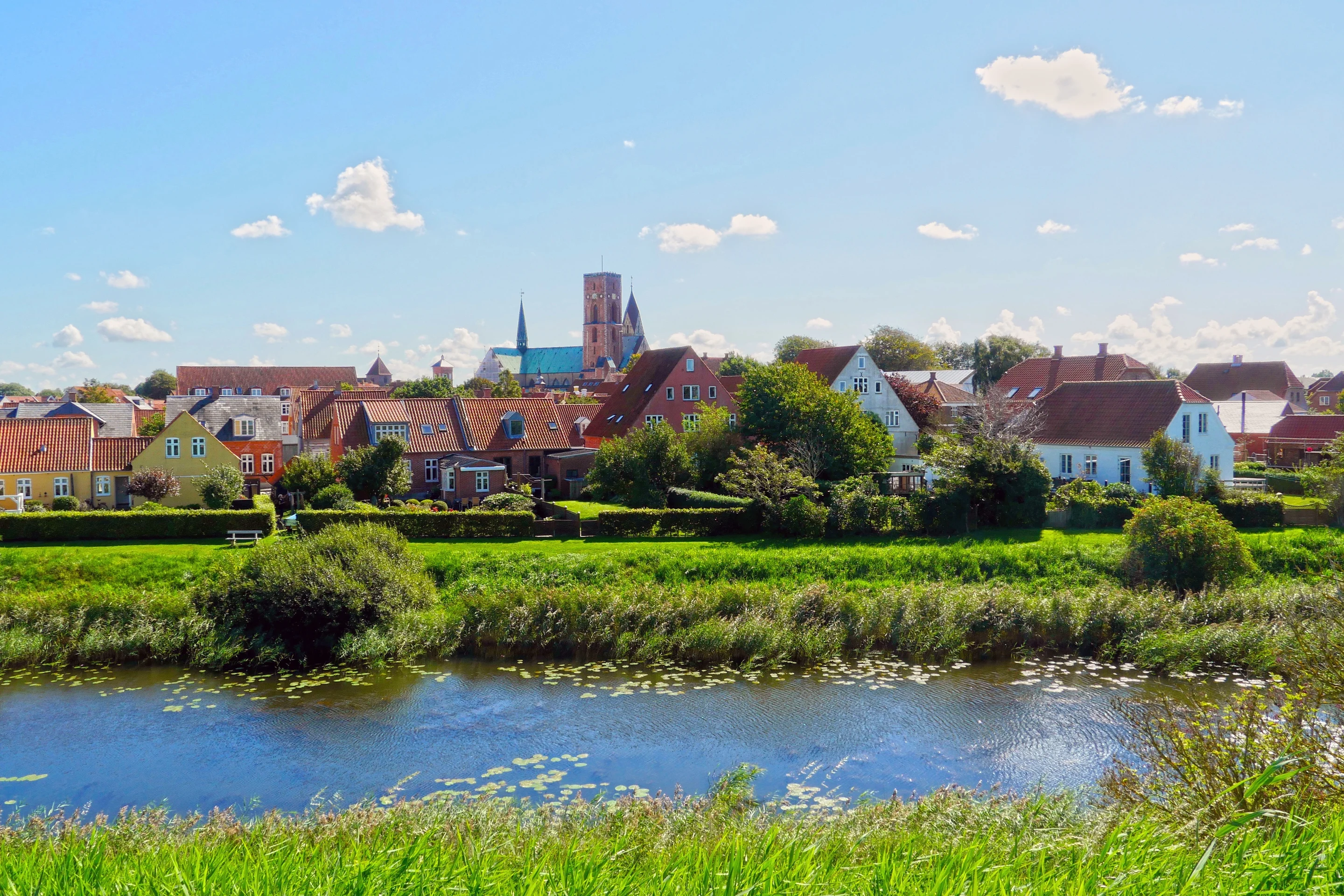
Founded in the early 8th century, Ribe stands as the oldest town in Denmark and a tangible link to the country’s Viking and medieval past. Its appeal lies in its cobblestone alleys, half-timbered houses, and quiet pace, providing a complete contrast to the energy of major Danish cities. With its museums, massive cathedral, and deep-rooted Viking heritage, Ribe is built for travelers who prioritize history and Nordic culture.
The Historic Center and Ribe Cathedral
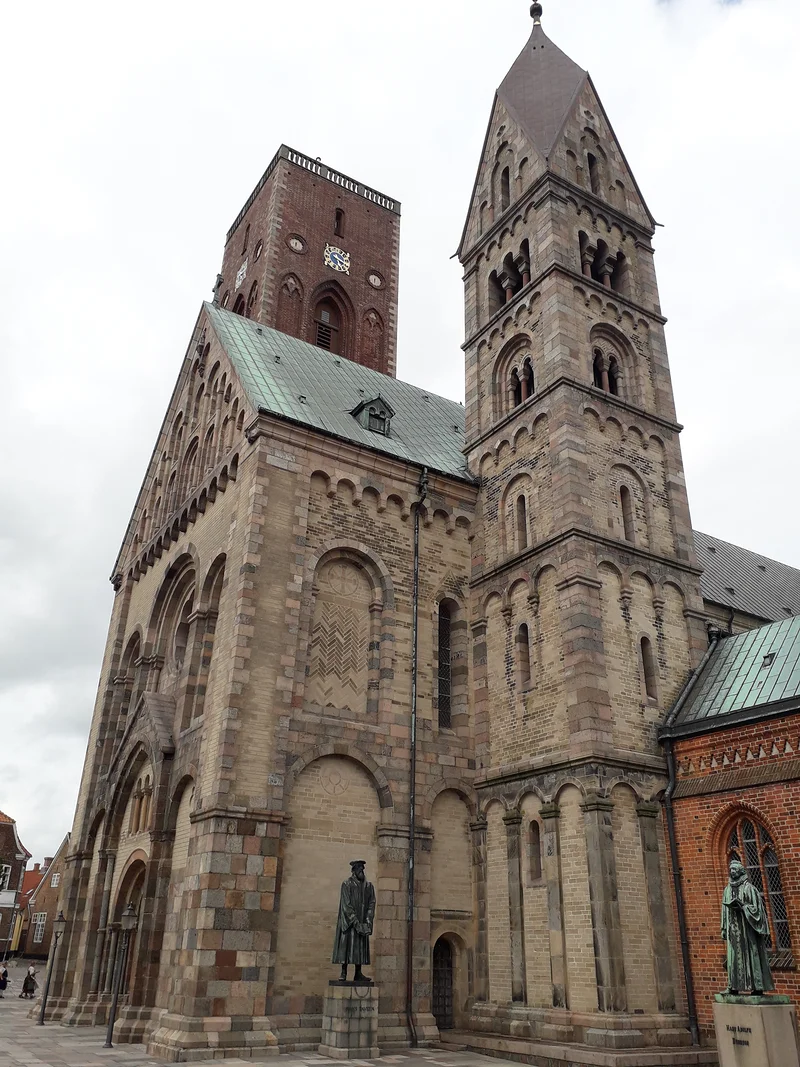
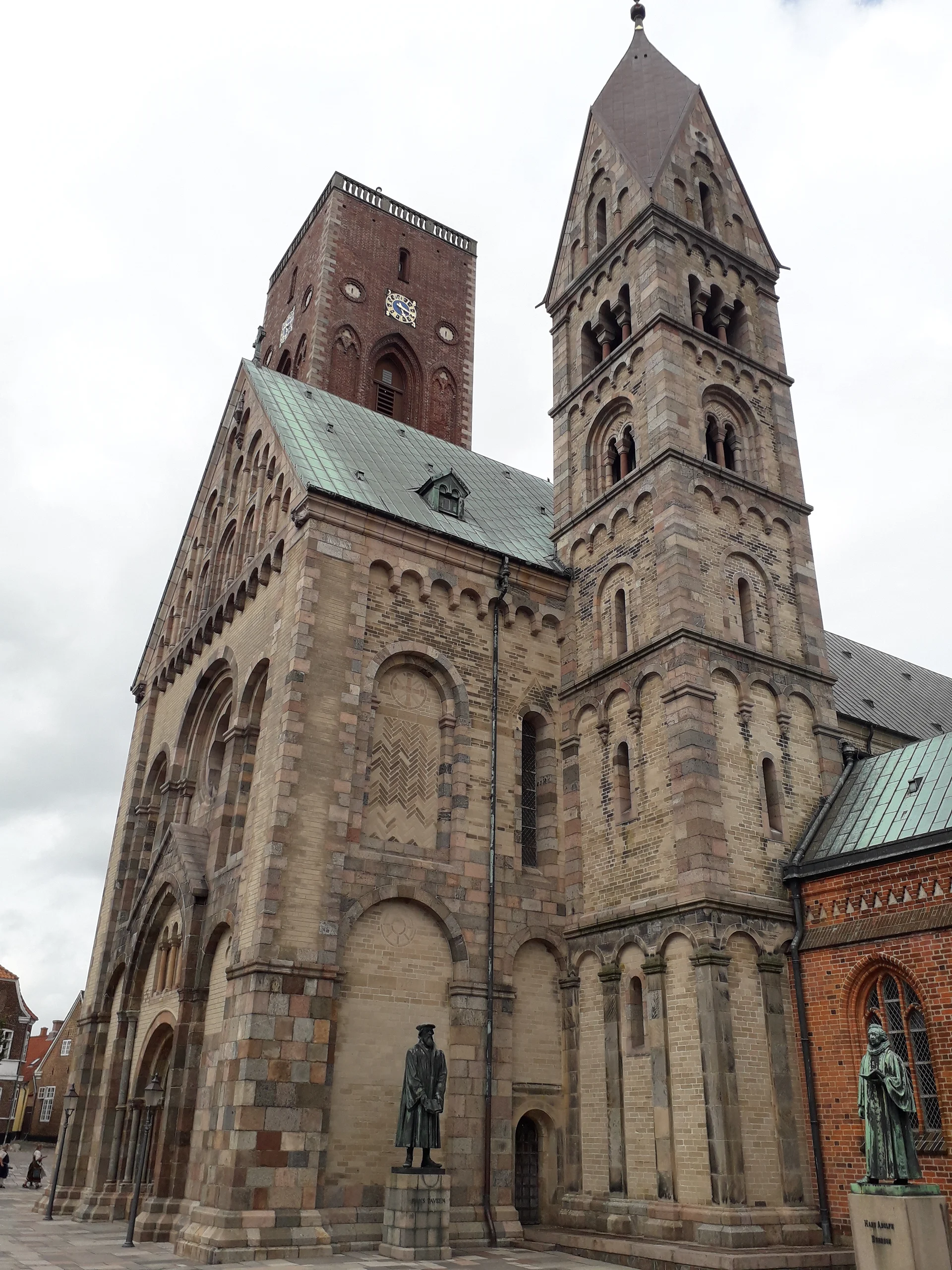
Ribe is a town where time feels suspended. Its historic core is exceptionally well-preserved, featuring centuries-old buildings and narrow streets lined with boutique shops and cafes. The Ribe Cathedral, dating back to the 12th century, is the primary landmark. It is the oldest cathedral in Denmark, and its bell tower provides a panoramic view of the town and the flat plains that stretch toward the coast.
The Viking Museum and Ribe Viking Center
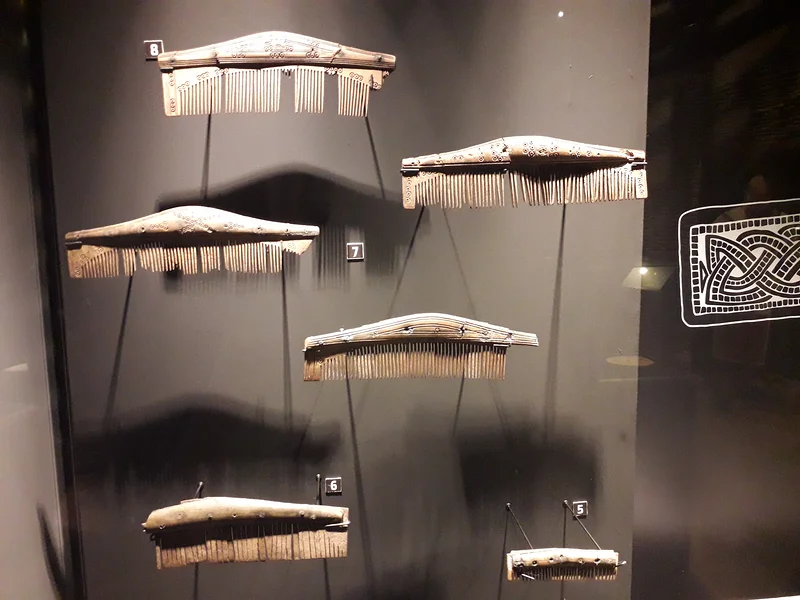
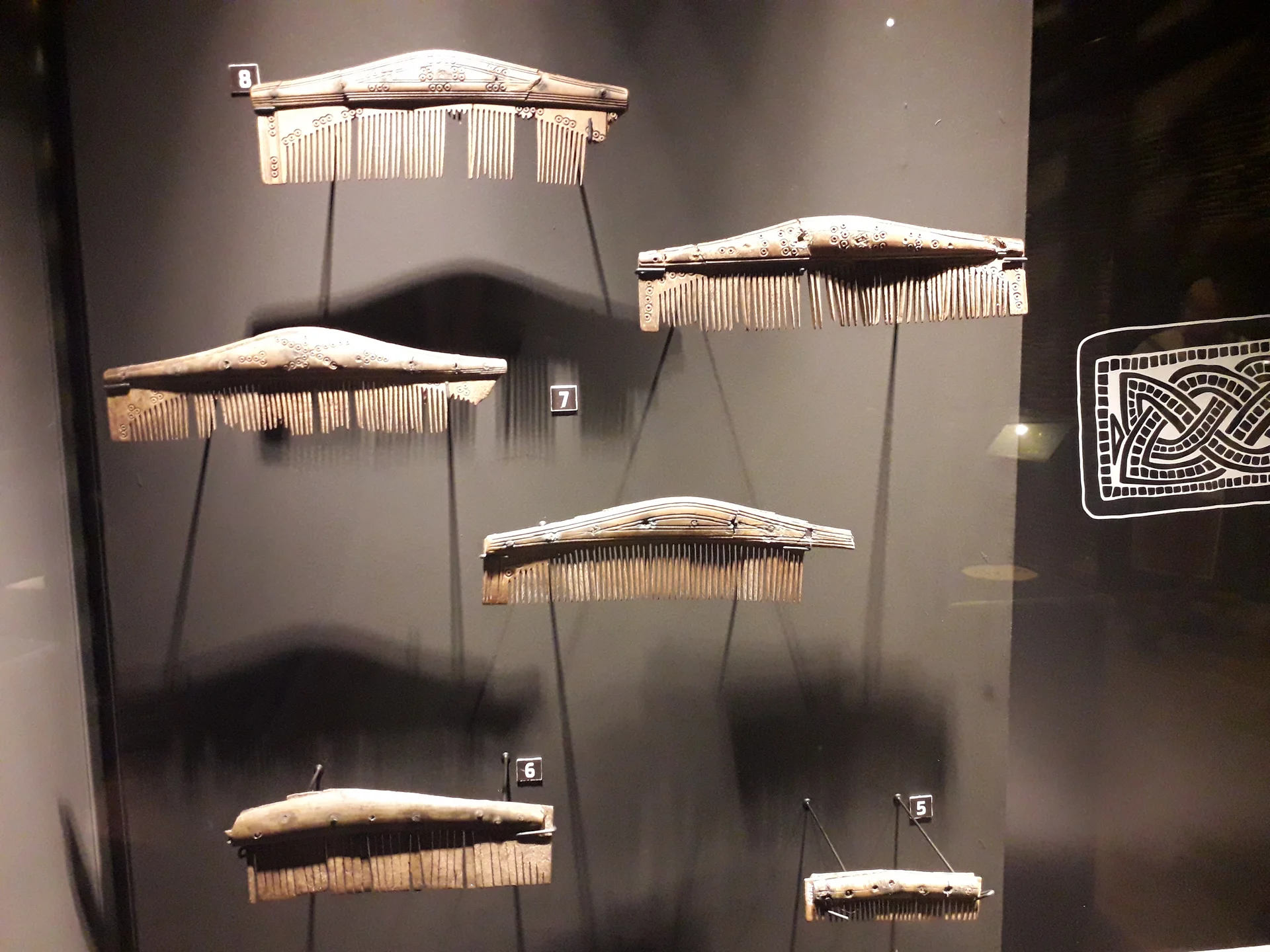
Ribe was once a major Viking port, and that legacy remains front and center. The Viking Museum in Ribe tracks this era through artifacts, scale models, and interactive exhibits. Just a short trip away, the Ribe Viking Center offers a more immersive experience with historical reenactments, craft demonstrations, and combat displays performed by people in period-accurate gear.
The Wadden Sea and Natural Surroundings
A few miles from Ribe, the Wadden Sea National Park, a UNESCO World Heritage site, presents a unique landscape of salt marshes and tidal flats. It is a prime spot for birdwatching and guided hikes across the sandbanks. During migration periods, visitors can witness the sort sol phenomenon, where thousands of starlings create complex, shifting clouds in the sky at sunset.
Traditions and Local Atmosphere
Unlike larger cities such as Copenhagen or Aarhus, Ribe offers a more intimate look at Danish life. Every evening, a night watchman in traditional costume makes his rounds, sharing stories about the town’s history. This ritual, whose roots reach back to the Middle Ages, adds a layer of authenticity to any visit. Local markets and historical festivals also provide opportunities to engage with regional customs.
Nordic and Maritime Flavors
The culinary scene in Ribe reflects both its Viking history and its proximity to the sea. Smørrebrød, an open-faced rye bread sandwich topped with fish or cold cuts, is a local staple. Smoked fish and pickled herring are also common. For a sweet finish, look for kringle, a crown-shaped pastry filled with cinnamon and almonds.
Where to eat?
- Weis Stue (Center). A historic restaurant serving traditional Danish dishes inside a 17th-century building.
- Restaurant Kammerslusen (Wadden Sea). A spot specializing in local ingredients with an expansive view of the surrounding landscape.
- Saelhunden (Center). A small, casual restaurant known for its smørrebrød and smoked fish.
- Quedens Gaard (Center). A cozy cafe popular for its pastries and substantial brunch spreads.
Where to stay?
- Hotel Dagmar (Center). The oldest hotel in Denmark, offering a distinct historic atmosphere.
- Ribe Byferie Resort (Outskirts). A collection of comfortable cottages, well-suited for families.
- Den Gamle Arrest (Center). A former jailhouse converted into a unique hotel.
- Storkesøen Ribe (Outskirts). Nature-focused lodging featuring rental cabins and on-site fishing ponds.
When to go?
Spring and summer are the best times to visit Ribe, as the days are long and temperatures are mild. Autumn is also rewarding for those looking to spot migratory birds in the Wadden Sea park. Winter, while cold, gives the town a fairy-tale quality, especially when the Christmas lights are up.
How to get there?
Ribe is reachable by train from Copenhagen in about 3 hours and 30 minutes. From Aarhus, the trip takes 2 hours. If you are driving, the town is well-connected to the Danish road network and is located near Esbjerg, the main city on the Danish west coast.
How to get around?
The center of Ribe is compact and easily navigated on foot. For trips out to the Wadden Sea or the Viking Center, a local bus service is available. Renting a bicycle is an effective way to explore the surrounding countryside.
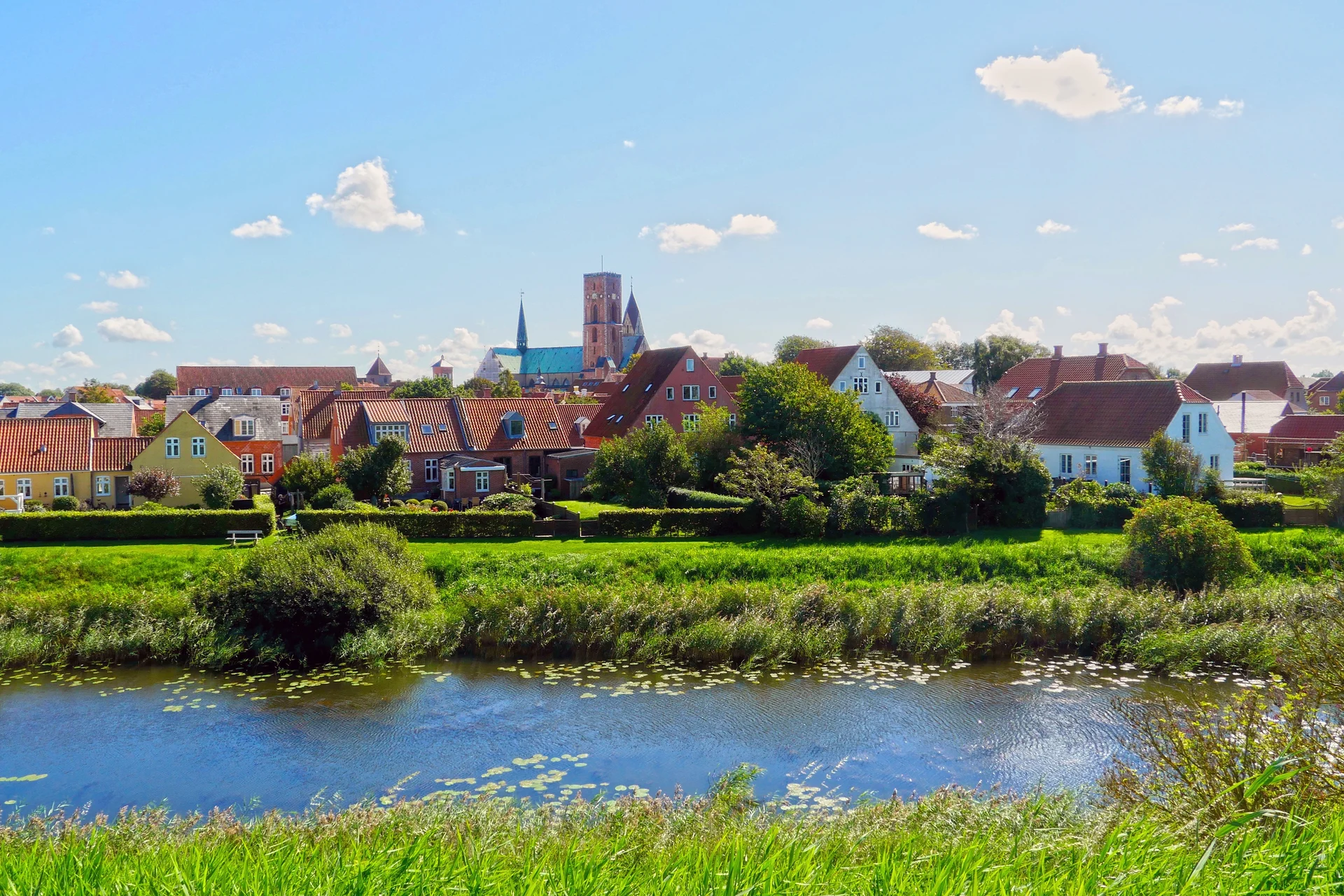
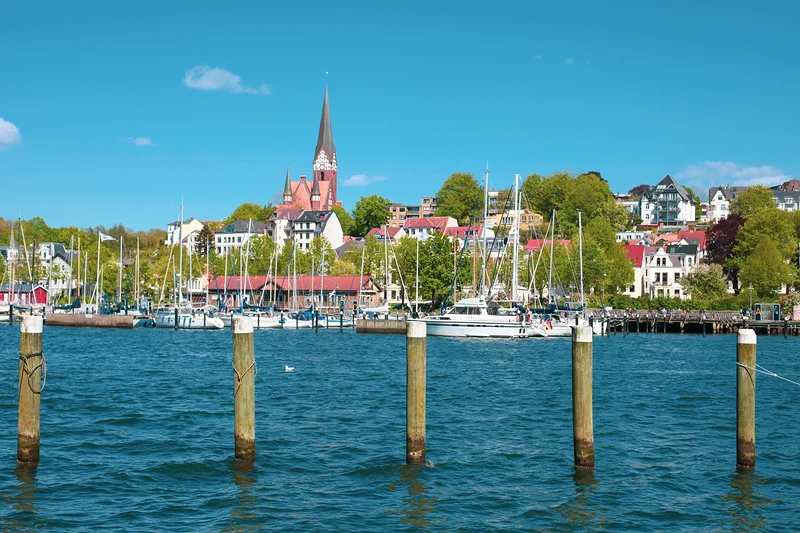
If you are entering Denmark from Germany, whether by train or by car, stop in Ribe to rest. It is a quiet little town surrounded by greenery, a beautiful introduction to the history of Denmark, and a good starting point for visiting the Wadden Sea National Park.