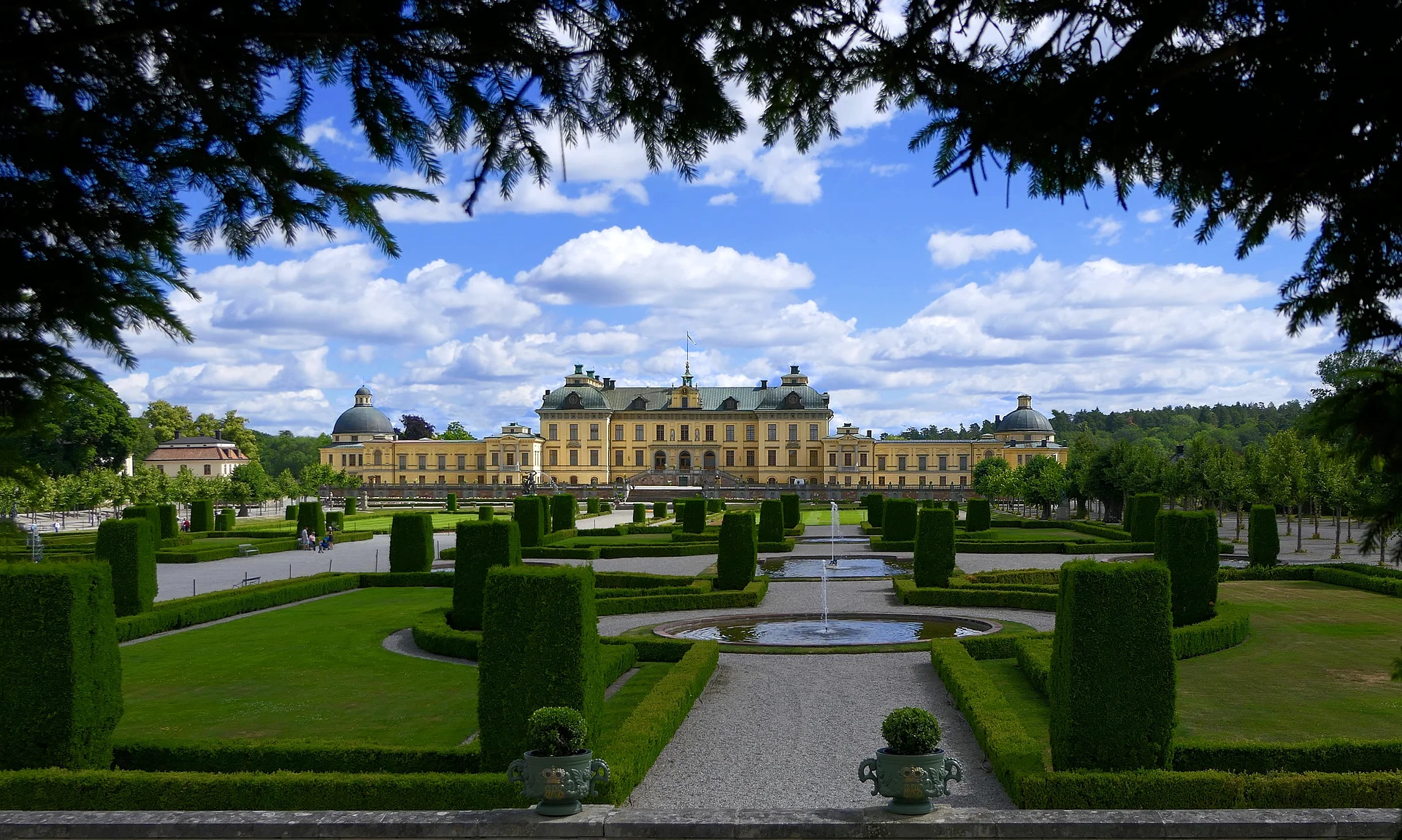
Palais Drottningholm

Things to do in Sweden: 8 must-see attractions

Discover our members' favorite destinations in Sweden, plus reviews, practical info, and traveler photos...

The 4 most beautiful cities to visit in Sweden

Stockholm

#1 Stockholm +41

Stockholm spans fourteen islands across a sprawling archipelago, creating a city defined by its connection to the water. Wander the medieval streets of Gamla Stan, explore the museums on Djurgården, or check out the galleries and street art in the bohemian neighborhood of Södermalm. Ferries and swimming spots are everywhere, giving the city a maritime pace that feels like a more temperate, Nordic version of Seattle.

Gothenburg

#2 Gothenburg +15

Gothenburg is the second-largest city in Sweden, located on the west coast within easy reach of Denmark and Oslo, the capital of Norway. It hits a sweet spot between urban living and wild nature, pairing a walkable downtown with nearby archipelagos that feel like true wilderness, all just a short ferry ride away. As the primary port of Scandinavia, its waterfront has evolved into a hub for modern, cosmopolitan neighborhoods and alternative culture. For a taste of this, check out the Röda Sten art center. And if you have time, stop by the Liseberg amusement park, which is approaching its 100th anniversary.

A Scandinavian city with plenty to offer

Start your trip in the city's nerve center, the Nordstaden district surrounding the Brunnsparken tram stop. Head to the Stadsmuseum (City Museum) to get a handle on local history. Founded in the 17th century by King Charles IX, the city attracted Dutch settlers who designed its early layout, resulting in a network of canals that feels a bit like Amsterdam. At Götaplatsen, make time for the Konstmuseum, the city's fine arts museum, which houses an impressive collection of 19th-century Nordic art. Wander along the harbor until you hit one of the city's quirkiest landmarks, Feskekörka (Fish Church), an indoor market shaped like a place of worship that is actually packed with local fishmongers.

Next, head over to Haga. This former working-class district has preserved its traditional timber-framed Scandinavian architecture. Beyond the student population that frequents its streets, you will find plenty of small shops perfect for a Fika, the traditional Swedish coffee break paired with a pastry. It is a true national institution.

Nature and the sea everywhere you look

Living up to the Swedish reputation for green space, Gothenburg features spots like Slottskogen, a 137-hectare park that even includes a zoo where you might spot a moose. The hike up to Skansen Kronan is also worth the effort for the panoramic views over the city rooftops and the harbor stretching out to the sea.

You cannot visit Gothenburg without exploring the archipelagos. Each island offers opportunities for hiking or swimming in a protected natural environment, dotted with small, picturesque wooden houses. For longer walks, head to Styrsö, one of the largest islands in the chain.

When to go?

Gothenburg is at its best in June and July. The weather is comfortable, and the summer days are incredibly long, with daylight lasting until after 11:00 PM.

How to get there?

Gothenburg has an international airport, making it easily accessible for international travelers. If you are flying in from other major European hubs, expect a flight time of around two hours.

Jönköping

#3 Jönköping +2

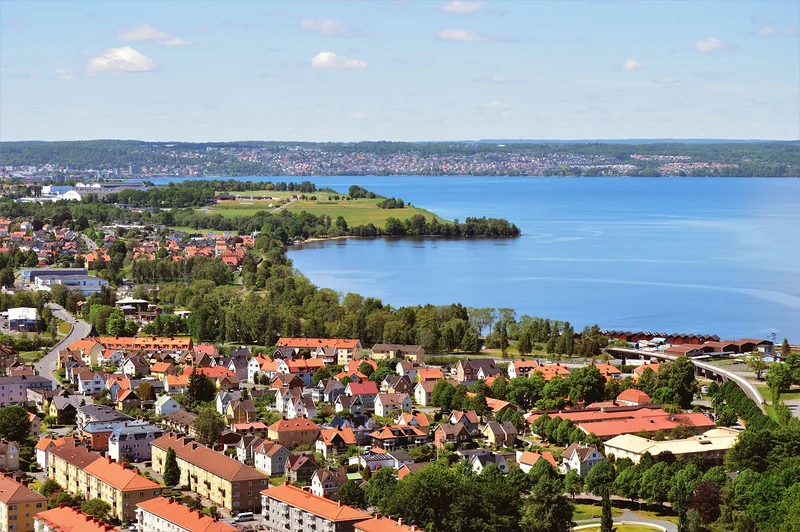
Jönköping sits on the southern shore of Lake Vättern in the province of Småland, Sweden. The city officially joined the Swedish realm in 1284 under a decree from King Magnus III. Its growth surged in the 19th century with the construction of the Göta Canal, which linked the Vänern and Vättern lakes to the country's east coast, transforming the city into a major industrial and commercial hub. In fact, Gustaf Erik Pasch invented the safety match here in 1844. Today, the city maintains a strong academic presence alongside its well-preserved industrial heritage.

Things to do in Jönköping

Jönköping is a mid-sized city with a distinctly Swedish character. Start in the city center to see the Sofiakyrkan (Sophia Church), a neo-Gothic structure typical of the country's Protestant places of worship. From there, head to the former industrial district along the lakefront. It features old brick buildings, some of which have been converted for modern use. This is home to the Tändsticksmuseet (Match Museum), a cultural institute documenting the history of the industry that put the city on the map. You can also visit the Länsmuseet (County Museum) to dive into the history and traditions of the Småland region. To see the city from above, head to Stadsparken, a park with rides and a small wildlife area that offers views over Lake Vättern.

Lake Vättern, a Swedish giant

Jönköping runs along Lake Vättern, the second-largest lake in the country, covering nearly 775 square miles. It stretches 75 miles long and 19 miles wide. You can walk along the shore or go for a swim, and rentals for canoes, kayaks, and paddleboards are readily available.

Don't miss Visingsö island, reachable from the charming town of Gränna with its picturesque wooden houses. Located about 25 miles east of Jönköping, Gränna connects to the island via a ferry that makes the trip every 25 minutes. Legend says the island was created by a giant who threw a clump of dirt into the water so his partner could cross the lake without getting wet. Visingsö is a quiet, rural spot that feels like a classic slice of Sweden. It was a significant site during the medieval era and still holds ruins of old castles and even prehistoric remains.

When to go

Plan your trip for spring or summer. The weather is milder, and the days are much longer. The Midsommar (Midsummer) celebrations at the end of June are a prime time to experience local traditions.

Getting there

Jönköping is located in the center of Sweden, roughly between Stockholm and Göteborg. It is well connected by car, train, and bus, making it an easy stop on a broader tour of the country.

Malmö

#4 Malmö +2

Malmö is the third-largest city in Sweden, located in the southern region of Scania. Once a hub driven by the herring trade in the Middle Ages, its roots run deep. Some of the oldest human settlements in Scandinavia were discovered nearby in Segebro, with archaeological evidence dating back to 9000 BC. The city has a complex history marked by territorial conflicts between Sweden and Denmark. By the mid-19th century, it was at the forefront of the Industrial Revolution, notably becoming one of the first cities to be connected by rail when the Lund-Malmö line opened in 1856.

A Medieval Foundation

While Malmö has deep historical roots, its modern growth is tied to its connection with Copenhagen. The construction of one of Europe's longest bridges created the Öresund region, a massive cross-border conurbation. A major landmark is the Malmöhus fortress, a medieval castle surrounded by a moat. Today, it houses the city museum and an art gallery, all set within a vast park inaugurated in 1872 by King Oscar II.

The city center is defined by its canals and historic squares. Head to Lilla Torg, a compact, charming square lined with bars and restaurants. Nearby stands the Saint Peter's Church, a 14th-century Gothic structure featuring flying buttresses and a ceiling decorated with original medieval frescoes.

Stortorget serves as Malmö's oldest public square, where you can admire 16th-century architecture, including the grand city hall. From there, walk down Södergatan, the city's main pedestrian shopping street. For culture, the Form/Design Center is housed in a beautiful timber-framed building, and the Modern and Contemporary Art Museum is another essential stop.

A Symbol of Future Urbanism

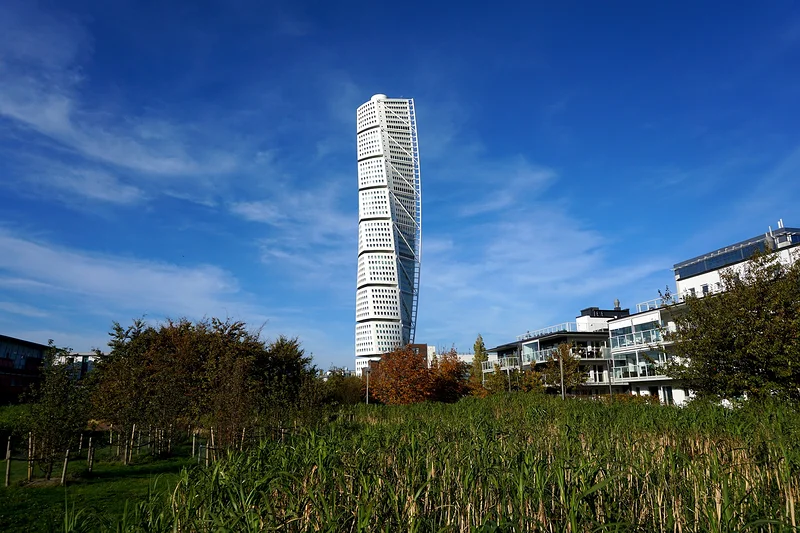
Malmö has become a testing ground for sustainable urban planning. The Västra Hamnen eco-district runs entirely on renewable energy. This is also the location of the Turning Torso, a striking twisting skyscraper that rises 190 meters into the skyline.

Continue your walk along the Ribersborg waterfront, which features a two-kilometer-long beach and a saltwater pool for a refreshing dip. For green space, the Folket's Park offers plenty of attractions, while the more tranquil Pildamm Park is centered around scenic ponds.

When to Go

The best time to visit is during the spring and summer months. If you are there in late August, the city hosts a large music festival.

How to Get There

Malmö has its own airport, Malmö-Sturup Airport, though it generally serves regional traffic rather than long-haul international flights. Most travelers arrive via Copenhagen, crossing the Öresund Bridge by car, train, or bus. Once you arrive, do as the locals do and rent a bike, as the city boasts 490 kilometers of dedicated cycling paths.

Ranking of the 4 activities selected by our editors in Sweden

#1 Royal Palace of Stockholm (Stockholm) +7 4

The Royal Palace of Stockholm, or Kungliga Slottet, has served as the residence of the Swedish royal family since the 18th century. This Italian Baroque building features interiors by French artists. Construction took 74 years, finishing in 1771. Today, you can explore two museums, the crown jewels, a church, a library, and ornate salons.

See the guide See deals

#2 Riddarholmen Church (Stockholm) +7 3

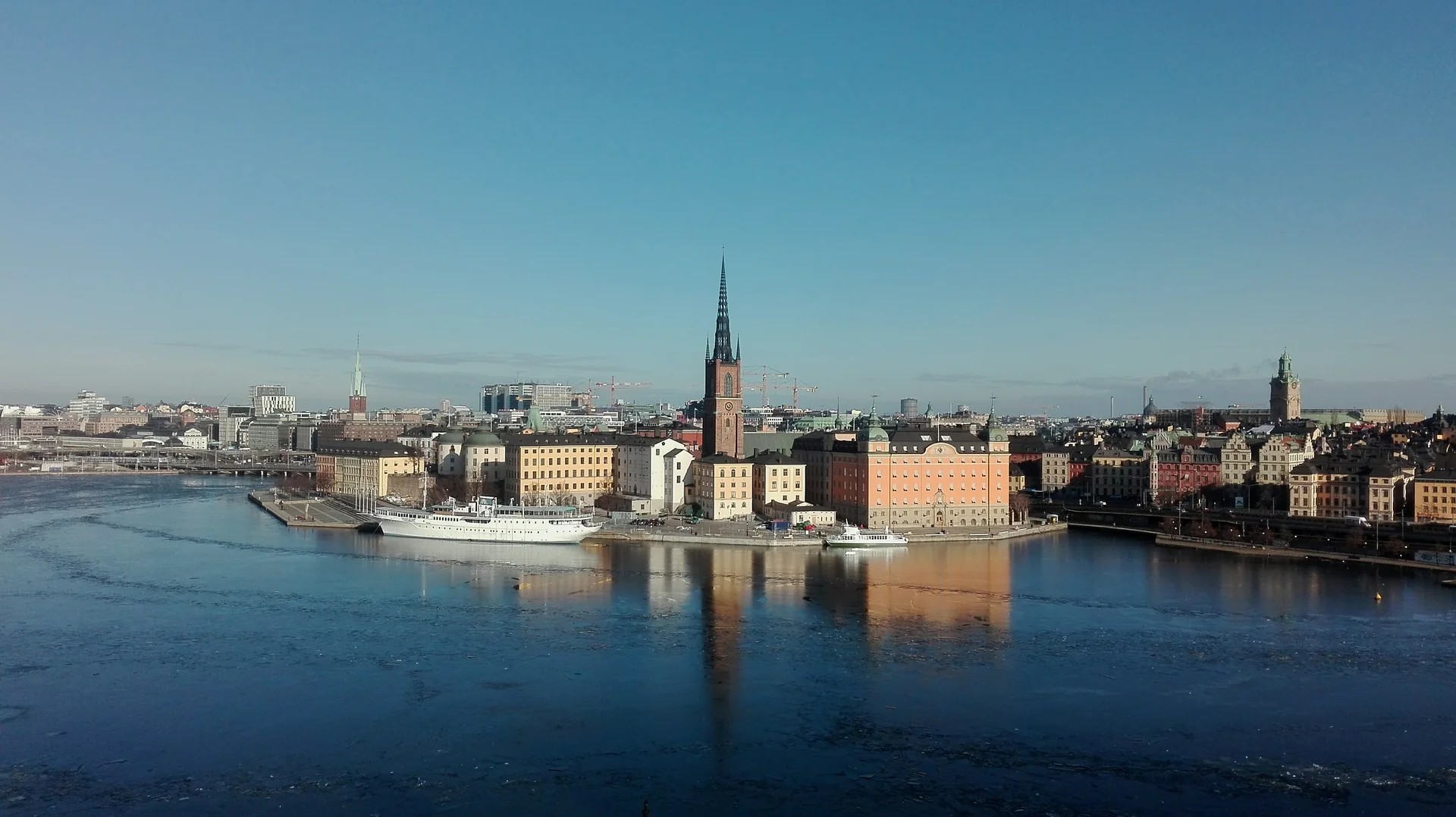
Located near Gamla Stan, the old town of Stockholm, on the quiet little island of the knights, Riddarholmen Church is the only medieval religious building remaining in the capital. It served as the royal necropolis for Swedish monarchs until the 1950s. The island, fortified by Gustav Vasa, offers a view overlooking the famous City Hall. Do not miss the statue of the city founder, Duke Birger Jarl, located on the north pillar.

Surrounded by colorful palaces, the elegant red brick Gothic architecture serves as a landmark. Note the cast iron bell tower dating from 1840, the 100-meter-tall spire made of iron and concrete, and the small turrets above the side chapels.

Built in the 13th century, it was part of an abbey complex where Franciscan monks lived for nearly 300 years before it was converted into a Protestant church. You will find 17 royal tombs distributed across the Gustav Adolf, Caroline, and Bernadotte chapels. The most notable include those of the son of Birger Jarl, Magnus III of Sweden, whose reign saw the church construction, Charles VIII of Sweden, who was also King of Norway, Gustavus Adolphus, nicknamed the Lion of the North, and Frederick I of Sweden, who was also Prince of Finland. Several royal spouses are also interred here.

Beyond the tombs, you can view the coats of arms of the knights of the Order of His Majesty the King, also known as the Royal Order of the Seraphim, which line the walls. This order includes high-ranking foreign dignitaries like Charles de Gaulle or Francois Mitterrand. You can purchase your entry ticket online. Note that admission is free with the Stockholm Card and available at a reduced rate when combined with a visit to the Royal Palace. Since Riddarholmen Church is no longer a place of worship, concerts are held here regularly, so check the schedule in advance.

#3 Nordic Museum (Stockholm) +7 5

The Nordic Museum, or Nordiska Museet to locals, was the vision of Arthur Hazelius. Founded in 1893, this institution showcases Swedish life across generations. The building, designed by Isak Gustaf Clason, is a Danish Renaissance masterpiece. Explore exhibits on fashion, crafts, and food in Stockholm on an island home to a zoo and park.

See the guide See deals

#4 Skansen (Stockholm) +2 5

Skansen in Stockholm sits on the island of Djurgården. This open-air museum preserves Swedish rural history. It features 150 buildings, from peasant shacks to noble estates, relocated here for authenticity. The grounds also host a zoo with 70 local species like lynx, reindeer, otters, and bears. It has hosted a massive Christmas market since 1903.

See the guide See deals-7%AVYGEO7

Visiting Sweden: The Country of Lagom and Open Horizons

In the same week, you could be nursing a hot coffee in a design-forward Stockholm café, retreating to a wood cabin on a frozen lake, and then watching the northern lights ripple across a Lapland sky. Sweden pulls off that combination better than anywhere else on earth: genuinely creative cities sitting right next to wilderness that goes on forever, all held together by a national philosophy of balance and just-enough-ness called lagom.

Is Sweden the Right Trip for You?

Sweden is a strong fit if you like hiking, cycling, Scandinavian architecture, contemporary museums, or sleeping somewhere unusual. Hikers and outdoor types will find more trail than they can cover in a lifetime. That said, be ready for sticker shock: Sweden is expensive, and some of the best scenery is genuinely hard to reach without a car.

This is not strictly a cold-weather destination either. Swedish summers are mild and long, with daylight that barely quits and a full calendar of outdoor festivals. But the weather changes fast, so pack a rain jacket regardless of when you go.

Stockholm, the Island Capital

Stockholm is built across fourteen islands connected by bridges, and the water is never far from view. Start in Gamla Stan, the medieval old town with ochre facades and cobblestone alleys that look like they belong in a fairy tale. From there, walk to Stadshuset, the city hall where the Nobel Prize banquet is held every year, and take in the view over Riddarfjärden bay.

The Moderna Museet is one of the better modern art museums in northern Europe. The Vasamuseet is in a category of its own: it houses a 17th-century warship that sank on its maiden voyage and was pulled from the harbor nearly intact. Between sights, stop for fika, the Swedish ritual of coffee and something sweet, usually a cinnamon roll. It is not optional. It is a way of life.

Insider tip: In Stockholm, the Stockholm Pass pays for itself fast. It covers public transit and entry to a long list of museums, which makes a real dent in what can otherwise be a very expensive day of sightseeing.

Malmö and the Cosmopolitan South

Malmö sits just across the water from Copenhagen, and the city has the energy to match its location. The Turning Torso, a twisting skyscraper that has become the city's signature landmark, anchors a waterfront where design studios and green spaces share the same block. Walk Stortorget, the main square, or head to Malmöhus, a 16th-century fortress that now holds several museums under one roof.

The pace here is noticeably relaxed. The canals are worth exploring by boat, and parks like Kungsparken give you room to breathe. The Øresund Bridge connects Malmö directly to Copenhagen in about 35 minutes by train, making it easy to combine both cities in one trip.

Gothenburg and the West Coast

Sweden's second-largest city, Gothenburg, has a reputation for being the friendlier, more laid-back alternative to Stockholm. The harbor area anchors the city, and parks like Slottskogen give you a genuine break between museum visits. The Konstmuseum and the floating maritime museum are both worth your time.

Gothenburg is also your jumping-off point for the west coast. Head north and you hit a string of fishing villages with painted wooden houses stacked along rocky shores: Fjällbacka and Smögen are the ones most worth stopping for. Fresh seafood, red boathouses, and the gray-green waters of the Skagerrak make for a very different Sweden than the one most visitors picture.

Insider tip: Gothenburg is one of the most bike-friendly cities in Sweden. The cycling infrastructure is well thought out, and the rental system is affordable, making two wheels the smartest way to cover the city.

Nature and Swedish Traditions

Outside the cities, Sweden opens up fast. In the far north, Lapland is where you go for the northern lights, snowfields that stretch to the horizon, snowshoe treks, dog sledding, and nights in an ice hotel. It is about as far from a typical city break as you can get, and that is exactly the point.

Further south, the island of Öland draws families with long sandy beaches and UNESCO-protected nature reserves. The contrast with the dense forests of central Sweden is striking: those forests are full of mirror-still lakes and timber cabins, ideal for a few days of genuine quiet.

Insider tip: If you want to experience Sweden the way locals actually do, rent a stuga, a traditional lakeside cabin. Simple, unplugged, and completely authentic.

Swedish Food: Local Ingredients, Nordic Flavors

Swedish cooking leans heavily on what the land and sea produce: smoked fish, meatballs, potatoes, and wild berries. Gravlax, salmon cured with dill, is the dish most worth seeking out. Herring shows up in more preparations than you might expect, from pickled to fried to creamed, and it is genuinely good when done right.

A smörgåsbord is the Swedish take on a spread: a long table of small dishes you work through at your own pace. And then there is fika again. Twice a day, in neighborhood cafés across the country, Swedes stop what they are doing for coffee and a pastry. The cinnamon roll is the classic, but the ritual matters as much as what is on the plate.

When to Go to Sweden

May through September is the sweet spot for most travelers. The weather is mild, the days are long (almost absurdly so in June), and hiking, cycling, and festivals are all in full swing. Winter is harsh but genuinely rewarding if you are after northern lights or snow activities. Spring and fall are quieter and wetter, but you get the country largely to yourself.

Getting to Sweden

From the US, you will almost always connect through a European hub before landing in Stockholm, Gothenburg, or Malmö. Within Europe, direct flights are plentiful. You can also reach Sweden by train through Copenhagen via the Øresund Bridge, or by ferry from Germany, Poland, or Finland if you want a slower, more scenic approach.

Getting Around Sweden

The train network is solid and connects the major cities efficiently. For anything off the beaten path, a rental car is your best option: roads are well-maintained and there are no tolls on most routes. In cities, cycling is the fastest and cheapest way to get around. Buses fill in the gaps everywhere else. One thing to know: pedestrians and cyclists have the right of way, and drivers actually respect it.
Find the best deals to travel to Sweden

Hotels and stays Flights Car rentals Custom trips

Top photos posted by members

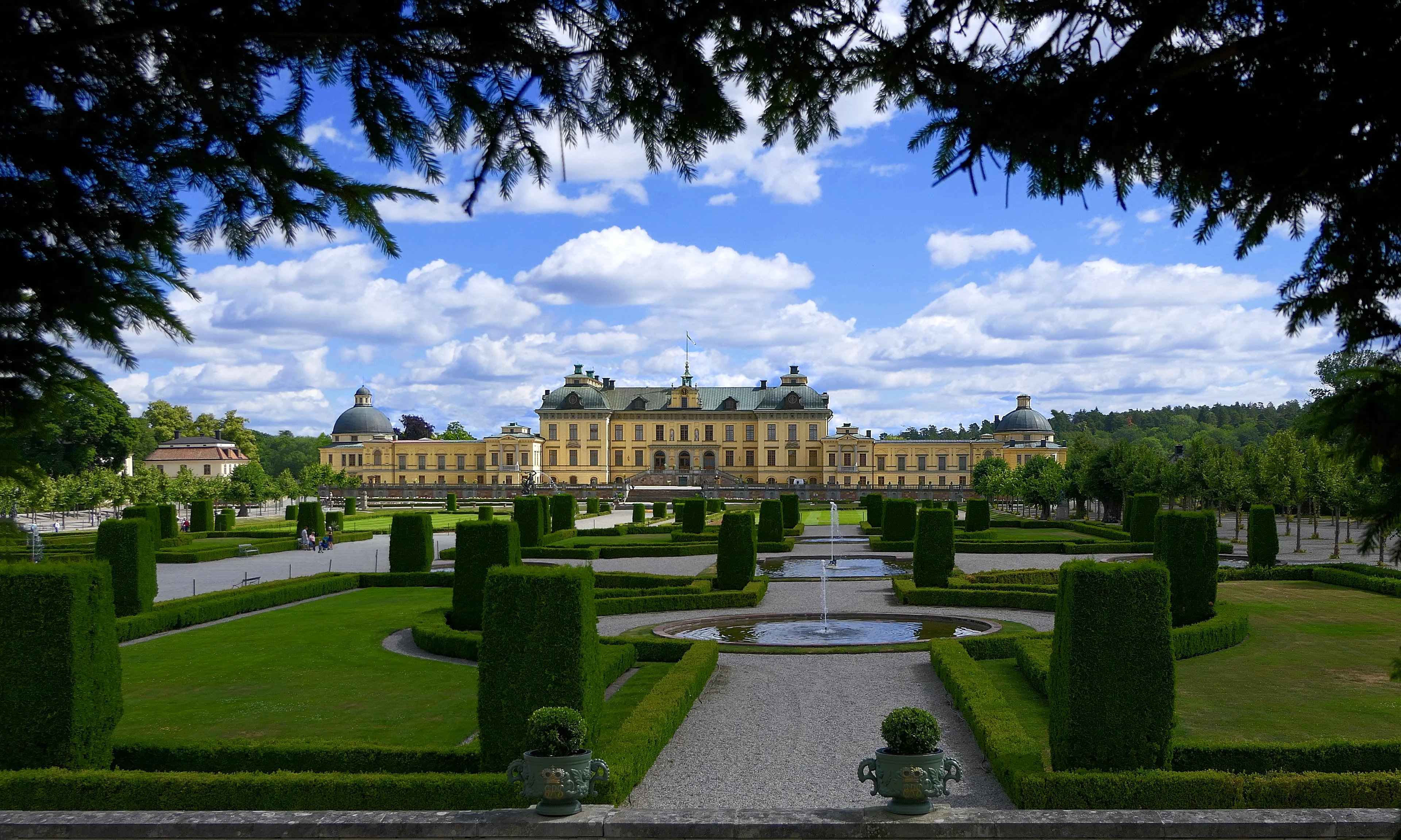
Palais Drottningholm
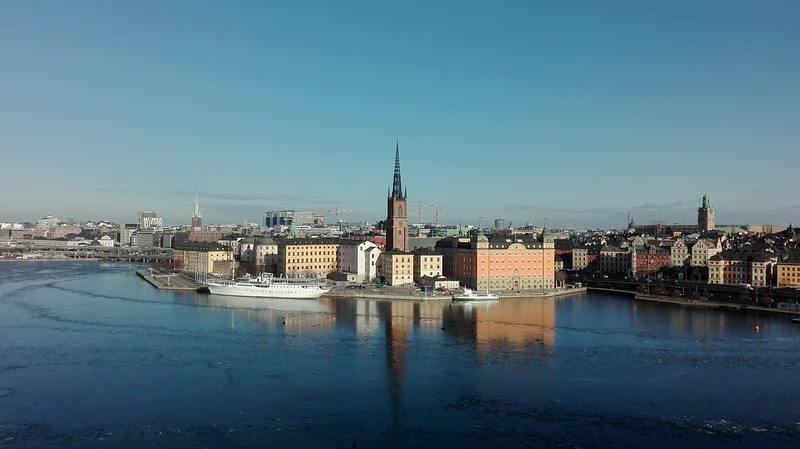
Centre de Stockholm
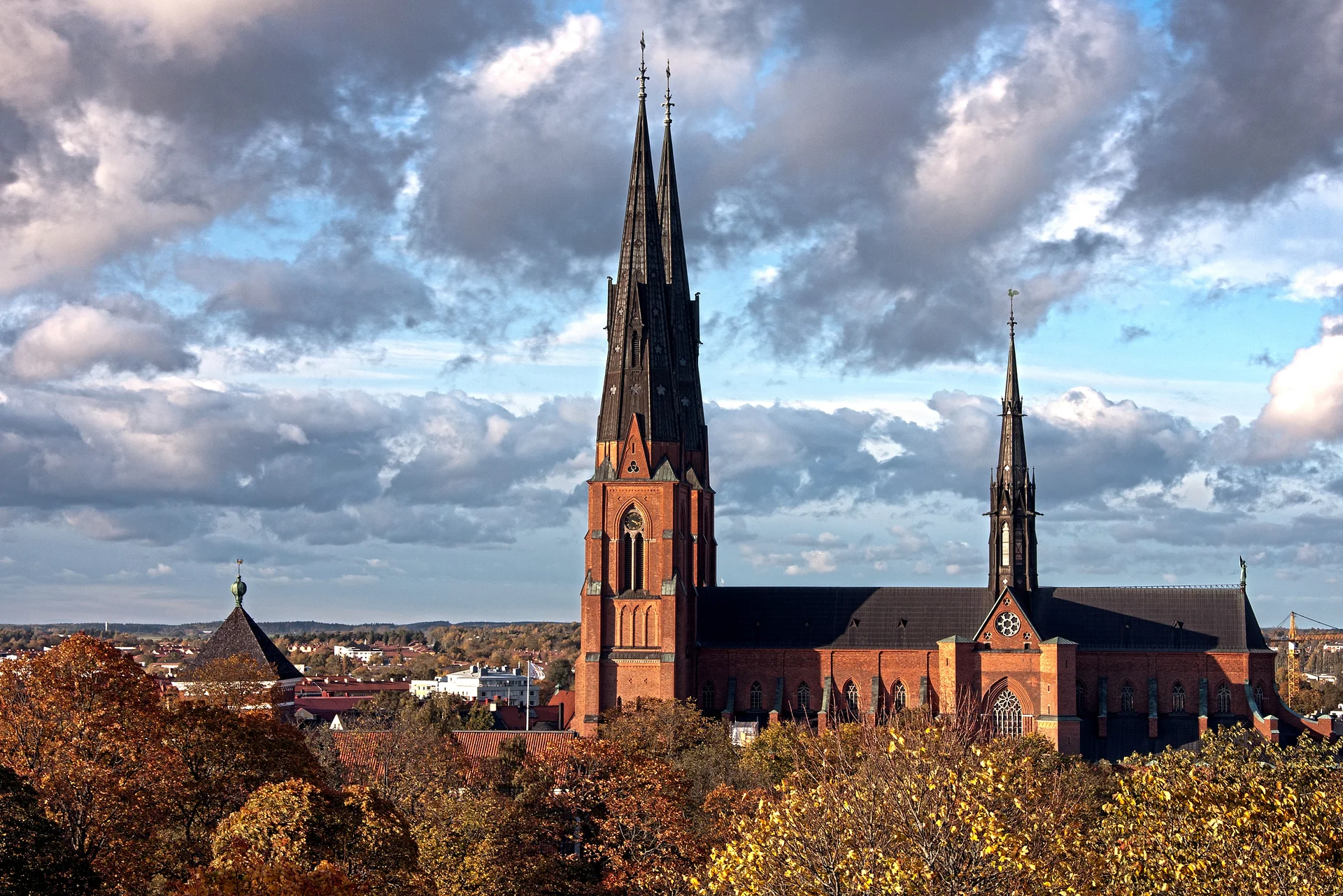
Uppsala