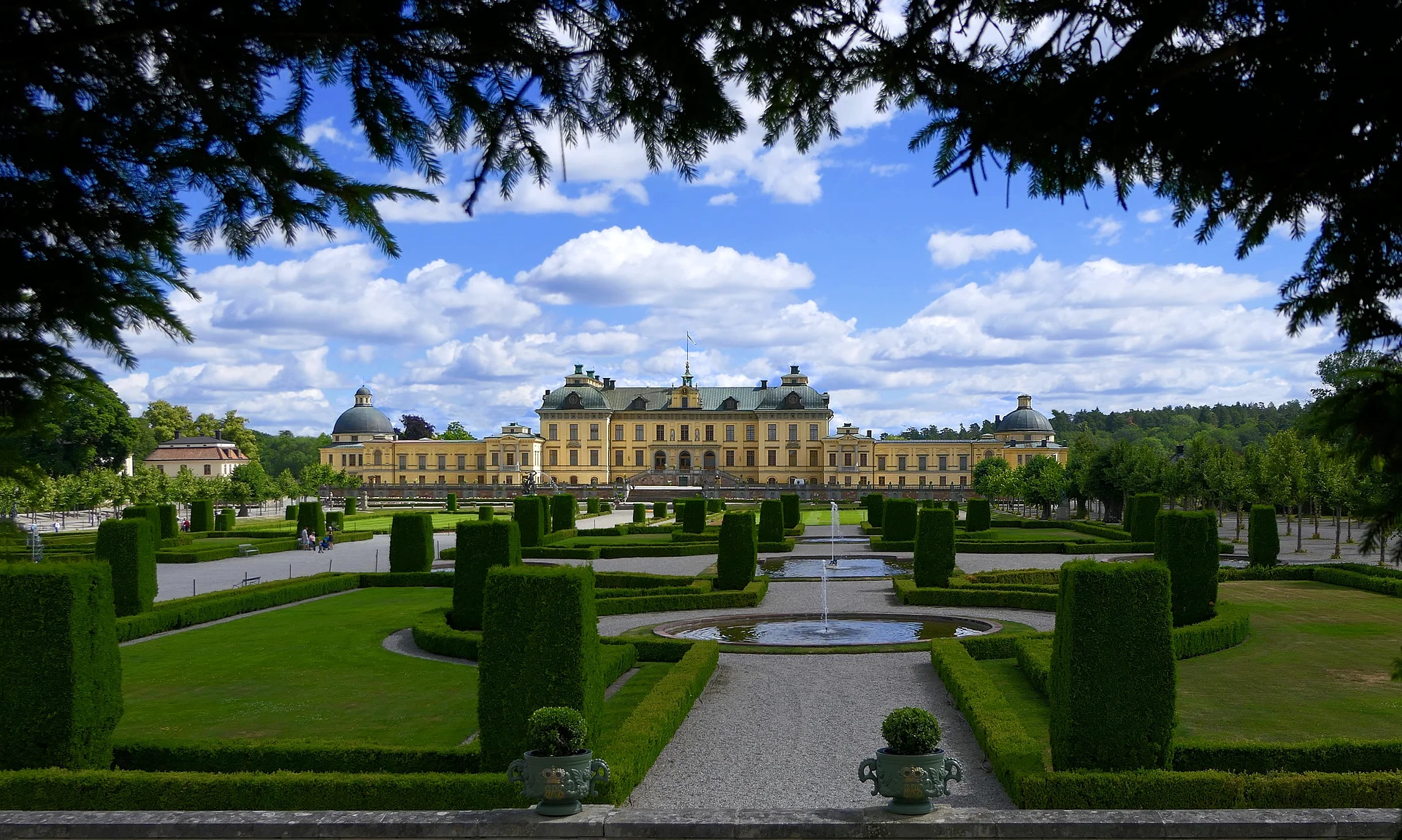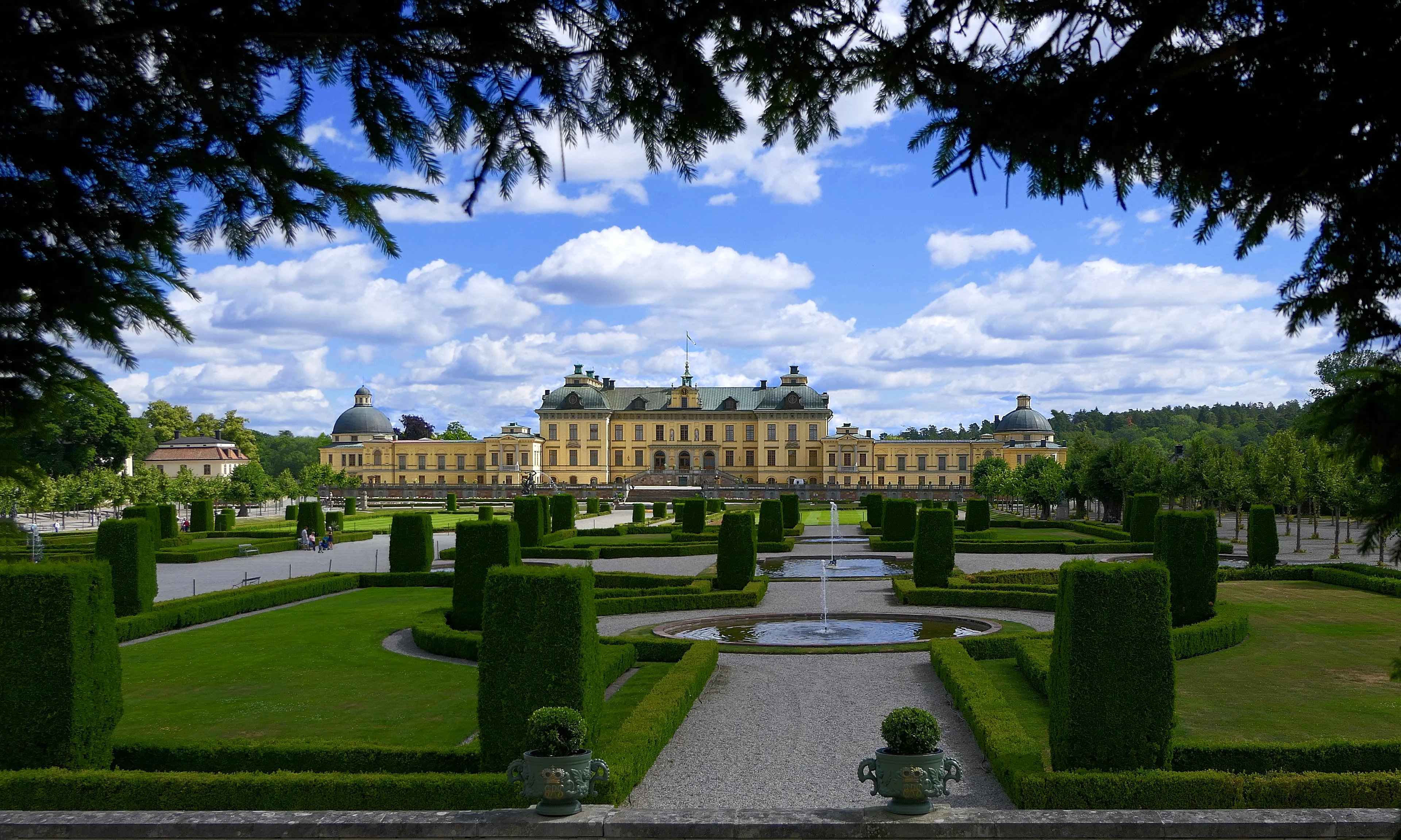
Visiting Sweden: The Country of Lagom and Open Horizons
In the same week, you could be nursing a hot coffee in a design-forward Stockholm café, retreating to a wood cabin on a frozen lake, and then watching the northern lights ripple across a Lapland sky. Sweden pulls off that combination better than anywhere else on earth: genuinely creative cities sitting right next to wilderness that goes on forever, all held together by a national philosophy of balance and just-enough-ness called lagom.
Is Sweden the Right Trip for You?
Sweden is a strong fit if you like hiking, cycling, Scandinavian architecture, contemporary museums, or sleeping somewhere unusual. Hikers and outdoor types will find more trail than they can cover in a lifetime. That said, be ready for sticker shock: Sweden is expensive, and some of the best scenery is genuinely hard to reach without a car.
This is not strictly a cold-weather destination either. Swedish summers are mild and long, with daylight that barely quits and a full calendar of outdoor festivals. But the weather changes fast, so pack a rain jacket regardless of when you go.
Stockholm, the Island Capital
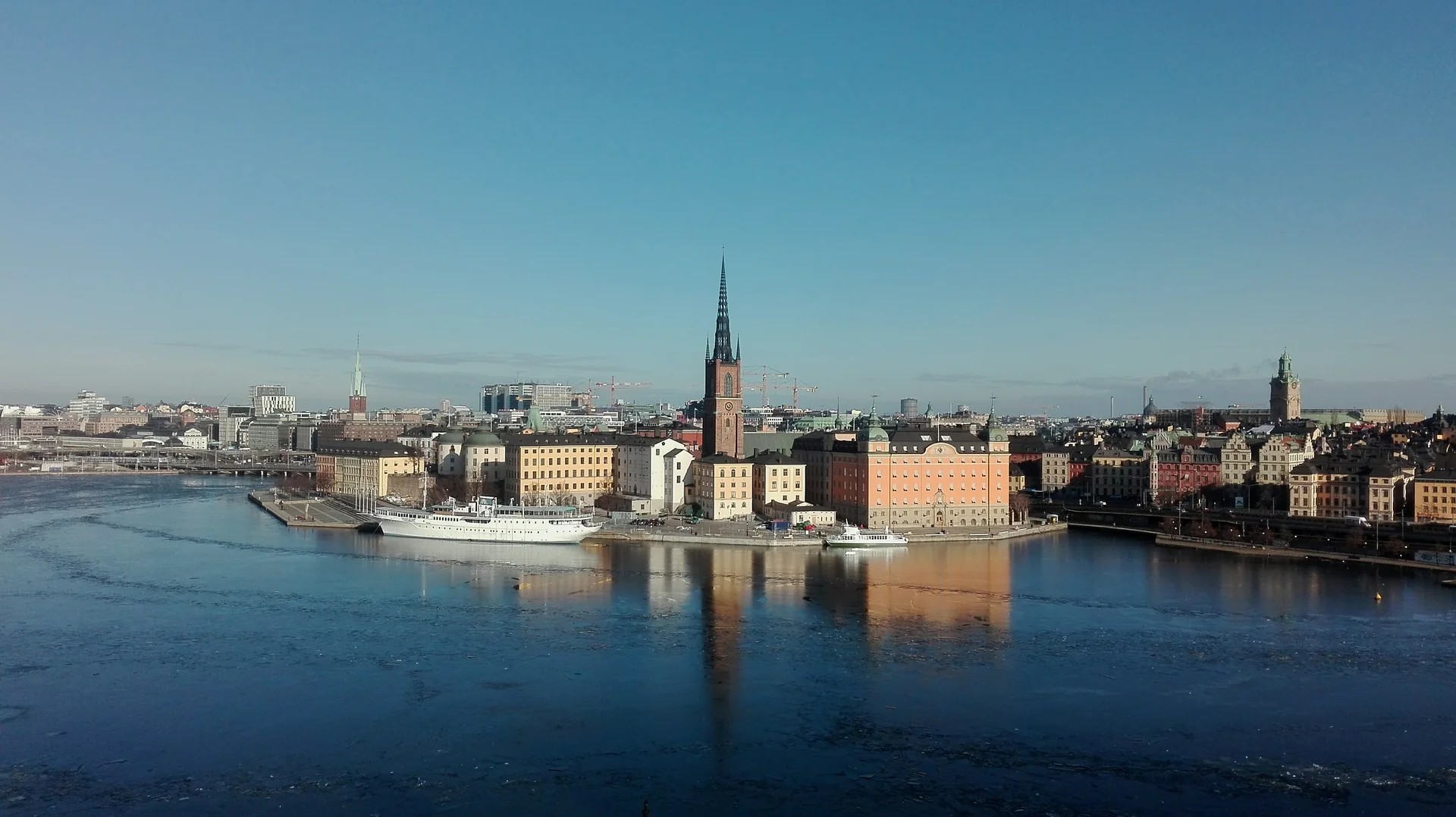
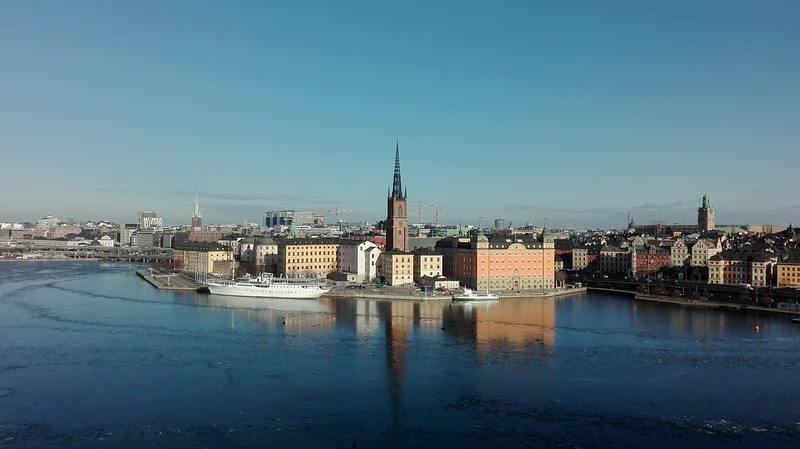
Stockholm is built across fourteen islands connected by bridges, and the water is never far from view. Start in Gamla Stan, the medieval old town with ochre facades and cobblestone alleys that look like they belong in a fairy tale. From there, walk to Stadshuset, the city hall where the Nobel Prize banquet is held every year, and take in the view over Riddarfjärden bay.
The Moderna Museet is one of the better modern art museums in northern Europe. The Vasamuseet is in a category of its own: it houses a 17th-century warship that sank on its maiden voyage and was pulled from the harbor nearly intact. Between sights, stop for fika, the Swedish ritual of coffee and something sweet, usually a cinnamon roll. It is not optional. It is a way of life.
Insider tip: In Stockholm, the Stockholm Pass pays for itself fast. It covers public transit and entry to a long list of museums, which makes a real dent in what can otherwise be a very expensive day of sightseeing.
Malmö and the Cosmopolitan South
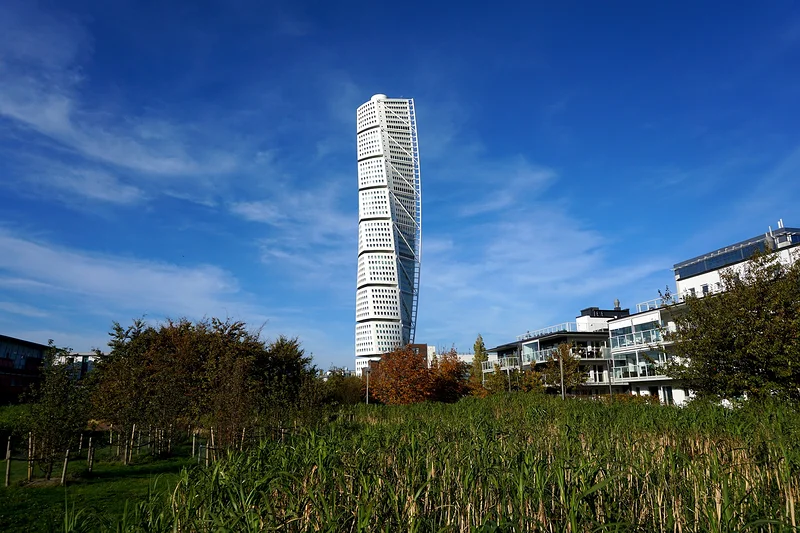
Malmö sits just across the water from Copenhagen, and the city has the energy to match its location. The Turning Torso, a twisting skyscraper that has become the city's signature landmark, anchors a waterfront where design studios and green spaces share the same block. Walk Stortorget, the main square, or head to Malmöhus, a 16th-century fortress that now holds several museums under one roof.
The pace here is noticeably relaxed. The canals are worth exploring by boat, and parks like Kungsparken give you room to breathe. The Øresund Bridge connects Malmö directly to Copenhagen in about 35 minutes by train, making it easy to combine both cities in one trip.
Gothenburg and the West Coast
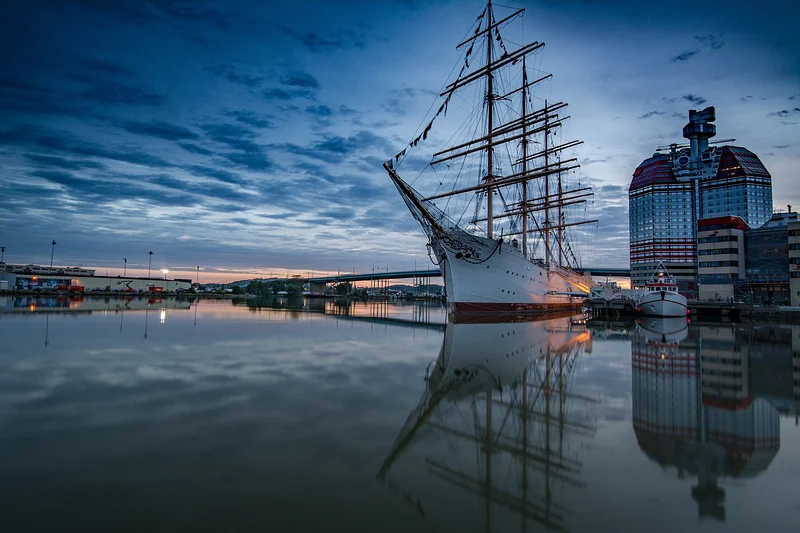
Sweden's second-largest city, Gothenburg, has a reputation for being the friendlier, more laid-back alternative to Stockholm. The harbor area anchors the city, and parks like Slottskogen give you a genuine break between museum visits. The Konstmuseum and the floating maritime museum are both worth your time.
Gothenburg is also your jumping-off point for the west coast. Head north and you hit a string of fishing villages with painted wooden houses stacked along rocky shores: Fjällbacka and Smögen are the ones most worth stopping for. Fresh seafood, red boathouses, and the gray-green waters of the Skagerrak make for a very different Sweden than the one most visitors picture.
Insider tip: Gothenburg is one of the most bike-friendly cities in Sweden. The cycling infrastructure is well thought out, and the rental system is affordable, making two wheels the smartest way to cover the city.
Nature and Swedish Traditions
Outside the cities, Sweden opens up fast. In the far north, Lapland is where you go for the northern lights, snowfields that stretch to the horizon, snowshoe treks, dog sledding, and nights in an ice hotel. It is about as far from a typical city break as you can get, and that is exactly the point.
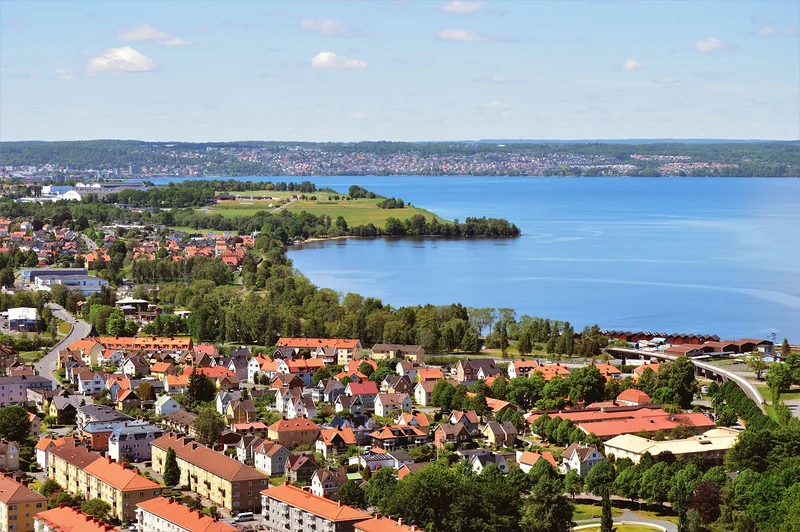
Further south, the island of Öland draws families with long sandy beaches and UNESCO-protected nature reserves. The contrast with the dense forests of central Sweden is striking: those forests are full of mirror-still lakes and timber cabins, ideal for a few days of genuine quiet.
Insider tip: If you want to experience Sweden the way locals actually do, rent a stuga, a traditional lakeside cabin. Simple, unplugged, and completely authentic.
Swedish Food: Local Ingredients, Nordic Flavors
Swedish cooking leans heavily on what the land and sea produce: smoked fish, meatballs, potatoes, and wild berries. Gravlax, salmon cured with dill, is the dish most worth seeking out. Herring shows up in more preparations than you might expect, from pickled to fried to creamed, and it is genuinely good when done right.
A smörgåsbord is the Swedish take on a spread: a long table of small dishes you work through at your own pace. And then there is fika again. Twice a day, in neighborhood cafés across the country, Swedes stop what they are doing for coffee and a pastry. The cinnamon roll is the classic, but the ritual matters as much as what is on the plate.
When to Go to Sweden
May through September is the sweet spot for most travelers. The weather is mild, the days are long (almost absurdly so in June), and hiking, cycling, and festivals are all in full swing. Winter is harsh but genuinely rewarding if you are after northern lights or snow activities. Spring and fall are quieter and wetter, but you get the country largely to yourself.
Getting to Sweden
From the US, you will almost always connect through a European hub before landing in Stockholm, Gothenburg, or Malmö. Within Europe, direct flights are plentiful. You can also reach Sweden by train through Copenhagen via the Øresund Bridge, or by ferry from Germany, Poland, or Finland if you want a slower, more scenic approach.
Getting Around Sweden
The train network is solid and connects the major cities efficiently. For anything off the beaten path, a rental car is your best option: roads are well-maintained and there are no tolls on most routes. In cities, cycling is the fastest and cheapest way to get around. Buses fill in the gaps everywhere else. One thing to know: pedestrians and cyclists have the right of way, and drivers actually respect it.