

London, a metropolis of a thousand villages
Deep in the subway, a musician plays the cello on the platform of the Northern Line. Outside, the rain has just stopped, and the scent of wet asphalt mingles with the smell of fish and chips from a nearby pub. This constant juxtaposition of the refined and the common, the old and the new, defines this city better than any postcard of Big Ben ever could.
A capital that divides as much as it fascinates
This city is a perfect fit for curious travelers who enjoy walking, museum lovers, and British pop culture enthusiasts. Fans of theater, live music, and street food will find an endless playground here. If you are looking for a total change of scenery or vast natural landscapes, however, you will not find them in London.
Prices are high, the weather is fickle, and distances can be daunting. But most of the major museums are free, the public transit network functions remarkably well, and the cultural diversity offers experiences that are impossible to replicate elsewhere in Europe.
Ideal destination for:
- History buffs, museum-goers, and culture seekers
- Fans of theater, live music, and nightlife
- Foodies curious about global cuisines
- Fans of street food, markets, and vintage shopping
- Solo travelers who benefit from a very safe transit network
Not ideal for:
- Those seeking guaranteed sun and heat
- Travelers on a tight budget with zero flexibility
- Travelers who dislike large urban crowds
- Those looking for wild nature and vast open spaces
One of the most expensive capitals in Europe
Accommodations are the biggest hit to your wallet. Prices climb quickly, even for modest options, and the British pound adds up for visitors coming from the Eurozone.
| Expense category | Price range |
|---|---|
| Night in a hostel or basic hotel | £35 to £80 (about $45-$100) |
| Night in a well-located 3-star hotel | £120 to £180 (about $150-$225) |
| Quick meal (supermarket meal deal, street food) | £5 to £10 (about $6-$13) |
| Restaurant or pub meal | £12 to £25 (about $15-$30) |
| Transit + one activity | £10 to £20 (about $13-$25) |
| Daily backpacker budget | £60 to £90 (about $75-$115) |
| Daily comfortable budget | £150 to £250 (about $190-$315) |
An ETA is mandatory as of February 2026
Starting February 25, 2026, many international travelers must obtain an Electronic Travel Authorization before boarding a flight to the United Kingdom. The ETA costs £16 (about $20), is requested via the official app, and remains valid for two years. Most requests are processed in minutes, but you should apply at least three business days before your departure.
Getting around and feeling safe
The city is generally safe, even at night in central neighborhoods. Stay alert for pickpockets in highly touristy areas and on the subway during rush hour. English is the primary language, and Londoners are often more welcoming than their reputation suggests.
The climate is mild year-round but unpredictable. Always carry a waterproof jacket, regardless of the season. Showers are brief but frequent, and the sun can reappear twenty minutes later.
Historic London: Westminster and the City
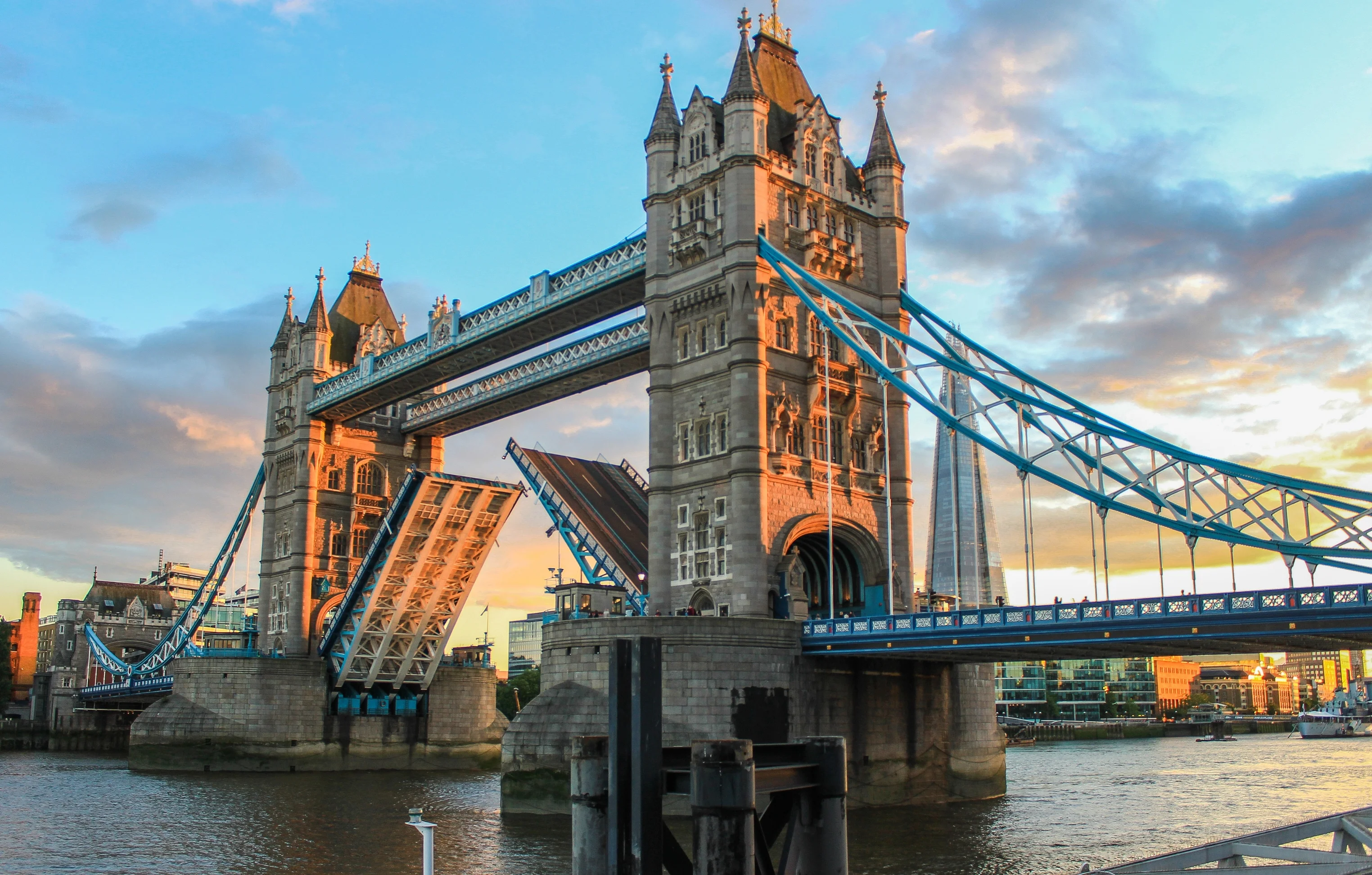
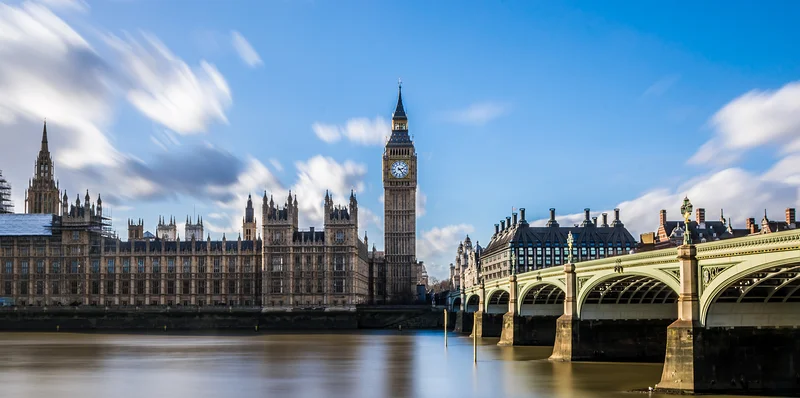
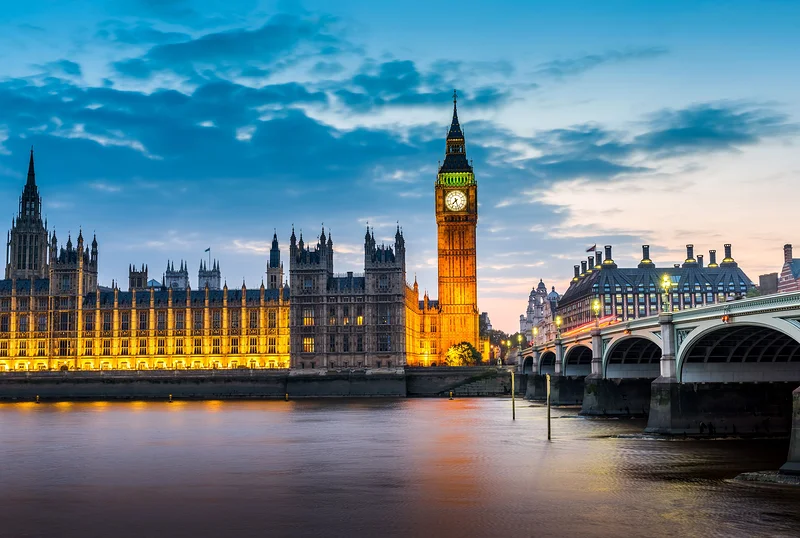
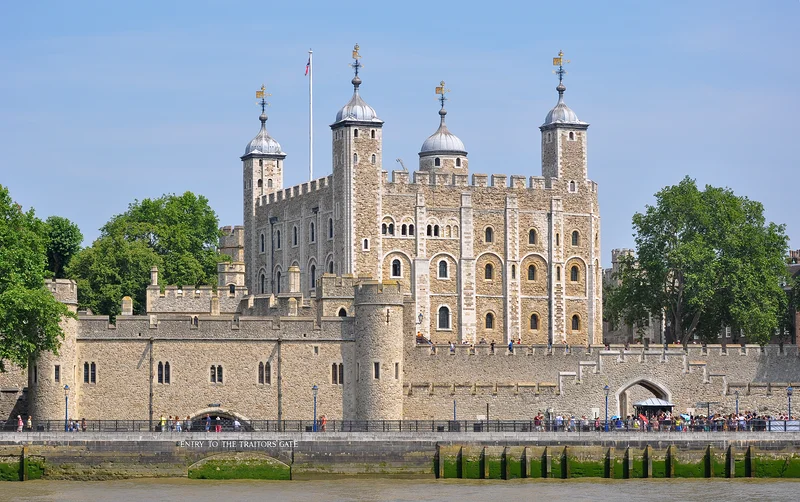
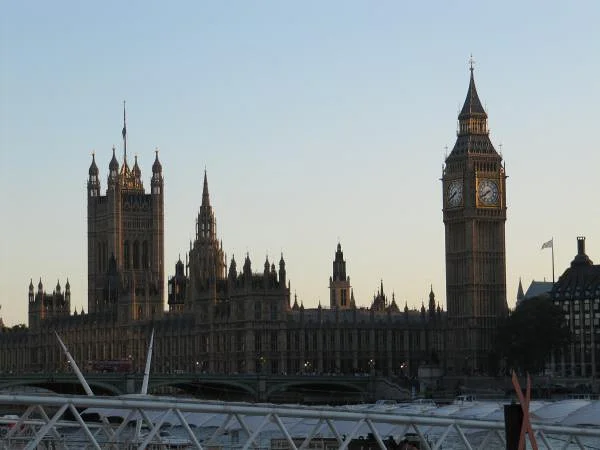
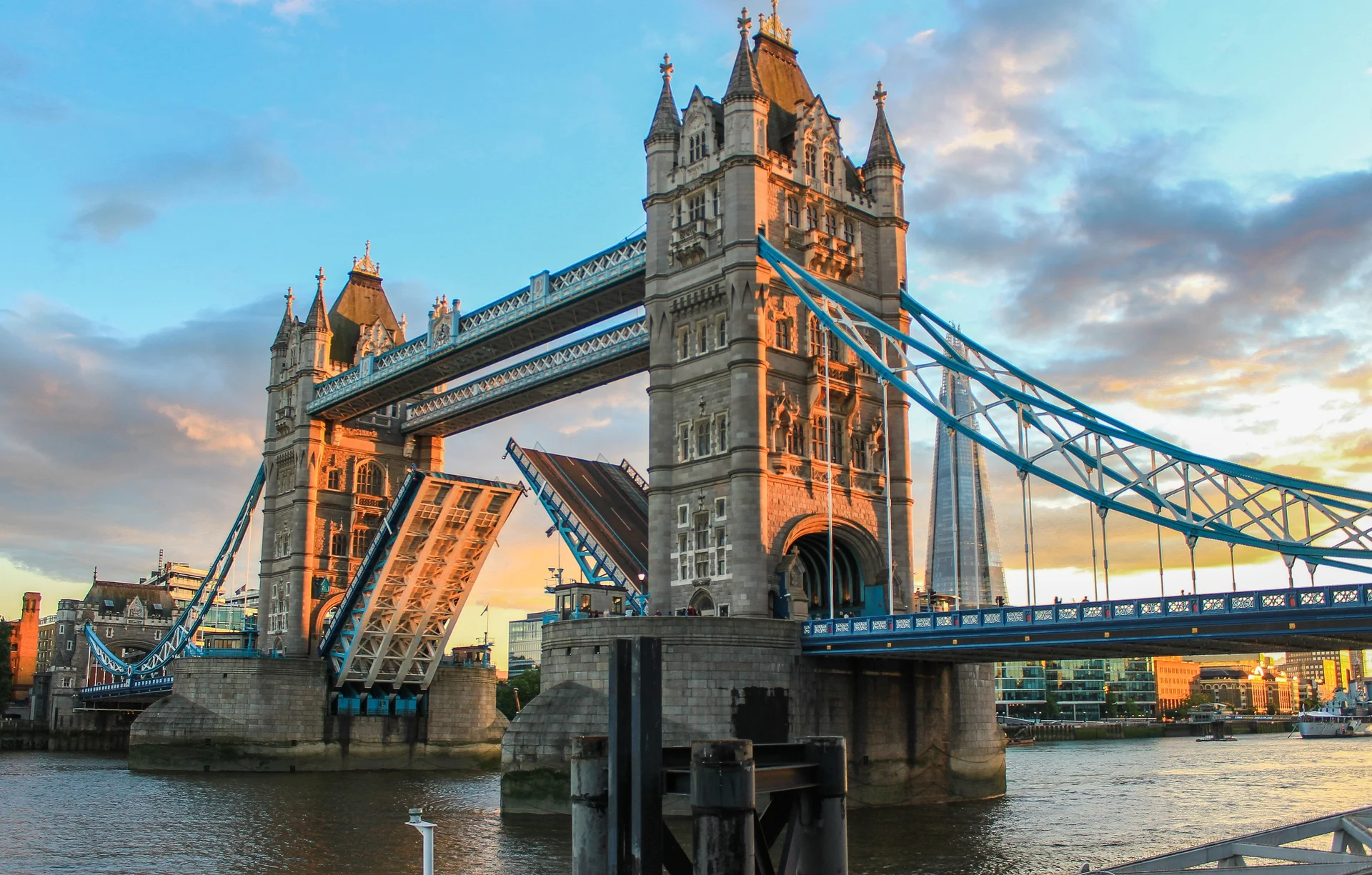
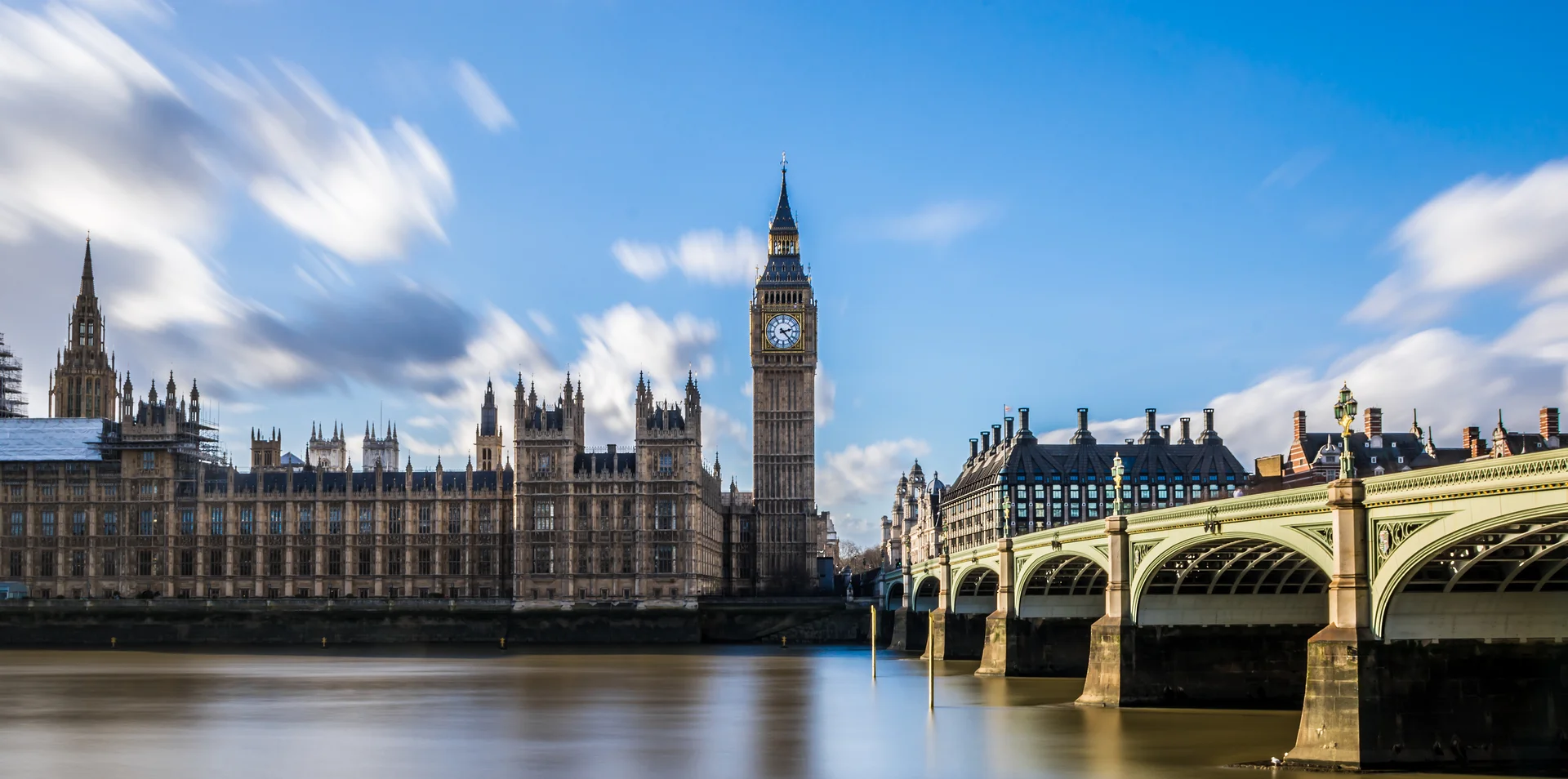
The tourist heart of the city stretches from Westminster to the Tower of London. Westminster Abbey, Big Ben, and the Houses of Parliament hold most of the British royal and political heritage. The Tower of London, a medieval fortress turned museum, houses the Crown Jewels.
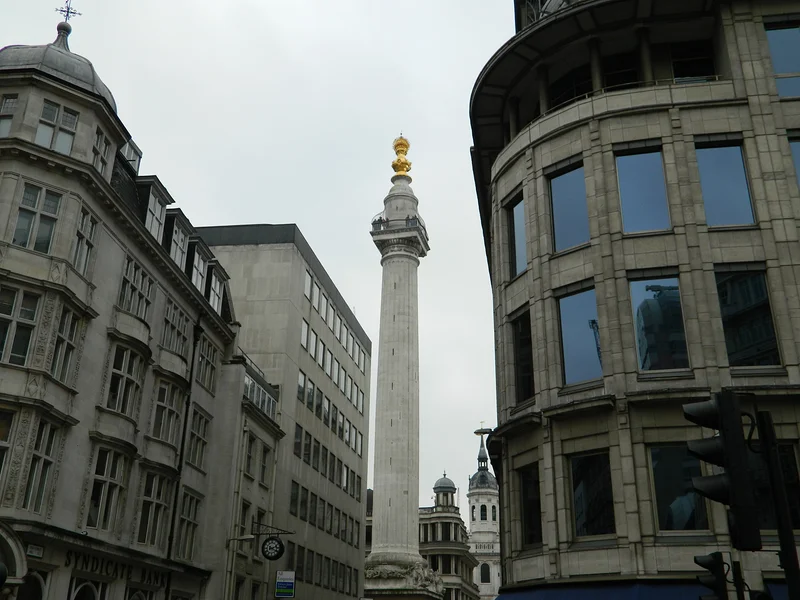
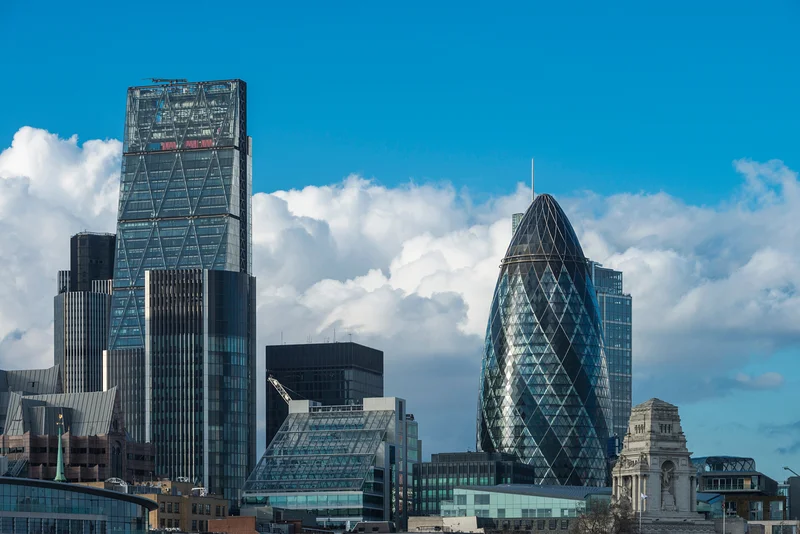
The City, an ancient financial district, mixes glass skyscrapers with medieval churches. The Sky Garden offers a free panoramic view of the city, provided you reserve online several days in advance. Just nearby, Postman's Park hides a moving memorial dedicated to ordinary heroes who died while saving others.
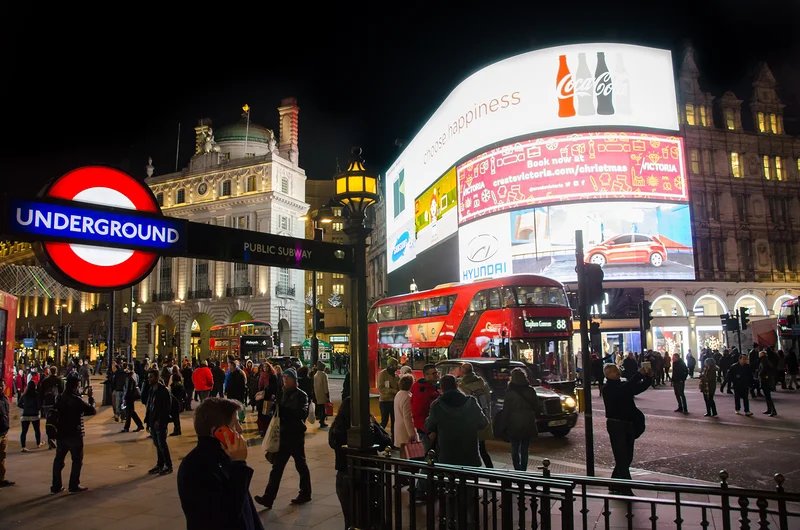
Insider tip: Avoid the restaurants around Leicester Square and Piccadilly Circus, as prices are inflated for mediocre food. Walk ten minutes toward Soho or Covent Garden to find much better options for the same price.
East London: Shoreditch, Spitalfields, and beyond
Shoreditch and Spitalfields represent the creative side of the city. Street art covers the walls of Brick Lane, while weekend markets attract a colorful crowd. The Old Spitalfields Market offers everything from vintage clothing to global cuisines.
Further east, Hackney and Clapton are home to some of the city's best tables. The Saturday Broadway Market attracts locals for its artisanal cheeses and fresh breads. We love getting lost in these streets, where the energy is raw and the creativity is palpable on every corner.
Abandoned subway stations
The London Transport Museum organizes tours of abandoned subway stations under the name Hidden London. The Aldwych station, closed in 1994, served as an air-raid shelter during World War II. Tickets sell out fast, so book several weeks in advance.
The West and South: Residential neighborhoods
Notting Hill draws visitors for its Portobello Road market on Saturdays and pastel-colored townhouses. The neighborhood is pleasant to walk through on weekdays when the streets are quieter. Nearby, Little Venice surprises with its colorful houseboats docked along the canal, far from the city center bustle.
South of the Thames, Peckham and Brixton offer a multicultural view of the city. Brixton Village brings together over 100 independent businesses representing dozens of nationalities. Pop Brixton, an assembly of recycled shipping containers, embodies the new generation of London food halls.
Insider tip: The Kyoto Garden in Holland Park is one of the best-kept secrets in West London. This free Japanese garden, with its free-roaming peacocks and koi carp, offers a bubble of calm ten minutes from Kensington.
Parks and green escapes
Hyde Park and Regent's Park are the classics, but other green spaces are worth the detour. Less crowded, Hampstead Heath in the north offers almost rural landscapes and outdoor swimming ponds.
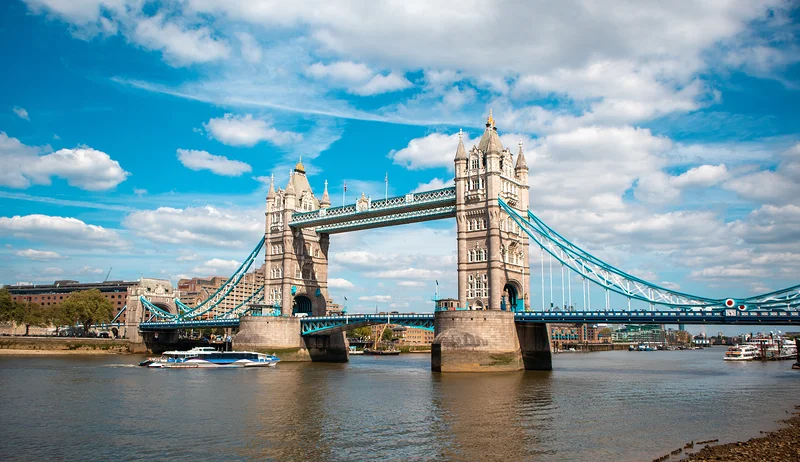
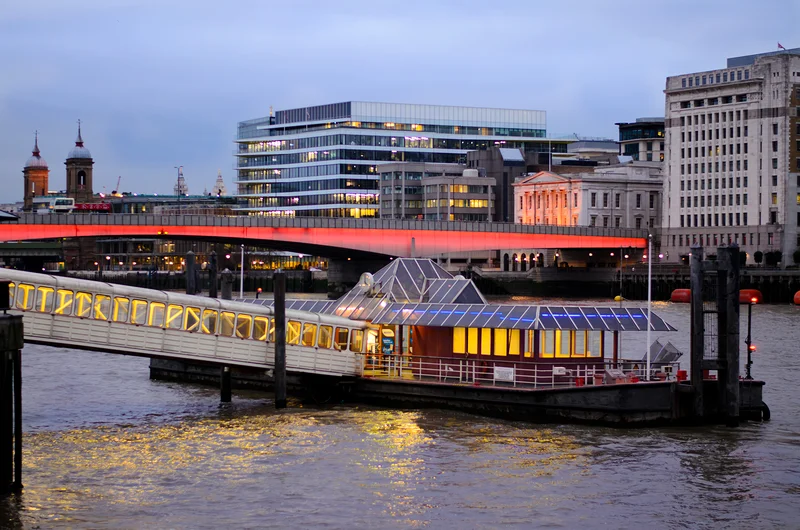
The banks of the Thames between Tower Bridge and the Tate Modern make for an ideal walk. The South Bank concentrates theaters, galleries, and street food markets, with Big Ben as a backdrop across the river.
Greenwich Park offers one of the best panoramas of the city, especially at sunset. Students and young couples set up there with blankets and picnics. The Royal Observatory, at the very top, marks the Prime Meridian line.
Where to eat and drink in London?
Britain's disastrous culinary reputation is a thing of the past. The London dining scene is among the most dynamic in Europe, driven by the city's cultural diversity. The traditional Sunday roast, served in pubs on Sunday afternoons, remains an institution with roasted beef or lamb accompanied by Yorkshire pudding and vegetables.
Markets offer the best value for money. Borough Market, near London Bridge, offers British cheeses, fresh oysters, and dishes from all over the world. The Maltby Street Market, tucked away under railway arches, attracts foodies on Saturdays.
For a budget meal, the meal deals at supermarkets like Tesco, Sainsbury's, or Marks & Spencer offer a sandwich, snack, and drink for £4 to £6 (about $5-$8). Pubs often serve lunch specials between £10 and £15 (about $13-$19). In the evening, the Brick Lane and Brixton neighborhoods offer global cuisines at reasonable prices.
Where to sleep in London and the surrounding area?
Accommodations are your biggest expense. Zone 1 remains the most convenient but also the most expensive. King's Cross and Shoreditch offer a good compromise between accessibility and neighborhood vibe. Southwark, on the south bank, allows you to be close to attractions while paying less than in Westminster.
Zones 2 and 3 can reduce your bill by 20 to 30%. Greenwich in the southeast and Camden in the north have numerous connections to the center. Well-rated hostels start around £35 a night (about $45) for a dorm bed, while decent three-star hotels run between £120 and £180 (about $150-$225).
How to get to London?
Five airports serve the capital: Heathrow, Gatwick, Stansted, Luton, and London City. The Piccadilly Line connects Heathrow to the center in an hour for about £6 (about $8). The Elizabeth Line, which is faster, costs a bit more. Express trains to the other airports hover between £15 and £25 (about $19-$32).
From Paris, the Eurostar arrives at St Pancras in 2 hours and 15 minutes. Tickets range from £40 to £160 (about $50-$200) depending on how early you book. Bus options like Flixbus are the cheapest, starting around £16 (about $20), but the trip takes 7 to 8 hours including the English Channel crossing.
- Remember to request your ETA at least 3 days before departure via the official UK ETA app
- Eurostar tickets are significantly cheaper when booked 2 to 3 months in advance
- From Belgium, the Benelux, or Germany, the Eurostar also serves St Pancras via Brussels and Lille
How to get around in London?
The Tube covers most of the city. A trip in zones 1-2 costs about £2.80 (about $3.50) during off-peak hours with a contactless card or an Oyster Card. The daily cap is set at £8.90 (about $11.50) for those same zones. Red double-decker buses allow you to see the city from a different perspective, and payments are made by card only.
Avoid driving in the center. Between the Congestion Charge, the ULEZ zone, and expensive parking, the bill adds up quickly. Black cabs remain a classic London experience to test at least once. Uber and Bolt operate everywhere and generally cost 20 to 40% less than a black cab.
When to go?
Spring and autumn offer the best balance between acceptable weather and moderate crowds. Summer attracts the masses and drives up hotel prices. Winter remains mild compared to the rest of Northern Europe, and the Christmas lights create a festive atmosphere. Always pack an umbrella, as rain can appear in minutes during any season.
C'est vrai que c'est pratique l'Eurostar, surtout en réservant à l'avance, on peut trouver les billets à 88 euros A/R... ça permet même de partir le samedi matin et rentrer le dimanche soir, et du coup de payer une seule nuit d'hôtel!