
Visiting Inverness, Capital of the Highlands
Perched on the edge of the legendary Loch Ness, Inverness serves as the gateway to the Scottish Highlands and the perfect basecamp for trekking into this rugged, storied landscape. With a population of 70,000, this compact city strikes a balance between urban amenities and easy access to the kind of raw wilderness that feels like a temperate version of Alaska.
Inverness Castle and the Historic Center
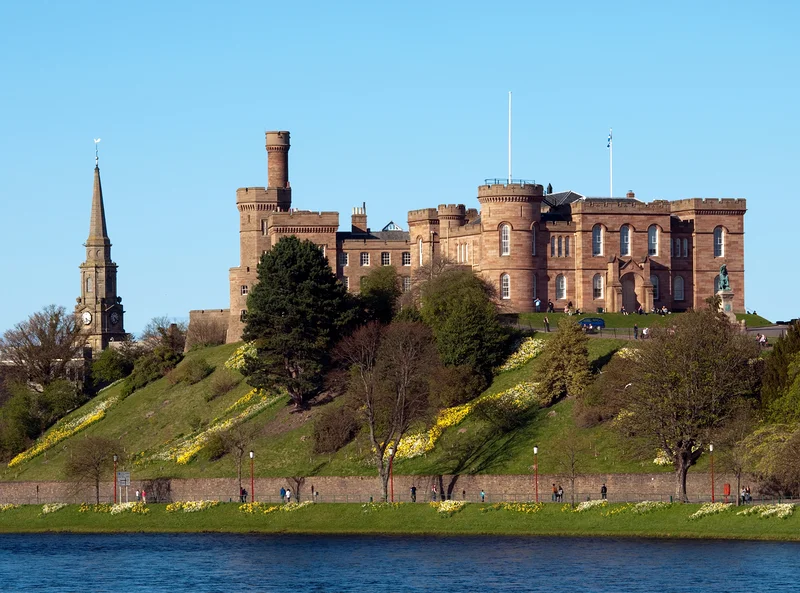
Perched on a hill overlooking the Ness river, Inverness Castle anchors the skyline. While the structure you see today is largely 19th-century, the site has been fortified since the 11th century. It currently serves as a courthouse and is closed to the public, but the esplanade remains the best spot in town for a sweeping view of the city.
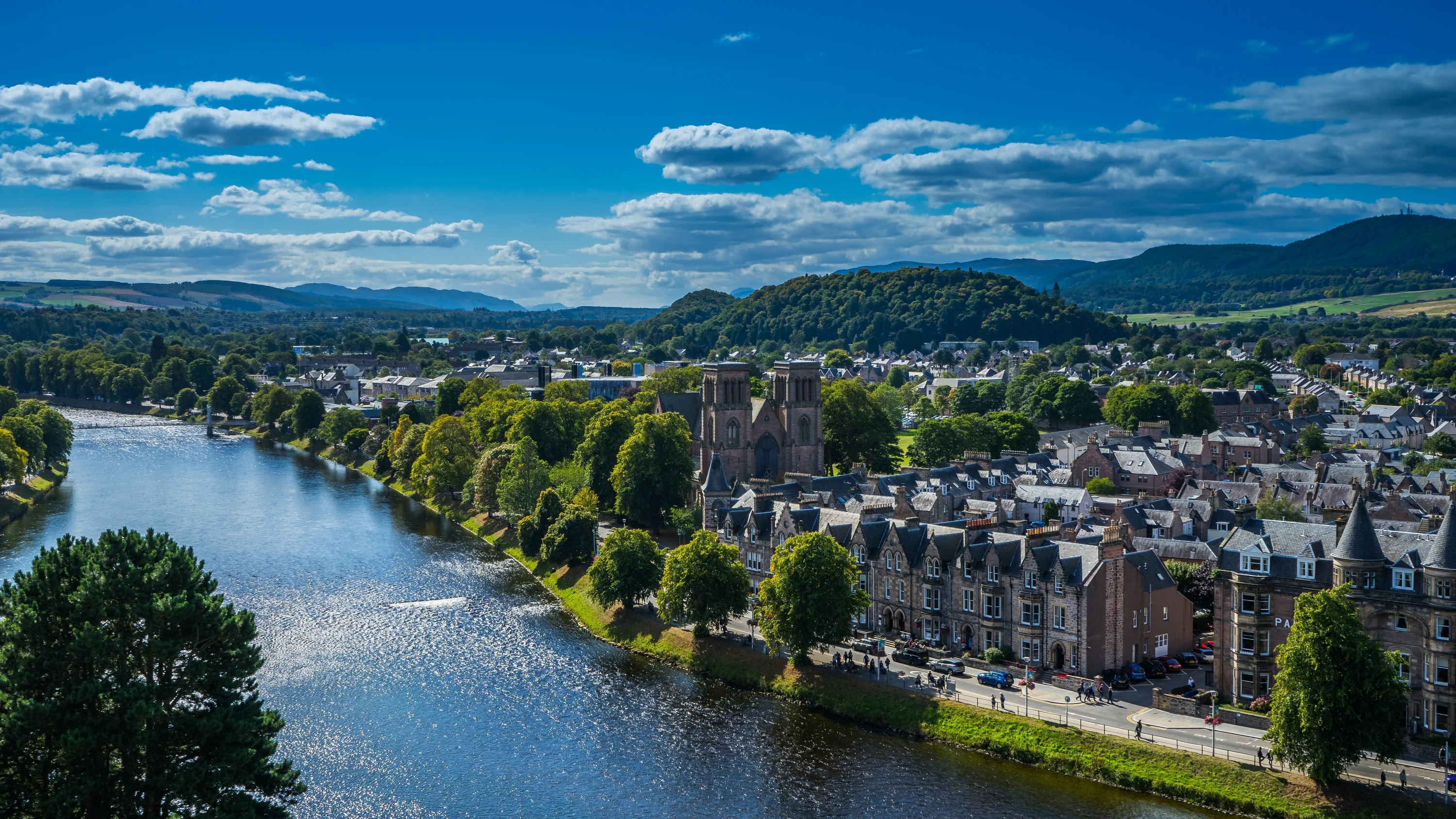
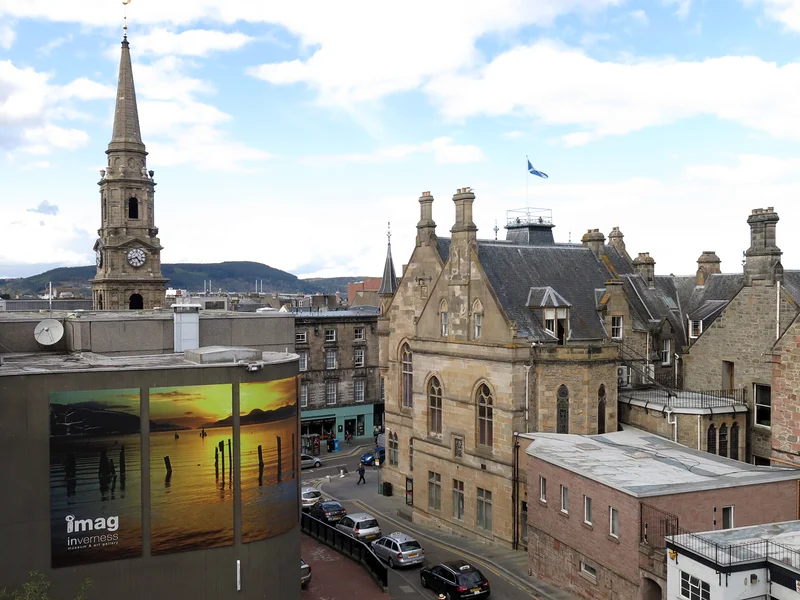
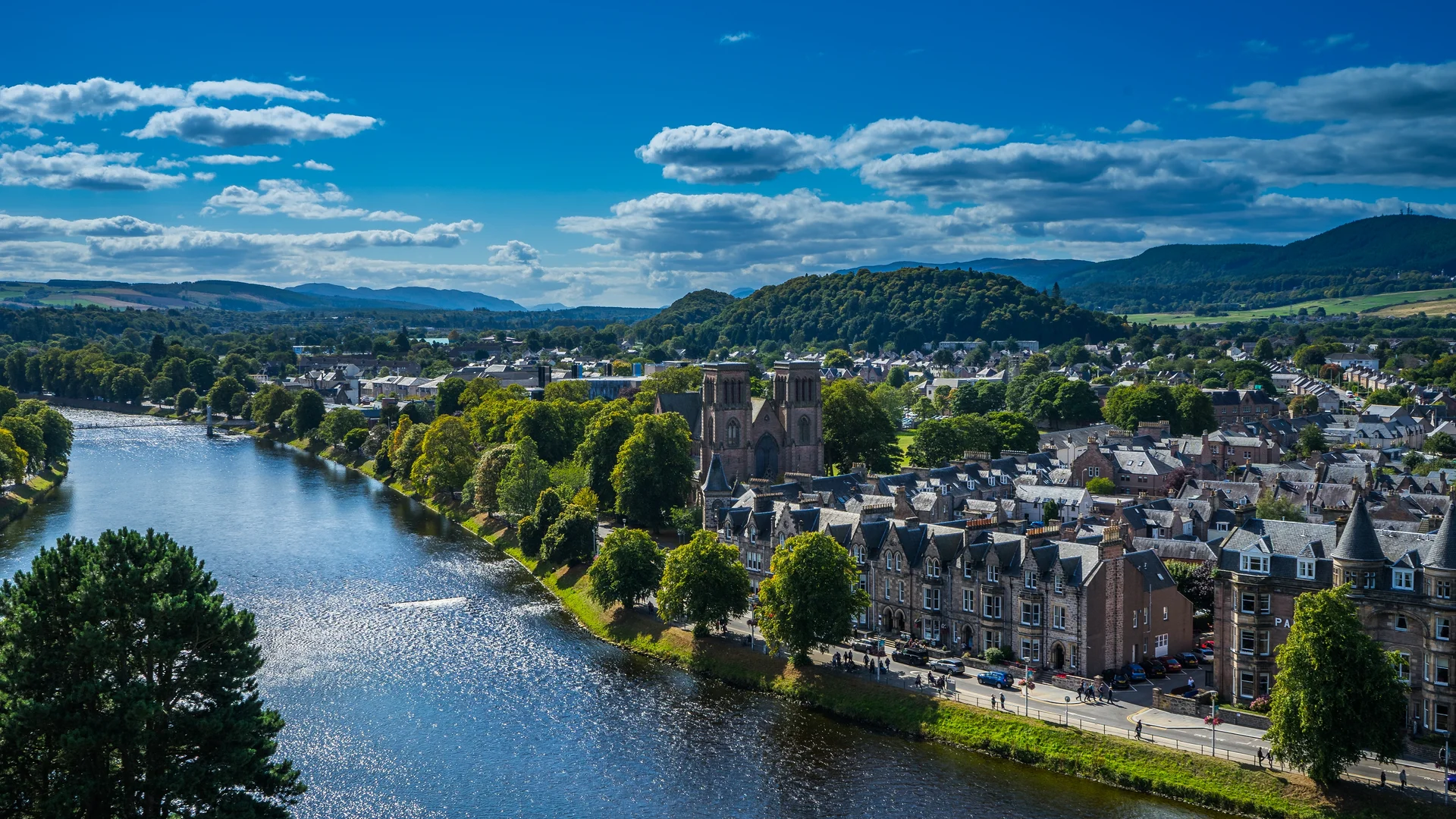
Down by the river, the historic center is defined by its red sandstone Victorian architecture, local craft shops, and cozy cafes. Don't miss the elegant St Andrew's Cathedral right on the water or the Old High Church, the city's oldest place of worship.
The Banks of the Ness and the Ness Islands
The Ness river flows right through the city, lined with well-maintained paths perfect for a morning run or an evening stroll. You can cross the water via several bridges, including the Greig Street Bridge, a pedestrian suspension bridge that has a distinct, slight sway as you walk across it.
In the middle of the river, the Ness Islands form a natural park connected by Victorian wrought-iron footbridges. These wooded islets are a quiet escape from the downtown noise, and if you keep your eyes peeled, you might spot red squirrels, a Scottish icon.
Inverness Museum and Art Gallery
Located near the castle, the Inverness Museum and Art Gallery is the place to get a primer on Highland culture. From prehistoric artifacts to the daily tools of Scottish clans and traditional musical instruments, this compact, well-curated museum is a solid rainy-day activity. Admission is free. The upstairs gallery also frequently hosts exhibitions from contemporary Scottish artists.
Day Trips
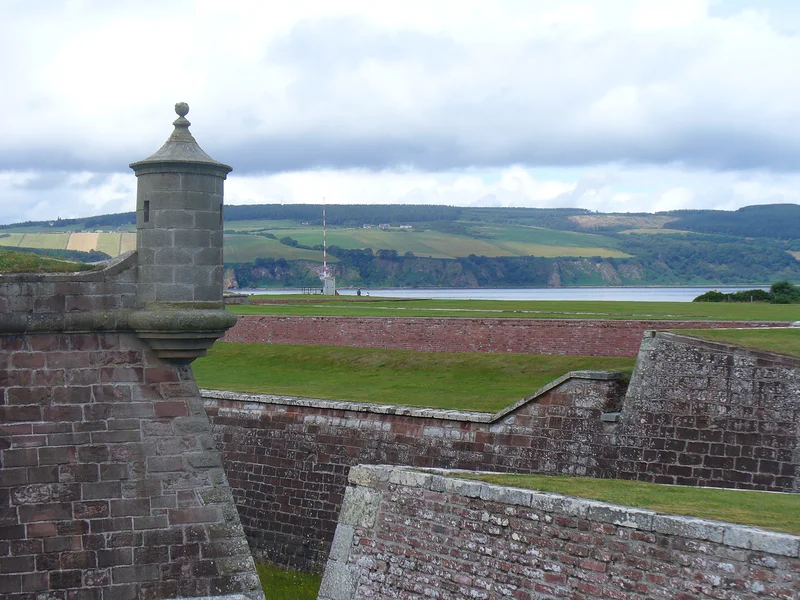
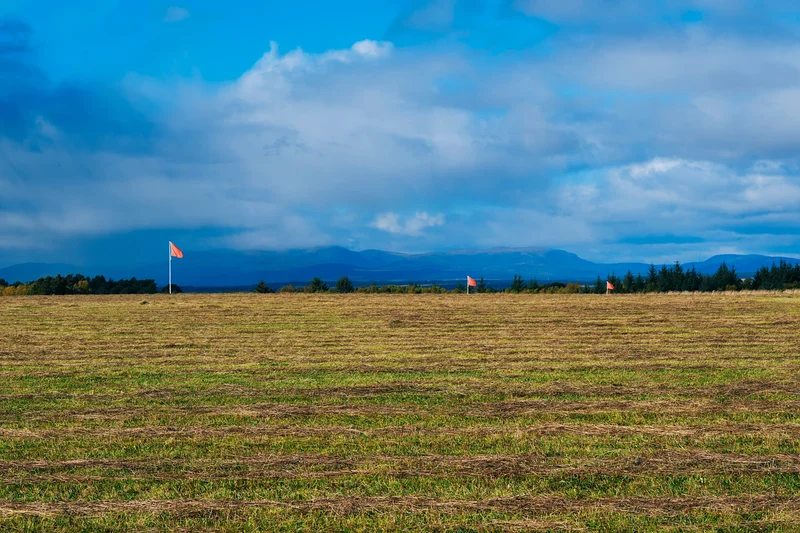
Inverness is a strategic jumping-off point for regional exploration. The Culloden battlefield, located just 15 km (about 9 miles) away, marks the site of the final battle fought on British soil in 1746, which effectively ended the Jacobite uprising.
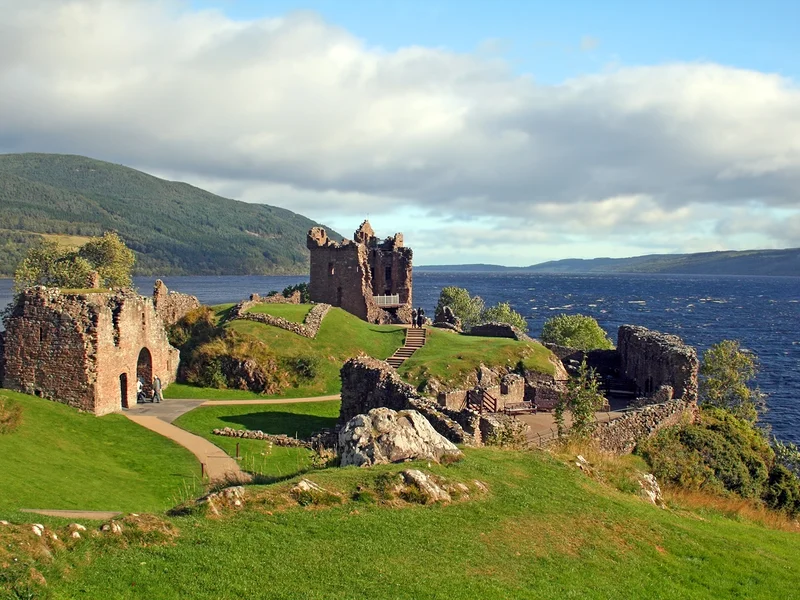
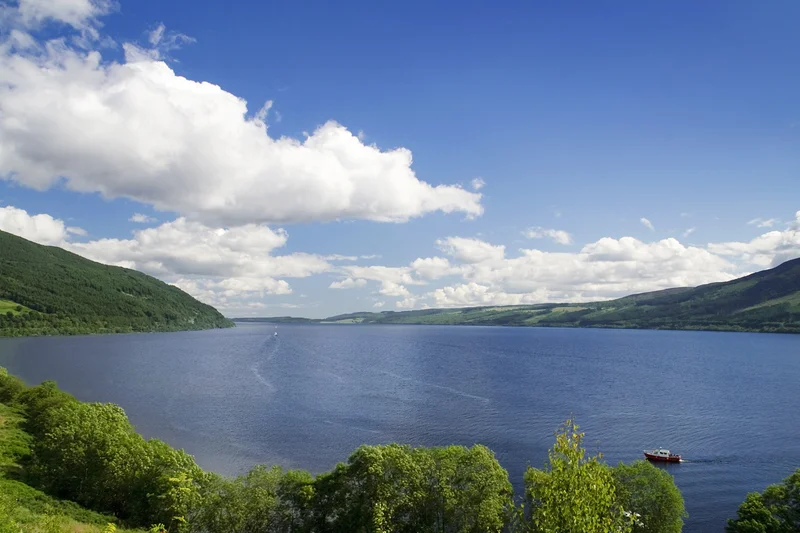
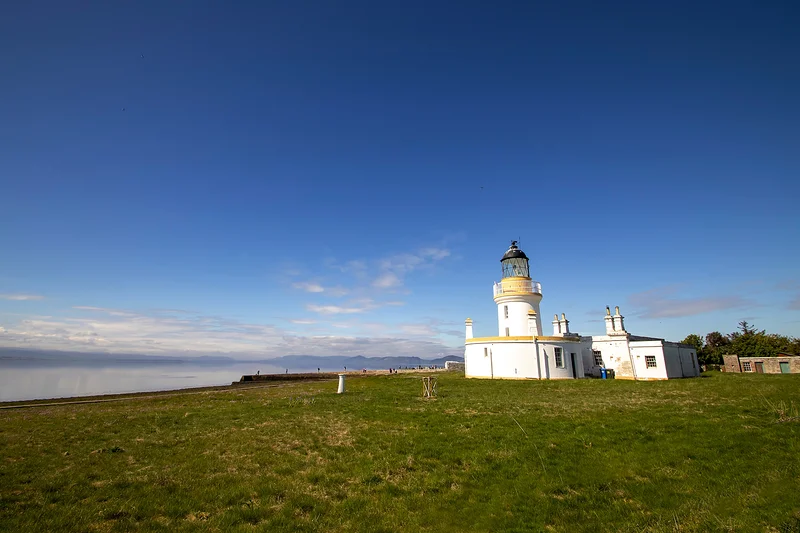
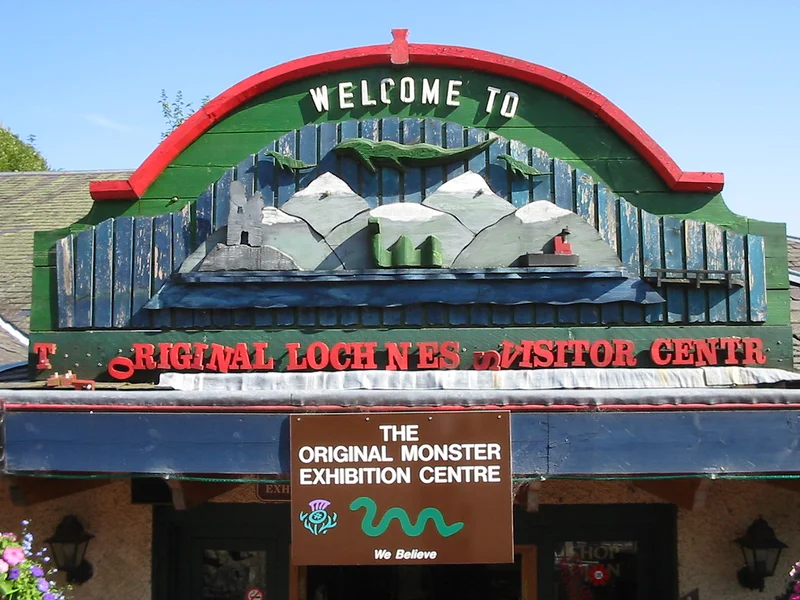
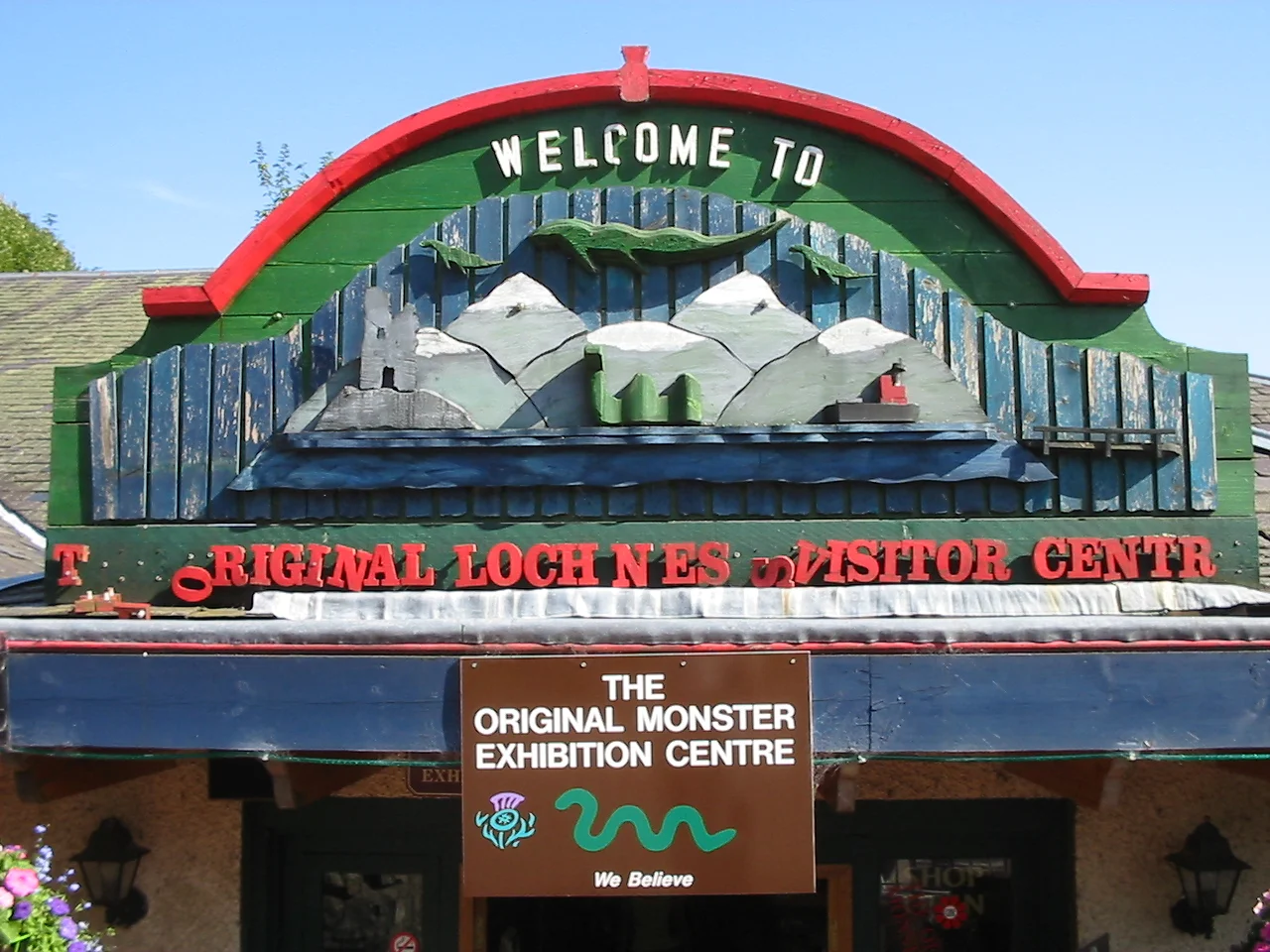
Heading west, Loch Ness is a 30-minute drive, drawing crowds hoping for a glimpse of its namesake monster. The ruins of Urquhart Castle on the shore provide a dramatic vantage point over the deep, dark water. Closer to the city, the 4,000-year-old Bronze Age burial site of Clava Cairns is worth a visit, especially if you are a fan of the standing stones seen in the show "Outlander".
Highland Flavors
Local dining leans into traditional Scottish staples. You will find haggis on most menus, a savory blend of sheep's pluck, oats, and spices, typically served with "neeps and tatties" (mashed turnips and potatoes).
When it comes to drinks, the region is synonymous with whisky. Distilleries like Glen Ord or Tomatin are nearby and offer tours and tastings. Also, look for Irn-Bru, the bright orange Scottish soda that holds a cult-like status with the locals.
Where to Eat?
- The Kitchen Brasserie (Riverside): A modern spot serving contemporary Scottish dishes using seasonal, local ingredients. Their smoked salmon and whisky cheesecake are standouts.
- The Mustard Seed (City Center): Housed in a converted church, this restaurant offers a unique setting and high-quality Scottish-European fusion.
- MacGregor's Bar (Old Town): A welcoming pub serving solid traditional food with live Scottish music in the evenings.
- Rocpool (West Bank): A more upscale, award-winning choice focusing on refined seafood and Highland meats.
Where to Stay?
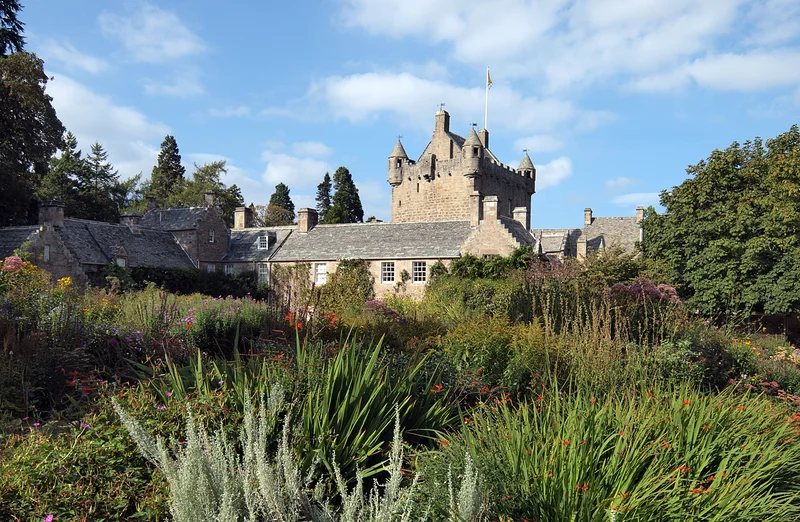
- Kingsmills Hotel (Culcabock): A 4-star hotel in an 18th-century manor house surrounded by gardens, mixing historic character with modern amenities.
- Glen Mhor Hotel (Riverside): A collection of renovated Victorian buildings turned into a 3-star hotel with picturesque views of the Ness.
- Black Isle Hostel (City Center): A modern, well-rated hostel for budget travelers, ideally positioned for exploring on foot.
- Rocpool Reserve Hotel (Crown): A 5-star boutique hotel for those seeking luxury, featuring only 11 contemporary rooms and a fine-dining restaurant.
When to Go?
The best time to visit is from May to September, when temperatures are mild (15-20°C / 59-68°F) and the days are long, with up to 18 hours of daylight in June. If you want a festival atmosphere, time your trip for the Highland Games in July or the Highland Music and Dance Festival in September.
Winter is cold and the days are short, but the city feels particularly authentic and cozy during the holiday season.
How to Get There?
Inverness Airport has direct service from several UK and European cities. From Paris, expect a layover and about 5 hours of travel time (£125-210 / $160-270). From London, direct flights take 1.5 hours (£70-130 / $90-165). For a classic experience, the Caledonian Sleeper train from London is an 8-hour overnight journey starting at £100 ($125) for a bunk. From Edinburgh, it is a 3.5-hour train ride (about £35 / $45) or a 3-hour drive via the A9.
Getting Around
Central Inverness is small enough to navigate entirely on foot. To reach outlying attractions, a local bus network covers the main neighborhoods (tickets are about £2 / $2.50). For maximum flexibility, especially if you plan to explore the Loch Ness area, renting a car is recommended, with daily rates starting around £35 ($45).
A small town, truly a very pleasant place to experience! The ideal spot to stay for a few days and wander around the Highlands, and even as far as the Isle of Skye. The town is full of pubs and nice little restaurants (I have to mention the best carbonara of my entire life at a small Italian place called Little Italy in Inverness, the local specialty, of course!). I was able to take a trip to the Isle of Skye with an extraordinary guide who knew all the movie filming locations.