
Florence, the open-air museum that never sleeps
The scent of fresh leather drifts through narrow alleys while the distant bells of the Duomo ring out. Just a few steps away, a craftsman hammers gold leaf in an open workshop. The Tuscan capital wears the Renaissance in every stone, but it lives, eats, and goes out with a thoroughly modern energy.
Florence: the capital of art, and so much more
Art and history lovers will find a density of masterpieces here matched nowhere else in Europe. Wine enthusiasts will feel right at home, as all of Tuscany makes its way onto the plate. Couples find a romantic atmosphere here, while families enjoy engaging and varied sightseeing.
Ideal destination for:
- Fans of art, Renaissance architecture, and history
- Foodies and lovers of Tuscan wine
- Couples looking for sunsets over the Arno
- Walkers: everything is walkable in the compact downtown core
Not recommended for:
- Anyone trying to escape the crowds: museums and the center are packed in the summer
- Beach lovers or fans of wild nature
- Tight budgets without a plan: prices skyrocket without advance booking
A manageable budget, provided you plan ahead
Watch out for the coperto, the cover charge of $2.30 to $4.60* per person at most restaurants. It is a standard and legal practice across Italy.
| Expense item | Estimated range |
|---|---|
| Hostel dorm bed | $29 to $46* |
| 3-star hotel room, downtown | $113 to $181* |
| Quick bite on the go | $5.70 to $12* |
| Trattoria dinner | $17 to $34* |
| Major museum ticket | $19 to $29* |
| Backpacker daily budget | $68 to $102* |
| Comfortable daily budget | $147 to $230* |
What to know before you go
The historic center is very compact, meaning you can walk across it in thirty minutes. The city is safe, but pickpockets operate around the Duomo and on buses. In the summer, temperatures climb past 38°C, making sightseeing exhausting.
The historic core: from the Duomo to Piazza della Signoria
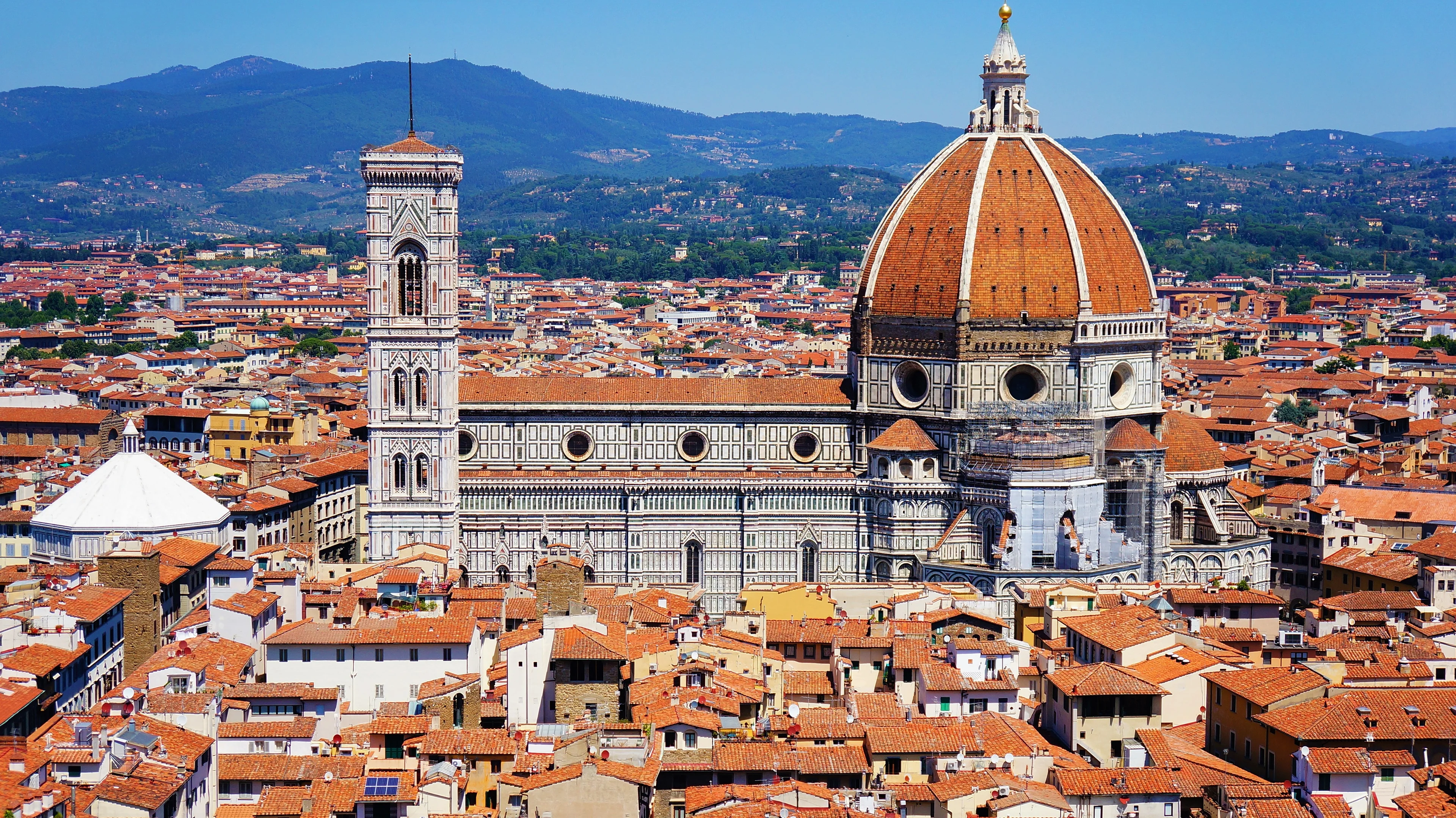
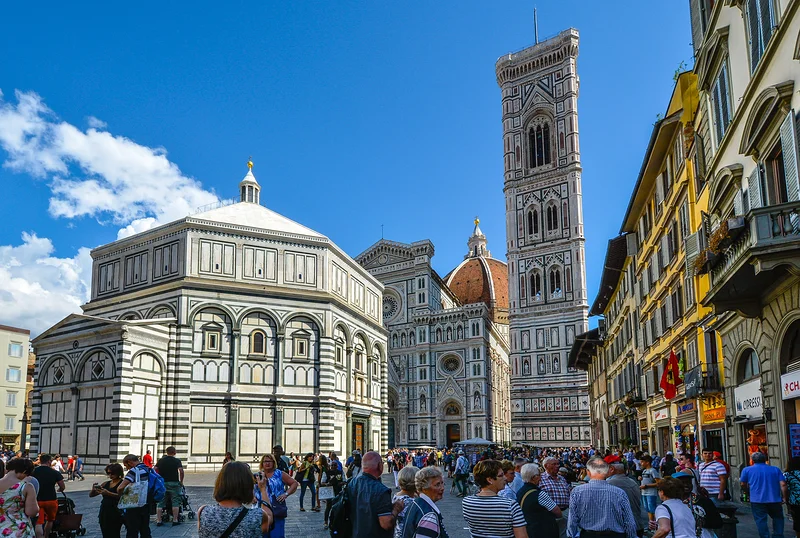
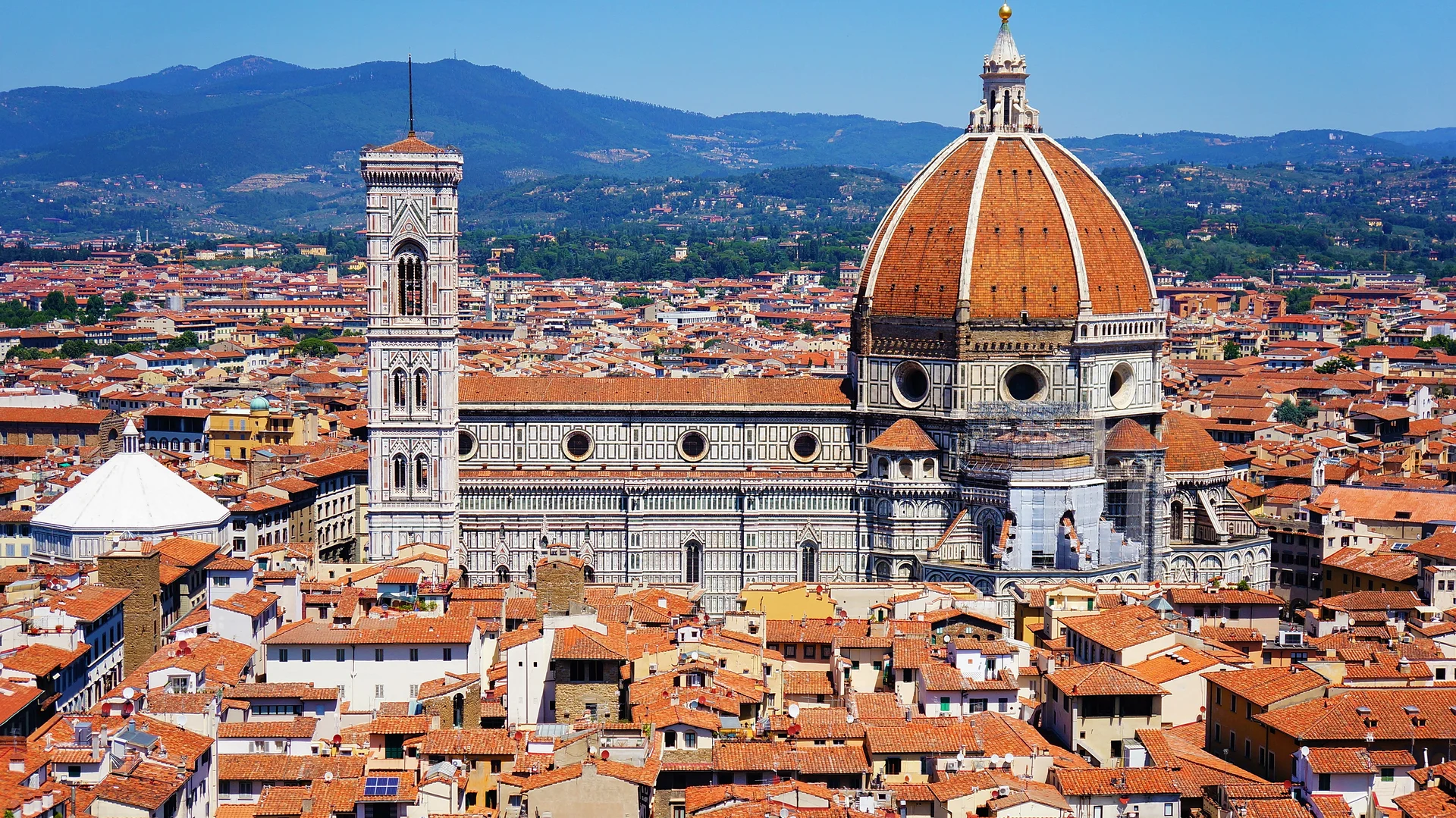
The interior of Santa Maria del Fiore Cathedral impresses visitors, but climbing Brunelleschi's dome is the true standout moment: 463 steps for a panoramic view over the terracotta rooftops.
A few streets over, Piazza della Signoria unfolds as an open-air theater framed by statues and majestic palazzos. This is where the city hits its stride, blurring the line between museum and public square.
Friendly tip: book your Duomo dome climb online several days in advance, or risk an endless wait under the sun.
The banks of the Arno and the Oltrarno
The Ponte Vecchio, lined with jewelry shops ever since the Medicis kicked out the butchers, leads to the opposite bank known as the Oltrarno. This more artisanal neighborhood is home to leather workshops, Florentine mosaic studios, and gilding shops tracing back to the 15th century.
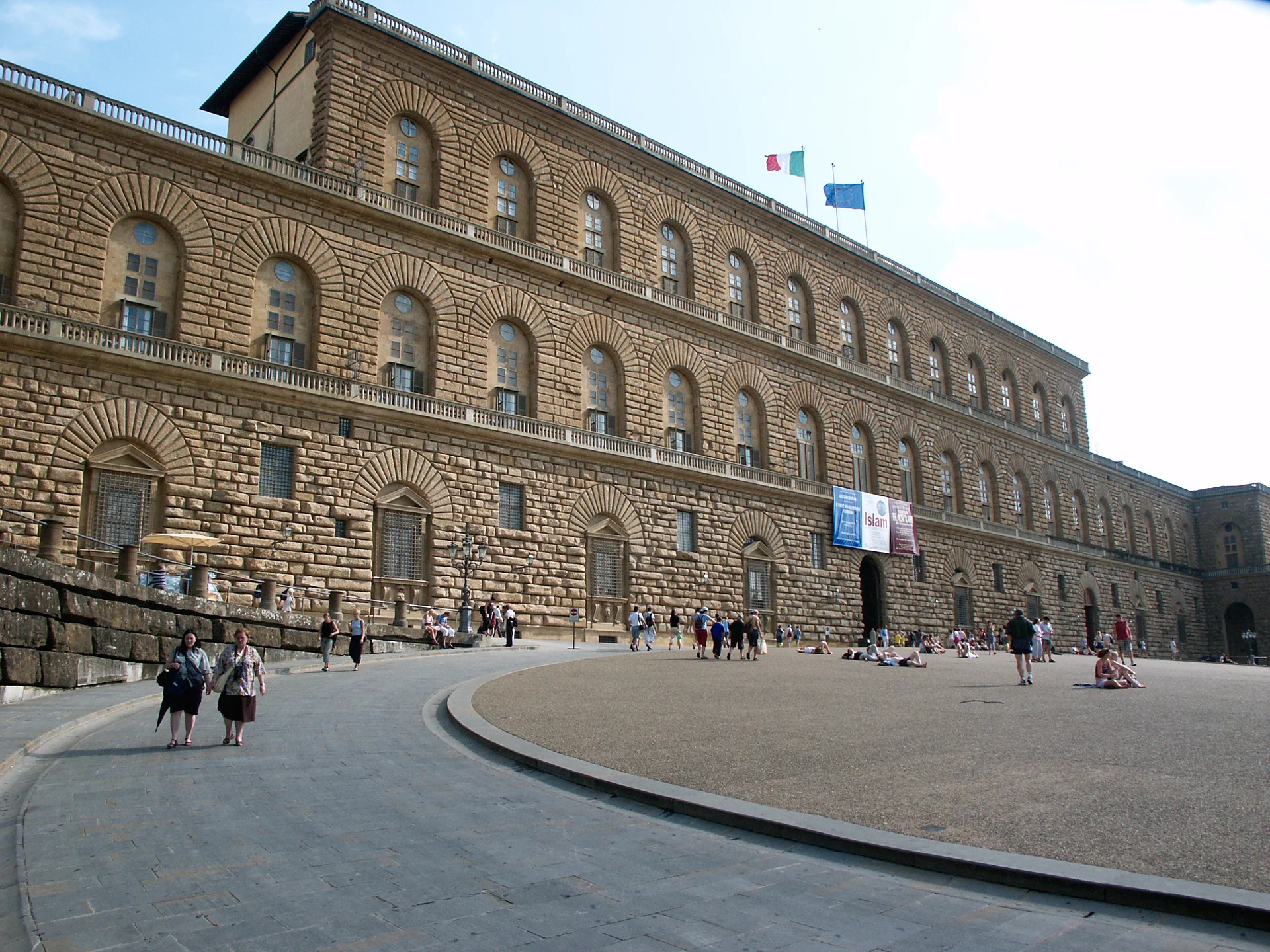
Palazzo Pitti and its galleries, backed by the sprawling Giardino di Boboli, offer a welcome breather. We consider the Oltrarno the best neighborhood in town for a reasonably priced dinner.
Friendly tip: head up to Piazzale Michelangelo at dusk. The view over the illuminated city is worth every step of the climb.
San Lorenzo and Tuscan flavors
The San Lorenzo neighborhood pulses around its covered market. The upstairs of the Mercato Centrale hosts a lively food hall. Downstairs, the Nerbone stall serves the best lampredotto in town, a classic Florentine tripe sandwich, for around $5.70*.
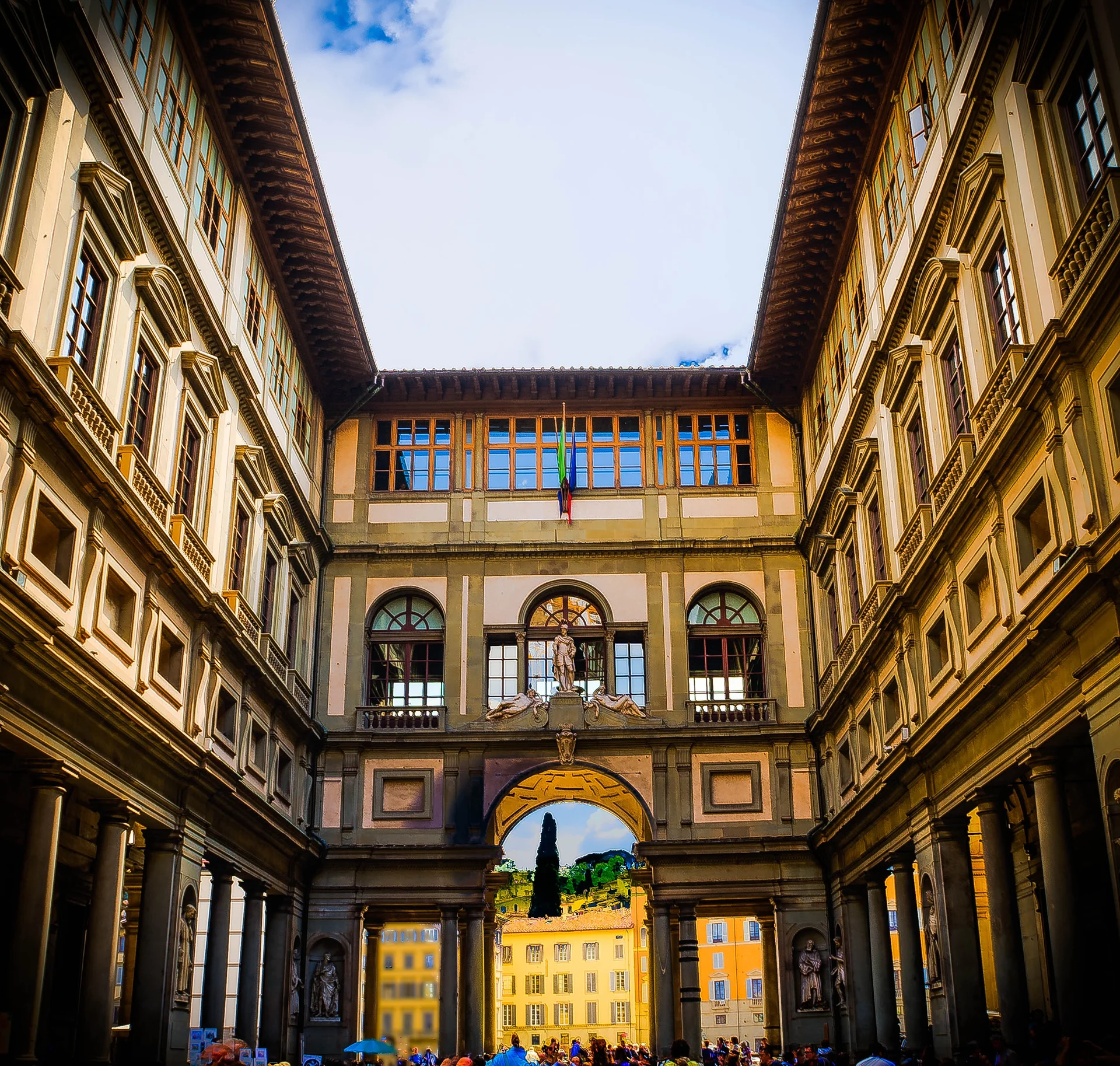
Nearby, the Medici Chapels reflect the influence of this legendary patron family. The Uffizi Gallery, a short walk away, gathers the pinnacle of Florentine art from Botticelli to Leonardo da Vinci.
Friendly tip: the Firenze Card costing $97* grants access to over 60 museums for 72 hours and skips the ticket lines. It pays for itself once you visit four major sites.
Where to eat and drink in Florence
Order a bistecca alla fiorentina, a thick grilled Chianina T-bone steak meant for sharing. In the local osterie, try ribollita, a hearty peasant soup made with vegetables and stale bread, or pappa al pomodoro, its summer tomato-based counterpart.
Local wine bars known as enoteche are ideal for sampling Chianti Classico alongside truffle or chicken liver crostini. Also try out the aperitivo tradition, where a spread of small bites is included with the price of a drink between 7 PM and 9 PM.
How to get to Florence
Peretola Airport, located 6 km from the center, handles direct flights from Paris taking 1 hour and 45 minutes. Air France, Vueling, easyJet, and Transavia operate the route, with round trips starting at $91*. The T2 tramway gets you to the center in 20 minutes for $2.30*.
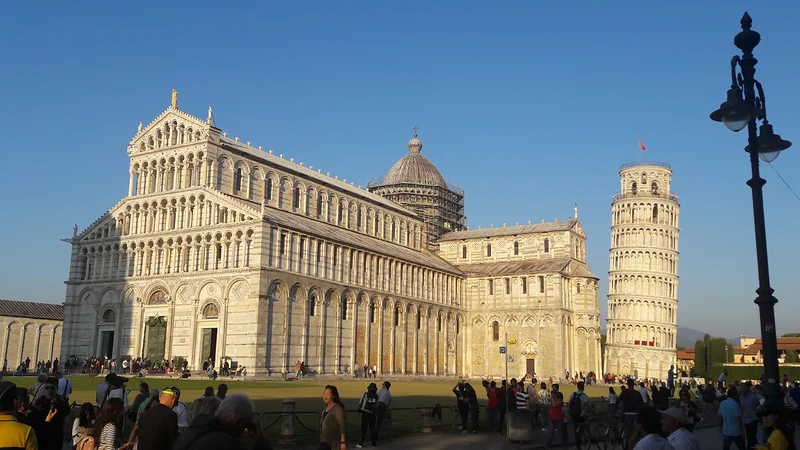
The airport in Pisa is often cheaper and connects to Florence via a 1-hour train ride costing $12*. Santa Maria Novella Station also welcomes Italian high-speed trains from Rome in 1h30 and Milan in 1h40.
How to get around Florence
Walking is the best way to explore the city. Three tram lines and a bus network round out public transit, with single tickets priced at $2.30*.
Driving in the center should be avoided at all costs. Cameras enforce the ZTL (limited traffic zone), automatically ticketing unauthorized vehicles with fines starting at $91*. Taxis charge a flat rate of $25* from the airport.
When to go?
Spring and early autumn strike the best balance between mild weather and manageable crowds. Winter reveals a much quieter city with accommodation rates dropping by 40 to 50%. Avoid July and August if possible, when stifling heat and crowds make sightseeing grueling.
Florence draws crowds and suffers from that appeal, it is truly a museum city (though a bit less so than Venice, still). That said, the Tuscan city definitely has undeniable perks. The timeless beauty of the Ponte Vecchio and the Duomo speaks for itself. The richness of the museums and the romantic Boboli Gardens also add to the appeal of this city that leaves no one indifferent. Get away from the busy neighborhoods to find the soul of this great city.