Visiting Iceland, Between Volcanic Fire and Ancient Glaciers
At the edge of Europe and the Arctic, Iceland captivates with raw, intense landscapes. Here, nature takes center stage, carving out scenery that swings between a dream and science fiction: black lava fields, roaring waterfalls, obsidian sand beaches, and erupting geysers. Traveling through this country means embracing a wild, sometimes harsh, but always unforgettable beauty.
Iceland: Is This Destination Right for You?
Iceland draws lovers of extreme nature, those who do not mind freezing winds or steep price tags. It appeals to hikers, photographers, and travelers looking for vast open spaces where sheep outnumber people. On the flip side, if you are chasing sunshine, a lively nightlife scene, or a cheap vacation, the country might throw you for a loop.
Lands of Ice and Fire
Iceland sits right on a tectonic plate boundary, and you can feel it with every step. Active volcanoes stand shoulder to shoulder with massive glaciers, creating a striking contrast. Thingvellir National Park perfectly illustrates this geological duality, as do the bubbling hot mud pots of Hverir.
Adventure seekers can hike across the Vatnajokull glacier, the largest in Europe, or jump on a zodiac boat to get close to the floating icebergs in the Jokulsarlon lagoon.
Friendly tip: if you plan on exploring volcanic zones, always check local seismic activity. Conditions change fast and safety comes first.
The Magic of Waterfalls and Fjords
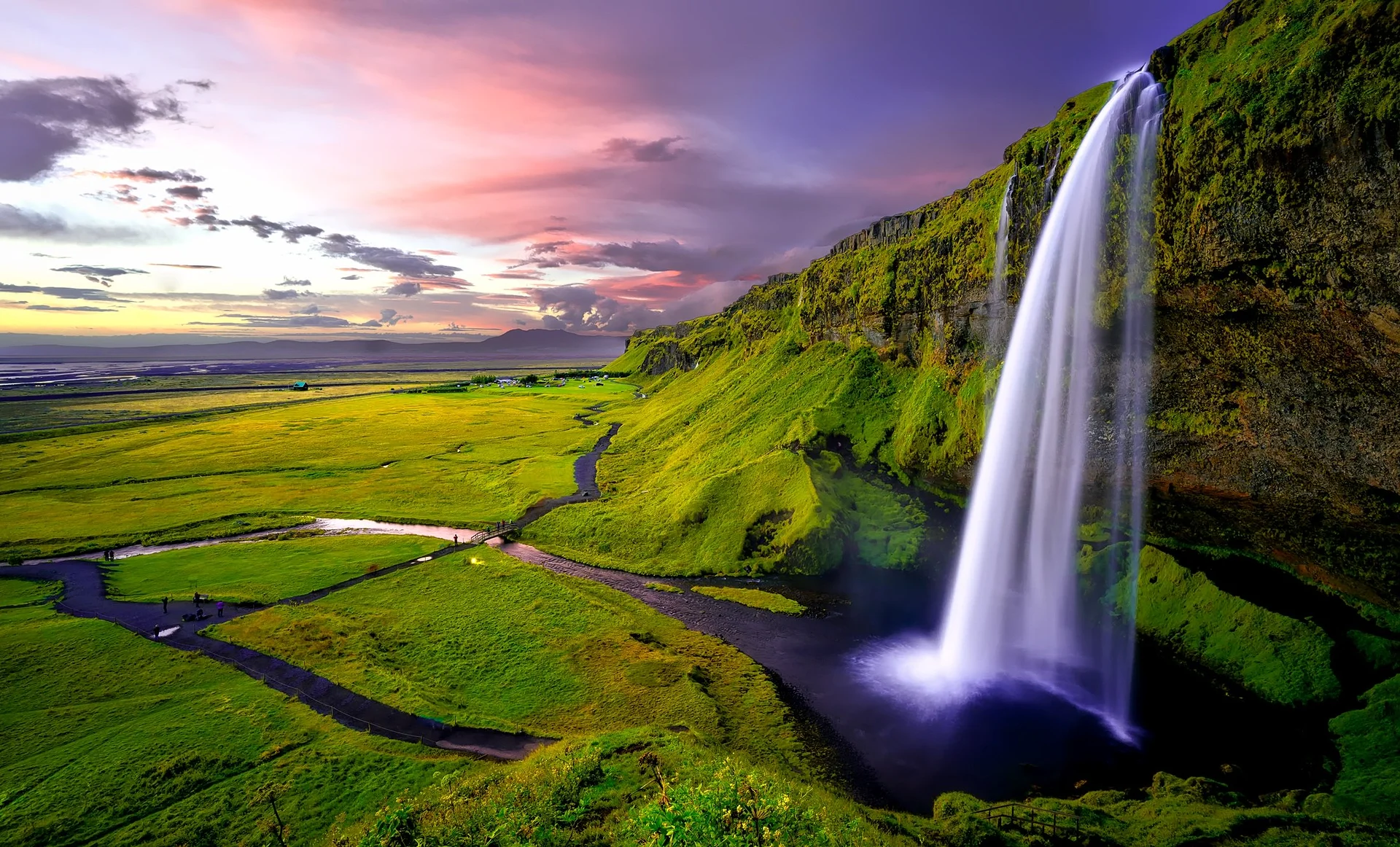
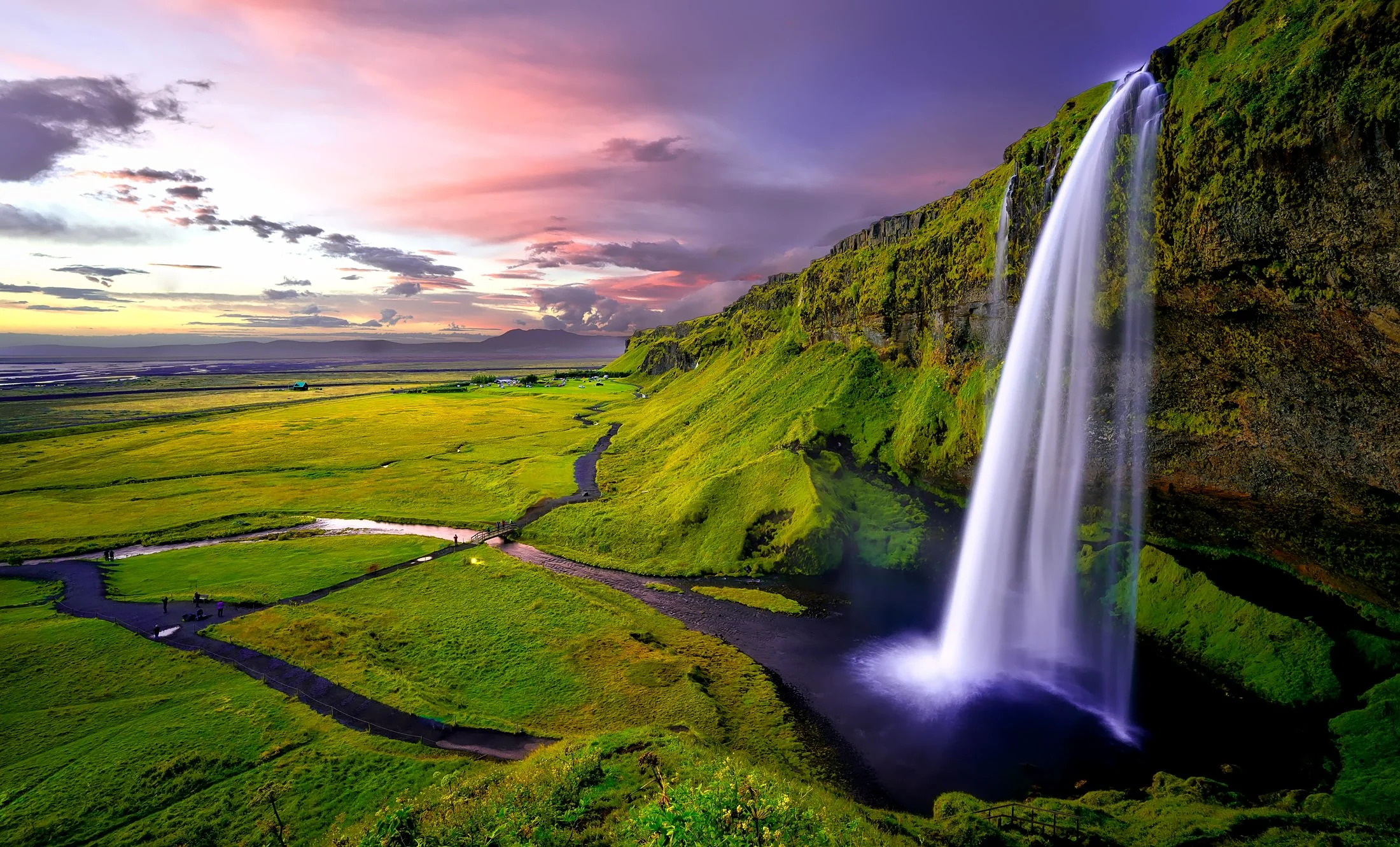
Water is everywhere in Iceland, taking on every possible form. The waterfalls rival each other in power and elegance: Gullfoss roars down multiple tiers, Seljalandsfoss lets you walk right behind its curtain of water, and Dettifoss stuns visitors with its torrential flow.
The north of the country reveals a wilder side: the narrow fjords around Akureyri and Seydisfjordur stretch out in an almost surreal calm, perfect for quiet reflection and spotting local wildlife.
Northern Lights and the Midnight Sun
Iceland is one of the few places on earth where you can experience these two opposing phenomena. Between September and March, the night sky lights up with dancing, unpredictable northern lights. In contrast, during the summer, the midnight sun shines endlessly over the meadows and fjords, turning the night into a permanent twilight.
Friendly tip: to maximize your chances of catching the aurora, get away from city lights and check local solar activity tracking apps.
Hot Springs and Icelandic Culture
After a day out in the biting wind, nothing beats a soak in a thermal bath. The famous Blue Lagoon draws crowds with its milky blue waters, but local village swimming pools offer a more intimate and authentic alternative.
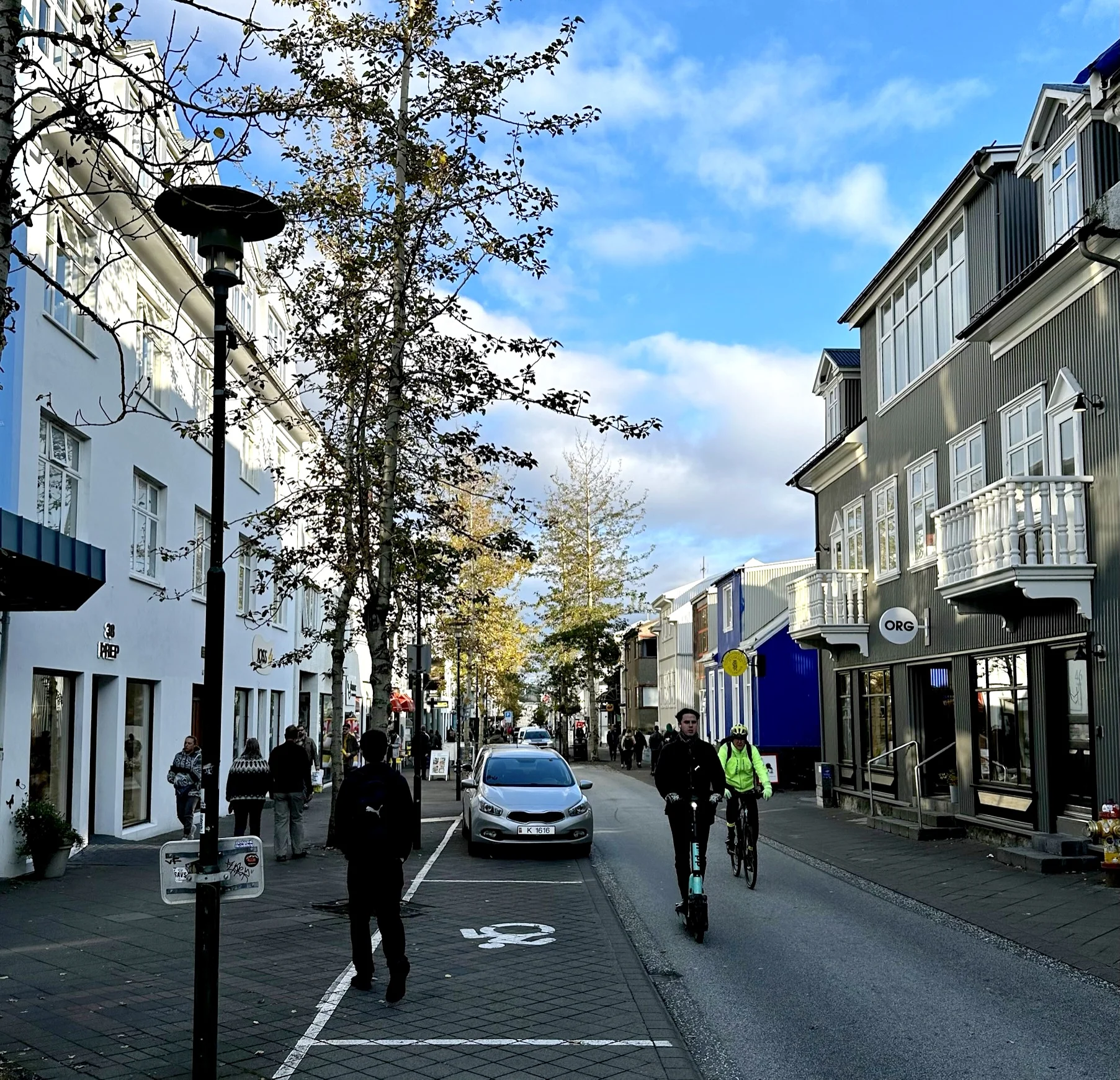
On the cultural side, Reykjavik surprises visitors with its energy: contemporary art galleries, intimate live music spots, and colorful street art. Despite its small size, the capital knows how to keep visitors engaged.
Friendly tip: check out the natural hot pots out in the wild. Some makeshift pools near rivers are free and frequented mostly by locals.
Iceland on Your Plate: Traditions and Unexpected Flavors
Icelandic cuisine relies on simple, robust ingredients. Free-roaming lamb and Atlantic fish take center stage. Traditional dishes can catch you off guard, like fermented shark or thick lamb soup. In the cafes of Reykjavik, you will also find inventive, light, and contemporary dining options.
Anyone with a sweet tooth will enjoy cinnamon pastries and skyr, the thick, protein-packed yogurt that has become a national staple.
When to Visit Iceland?
Summer, from June to August, brings the mildest weather, with temperatures hovering around 10 to 15°C and nearly constant daylight. It is the ideal window for hiking and exploring the country's interior. Winter offers a harsher but magical show, featuring snow-covered landscapes and the northern lights. Spring and autumn charm visitors with quiet crowds and slightly lower prices.
How to Get to Iceland?
Most travelers fly into Keflavik Airport, located about 40 kilometres outside Reykjavik. Ferries also connect Iceland to Denmark and the Faroe Islands, making for a slower but more immersive journey. For true adventurers, you can bring your car on these ferries to explore the island entirely at your own pace.
Getting Around Iceland
A rental car is your best friend for touring the island. The Ring Road, famously known as Route 1, loops around the country and hits most of the major sights. However, certain mountain tracks (F-roads) are strictly for 4x4 vehicles.
Buses cover the main towns and tourist spots, but they are not practical for reaching remote areas. Finally, domestic flights connect Reykjavik to the most isolated regions.