
Laugavegur, the pulse of authentic Reykjavik
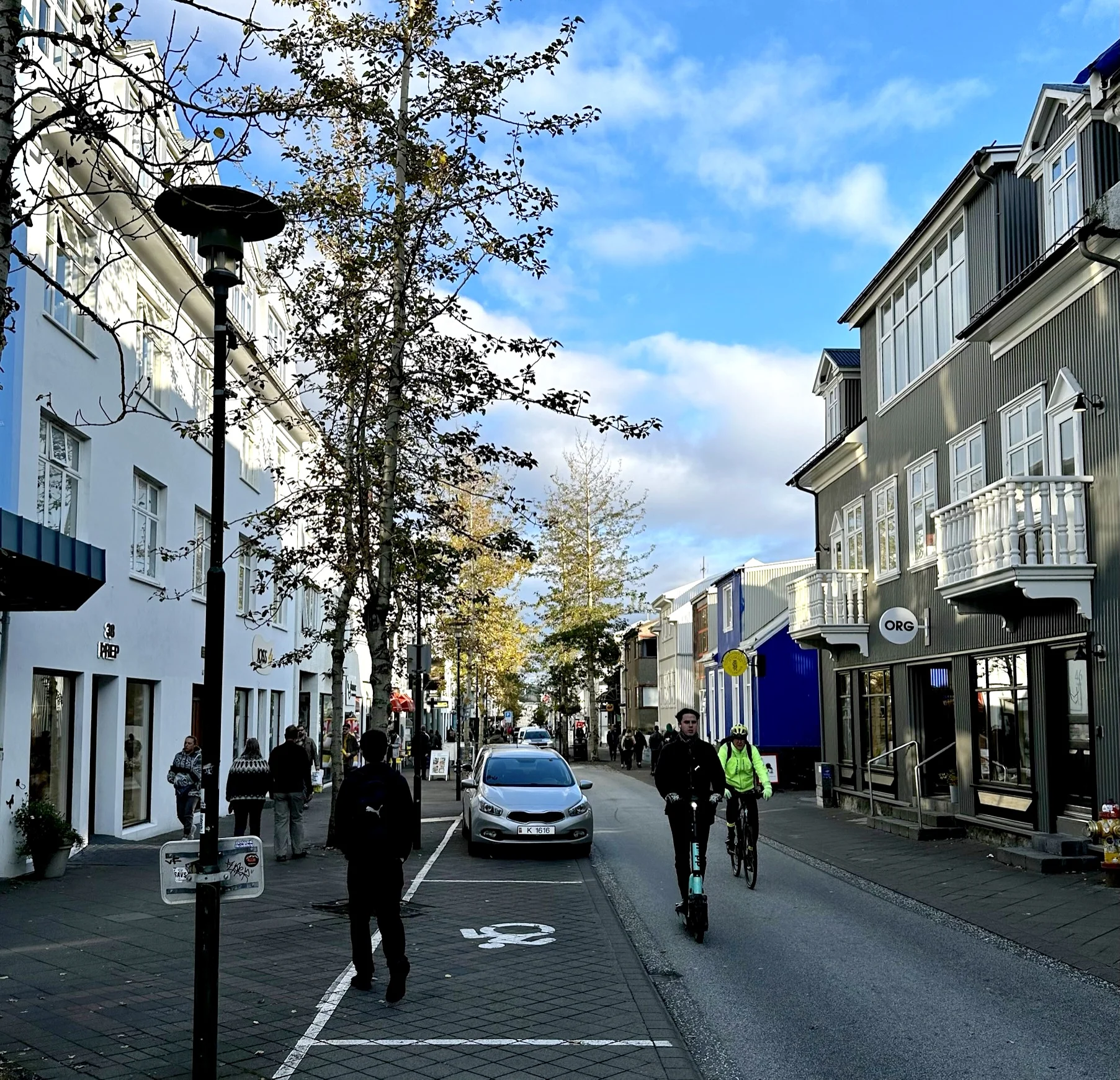
The colorful facades lining Laugavegur form the spine of Reykjavik. This winding one-kilometer stretch captures the essence of the Icelandic capital. It is a dense collection of independent boutiques, steaming coffee shops, bold street art, and an energy that keeps the city moving from morning until late at night.
Why Laugavegur is essential
The name translates literally to "hot spring road," a nod to the days when residents of Reykjavik walked this path to wash laundry in the geothermal pools of Laugardalur. Today, this historic artery serves as the city's beating heart. It is where locals and visitors cross paths, blending tradition with modern Icelandic culture.
From Hlemmur square in the east to Bankastræti in the west, each block reveals a different side of contemporary Iceland.
Shopping and local craftsmanship
Laugavegur holds the highest concentration of shops in the city. You will find a mix of established Icelandic brands and emerging designers.
Where to find a piece of Iceland
- Lopapeysa sweaters in Icelandic wool, knit using traditional techniques at shops like Handknitting Association of Iceland.
- Minimalist Nordic design at Kirsuberjatréð or Kraum, which both showcase the work of local makers.
- Vinyl records and the local music scene at 12 Tónar, an institution since 1998.
- Geothermal skincare products made with volcanic minerals and seaweed.
Emerging designers
Side streets like Laugavegur 19-21 are packed with concept stores where you can find jewelry made from lava, fish-leather accessories, or ceramics inspired by the landscape. Prices reflect the quality of the craftsmanship and the high cost of living in Iceland.
Cafes, dining, and Nordic treats
The street is packed with places to eat. Icelanders take their coffee seriously, and the shops along Laugavegur compete with some of the most comfortable interiors in the city.
Reykjavik Roasters serves what many consider the best coffee in town, while Sandholt Bakery has been turning out Scandinavian pastries and sourdough bread since 1920. For a full meal, options range from the iconic hot dogs at the Bæjarins Beztu Pylsur stand to upscale dining rooms serving fresh lamb and local seafood.
Street art and local culture
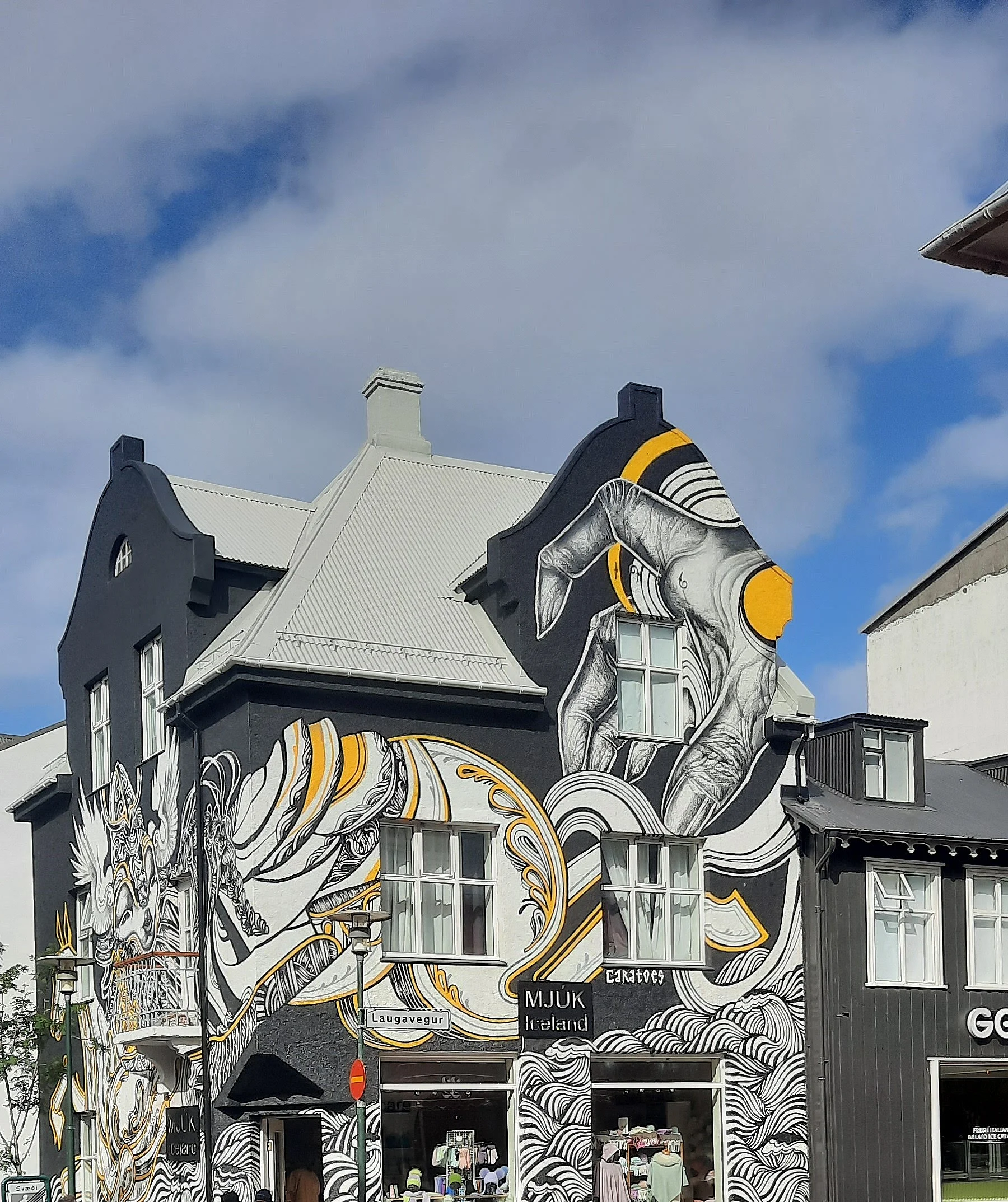
Look up as you walk. The walls along Laugavegur and its parallel streets serve as a canvas for urban artists. The murals change frequently, creating an open-air museum that is always evolving.
The street comes alive on weekends when bars and clubs open their doors for the legendary nightlife of Reykjavik. The energy builds after midnight as crowds move from one spot to the next.
Friendly tip: Visit Laugavegur on a Saturday morning around 10am. The street is waking up, locals are grabbing coffee on terraces despite the chill, and you can browse the shops before the afternoon rush. It is also the perfect time to photograph the colorful buildings without the crowds.

A key thoroughfare in the Icelandic capital, I really enjoyed walking around here during my trip. You can find original boutiques, cool bars, and restaurants to take a nice warm break! You will also see some great examples of street art, and you will easily understand why this is the most commercial street in the city and even the country!