
Where to stay in Iceland: the 4 areas to know in 2026
Here, the real choice comes down to staying put or keeping moving. You have two ways to do it: use Reykjavík as a base camp for day trips, or follow Route 1 and switch beds every night. The season dictates the approach just as much as your personal style.
Four stops follow, in the order you hit them driving east. Accommodation is expensive across the board, so expect around $230* a night, a bit less for a countryside guesthouse. Six members of our community shared their experiences, and their accounts shape this guide.
Compare hotel prices in Iceland
In a hurry? Find the best accommodation deals in 3 clicks.
Compare live deals from Booking, Expedia, Agoda and other partners.
To give yourself enough time to visit everything, Reykjavik, the country's capital, makes for an excellent home base. The city is connected by road to the region's main attractions and offers a fairly lively environment.
How many nights in each area?
Doing the complete island loop requires ten days and open roads. Anything less makes it smarter to settle into a base camp than to chase an incomplete itinerary.
- Extended weekend, 3 nights: Everything out of Reykjavík, with day trips to the Golden Circle and the Blue Lagoon. It is the only setup that makes sense in the middle of winter.
- One week, South Coast: 2 nights in Reykjavík, 1 in the Golden Circle, 3 on the South Coast. It is the classic route, broken into drives of one to two hours.
- Island loop, 10 nights: 2 in Reykjavík, 4 on the South Coast out to Höfn, 3 in Akureyri and the north, 1 on the way back. Route 1 needs to be clear, so plan this between June and September.
- Budget traveler: Hostels in Reykjavík run around $91*, with kitchen-equipped cabins elsewhere. Eating out here costs just as much as sleeping out.
At a glance: our picks by traveller type
Pick the profile that fits you and go straight to the recommended area.
Map of the areas in Iceland
See how the areas sit relative to one another before choosing your base. Click a name to jump to its description.
Reykjavík Southwest
for a fixed base year-round
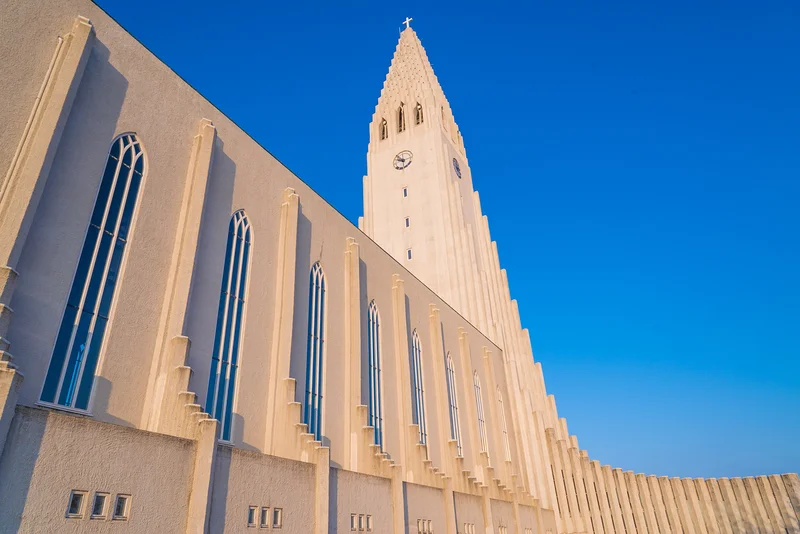
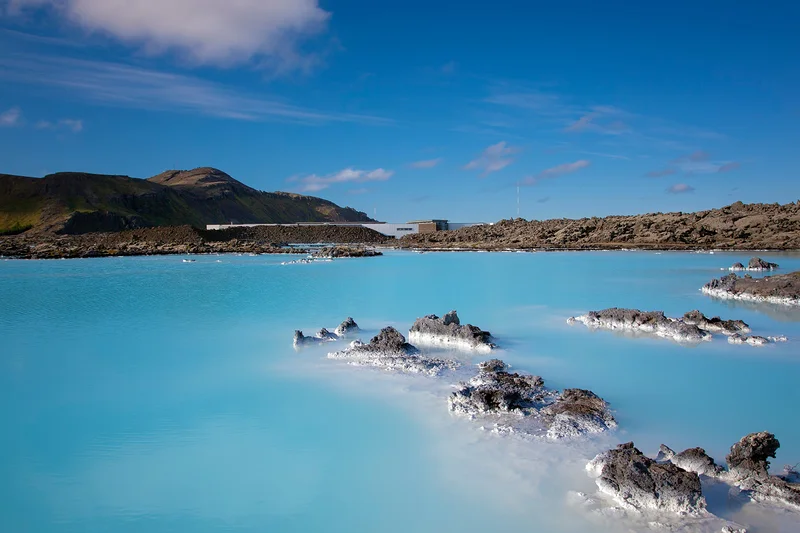
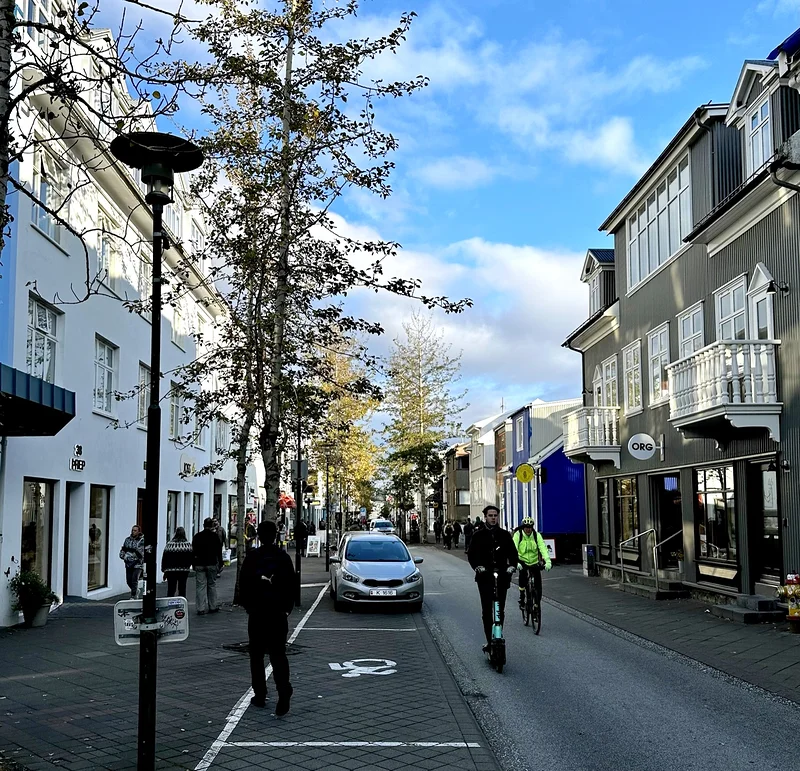
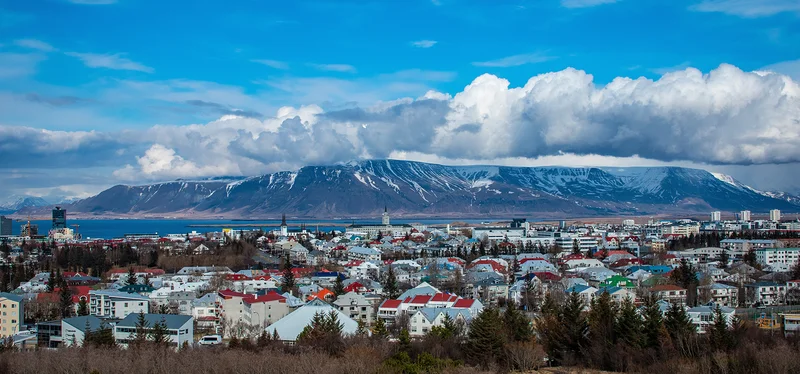
The country's only real city centers on a few blocks around Laugavegur, the main shopping strip, and Hallgrímskirkja, where the church tower looks out over colorful roofs and the ocean. Everything starts here, from the Golden Circle and the South Coast to the Blue Lagoon and the airport, plus it is the only area easy to navigate in winter. The tradeoff is that the dramatic landscapes sit hours away, meaning plenty of time behind the wheel.
Beyond the wild landscapes of Iceland, a lively capital reveals itself. Reykjavik is one of the few places in the country that is easily accessible all year round.
The towns in this area
What to see and do in this area
Where to stay in this area
Iceland Parliament Hotel, Curio Collection By Hilton Luxury
Right downtown, steps from the parliament and the old town. The kind of comfort you appreciate after a day outside in bad weather.
Hotel Reykjavík Saga Mid-range
Garden, patio, and restaurant, a short distance from Laugavegur. A straightforward spot, well located for walking back from dinner.
Nordic Hostel Budget
Downtown hostel with a common room and bar. In a country where a double room often clears $230*, this is what makes a long stay possible.
Pros
- Accessible all year when interior roads close
- Restaurants, bars, and museums within walking distance
- All day-trip excursions depart from here
Cons
- Major sights require a two- to three-hour drive
- The highest rates in the country, outside of peak season
The Golden Circle, around Laugarvatn Interior southwest
to see the geysers without the morning tour buses
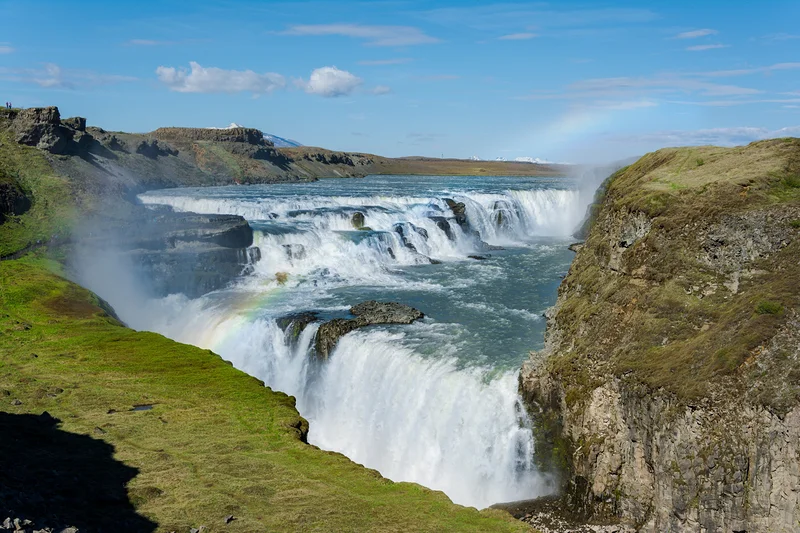
The three most visited sites in the country fit within a fifty-kilometre radius: the Geysir hot springs, whose eruptions Emilee describes shooting eighty metres high, the Gullfoss waterfall, and Thingvellir park. Staying right there means seeing them outside the windows when the capital's tour buses descend. The downside: almost no restaurants, and quiet evenings.
The towns in this area
Where to stay in this area
Vatnsholt Bed & Breakfast Mid-range
A converted farmhouse with mountain views, about fifteen kilometres from Selfoss. The kind of place where you share dinner with the hosts because there are no other options, and it turns out to be a great experience.
Gesthus Selfoss Budget
Cabins and summer homes in Selfoss equipped with kitchens. Handy for a family road trip, and for cooking meals instead of paying restaurant markups.
Pros
- The major sights before the Reykjavik buses arrive
- Geothermal pools open in the evening
- A logical stop between the capital and the south coast
Cons
- Hardly any dinner spots open in the evening outside of guesthouses
- Secondary roads turn tricky fast during winter
The south coast, from Vík to Höfn Route 1, southeast
For waterfalls, black sand beaches, and glaciers
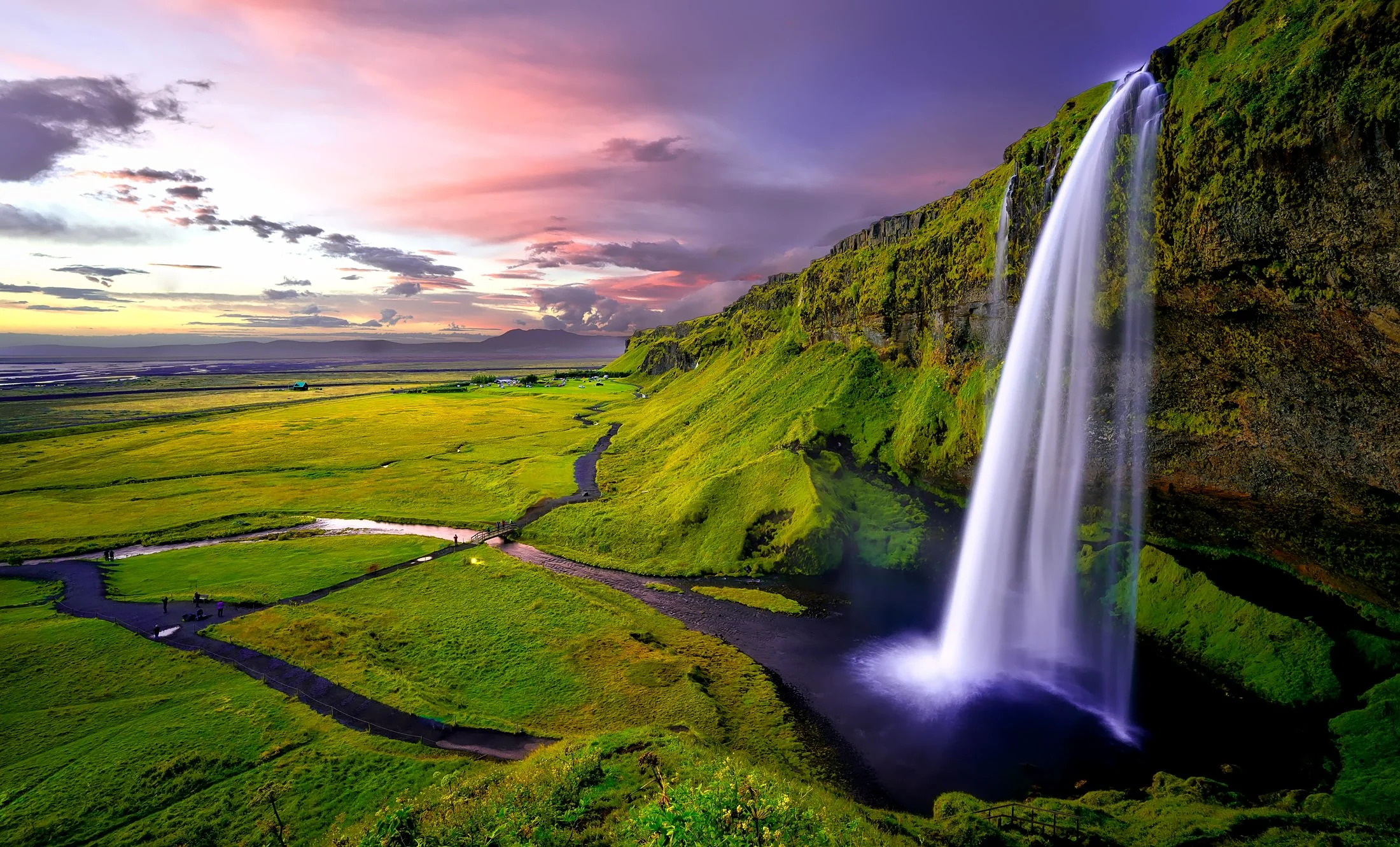
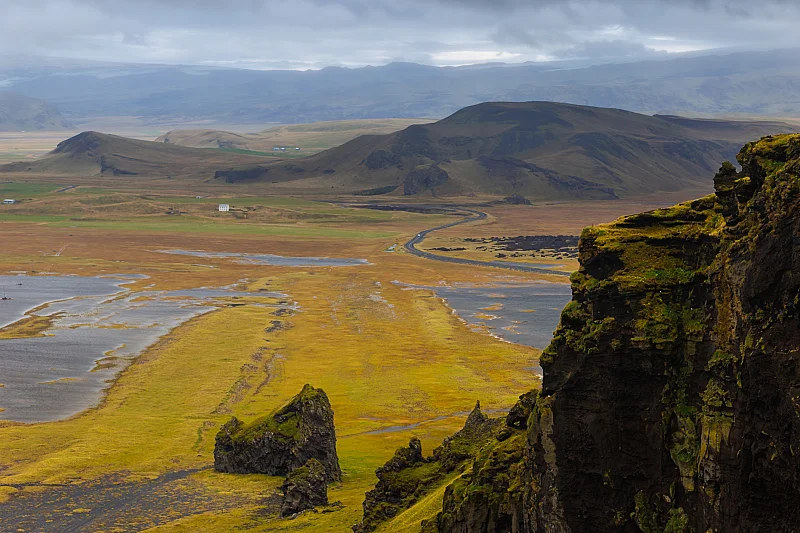
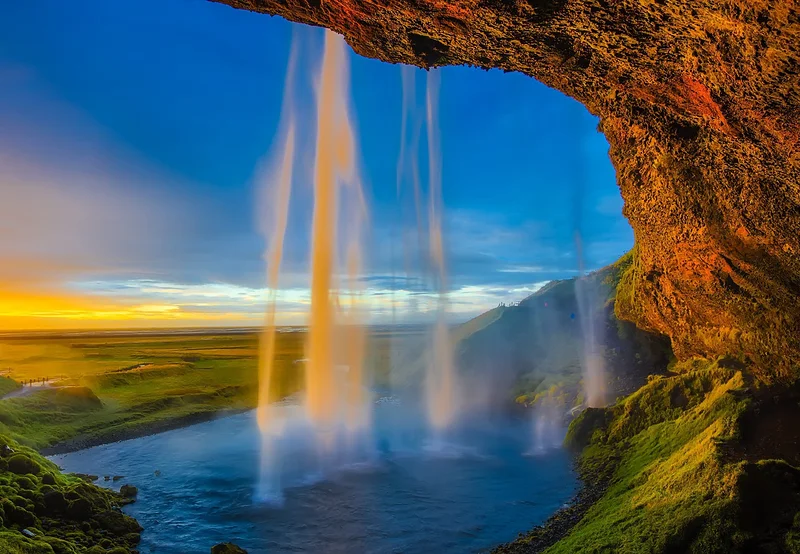
This is the most dramatic stretch of the country, and the main reason to pack your bags and move. Seljalandsfoss, where Shanour K suggests walking behind the cascade even if you get soaked, the headland of Dyrhólaey, the black sand beaches of Vík, followed by the Skaftafell glacier tongue and the Jökulsárlón lagoon, where JeromeA watched icebergs crack open as seals looked on. The catch: every single stop means repacking your bags.
Here is the spot that blew my mind the most during my road trip in Iceland. [...] You can walk along the lake and the glacier while seals and birds watch you. The icebergs crack and move, a truly magical world!
The towns in this area
What to see and do in this area
Where to stay in this area
Black Beach Suites Luxury
Deck and ocean views in Vík, just a few miles from the Reynisfjara beach. You wake up right in front of the scenery you came to photograph.
Skammidalur cottages Mid-range
Lake-view cottages with private parking on the edge of Vík. A straightforward stop between the western waterfalls and eastern glaciers.
Skýjaborg Apartments Mid-range
Right in downtown Höfn, a short walk from the harbor. The town thrives on langoustine, and this is the spot to eat it.
REY Stays - House Budget
House with a terrace and parking in Höfn, the final stop before the East Fjords. Kitchen facilities included, which matters on a long road trip.
Pros
- The highest concentration of major sights in the country
- Northern lights visible right from the deck, far from any city glow
- Short drives: one to two hours between stops
Cons
- A new stop every night, meaning packing up each morning
- High winds and frequent winter road closures
Akureyri and the north Eyjafjörður Fjord
for whales and the half of the country most visitors miss
Iceland's second largest city sits at the end of a sixty-kilometre fjord, acting as the gateway to the north for destinations like the Goðafoss waterfall, Lake Mývatn and its geothermal baths, and Húsavík, the departure port for whale watching boats. This is the half of the country that short trips skip entirely. The catch is straightforward: a six-hour drive from Reykjavík or an internal flight.
Where to stay in this area
Hotel Akureyri Mid-range
Right on Hafnarstræti, the main street, less than two kilometres from the airport. Offers views over the fjord and puts the entire center within walking distance.
Hotel Halond Mid-range
Garden, terrace, and private parking located on the outskirts along the road to Goðafoss. The practical choice when heading out early toward the east the next morning.
Pros
- Whale watching excursions out of Húsavík, ranking among the most reliable in Europe
- Lake Mývatn and its geothermal baths, without the heavy crowds of the Blue Lagoon
- An authentic city featuring local restaurants and a municipal pool
Cons
- A six-hour drive from the capital, or an additional flight
- During the off-season, many accommodations and excursions shut down
Our tips for booking the right place
- The season closes roads, not just hotels: From November to April, the interior and parts of the north become impassable, and Route 1 itself shuts down during storms. A member of our community puts it another way: Reykjavík is one of the few places you can actually get around year-round. Plan your winter road trip with short drives and keep it close to the capital.
- Cooking your own meals changes the whole trip budget: Dining out often costs as much as your lodging. Cabins and guesthouses with kitchens, which are common outside the capital, can cut your weekly expenses by a third. That is where you actually save money here, way more than on hotel choice.
- Spending just one night per stop rarely works out: Along the south coast, the weather dictates what you get to see. Booking two nights in the same spot gives you a second chance at a site you missed in the pouring rain, and saves you from packing up every single morning.
- Sleeping near Keflavík Airport thinking you are saving time: the area is a lifeless lava desert, sitting forty-five minutes away from downtown. Only an early morning flight justifies staying there.
- Aiming for the Highlands outside of July and August means trails open late, close early, require a real 4x4, and lodging is limited to mountain huts that book up months in advance.
- Trying to do Reykjavík and the north in three nights means six hours of driving each way and barely a single day on the ground. Save the north for a trip of at least a week.
FAQ: where to stay in Iceland
Should you stay in Reykjavík or move hotels every night?
Where can you stay on a budget in Iceland?
How many nights should you book?
Can you see the northern lights right from your hotel?
Is a rental car necessary?
When is the best time to go?
Where to stay in Iceland, city by city:
Reykjavik
See prices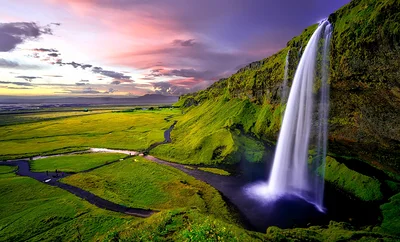 Keep exploring
What to do in Iceland
Keep exploring
What to do in Iceland
Comments (0)
No comments yet. Be the first!