
Montpellier, the Mediterranean rebel that does things its own way
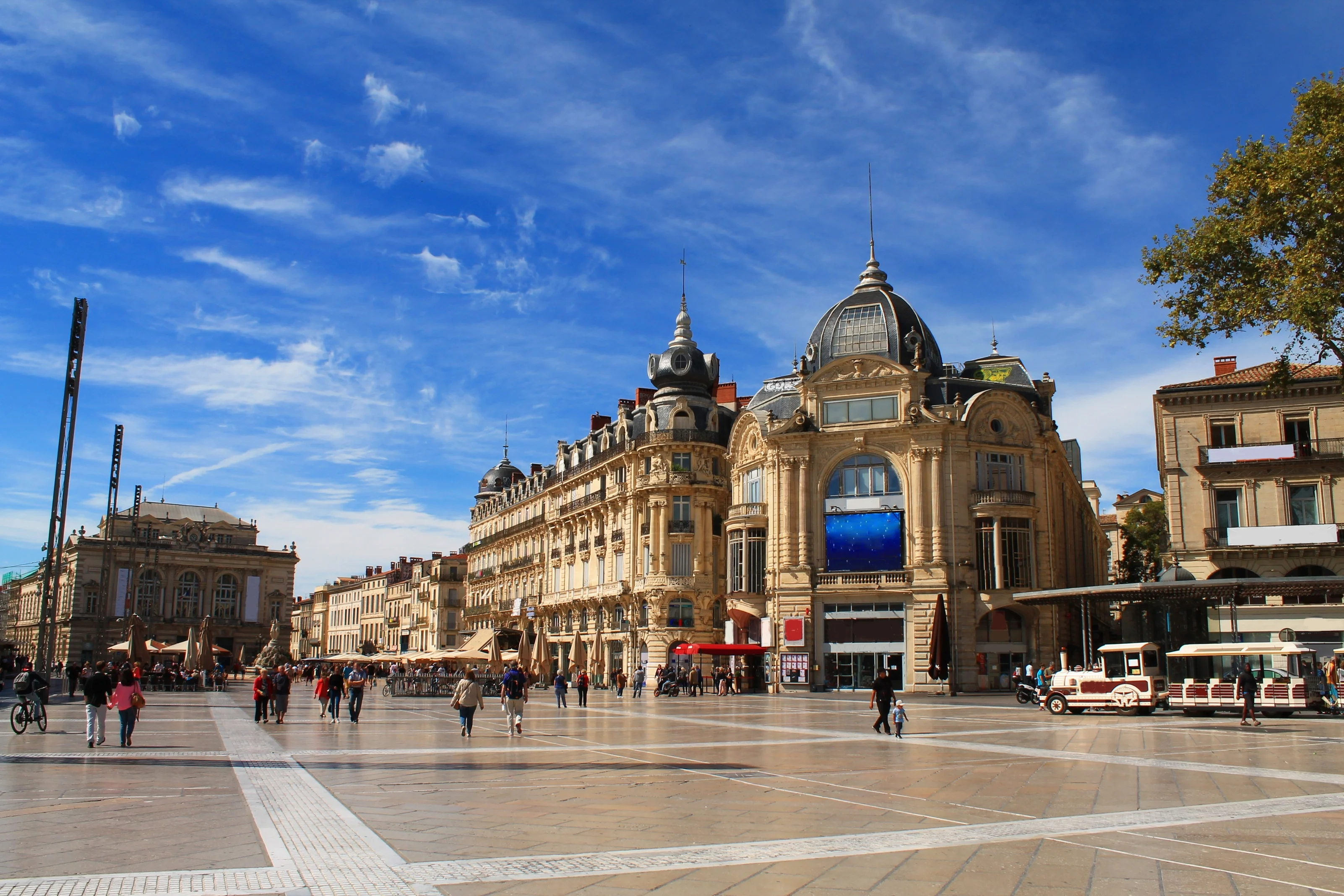
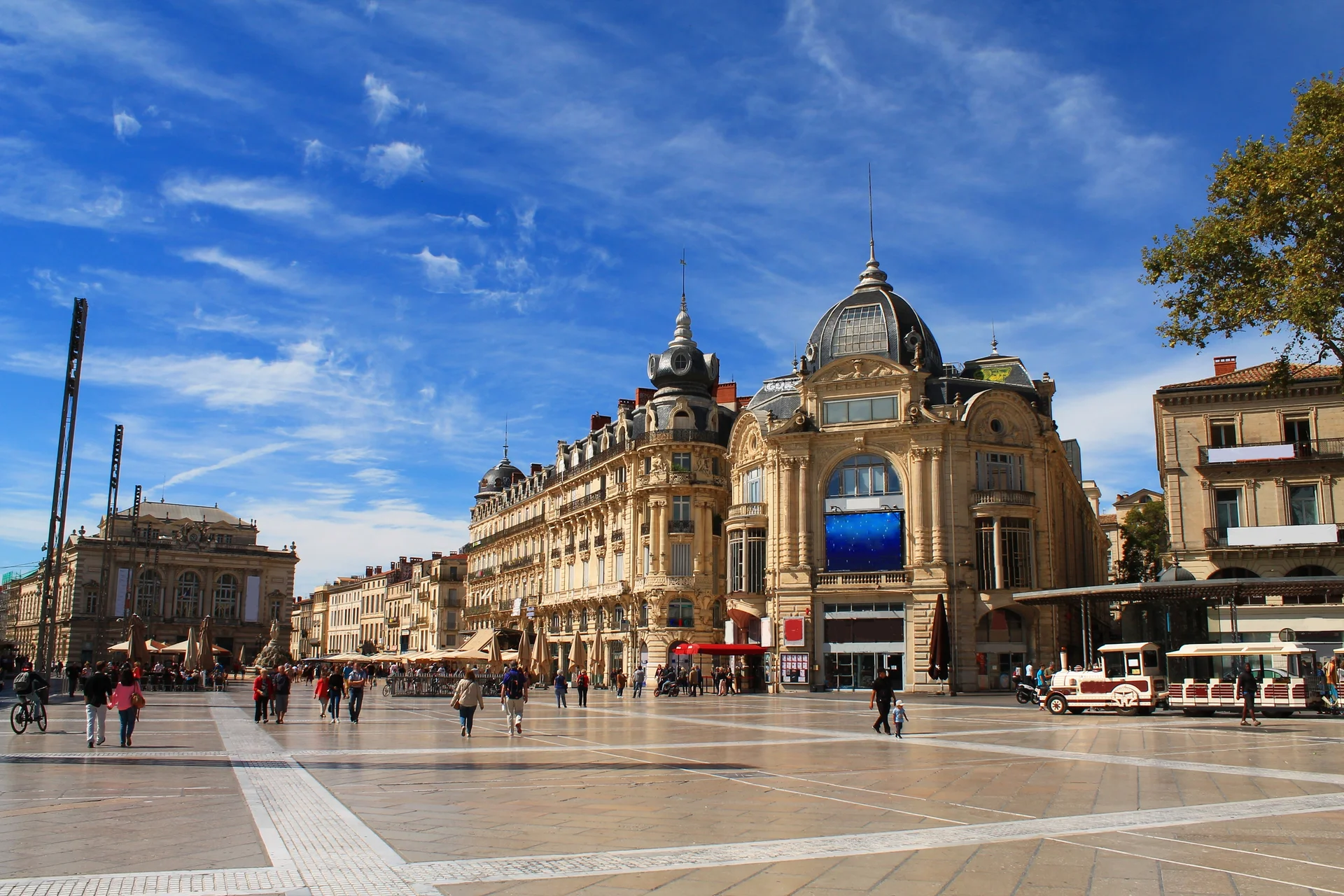
It is 8:00 AM on Place de la Comédie. The outdoor terraces are still empty, morning light grazes the ochre building facades, and only a few joggers are crossing the esplanade that locals simply call "the egg" because of its oval shape. In two hours, the square will fill up with a mixed crowd of college students, travelers, and busy locals. But for now, the city belongs to the early risers. This duality sums up Montpellier well: a thousand-year-old city that refuses to stay trapped in its past, a southern hub that favors audacity over summer sluggishness.
Montpellier is for you if you like multi-layered cities
Montpellier draws travelers looking for an alternative to the crowded French Riviera. Here, you will not find flashiness or showy yachts. Instead, the city appeals to fans of contemporary architecture, medieval history buffs, and anyone who wants the Mediterranean without paying Nice or Cannes prices. Students make up nearly a quarter of the population, which explains the high-energy nightlife and the impressive number of tapas bars.
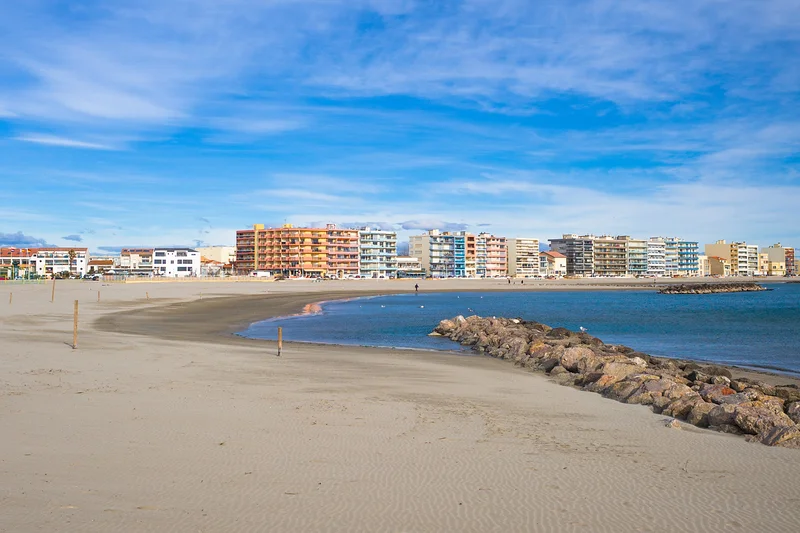
On the other hand, if you are after absolute quiet or a picture-postcard beach right next downtown, look elsewhere. The nearest beaches are in Palavas or Carnon, about twenty minutes away by car or streetcar. And in the summer, be ready for some serious heat: 95°F in the shade during August is standard.
A fairly reasonable budget for the South
Plan on spending between $90 and $169* per day for a couple, lodging included. A decent downtown hotel room runs around $79-$113* a night, and a restaurant meal costs between $17 and $29* per person. The streetcar fare is $1.80* a ticket, and municipal museums are free on the first Sunday of every month.
L'Écusson: the medieval heart where getting lost is part of the fun
Montpellier's historic center gets its name from its coat-of-arms shape. Its winding, car-free alleyways hide private mansions whose inner courtyards are stunning. Most are closed to the public, but some open their doors during Heritage Days in September. The rest of the year, feel free to push open a half-open door, as nobody will mind.
rue de l'Ancien Courrier is lined with independent designer boutiques and gourmet food shops. Further north, the Saint-Roch neighborhood is packed with the best wine bars in town. At night, the energy picks up here without ever getting out of hand.
Friendly tip: head up to the panoramic terrace of the Corum parking garage. Admission is free, and the view over the rooftops of L'Écusson and the distant Cévennes mountains easily rivals what you get at paid viewpoints.
Antigone and Port Marianne: the other side of Montpellier
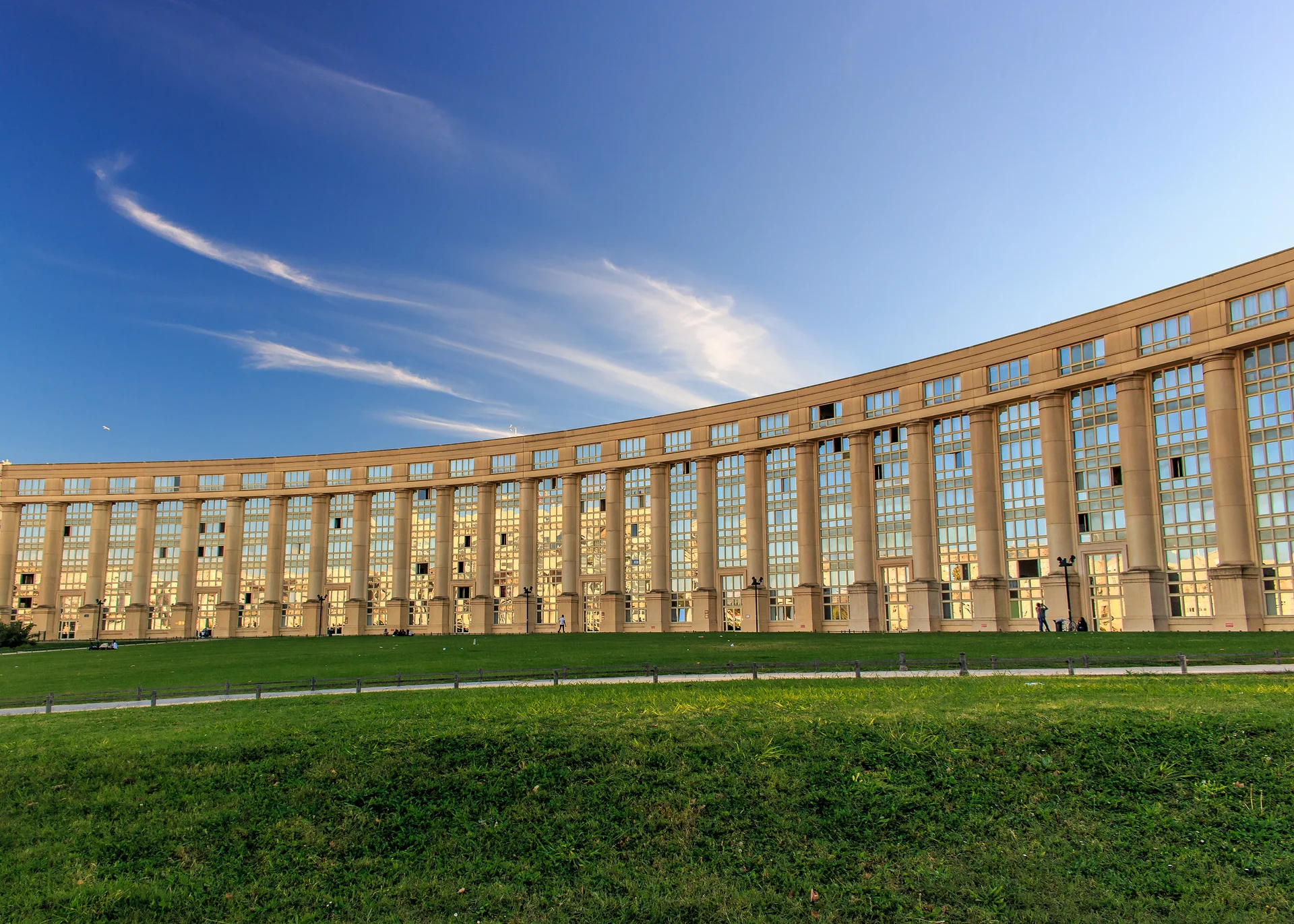
East of L'Écusson, the Antigone neighborhood surprises visitors who stumble upon it. Designed by Catalan architect Ricardo Bofill in the 1980s, this neoclassical precast concrete development sparks strong opinions. Some find it grandiose, while others call it cold and pretentious. One thing is certain: you have never seen anything quite like it elsewhere in France.
Keep walking toward the bassin Jacques Cœur and the Hôtel de Région, where the striking blue building reflects off the water. On Sunday mornings, families crowd the banks of the Lez River for picnics. The vibe here is laid-back and almost village-like.
The Botanical Garden and the Faculty of Medicine
Founded in 1593, the Jardin des Plantes in Montpellier is the oldest botanical garden in France. Rabelais studied medicine here back in the 16th century. The grounds keep a studious, secretive atmosphere far away from the bustle of the center. Shaded paths offer a welcome refuge on scorching summer days.
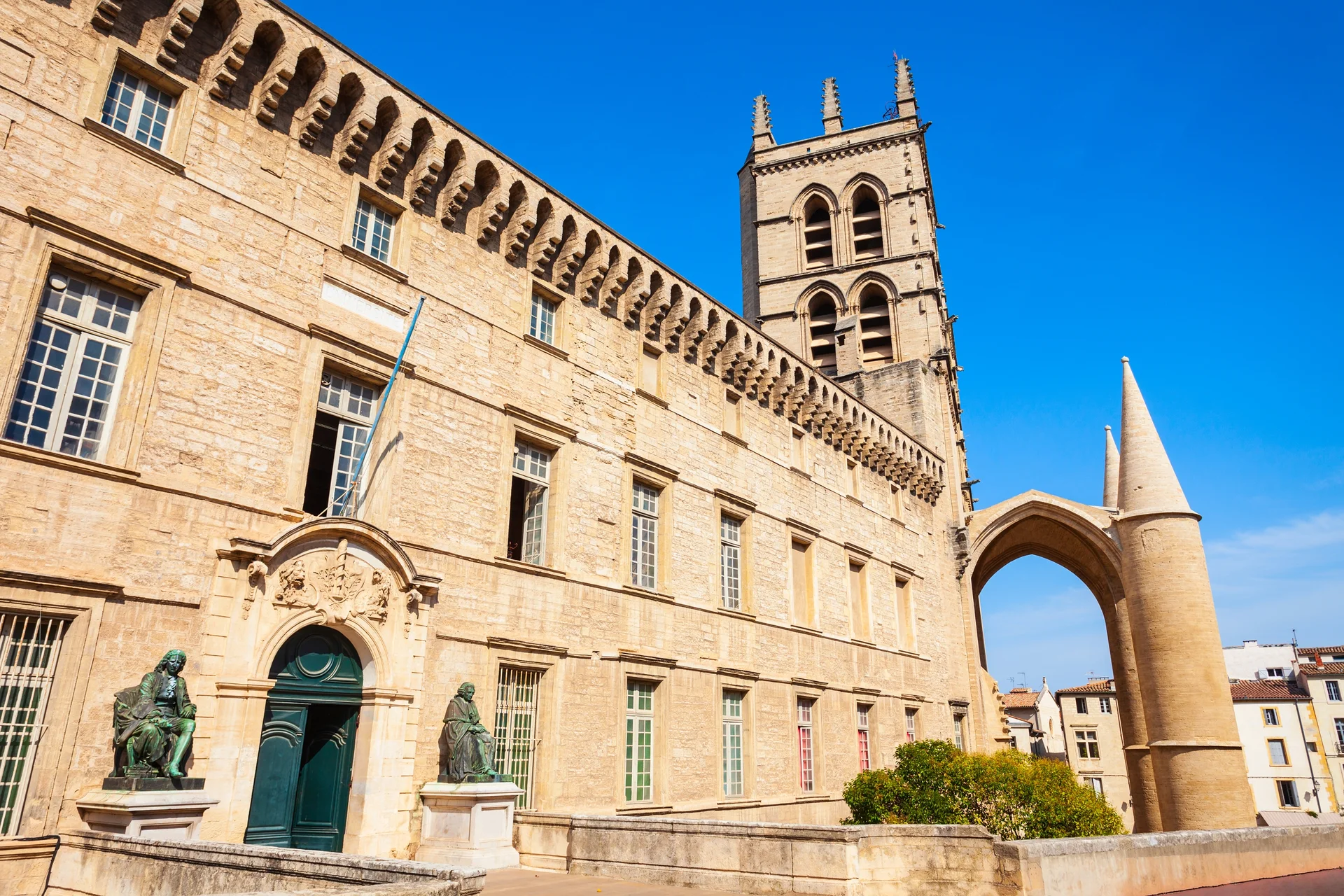
Right next door, the Faculty of Medicine occupies a former Benedictine monastery. Its Musée Atger holds a collection of old drawings that most people overlook. Admission is free. Very few tourists wander in, which only adds to the charm.
The markets: the true pulse of the city
The Arceaux market, held Tuesday and Saturday mornings beneath the arches of the Saint-Clément aqueduct, is a favorite weekend routine for locals. You will find aged pélardon goat cheese from the Cévennes, Lucques olives, and Pic Saint-Loup wines sold directly by local winemakers. Get there before 10:00 AM to beat the rush.
The Plan Cabanes market, smaller and lesser-known, takes place Sunday mornings in the Figuerolles neighborhood. The atmosphere is more working-class and the prices are lower. Regulars hang out here for a casual brunch featuring a glass of white wine and a plate of cured meats.
Friendly tip: try the tielle sétoise, an octopus pie originating from Sète that you can find at every regional market. Eaten cold or warm, it is the ideal snack while walking around.
Where to eat and drink in Montpellier
Montpellier cuisine draws from Languedoc, Provence, and Catalonia. The sweet-and-savory Pézenas meat pastries take some getting used to at first bite, but they quickly grow on you. Salt cod brandade is served in traditional neighborhood bistros throughout L'Écusson. As for wine, the Pic Saint-Loup and Terrasses du Larzac appellations produce powerful reds that now rival the top crus of the Rhône Valley.
For a drink, head to the Saint-Roch neighborhood and its natural wine bars, or grab an outdoor table on Place Jean-Jaurès for a more festive crowd. Café Joseph, a local institution, serves excellent coffee roasted right on the premises.
How to get to and around Montpellier
Montpellier-Méditerranée Airport handles low-cost flights from numerous European cities. The airport shuttle into town costs $3*. By high-speed TGV train, Paris is 3 hours and 20 minutes away, Barcelona is 2 hours and 50 minutes away, and Lyon is 1 hour and 45 minutes away. Once you arrive, four streetcar lines cover most of the metro area. A car is only useful if you want to explore the backcountry: the Cévennes, the cirque de Navacelles, or the winemaking villages around Pic Saint-Loup.
When to go?
Spring and autumn offer the best conditions with mild temperatures, golden light, and moderate crowds. Summer brings heavy beach traffic and turns the downtown streets into an oven. Avoid the week of August 15, a national holiday in France and the peak of the summer exodus, if you want to dodge intense heat and traffic jams heading toward the coast. Winter remains pleasant, with January averages around 50°F and plenty of sunshine.
Montpellier is my daily life: between after-work drinks at place du Marche aux Fleurs, walks under the plane trees at Peyrou, and the energy from the universities. We live life outdoors here, summer and winter, and the sing-song accent reminds you that you are definitely in the South. A city on a human scale, where everything is done by bike. You never get bored here.