
Villeneuve-lès-Maguelone, Where a Cathedral Floats on the Lagoons
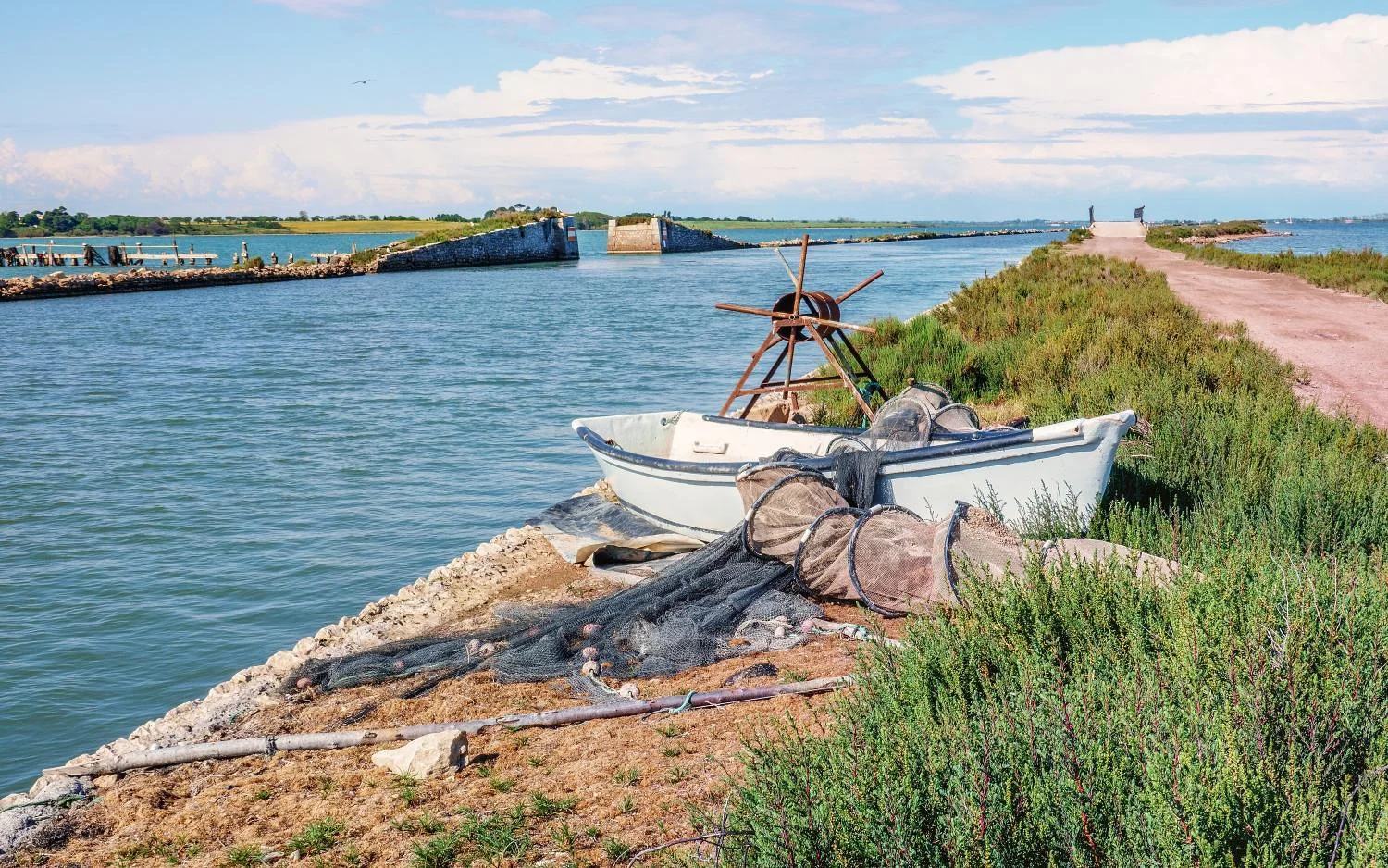
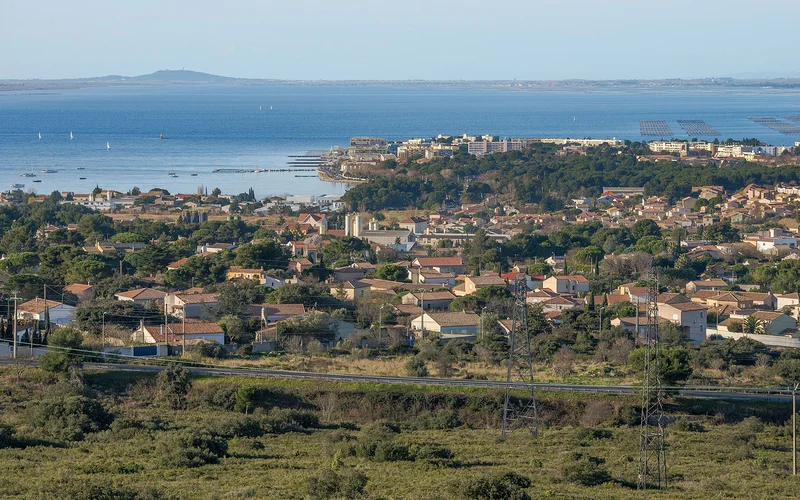
A bishopric on a volcanic island, flamingos parading a few feet from an untamed 9-kilometer beach, and vineyards producing a socially conscious wine. That is the unusual setup waiting for you in this small town in the Hérault department, nestled just 10 km from Montpellier. The painter Gustave Courbet set up his easel here in 1854 to capture these coastal landscapes. Today, the site holds Natura 2000 protected status.
A Destination for Raw Nature Lovers
This is not your typical beach resort. The shoreline stays wild here, with zero construction in sight. Families love the peace and quiet, while birdwatchers are in heaven around the colonies of greater flamingos and egrets. Romanesque architecture enthusiasts will find the fortified cathedral to be an exceptional piece of Languedoc medieval history. On the flip side, anyone looking for a bustling nightlife scene will likely find things too quiet.
Logistics to Keep in Mind
Getting onto the peninsula takes a bit of planning. The pedestrian footbridge from the Pilou parking lot closes around 5:30 PM. The small free tourist train only runs between April and September. Plan for a 15 to 20 minute walk from the parking area.
Budget: The Nature Lover's Win
Entry to the cathedral is free, as are the beaches and trails. The Pilou parking lot costs $6.80* for the day, but it is free after 6 PM. Expect to spend $23 to $45* per person for a meal at the Compagnons restaurant.
Maguelone Cathedral: A Thousand Years of Island History
Saint-Pierre-et-Saint-Paul Cathedral rises straight out of the vineyards and centuries-old pine trees. This fortified church with 2-meter-thick walls hosted popes and bishops as early as the 6th century. The current building dates back to the 12th and 13th centuries. The nave's incredible acoustics make it the stage for the Early Music Festival, which has drawn international artists like Jordi Savall every June since 1984.
Friendly tip: grab an audio guide to fully grasp the fascinating history of this place. Albino peacocks wander freely around the adjoining park.
The Salt Flats and Lagoons: Kingdom of the Flamingos
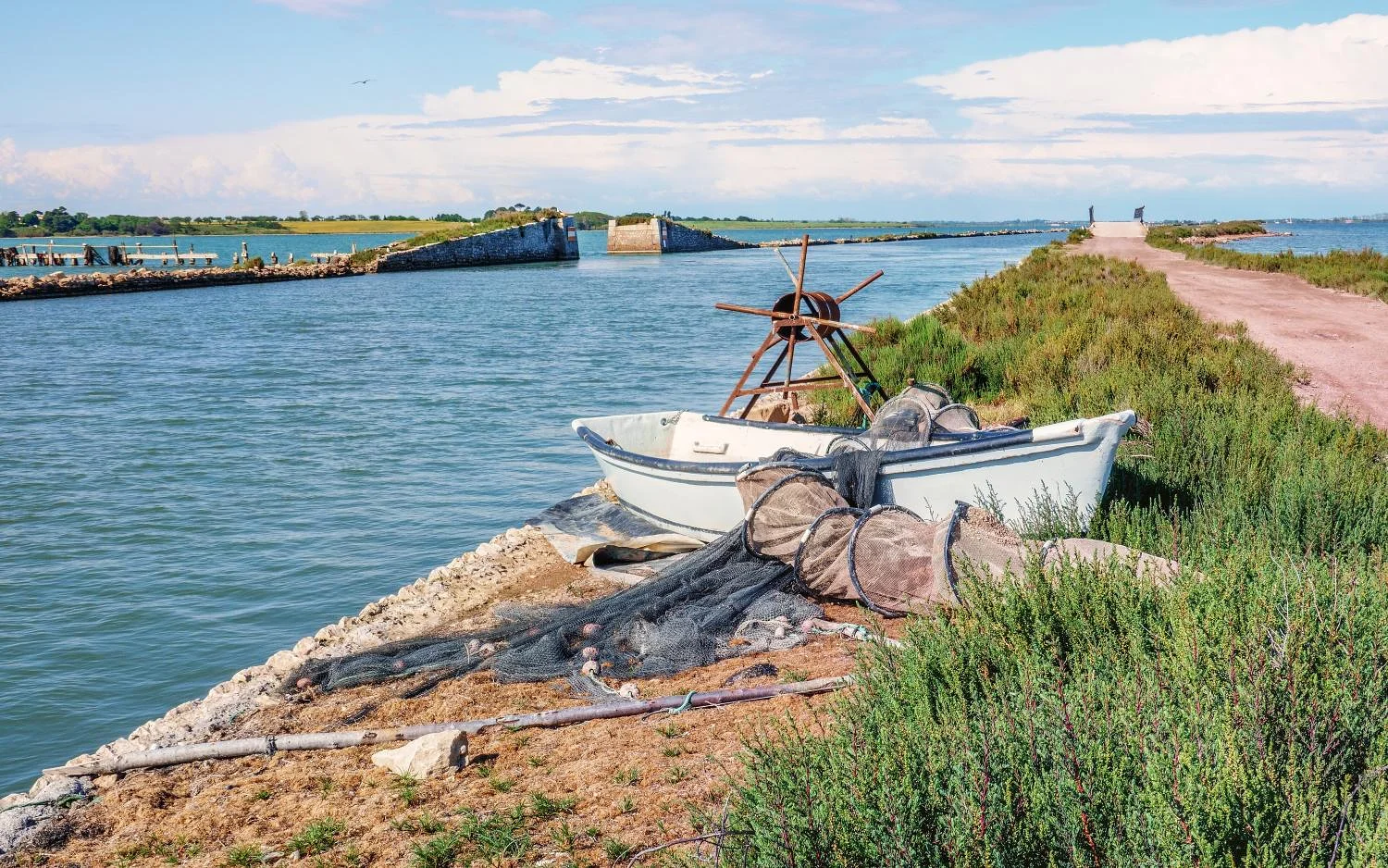
The Salines de Villeneuve cover 292 hectares. Farmed as early as the 12th century by the bishopric of Maguelone and shut down in 1969, the salt flats now belong to the Conservatoire du Littoral. This patchwork of freshwater and saltwater ecosystems draws spectacular birdlife: hundreds of flamingos, little egrets, pied avocets, and black-winged stilts. Winter is the prime season for watching the flamingos court. Keep in mind that part of the site closes from April to mid-August to protect nesting birds.
Several marked trails cross the property. The Estagnol National Nature Reserve rounds out the picture with rare species like the Eurasian bittern.
Maguelone Beach: 9 km of Protected Coastline
This is easily the wildest stretch of sand on the Languedoc coast. A 9-kilometer dune ridge separates the lagoons from the Mediterranean Sea, with not a single building in sight. The sand shifts into pebble zones depending on the section. The spot is famous for kitesurfing, hosting the Festikite every September. Prévost Beach on the Palavas side offers easier access with a lifeguard station.
Maguelone Vineyards: Wine With a Purpose
The Domaine des Compagnons de Maguelone farms 18 hectares of organic vineyards around the cathedral on a unique volcanic terroir. This estate operates as an ESAT, employing adults with disabilities to produce certified wines. The "Insula," "La Volta," and "Witiza" cuvées pay tribute to the peninsula's history. A tasting on-site is a great way to support this social enterprise.
The Domaine du Chapitre, right in the heart of the village, also pours wines and sells olive oil from inside 19th-century former stables. Villeneuve used to be nicknamed the "table grape capital" for its vineyards dedicated to Chasselas grapes.
Where to Eat and Drink in Villeneuve-lès-Maguelone
The Comptoir des Compagnons, right next to the cathedral, serves straightforward meals made with local and organic ingredients, overlooking the vines. Adults with disabilities handle the service under the supervision of job coaches. The adjoining shop sells the estate's wines and produce from the garden. Local specialties center around regional wines, muscat, and local olive oil.
Where to Stay in Villeneuve-lès-Maguelone
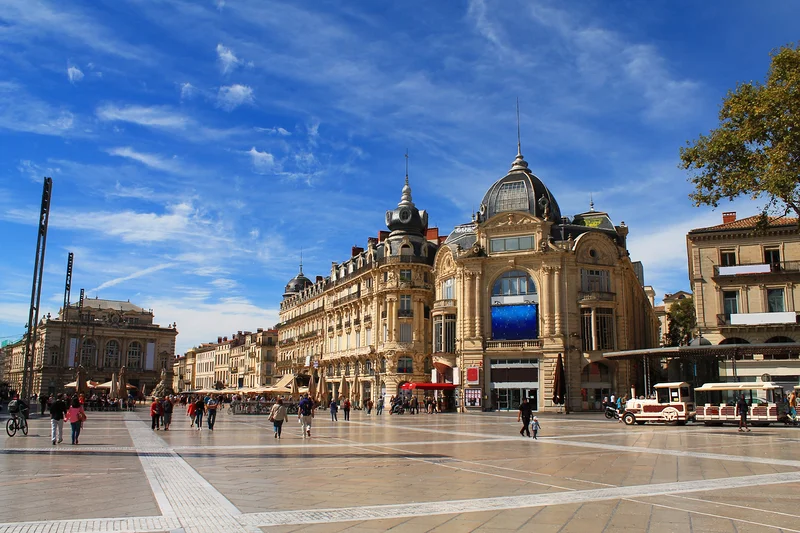
Camping de l'Arnel offers mobile homes with a pool just a few miles from the beaches. For more options, Palavas-les-Flots provides a full range of lodgings 5 km away. Montpellier makes an ideal base for day trips, with a train ride taking about ten minutes.
How to Get Around Villeneuve-lès-Maguelone
Trains run from Montpellier Saint-Roch station to Villeneuve in 4 minutes for $3.40*. Bus line 32 leaves from the Garcia Lorca stop and reaches the village in 12 minutes for $2.30*. If you are driving, expect a 12-minute trip from Montpellier. Montpellier-Méditerranée Airport sits 15 km away. Bicycles are ideal for exploring the area thanks to dedicated bike paths.
When to go?
Spring and fall strike the best balance between good weather and smaller crowds. The Early Music Festival brings the cathedral to life in early June, and Festikite energizes the beach in September. To see the flamingos court, plan your visit for the winter months.
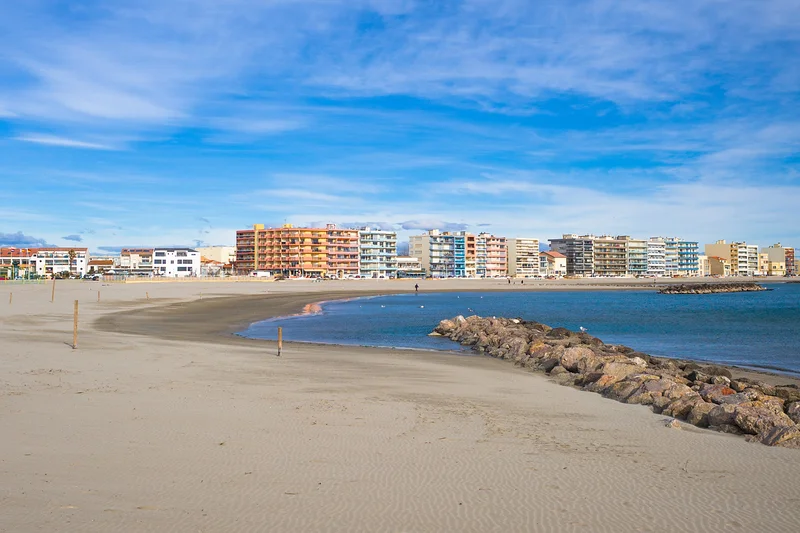
I have spent so many summers in Montpellier, and every time, we would go to the beach at Villeneuve-lès-Maguelone by bike. What a joy to go for a swim after 45 minutes of effort! The beach is really very quiet (it is a naturist beach, just so you know) compared to the one in Palavas, which is often crowded in the summer. Here, you can be sure to have all the space you need, even in the middle of August.