
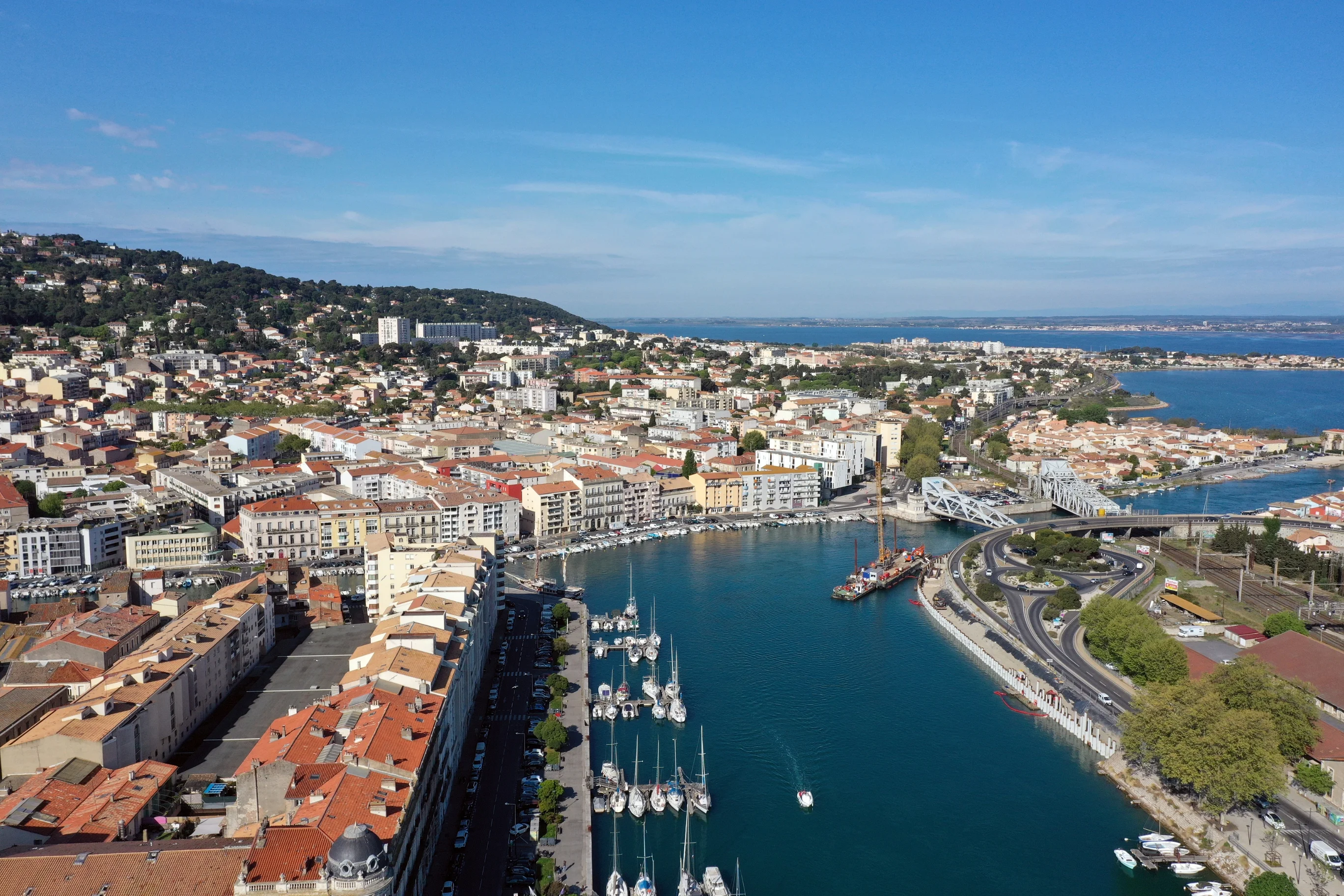
Visiting Sète, the unique island where water sets the rules
What if the true heart of a city wasn't a town square, but a canal? In Sète, that question doesn't even come up. Here, water isn't just scenery, it is the main stage where daily life unfolds. The gentle slapping of small boats against the quays, the cry of seagulls answering the sirens of trawlers, and that signature scent, a mix of brine and frying, hits you the moment you step out of the train station. Welcome to an island that is not quite an island, a stretch of land where every street seems intent on ending its journey in the sea.
Sète: an authentic stopover for you?
Far from the glitz of the French Riviera, Sète is a port city with a strong identity, a bit rough around the edges, and deeply attached to its traditions. It is perfect for travelers looking for authenticity, fans of seafood eaten on the go, wanderers who enjoy getting lost in a maze of colorful quays, and fans of popular culture following in the footsteps of Georges Brassens or Paul Valéry. This is a destination where life moves to the rhythm of fish arrivals and local markets.
However, if you are looking for absolute calm in the middle of summer or deserted sandy beaches, the mission might be complicated. The city is dense and lively, sometimes noisy, and traffic is a real challenge.
A tip: leave the car in a park-and-ride lot like Mas Coulet and explore on foot, by bike, or by using the water shuttles. The budget remains reasonable compared to other coastal cities, but high summer demand drives up housing prices.
Along the canals and the harbor
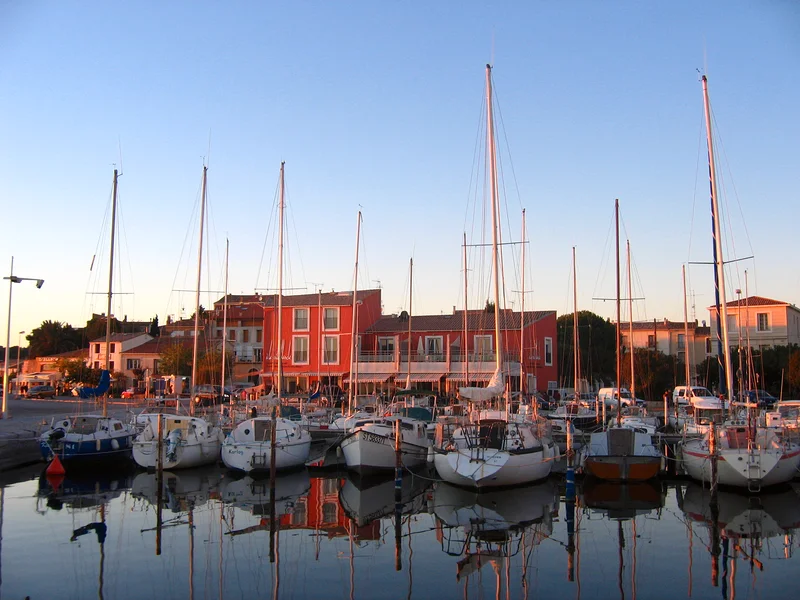
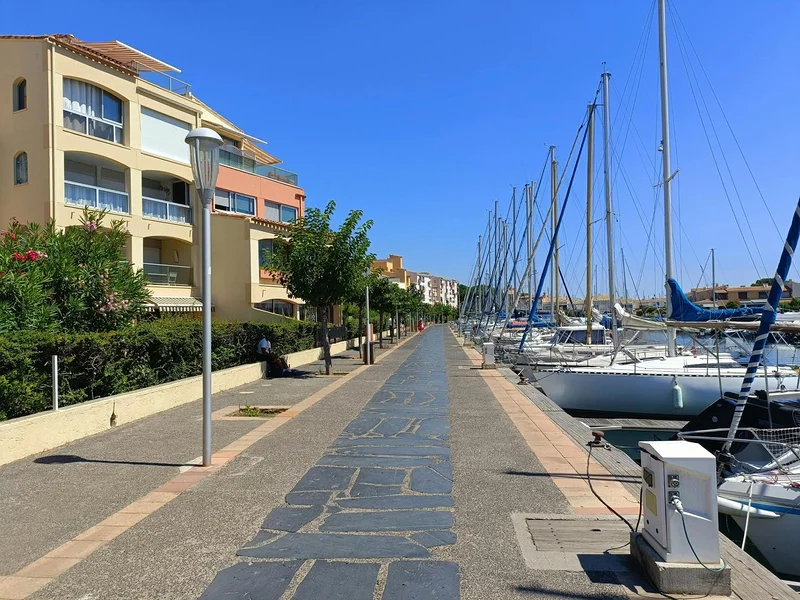
Exploring Sète inevitably begins with its network of canals, which earned it the nickname "Venice of the Languedoc." The main artery is the Canal Royal, the theater for the spectacular water jousting tournaments during the summer season. Walk along its quays, from the pont de la Savonnerie to the pont de la Civette, to feel the city's pulse, watch the fishermen, and see the colorful facades reflecting in the water.
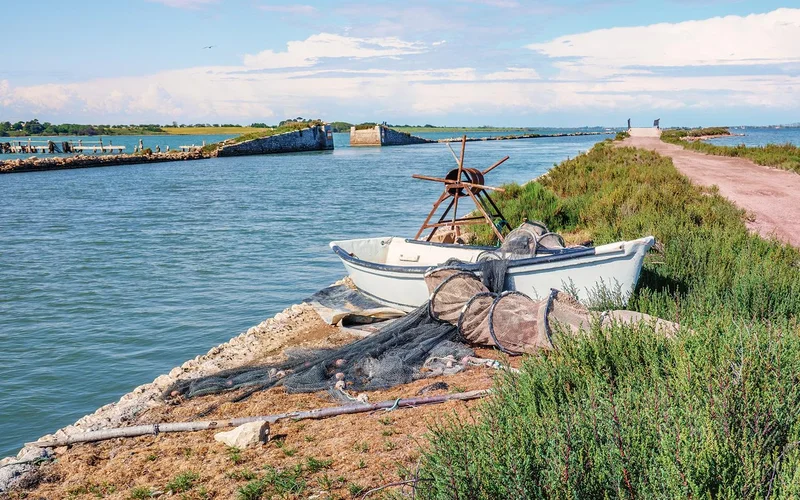
Continue your walk to the fishing port to witness the return of the trawlers in the late afternoon. It is an authentic spectacle where the energy is palpable. Not far away, the Pointe Courte neighborhood offers the atmosphere of a timeless fishing village, with its shacks, drying nets, and cats lounging in the sun.
Friendly tip: For an immersive experience, take the free water buses in summer. They connect the city center to outlying parking lots and offer a unique perspective on the quays and the ballet of boats, far from the street bustle.
Gaining altitude on Mont Saint-Clair
To understand the city's unique geography, you have to get some elevation. Mont Saint-Clair, the hill that overlooks Sète, is the perfect target. The hike up is a small effort rewarded a hundredfold. Once at the top, the 360-degree panorama is breathtaking: on one side, the city and its canals, and on the other, the Mediterranean Sea as far as the eye can see and the Thau lagoon, a vast and peaceful mirror.
On the way down, stop at the Cimetière Marin, made famous by the poem by Paul Valéry. Facing the sea, this place of striking whiteness invites contemplation. Right next door, the Théâtre de la Mer, a former military fort turned into an open-air performance venue, is a magical spot for a concert on summer evenings.
Friendly tip: Rather than going straight to the lookout, take the time to get lost on the trails of the forêt des Pierres Blanches. You will find more intimate and less crowded viewpoints over the lagoon and the lido.
Culture and Sète lifestyle
Sète has inspired many artists, and this heritage is palpable. The Espace Georges Brassens offers a touching immersion into the life and work of the local hero. On the slopes of Mont Saint-Clair, the musée Paul Valéry houses a fine art collection and offers, from its terrace, an unobstructed view of the Cimetière Marin.
But the local culture is above all in the streets. It expresses itself during the Saint-Louis festivals in August, an unmissable event that ignites the city around the jousts. It is also tasted every morning under the central Halles, a temple of local gastronomy where you can eat oysters directly from the producer.
Friendly tip: On Wednesday mornings, the large market takes over the city center. Make your way to the place Aristide Briand where local producers unpack their best goods. It is the ideal time to buy olives, regional cheese, and feel the local vibe.
Where to eat and drink in Sète?
The Sète culinary scene is a permanent tribute to the sea. The undisputed star is the tielle, a round, spicy pie filled with octopus in tomato sauce, a legacy of Italian immigrants. Do not leave without trying the macaronade, a hearty pasta and meat dish, or a bourride de lotte à la sétoise (monkfish stew). For seafood, head to the Thau basin to enjoy the famous huîtres de Bouzigues (Bouzigues oysters), simply accompanied by a squeeze of lemon and a glass of local white wine.
How to get to and around Sète?
Sète is very well served by train, with a TGV station located about a 15-minute walk from the center. It is the easiest option. Arriving by car is possible, but parking in summer is a real headache. The best thing is to aim for the free peripheral parking lots (Mas Coulet, Place de la République) and then use the water shuttles or the bus network to reach the heart of the city. Once there, Sète is best discovered on foot or by bike.
When to go?
To enjoy Sète with mild temperatures and more reasonable crowds, the months of May, June, and September are perfect. Summer is the liveliest period, especially with festivals and the Saint-Louis celebrations in August, but expect high attendance. Winter offers a more intimate and authentic side of the port city, far from the summer rush.
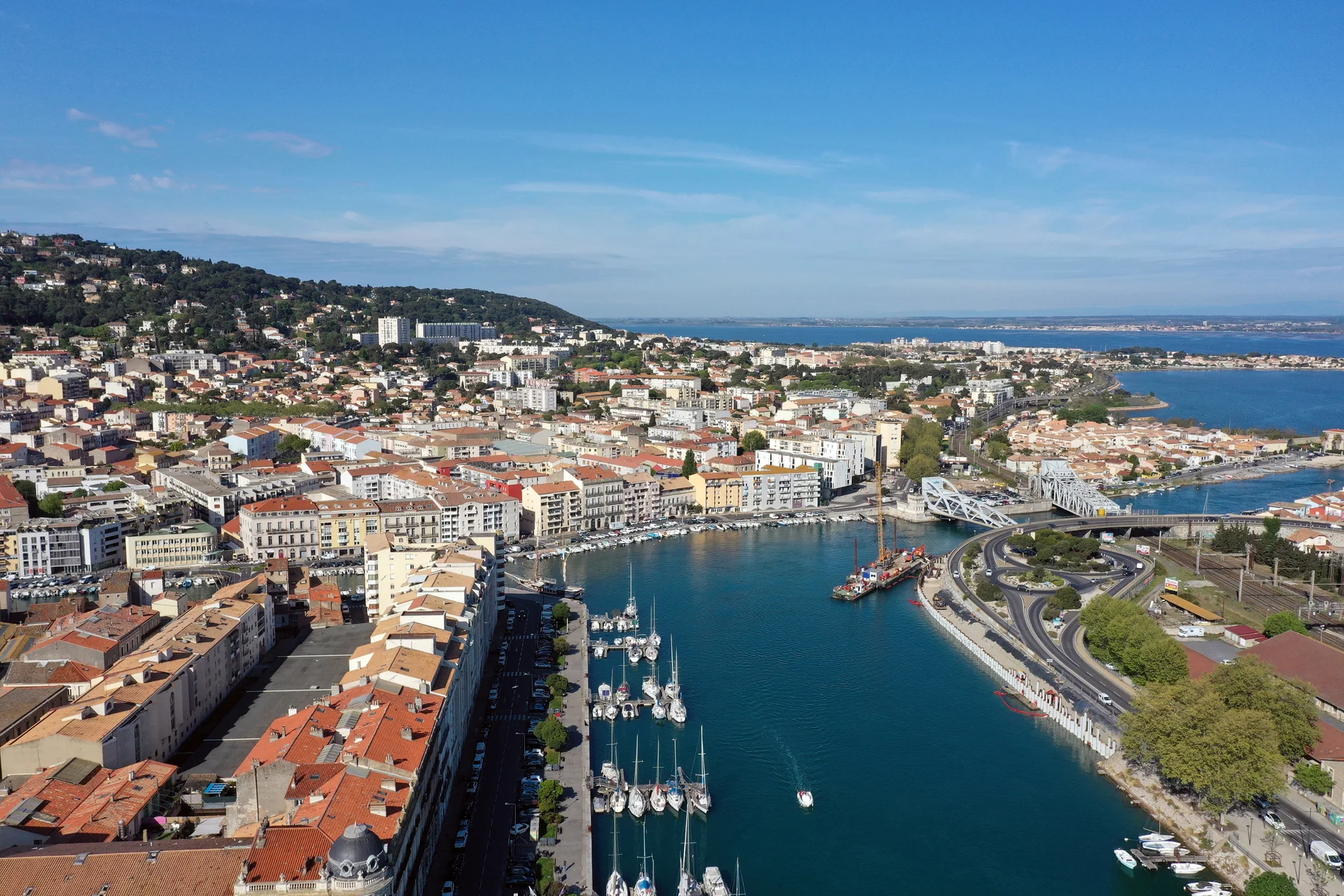
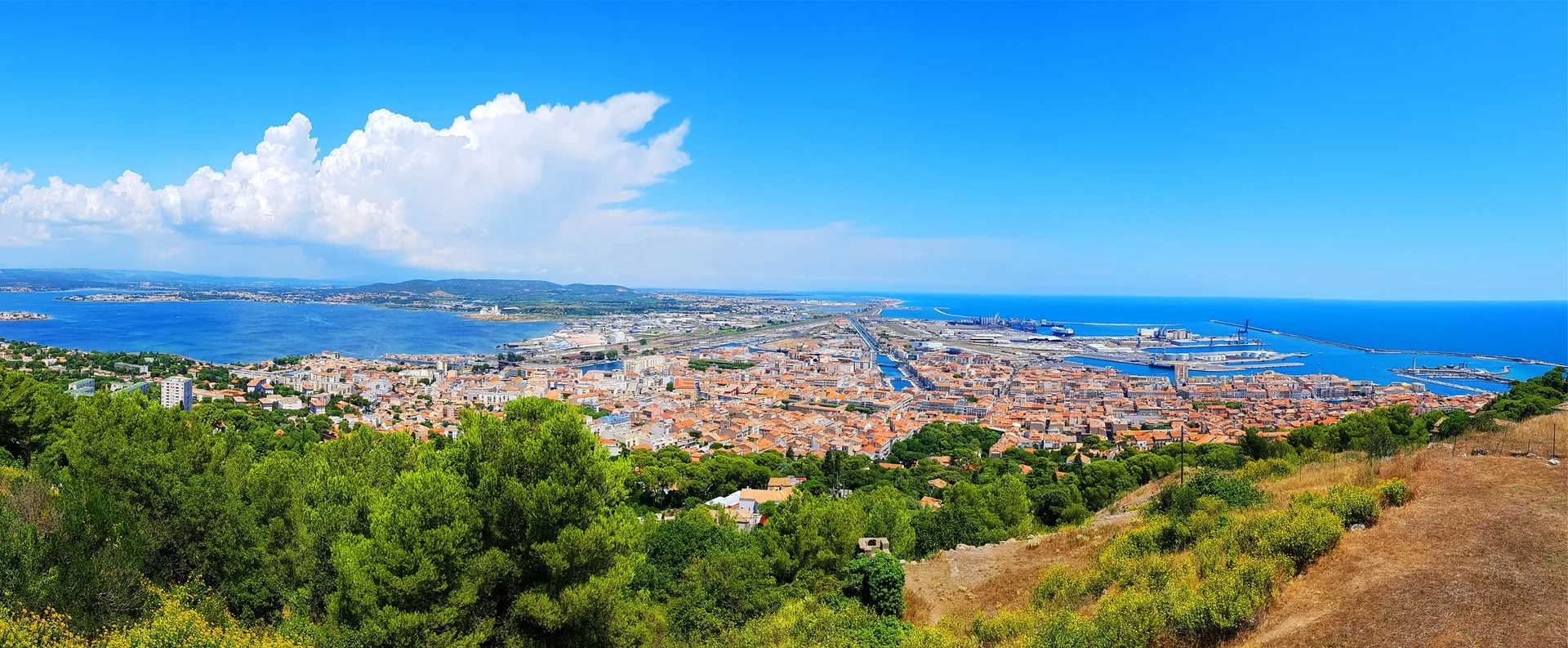
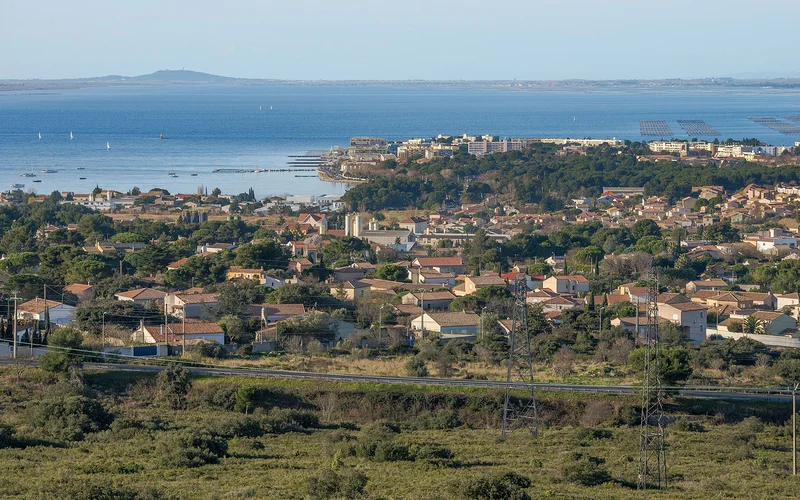
To me, Sète is the little Marseille of the Hérault. Its immediate proximity to the sea makes it a top choice for a destination on the Mediterranean. There is so much to do: the panorama from Mont Saint-Clair, swimming at the big beach or in the coves, strolling around the port and at the Pointe Courte, visiting the sea cemetery or the Brassens museum, and so on. Not to mention a busy cultural life. The only downside: driving and parking in Sète is a total nightmare.