
Agde, the Black City where Greeks landed 2600 years ago
Back in 580 BCE, sailors from Phocaea were looking for shelter along the Languedoc coast. They found this volcanic promontory at the mouth of the Hérault River and named it Agathé Tyché, meaning Good Fortune. The solidified lava of Mont Saint-Loup gave its signature look to the facades and monuments: dark basalt that absorbs the light and contrasts sharply with the Mediterranean blue.
Today, the old town stays pleasantly removed from the summer crowds that flood the Cap, sitting just 4 kilometers away. That quiet discretion is its main draw.
Between the black town and beach resort, which should you choose?
The commune of Agde actually brings together four very distinct areas. The historic city appeals to travelers who love heritage and quiet alleys. Cap d'Agde draws families looking for lifeguarded beaches and lively summer entertainment. Le Grau d'Agde, a former fishing village, keeps a much more local vibe. As for the naturist district, it functions as a self-contained enclave complete with its own shops, restaurants, and 2 kilometers of dedicated beach.
Agde suits travelers who want to mix swimming days with cultural sightseeing without changing hotels. It will disappoint anyone looking for a postcard-perfect Provence village or the perched hamlets of the Luberon. The landscape is flat, the beach resort dates back to the 1960s, and summer turns Cap d'Agde into a bustling anthill. But outside of peak season, the area recovers a peaceful rhythm.
A moderate budget for the Mediterranean coast
Plan on $57 to $90* a night for a guesthouse or small hotel, and $90 to $169* for a property with a pool. A seafood meal down by the port runs $23-$40*. The beaches are free to access, and the Musée de l'Éphèbe costs $6.80*. A reasonable daily budget sits around $79 to $135* per person.
The old town and its volcanic heritage
Saint-Étienne Cathedral commands attention the moment you see it. Built in 1173, this fortress-like church features walls 2 to 3 meters thick that once protected locals during invasions. Its 35-meter bell tower overlooks the Hérault River. Inside, the bare basalt creates a severe mood that is warmed up by a 17th-century baroque altarpiece and an organ gifted by the neighboring Château Laurens.
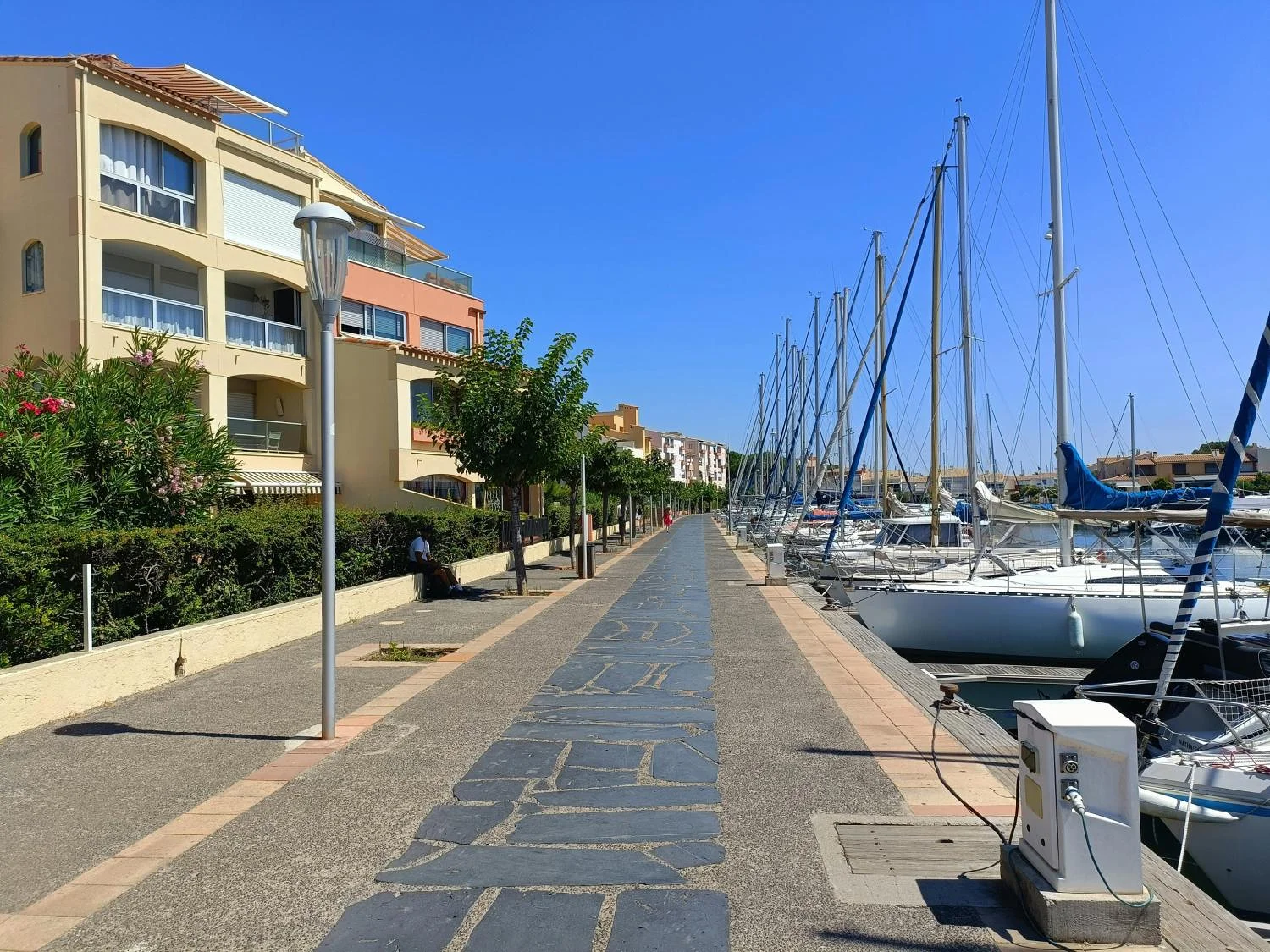
The quays along the Hérault make for an easy stroll lined with restaurants. Traditional painted boats reflect in the water, and the buildings mix dark stone with pastel plaster. The narrow alleys of the center hide a few Renaissance townhouses and artist studios. Do not miss the round lock on the edge of town. This engineering feat designed by Pierre-Paul Riquet dates back to 1676 and lets boats choose between three different directions. It remains the only circular lock still operating on the Canal du Midi.
Friendly tip: tour the Château Laurens, which reopened in 2023 after decades of restoration. This Art Nouveau palace with its orientalist decor is well worth the short trip over from Cap d'Agde.
Beaches and the volcanic coast
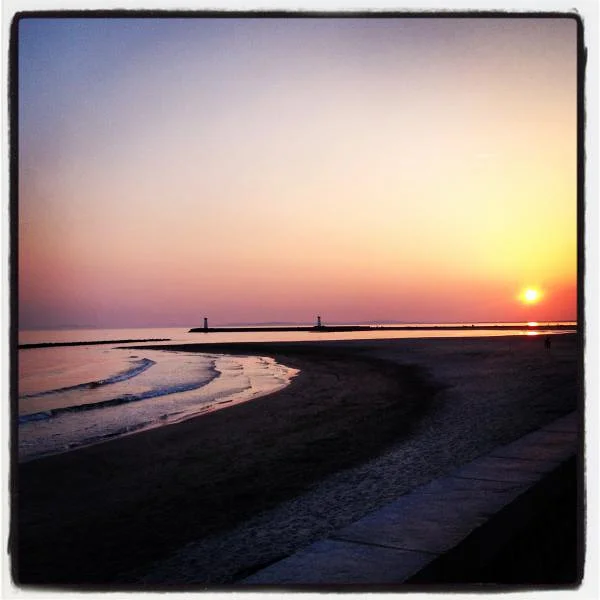
The 14 kilometers of beaches stretch out on either side of the port. On the western side, Richelieu and Rochelongue offer long expanses of sand with lifeguards and full amenities. On the eastern side, the landscape changes completely. Grande Conque Beach provides a striking backdrop: black volcanic basalt cliffs framing dark sand against turquoise water. It is the only beach of its kind in mainland France, so pack water shoes.
Out at sea, Fort Brescou sits on a rocky islet. Built in the 16th century, it served as a state prison until the 1800s. Boat tours circle the island so you can view the historic fortress and the cliffs from the water.
Culture and museums
The Musée de l'Éphèbe, the only underwater archaeology museum in France, deserves a long visit. Its centerpiece is a Hellenistic bronze likely depicting Alexander the Great, pulled from the Hérault River in 1964. The collections showcase amphorae, anchors, and artifacts recovered from shipwrecks scattered along the coast over the last 27 centuries.
The Grau d'Agde fish market offers a different experience as the only public Mediterranean fish auction in France. Guided tours let you watch the trawlers unload their catch and observe the live auction starting at 4 PM. Local fishmongers buy their daily stock right here in front of visitors.
Where to eat and drink in Agde?
Seafood dominates the menus. Bouzigues oysters, raised in the nearby Thau lagoon, are best eaten raw with a squeeze of lemon. Brasucade features mussels grilled over vine wood and spiked with white wine and Provençal herbs. Tielle sétoise, a thick pie filled with octopus in a spicy tomato sauce, points to the culinary influence of nearby Sète.
Down on the Agde quays, La Table de Stéphane serves creative dishes built around local ingredients. Over at Cap d'Agde, L'Arrivage sources its fish straight from the morning auction. To wash it down, order a chilled glass of Picpoul de Pinet, a dry white wine that pairs perfectly with shellfish.
Where to stay in Agde and the surrounding area?
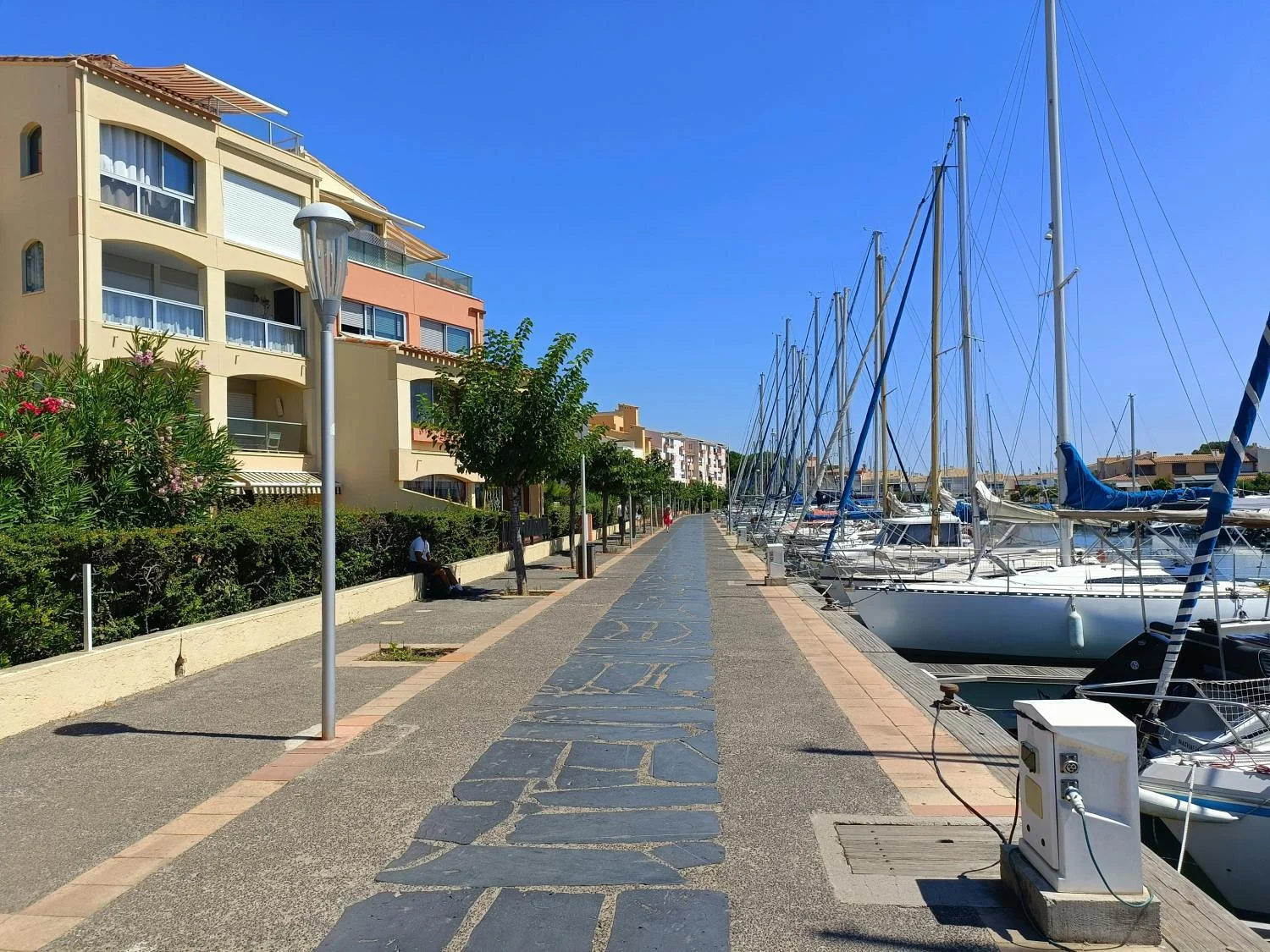
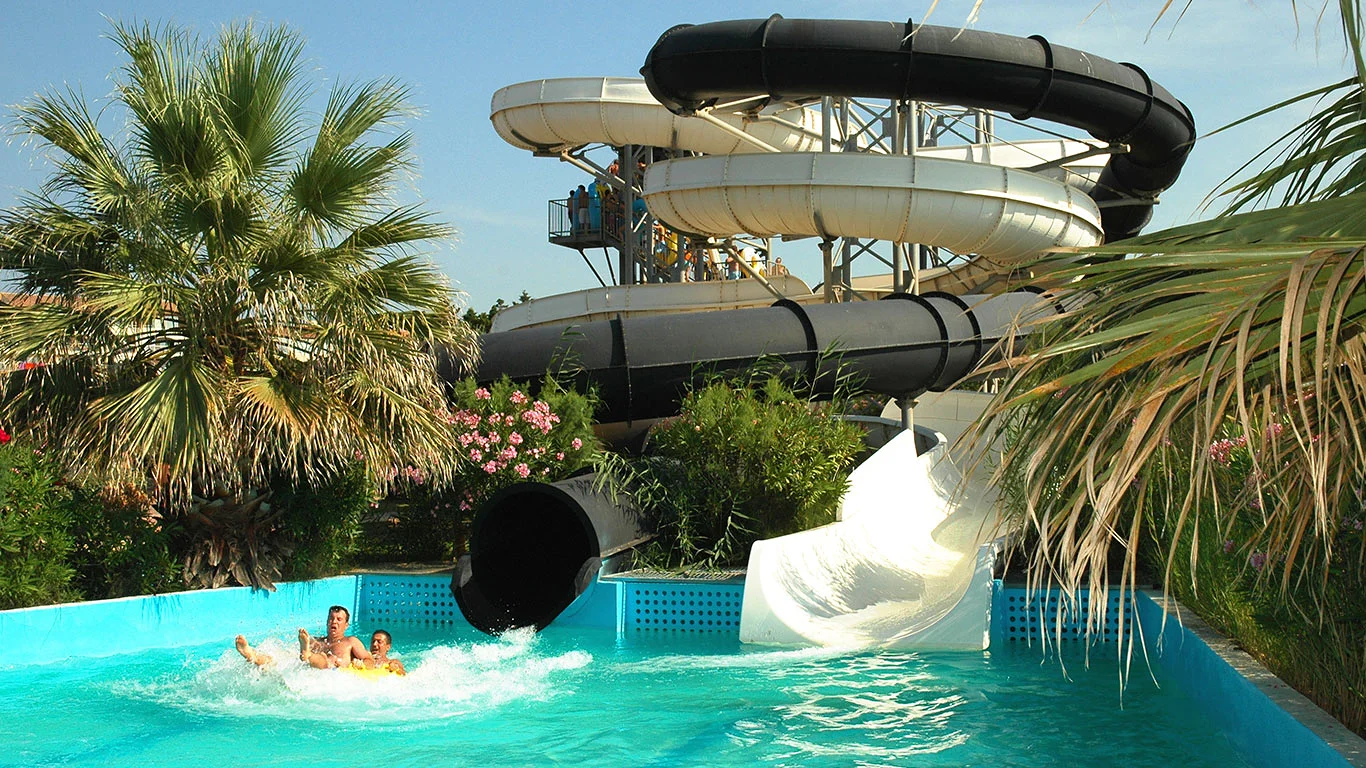
The old town has few standard hotels but offers guesthouses inside character-filled historic homes. The Centre-Port district in Cap d'Agde packs in modern apartment complexes with marina views. Families generally lean toward the campsites in Vias-Plage or Portiragnes, which offer water parks and lower rates. For more peace and quiet, Le Grau d'Agde provides rentals tucked between the river and the sea.
How to get to Agde and get around?
Agde train station sits on the Montpellier-Perpignan line. Plan for about 30 minutes from Montpellier, or 4 hours from Paris on the high-speed TGV with a transfer. The Béziers-Cap d'Agde airport handles a handful of seasonal European flights. From North America there is no direct route: fly into Paris or Barcelona and finish by train or car, about four hours either way.
If you are driving from Montpellier, take the A9 highway followed by the D612 to reach Agde in roughly 45 minutes. Parking at Cap d'Agde is paid and difficult during peak summer months. Free shuttle buses run between the different districts from June through September. Bicycles remain the best way to ride along the canal and reach the beaches.
When to go?
May, June, and September offer the best balance: water temperatures around 68-72°F, uncrowded beaches, and fully open restaurants. July and August bring massive crowds and high prices. Winter reveals a quieter, more authentic side of the town where locals take back the quays and outdoor cafe terraces.
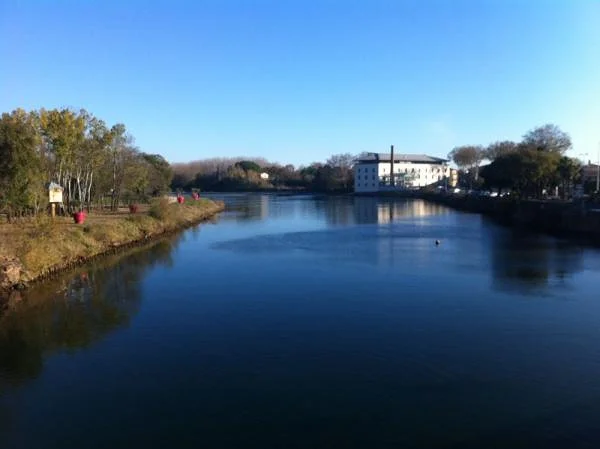
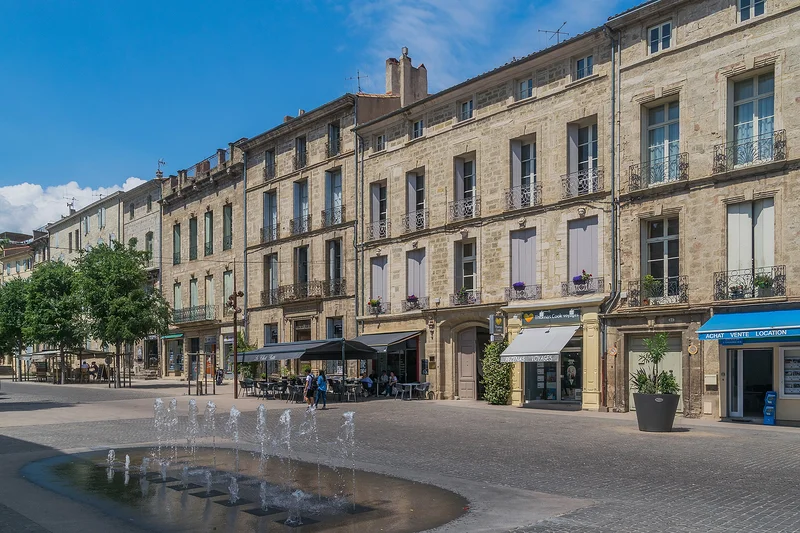
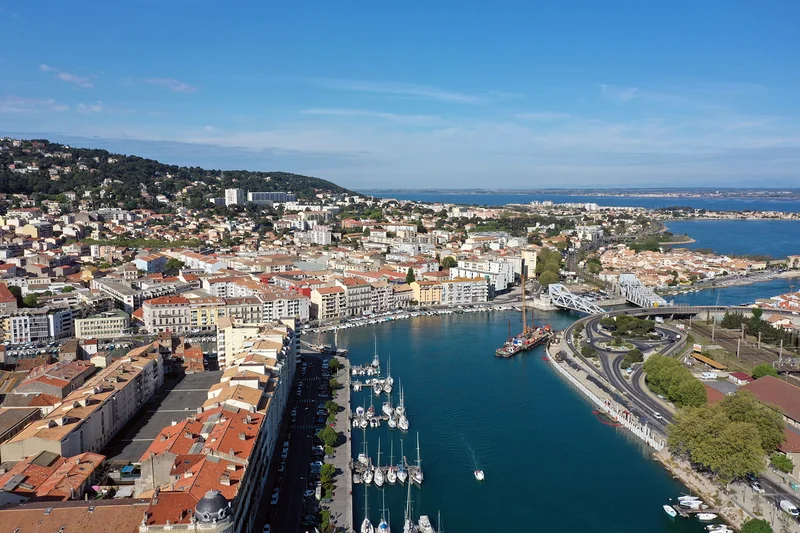
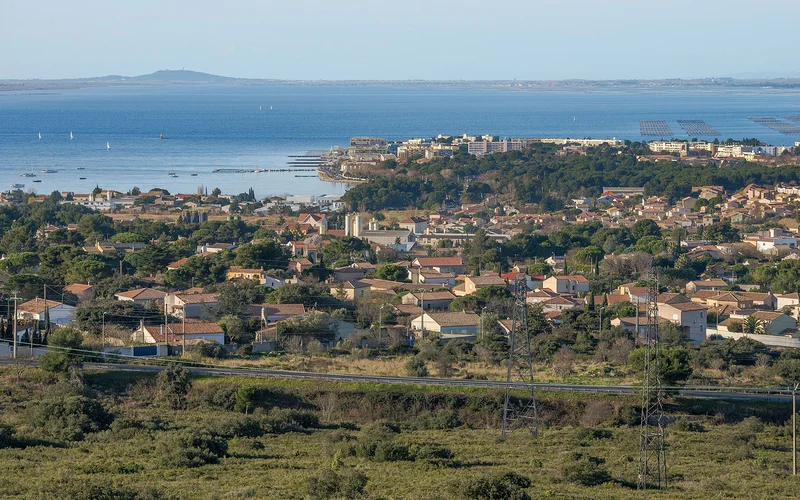
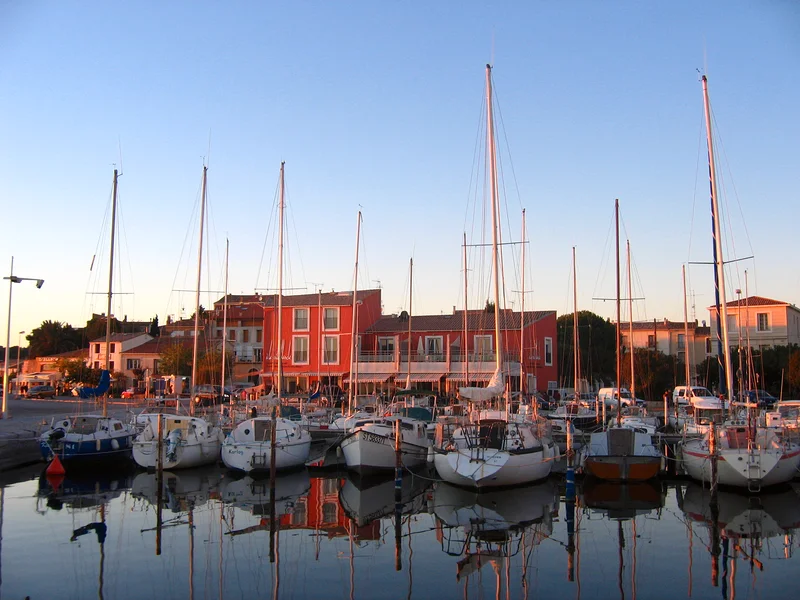
I really like the city of Agde, which I find quite charming. Whatever you do, don't confuse it with Cap d'Agde, which has nothing to do with it. Agde has managed to preserve its typical streets and beautiful buildings. Concerts are often organized there in the summer. You will also find lovely shops and good restaurants.