
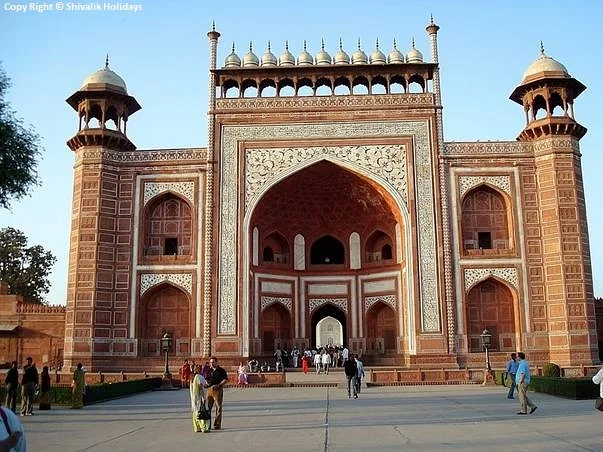
Visiting Agra: More than a white marble postcard
You already know the Taj Mahal, even if you have never set foot in India. It is that silhouette of pristine marble that floats through the collective imagination of every traveler. But Agra is far more than a backdrop for a selfie. It is a city of red dust and Mughal ambition, where history left deep scars in the stone and where India today spills over in a noisy, fascinating mess.
A mandatory stop on the Rajasthan route
You probably will not end up in Agra by accident. You come for the Taj Mahal, and that is a perfectly valid reason. This destination is for history buffs, photographers obsessed with the golden light of sunrise hitting the marble, and anyone looking to check a major wonder of the world off their list.
On the other hand, if you avoid dense crowds, Agra might let you down. The major sites are swarmed year-round. The city itself lacks the polish of New Delhi or the sheer energy of Mumbai. It is a utilitarian city, sometimes rough around the edges, that survives largely on tourism. Yet, that contrast is exactly what makes it feel real.
A moderate budget for North India
Expect to spend between 2,700 and 5,400 INR per day (about $30, $60) per person, depending on your comfort level. Accommodations range from 900 INR (about $10) for a simple guesthouse to 13,500 INR (about $150) for a hotel with a view of the Taj. Local meals cost 180 to 450 INR (about $2, $5), and monument entry fees for foreigners run 900 to 1,800 INR (about $10, $20). Rickshaw rides are negotiable for a few hundred rupees.
The Taj Mahal and Agra Fort: Giants of marble and sandstone
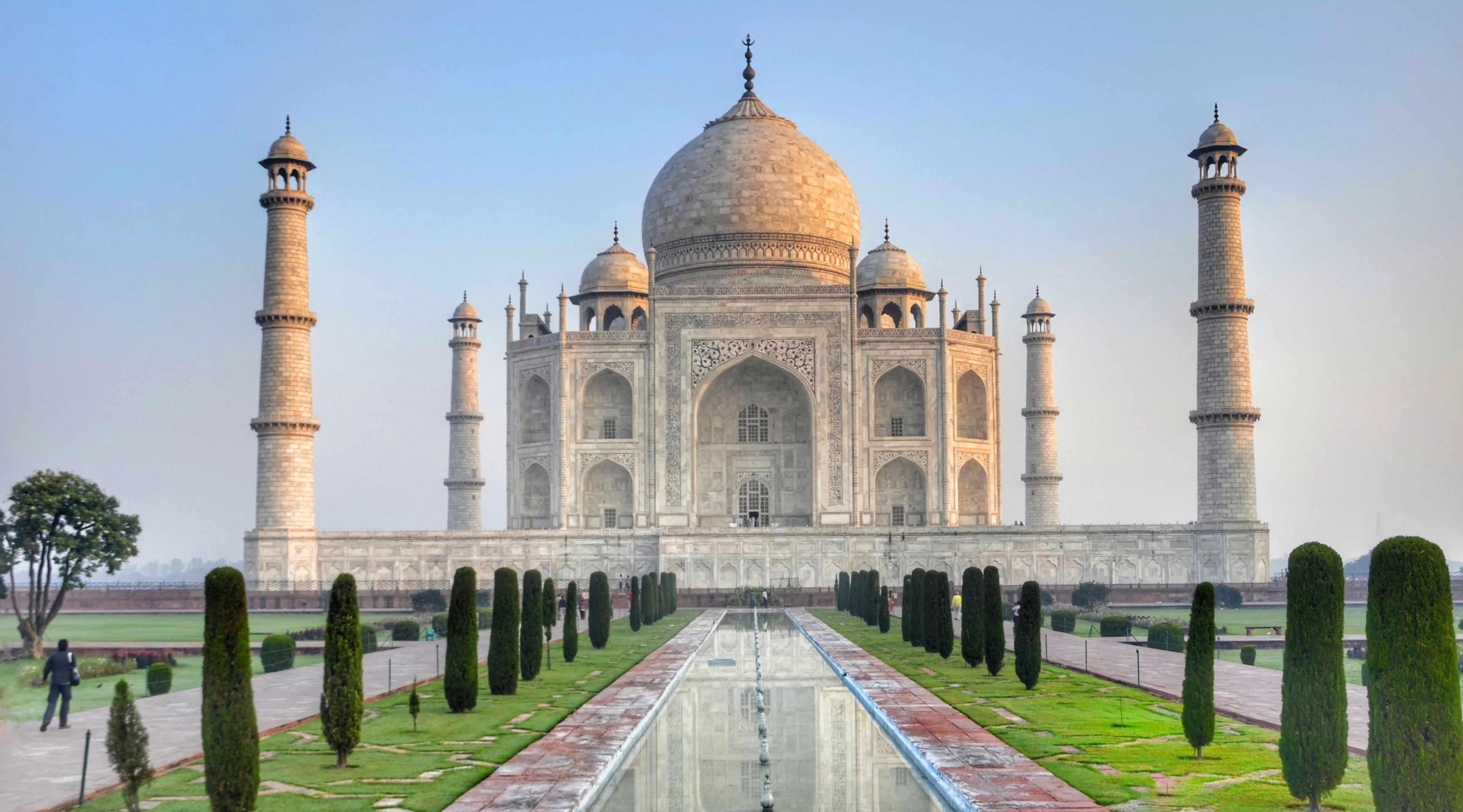
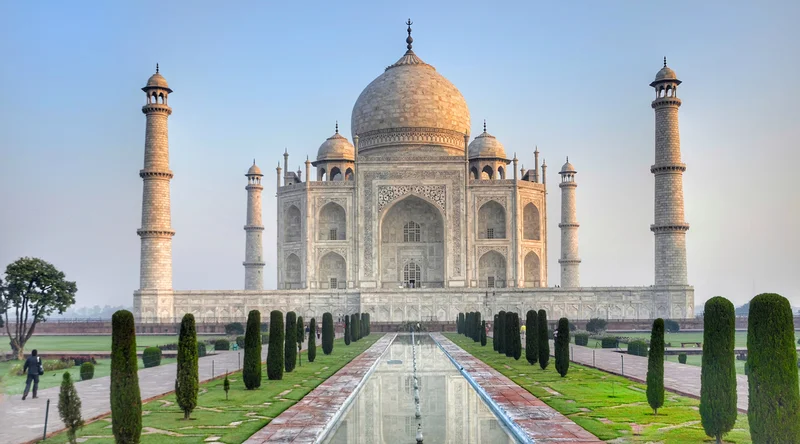
Let us start with the obvious: the Taj Mahal earns its reputation. Built between 1631 and 1643 by Emperor Shah Jahan in memory of his wife Mumtaz Mahal, this mausoleum blends Persian, Ottoman, and Indian architecture with staggering harmony. The white marble changes color based on the time of day, turning pinkish at dawn, brilliant white at noon, and golden at twilight.
Arrive at opening time, around 6:00 AM in the summer. Yes, it is early, but you will avoid the tour groups and catch the soft light of sunrise. The gardens of Mehtab Bagh, on the other side of the Yamuna River, offer a different, quieter perspective to admire the monument, especially in the late afternoon.
The Red Fort: An imperial fortress
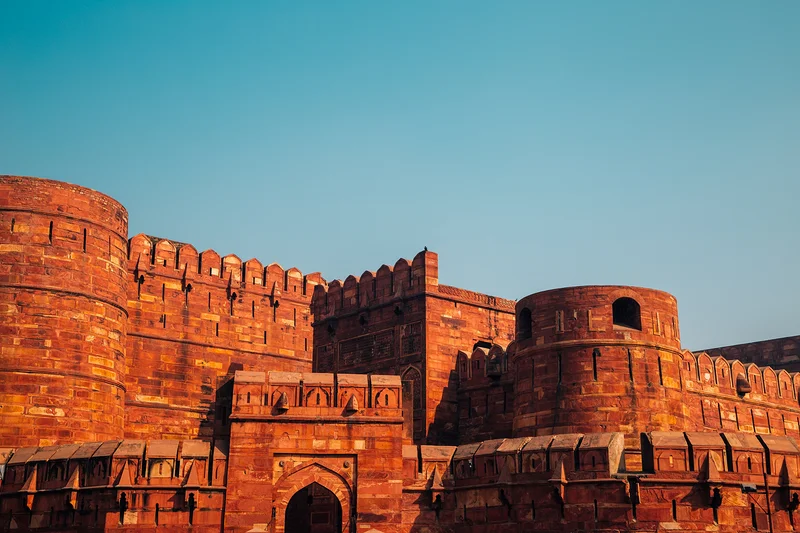
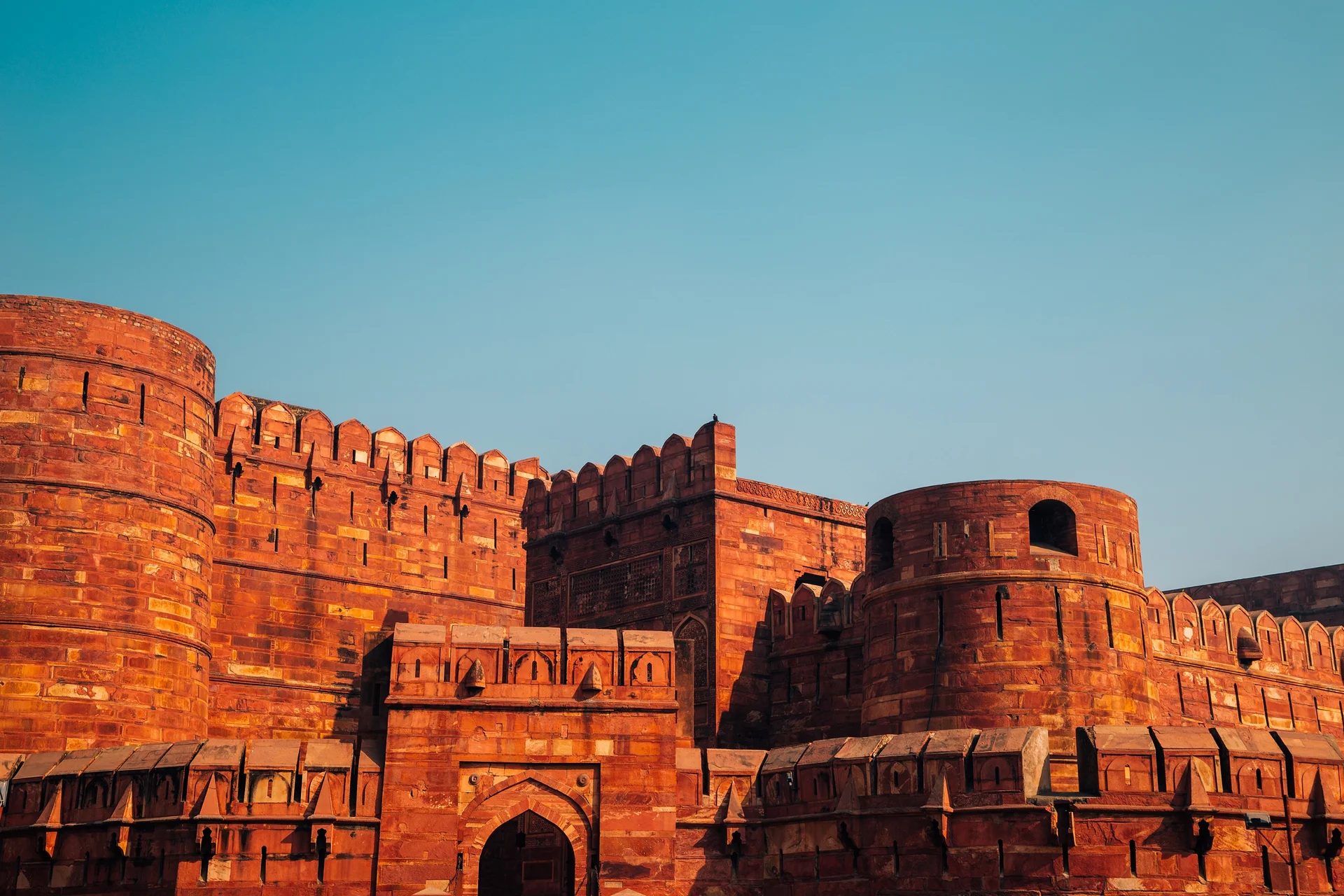
Two kilometers from the Taj, the Red Fort (or Agra Fort) is a massive red sandstone citadel begun by Emperor Akbar in 1565. Its walls, standing over 20 meters high, protect palaces, mosques, gardens, and private apartments. This is where Shah Jahan was imprisoned by his own son during his final years, with his only view being the Taj Mahal he had commissioned.
Plan for at least two hours to explore this architectural labyrinth. Do not miss the Musamman Burj, the octagonal pavilion where the fallen emperor spent his days gazing at his wife's tomb.
Pro tip: Buy a combined ticket for the Taj Mahal and Agra Fort to save a few rupees and skip an extra line at the ticket window.
The lesser-known treasures along the Yamuna
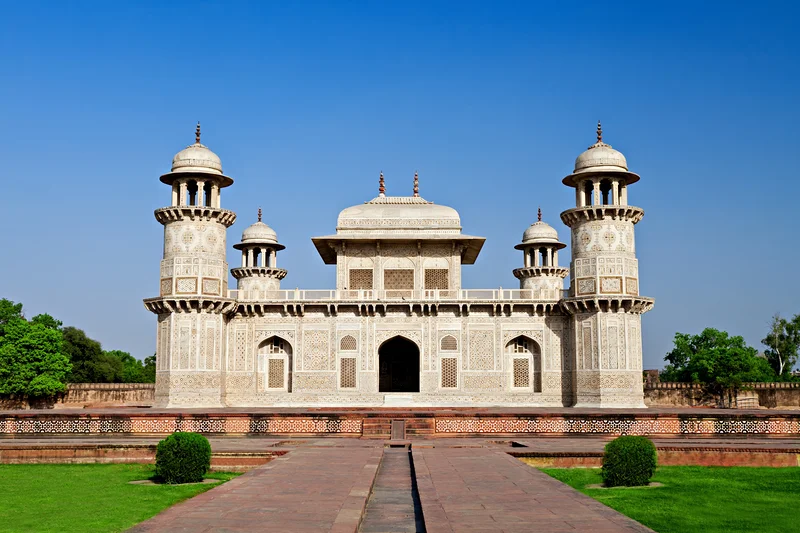
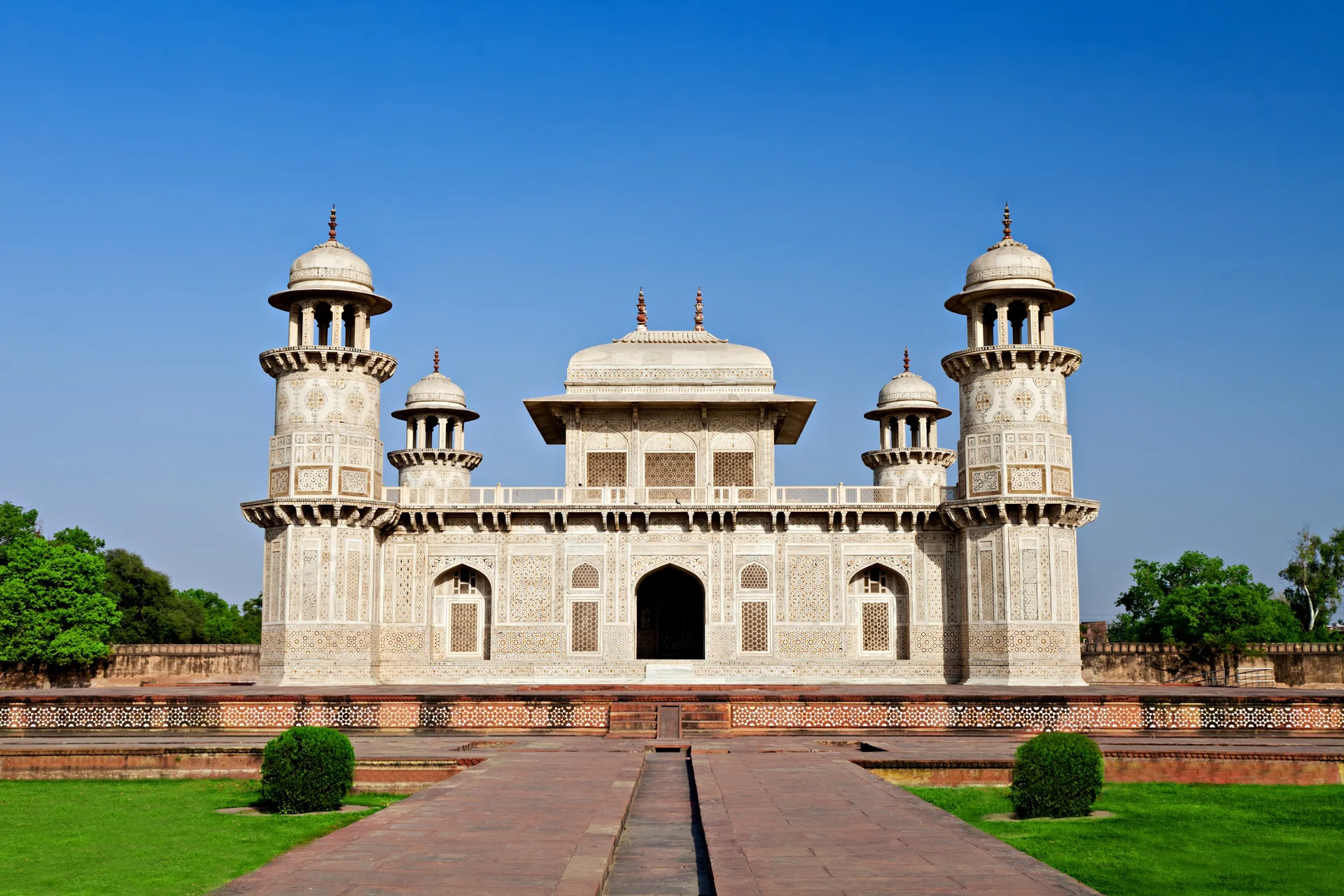
The Tomb of Itimad-ud-Daulah, nicknamed the Baby Taj, is often overlooked by rushed visitors. That is a mistake. Built between 1622 and 1628, it is considered the architectural blueprint for the Taj Mahal. As the first Mughal monument entirely covered in white marble inlaid with semi-precious stones, it displays exceptional detail without the crushing crowds of its famous sibling.
The surrounding gardens are perfect for a slow walk. The site closes at 6:00 PM, and the final hours of the day are particularly peaceful.
Mehtab Bagh, the moonlight garden
These restored Mughal gardens, located across the Yamuna from the Taj Mahal, offer the best panoramic view of the monument without the barriers or the throngs of people. The name literally means moonlight garden, and a visit at sunset makes the name feel entirely appropriate. Bring a snack and claim a spot on the grass.
Pro tip: For a unique perspective, book a sunrise hot air balloon ride over Agra. It is pricey at about 18,000 INR (about $200), but the view of the Taj and the surrounding countryside is unmatched.
Fatehpur Sikri and the surroundings: A time capsule
Located 40 kilometers from Agra, the former imperial city of Fatehpur Sikri is worth a half-day trip. Founded by Akbar in 1571 and abandoned just 15 years later due to water shortages, this red sandstone ghost town remains nearly intact. The Buland Darwaza, a monumental gate standing 54 meters tall, signals the sheer ambition of the project.
Wander through the palaces, the mosque, the queens' apartments, and the Diwan-i-Khas (private audience hall) with its intricate central carved pillar. The atmosphere is strangely quiet, almost melancholic.
Pro tip: Hire an official guide at the entrance for about 500 INR (about $6). Their context makes the ruins come alive and helps you avoid the persistent touts.
Where to eat and drink in Agra?
The food in Agra might not change your life, but a few specialties are worth a try. Petha, a translucent candy made from white pumpkin marinated in sugar syrup, is the local signature. Look for the rose or saffron versions at Panchi Petha, a local institution operating since 1857.
For meals, stick to North Indian vegetarian thalis, which are complete, cost-effective platters featuring vegetable curry, dal, rice, naan, and raita. Esphahan, the restaurant at the Oberoi Amarvilas hotel, offers refined Mughal cuisine in a luxury setting with a view of the Taj (reservations are mandatory). For a more authentic and impactful experience, Sheroes Hangout is a cafe run by survivors of acid attacks. They serve coffee, tea, and snacks in a welcoming space, and your patronage directly supports their rehabilitation.
Where to stay in Agra and the surrounding area?
The Taj Ganj neighborhood, just south of the monument, is home to most budget and mid-range accommodations. You get maximum proximity to the Taj Mahal, but the area is extremely tourist-heavy. For more comfort and an unbeatable view, luxury hotels like the Oberoi Amarvilas or the Taj Hotel & Convention Centre feature rooms with windows that frame the monument directly.
The Sadar Bazaar neighborhood further north offers better value and a more authentic feel, with easy access to the main sites. For a different experience, a few boutique hotels are scattered in the surrounding countryside, particularly along the road to Fatehpur Sikri.
How to get to and around Agra?
From New Delhi, 200 kilometers away, you have a few options. The Gatimaan or Shatabdi express trains make the trip in 1.5 to 2 hours (online booking is highly recommended). Buses take 3 to 4 hours depending on traffic, and a private taxi takes about 3 hours. There is an airport in Agra, but it has limited service, so it is usually better to fly into Delhi.
In Agra, electric rickshaws are king. Always negotiate the price before getting in, usually ranging from 50 to 150 INR (about $0.50, $2) depending on the distance. Ride-sharing apps like Ola or Uber also work well. Most major sites are within a five-kilometer radius, making travel quick despite the chaotic traffic. For Fatehpur Sikri, rent a taxi for the day for about 2,000 INR (about $25) or catch a local bus from the Idgah bus station.
When to visit?
The ideal window is from October to March, when temperatures hover between 15 and 25°C (59, 77°F). Avoid April through September at all costs. The heat becomes suffocating, reaching 45°C (113°F) in May and June, and the July-August monsoon turns the city into a humid sauna. February hosts the Taj Mahotsav, a ten-day cultural festival celebrating the crafts, dance, and food of North India, all with the iconic monument as a backdrop.
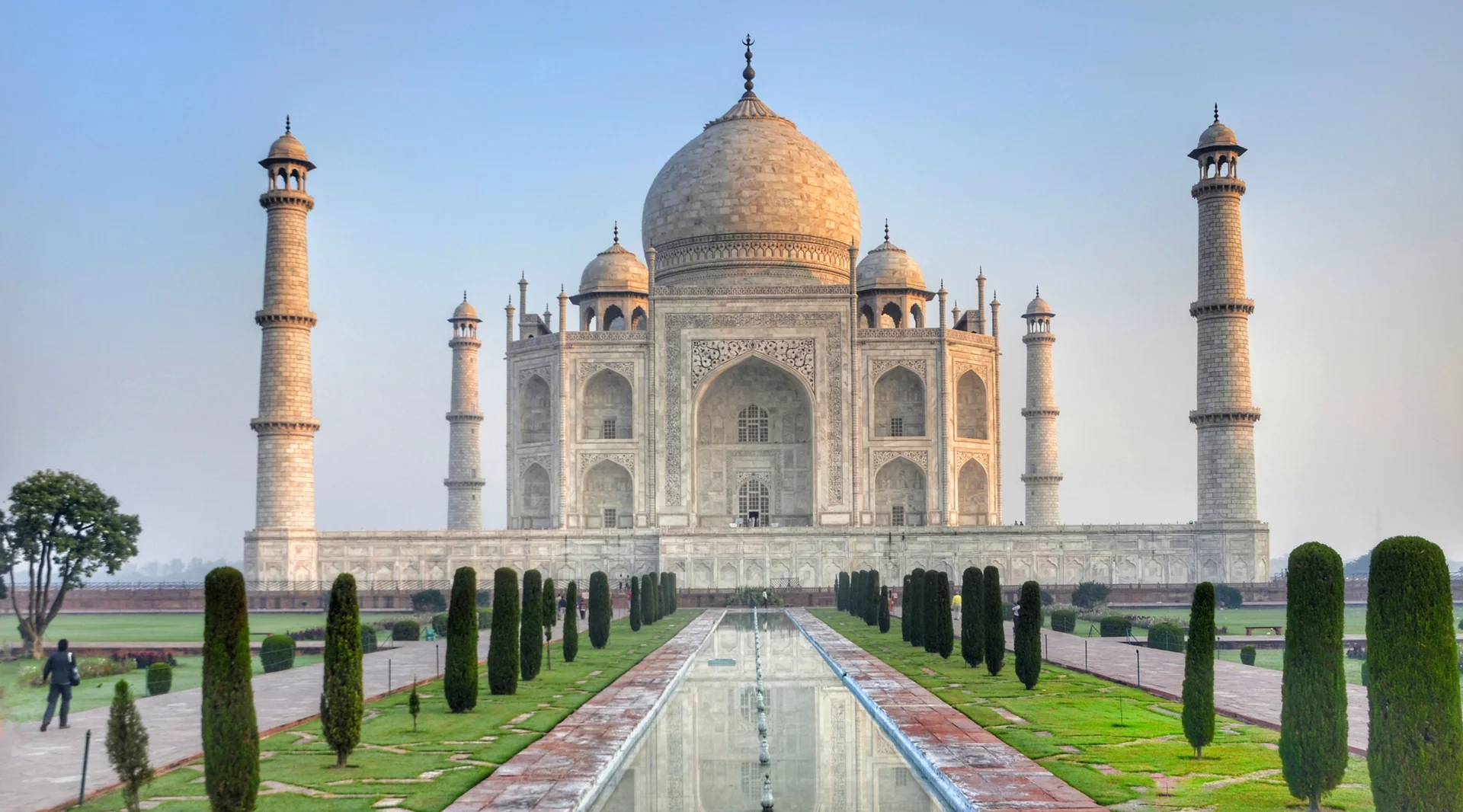
The city of Agra isn't that interesting, but it is worth the trip if only for the Taj Mahal. Right from breakfast on the rooftop of our slightly dingy little hotel, we had a distant view of the Taj Mahal, which really gives off something magical. Visiting it was the highlight of our trip to India for me. It isn't legendary for nothing, and in my opinion, its beauty and perfection have few equals.
We also visited the Agra Fort with its vibrant red color, which is also on the banks of the Yamuna River, just like its neighbor the Taj Mahal.
To get to the Agra train station at the end of our stay in the city, we ended up with a tuk-tuk driver who seemed reckless because of his speed and the risks he took in narrow, crowded alleys. Luckily, we didn't miss our train.