
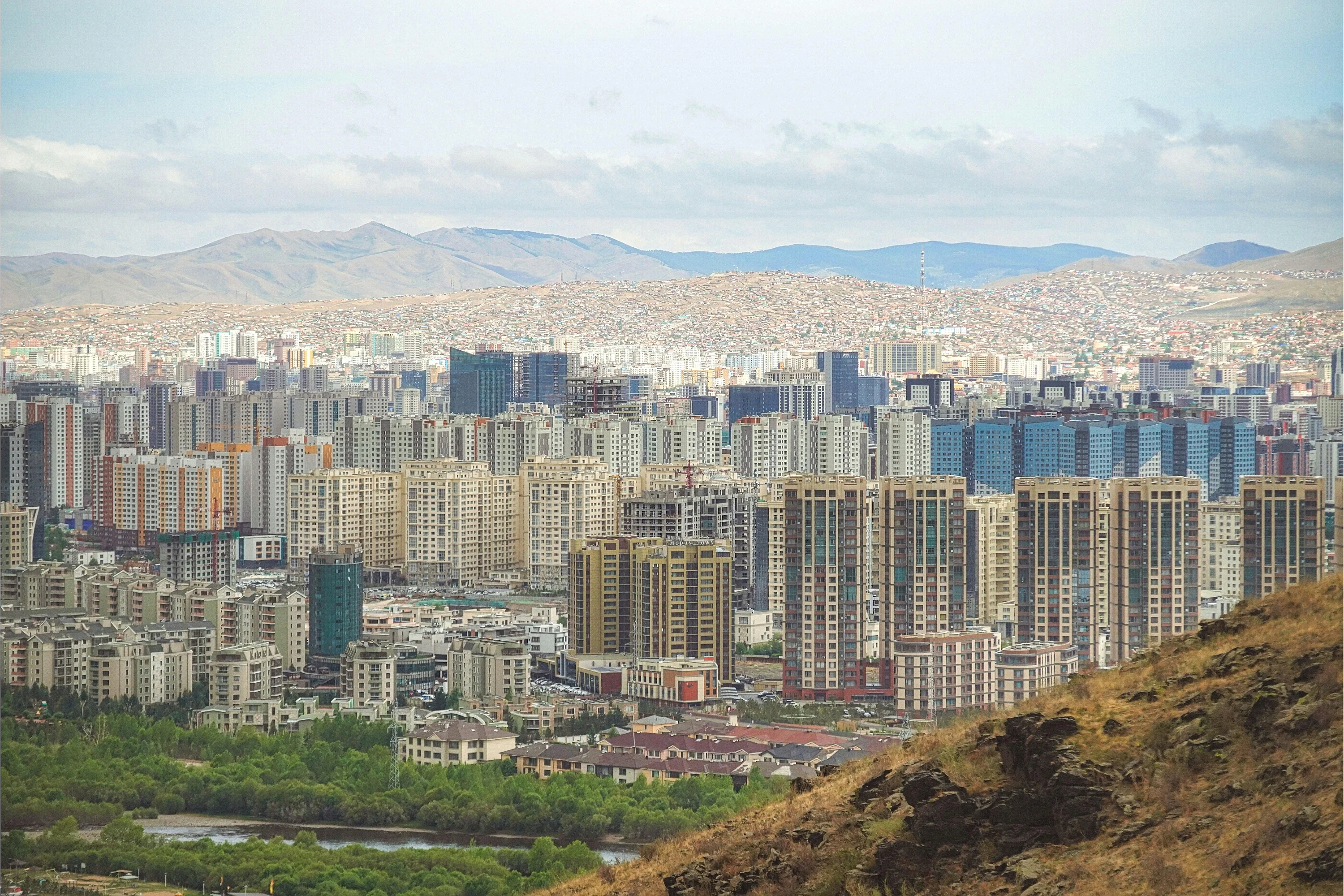
Ulaanbaatar, the coldest capital in the world
Minus 25 degrees in the dead of January, smoke rising from yurt chimneys across the hills, and a downtown skyline alternating between glass towers and weathered Soviet concrete.
Ulaanbaatar doesn't look or feel like any other Asian capital. Most travelers touch down here only to make a beeline for the Gobi Desert or the Khentii steppes, but that is a mistake. The city easily merits two or three days on its own, split between Buddhist monasteries that survived communist purges and markets where merchants still haggle over raw cashmere.
Is this destination right for you?
If you want a raw, chaotic, off-the-beaten-path stopover before or after a trek across the steppes, Ulaanbaatar delivers. It appeals to travelers who appreciate unpolished capitals that haven't been smoothed over for tourists.
On the flip side, if you expect polished urban planning, a picturesque historic district, or a laid-back pace, you will likely be disappointed. Traffic is notoriously brutal and winter air pollution is severe.
Great for:
- Travelers in transit to the Gobi or the Mongolian steppes
- Fans of Soviet history and Tibetan Buddhism
- Fans of gritty local markets and shopping for cashmere
Not ideal for:
- Anyone looking for a preserved historic city
- Visitors sensitive to winter air pollution
- Anyone who hates traffic jams and prefers quiet streets
Generally accessible budget with sharp contrasts
| Expense | Range |
|---|---|
| Hostel night | $9.10 to $17* |
| Comfortable hotel night | $46 to $91* |
| Meal at a local canteen | $3.40 to $6.80* |
| Tourist restaurant meal | $12 to $23* |
| Daily backpacker total | $23 to $34* |
| Daily comfort total | $68 to $113* |
Estimated prices subject to change
Practical realities to know before you go
English speakers are scarce outside tourist spots, so keep a translation app handy or learn a few key phrases in Mongolian. Tourist infrastructure concentrates around Sükhbaatar Square and the upscale Zaisan neighborhood, while the rest of the city relies on Soviet-era planning with broken sidewalks and signage that can challenge foreign visitors.
Driving is a real challenge here, as traffic jams can turn a 10-minute trip into an hour-long ordeal. Build plenty of buffer time into your daily plans.
Winter pollution is a major factor
From November to March, coal heating from the ger districts ringing the city creates a thick smog, ranking among the worst air quality in the world according to multiple studies. If you have any respiratory sensitivities, plan your visit between May and September instead.
Sükhbaatar and the monumental center
Everything radiates out from Sükhbaatar Square, briefly renamed Chinggis Khaan Square between 2013 and 2016, where a massive statue of Genghis Khan sits on his throne in front of the government palace. It serves as the logical starting point for exploring the city on foot.
Gandantegchinlen Monastery
A short walk away, this Tibetan Buddhist monastery survived the 1930s Stalinist purges that leveled almost every other temple in the country. You will spot monks in saffron robes moving through the complex alongside a towering 26-meter-tall statue of Migjid Janraisig covered in gold.
Friendly tip: arrive early in the morning at Gandantegchinlen Monastery, between 8am and 9am, to catch the monks chanting before the tour bus crowds roll in.
The National Museum and Bogd Khan Palace
The National Museum of Mongolia traces the country's history from prehistory through the Mongol Empire, featuring a dedicated section on the traditional costumes of various ethnic groups.
A bit further south, the Winter Palace of the Bogd Khan, the nation's last Buddhist ruler, also managed to escape destruction and now holds an impressive collection of religious artifacts and diplomatic gifts.
Zaisan and the hills overlooking the city
The Zaisan Memorial sits on a southern hill, offering sweeping panoramic views over Ulaanbaatar and its valley. The circular mosaic mural honors Soviet and Mongolian soldiers, serving as a prominent architectural reminder of the communist era.
The neighborhood spreading out below it concentrates the city's newest apartment buildings and modern restaurants, forming a sharp contrast with the historic core.
The Black Market, a deep dive into local daily life
Naran Tuul, widely known as the Black Market, is an open-air maze where you can buy almost anything: felt boots, horse saddles, traditional knives, and high-quality cashmere at a fraction of tourist boutique prices. Haggling is expected, and keep a close eye on your belongings.
Where to eat and drink in Ulaanbaatar?
The national dish, buuz, consists of steamed dumplings stuffed with mutton or beef and appears everywhere from simple street canteens to sit-down restaurants. Khorkhog, meat slow-cooked with hot stones, is usually reserved for special occasions or steppe excursions.
To sample the modern culinary scene, head to the Zaisan district for trendy cafes and fusion restaurants popular with young locals and expats.
Where to stay in and around Ulaanbaatar?
The downtown core around Sükhbaatar Square offers the highest concentration of mid-range and upscale hotels, making it easy to walk to major sites. The Zaisan neighborhood appeals to travelers prioritizing quiet streets and modern dining options, though you will be further away from the historic center.
For a different experience, several tourist ger camps operate on the outskirts of the city, offering an easy transition before heading out into the open steppe.
How to get to Ulaanbaatar?
Chinggis Khaan International Airport sits about 50 kilometers south of the city, handling seasonal direct flights from select European cities along with regular connections through Seoul, Beijing, or Istanbul. Direct flights from European hubs generally run between 9 and 12 hours depending on your route.
The Trans-Siberian and Trans-Mongolian railways also link the city to Russia and China, offering a slow but unforgettable option for long-distance train enthusiasts.
How to get around Ulaanbaatar?
Downtown is easy to navigate on foot, but reaching outlying neighborhoods like Zaisan or the airport requires a vehicle. City buses run regularly, but routes and schedules can be tough to decipher without knowing Mongolian.
Local rideshare apps are widely used and much more reliable than hailing random street taxis, which often rely on arbitrary fare negotiations.
When to visit Ulaanbaatar?
The ideal window runs from June to September, when temperatures turn mild and the air clears up. The Naadam Festival in mid-July transforms the city with traditional wrestling, archery, and horse racing competitions, though it also brings heavy tourist crowds.
Avoid visiting between December and February if possible, as extreme cold combines with severe smog to make the air difficult to breathe for weeks at a time.
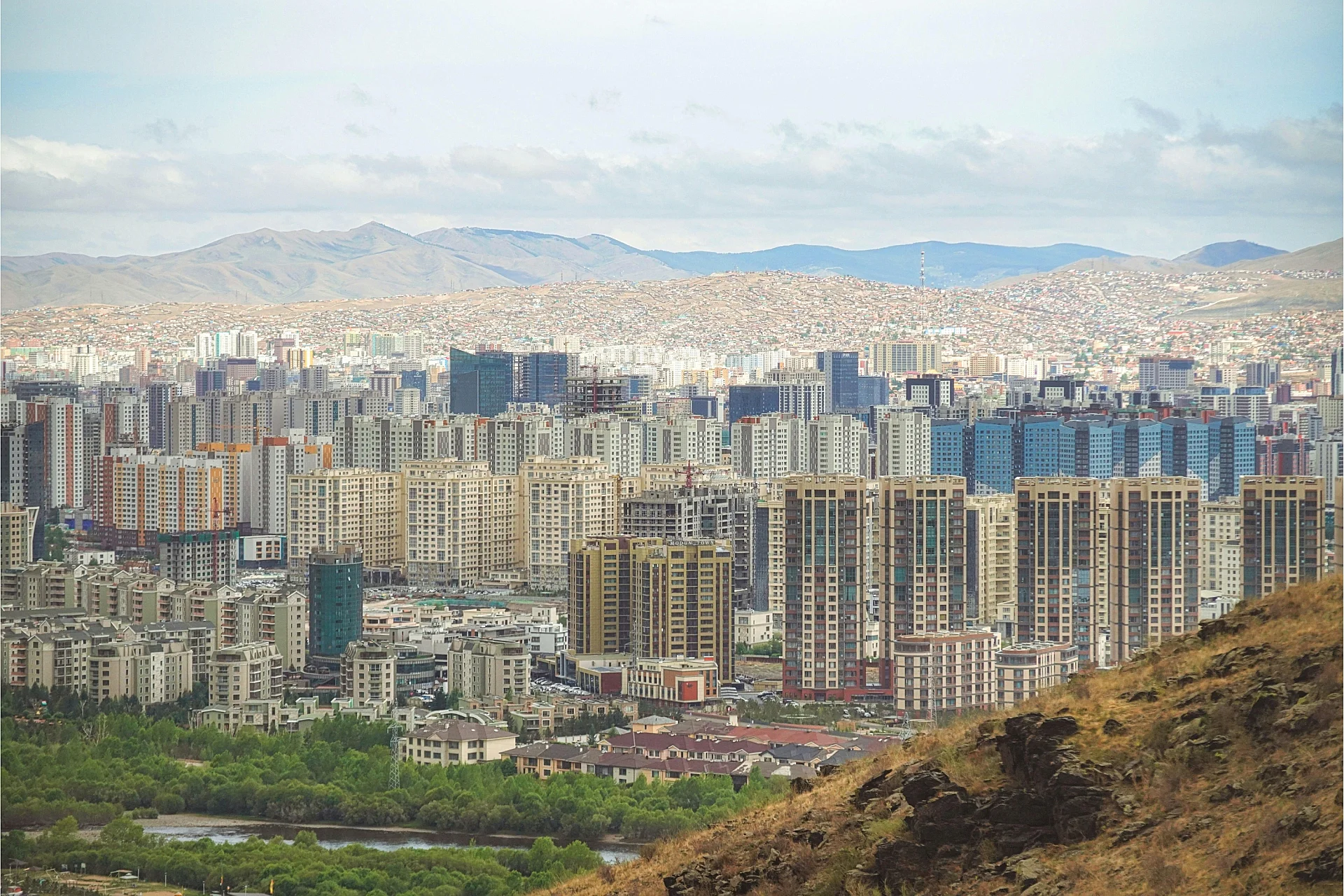
This city is dirty! Very polluted. I will admit that my experience was very bad, and I will skip the details and focus on finding the positives. I think it takes time to adapt to this city. You really get the feeling that everything happens in hidden places. This city has to be explored. However, there is nothing to see there. Stay as little time as possible and head out to discover the Gobi Desert! Go meet the nomads, they are extraordinary. Mongolia is magnificent, the capital is horrible.